Seating a tubeless tire bead means getting both tire beads to snap evenly into the rim’s bead shelf so the tire can hold air without an inner tube. Most stubborn tubeless setups fail for one of five reasons: not enough airflow, dry beads, damaged or loose rim tape, a leaking valve, or a tire-and-rim combination that is not truly compatible.
Quick Answer
To seat a tubeless tire bead, confirm the tire and rim are tubeless-compatible, remove the valve core, wet the beads with soapy water, and inflate with a strong burst of air from a booster pump, compressor, or CO2 inflator. Stop before exceeding the lower maximum pressure listed by the tire or rim maker.
Key Takeaways
- Remove the valve core for the first inflation attempt because the open valve lets more air rush in at once.
- Do not keep adding sealant before diagnosing the leak. Air from spoke holes usually means rim tape trouble, not a bead problem.
- Use the lowest maximum pressure listed by your tire or rim manufacturer, especially with hookless or TSS rims.
- A floor pump can work on easy road or gravel setups, but large MTB tires usually need a booster pump, compressor, or CO2 burst.
- After the bead seats, reinstall the valve core, inflate to riding pressure, shake the sealant around the tire, and check for slow leaks.
At a Glance
| Time Required | 10–25 minutes for a clean setup; longer if the rim tape or valve leaks |
| Difficulty | Moderate beginner task |
| Tools Needed | Tubeless-compatible tire and rim, valve core tool, floor pump or booster pump, sealant, soapy water, clean rag, pressure gauge, and optional CO2 inflator |
| Cost | Usually $0–$15 if you already have sealant and a pump; more if you need a booster pump, valve, or new rim tape |
Why You Should Consider Tubeless Tires for Your Bike
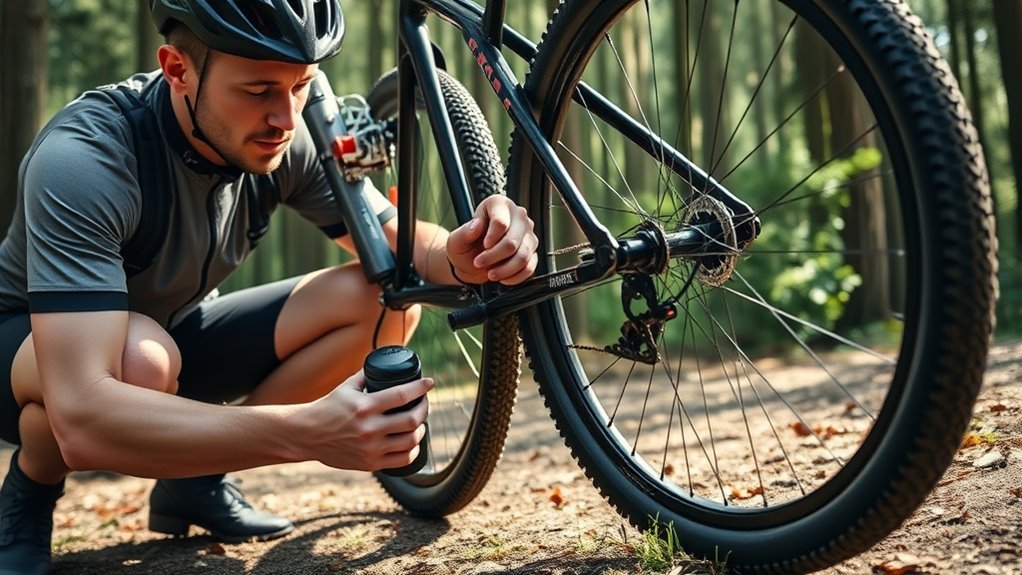
Tubeless tires are popular because they can improve comfort, traction, and puncture resistance when they are installed correctly. Since there is no inner tube to pinch between the rim and tire, riders can often use lower pressures without the same risk of pinch flats. Sealant inside the tire can also plug many small punctures as they happen.
That said, tubeless only works well when the tire, rim, rim tape, valve, pressure, and sealant are all matched correctly. Continental’s tubeless-ready guidance recommends checking the tire, rim, valve, and rim tape for damage before mounting and following the maximum values listed by both the tire and rim manufacturer.
Preparing for Tubeless Tire Installation
Before forcing air into the tire, inspect the setup. This is the part that saves the most frustration.
- Confirm compatibility: Use a tubeless-ready tire on a tubeless-ready rim. For hookless or TSS rims, confirm that the exact tire model is approved for that rim style.
- Inspect the rim tape: Tape should be smooth, tight, centered, and wide enough to cover the spoke holes. Bubbles, tears, lifted edges, or sealant leaking through spoke holes usually mean the tape needs to be replaced.
- Check the tubeless valve: Make sure the rubber base sits squarely against the tape and the locknut is snug by hand. Do not crush the rubber seal with tools.
- Clean the rim and bead: Wipe away old sealant clumps, dirt, and dried residue from the tire bead and rim bed.
- Add the right amount of sealant: Follow your tire or sealant brand’s recommendation. As a general manufacturer example, Continental lists 30 ml for road, 50 ml for gravel, and 70 ml for MTB for its RevoSealant initial mounting guidance.
Warning: Never exceed the lower maximum pressure printed on the tire or specified by the rim manufacturer. If your tire and rim give different limits, use the lower number. With hookless or TSS rims, also confirm tire approval before inflation.
Choosing the Right Inflation Method for Your Tubeless Tires
The best inflation method depends on tire volume, rim fit, and how stubborn the bead is.
| Inflation Method | Best For | Main Caution |
| Standard floor pump | Tight-fitting road and some gravel tires | May not move enough air for loose or large-volume tires |
| Booster pump or air-chamber pump | Gravel, MTB, and stubborn road setups | Charge the chamber only within the pump’s instructions |
| Air compressor | Workshop setup and very stubborn beads | Use a regulated chuck and watch pressure closely |
| CO2 inflator | Trailside or roadside emergency seating | Canisters get extremely cold; replace CO2 with air after setup when your sealant brand recommends it |
[Products Worth Considering]

This all-in-one car emergency kit helps drivers stay prepared for roadside breakdowns, flat tires, and dead batteries with essential tools in one compact package. It includes a portable air compressor, heavy-duty jumper cables, a first aid kit, and other safety items designed for year-round peace of mind. Compact enough for easy trunk storage, it makes a practical safety solution and thoughtful gift for drivers of all ages.

Be ready for roadside emergencies with this comprehensive car safety kit designed to help you handle common breakdown situations quickly and confidently. It includes a portable air compressor for fast tire inflation, jumper cables for dead batteries, and a self-contained emergency set with essential tools and first aid supplies. Built for all-weather preparedness, this kit helps keep drivers, passengers, and families safer on the road.

This AC valve core removal and installer set is designed for efficient servicing of automotive and HVAC refrigerant systems. It includes high- and low-pressure quick connectors with ball valves to help reduce refrigerant leakage during valve core replacement. Built with durable brass, stainless steel, and aluminum components, it offers reliable grip, easy operation, and broad compatibility for air conditioning maintenance and repair.
How to Use a Standard Track Pump for Tubeless Tire Installation
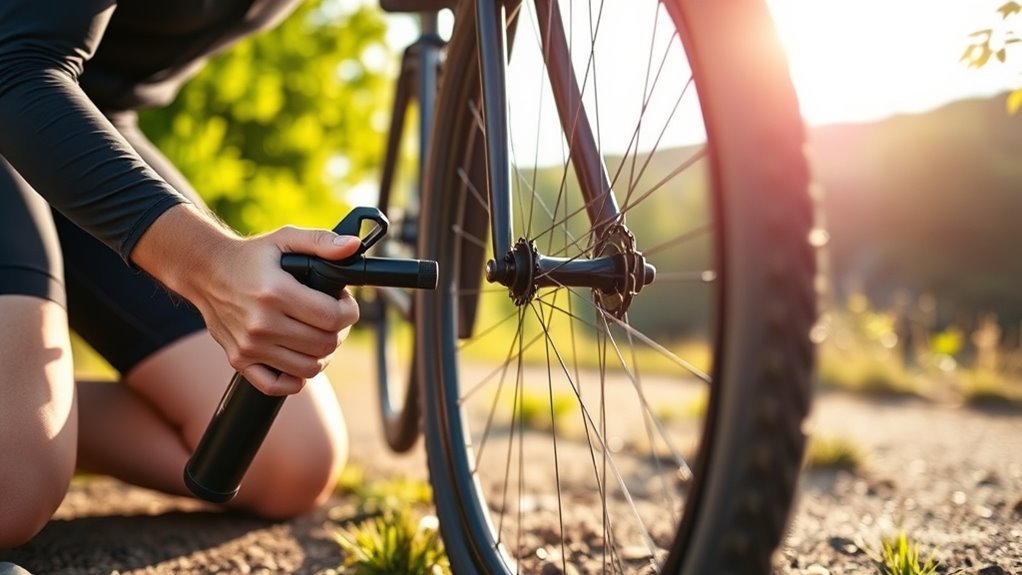
A standard track pump can seat some tubeless tires, especially if the tire fits tightly on the rim. Follow this sequence before reaching for a compressor or CO2 cartridge.
- Mount both beads fully on the rim. Make sure the tire bead is not sitting on top of the valve base.
- Push both beads toward the rim sidewalls. Work around the tire by hand so the bead is as close as possible to the bead shelf.
- Remove the valve core. Use a valve core tool so the pump can move a larger rush of air through the valve.
- Wet the beads lightly. Apply soapy water or tire mounting fluid around both beads. Schwalbe recommends soapy water or assembly fluid when a tire has trouble centering or sliding into place.
- Pump quickly. Use fast, full strokes. You may hear one or two loud pops as the bead jumps into place.
- Watch the bead line. Most tires have a thin molded line above the bead. It should sit evenly above the rim all the way around both sides.
- Reinstall the valve core. Once the bead is seated, let some air out, reinstall the core, and inflate to your riding pressure.
- Shake and rotate the wheel. Move sealant around the bead, sidewalls, and valve area to help seal tiny gaps.
Pro Tip: If the tire will not catch air, remove the valve core, pull the tire beads outward with your hands, and bounce the wheel lightly on the floor while pumping. That often closes the first gap long enough for the bead to start climbing.
[Products Worth Considering]

This car emergency roadside assistance kit helps drivers handle unexpected breakdowns and roadside incidents with confidence. It includes jumper cables and a tire inflator to support quick, practical solutions in emergencies, while the compact bag keeps everything organized in the trunk. Ideal for new drivers, families, road trips, and seasonal travel, it is a thoughtful and useful safety essential for any vehicle.
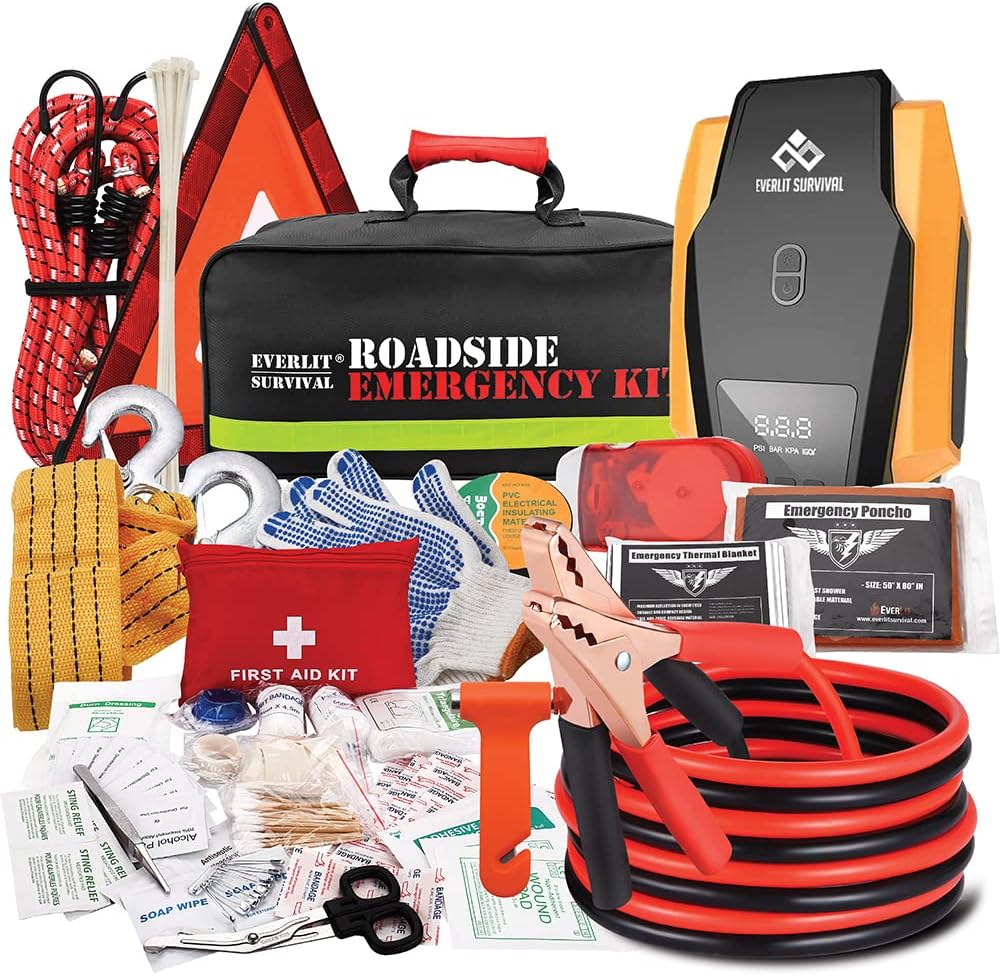
This roadside emergency kit packs essential tools to help drivers handle unexpected breakdowns and stay prepared on the road. It includes a digital tire inflator, jumper cables, first aid supplies, and other safety accessories to support quick, practical roadside response. Designed for everyday drivers and road trips alike, it offers peace of mind for emergencies day or night.

This AC Schrader valve tool is designed for leak-free removal and replacement of valve cores in automotive air conditioning systems filled with refrigerant. It helps prevent refrigerant loss, secures the valve core during installation or removal, and simplifies servicing with included guidance. Built from brass and aluminum alloy and stored in a protective EVA case, it offers a practical solution for both high and low pressure valve core work.
Why a Track Pump With Air Chamber Makes Tire Setup Easier
A track pump with an air chamber, also called a booster pump, stores air first and then releases it in one fast burst. That sudden airflow is what many tubeless tires need. Large-volume gravel and mountain bike tires often have more open space between the tire and rim, so a normal pump may leak air faster than it can build pressure.
To use a booster pump, charge the chamber according to the pump instructions, connect it to the valve with the valve core removed, then release the burst while holding the tire centered on the rim. Once the bead seats, reinstall the valve core and inflate normally.
Inflating Your Tire With a CO2 Inflator Kit
A CO2 inflator can deliver a fast blast of gas, which makes it useful for emergency tubeless bead seating on the road or trail. It is not the cleanest first choice for home setup, but it can rescue a ride when a mini pump cannot move enough air.
Use a controllable inflator head and keep bare fingers away from the metal cartridge. CO2 cartridges become extremely cold as the gas is released, so use a sleeve, covered inflator, or gloved hand. After the tire is seated, check your sealant brand’s instructions. Stan’s NoTubes says CO2 can be used if needed, but recommends letting it out after the ride or setup and replacing it with regular air because prolonged exposure can affect sealant performance.
Note: Do not use flammable sprays, ether, fire, or “explosion” tricks to seat a bicycle tire. They can damage the tire, rim, sealant, and rider.
[Products Worth Considering]
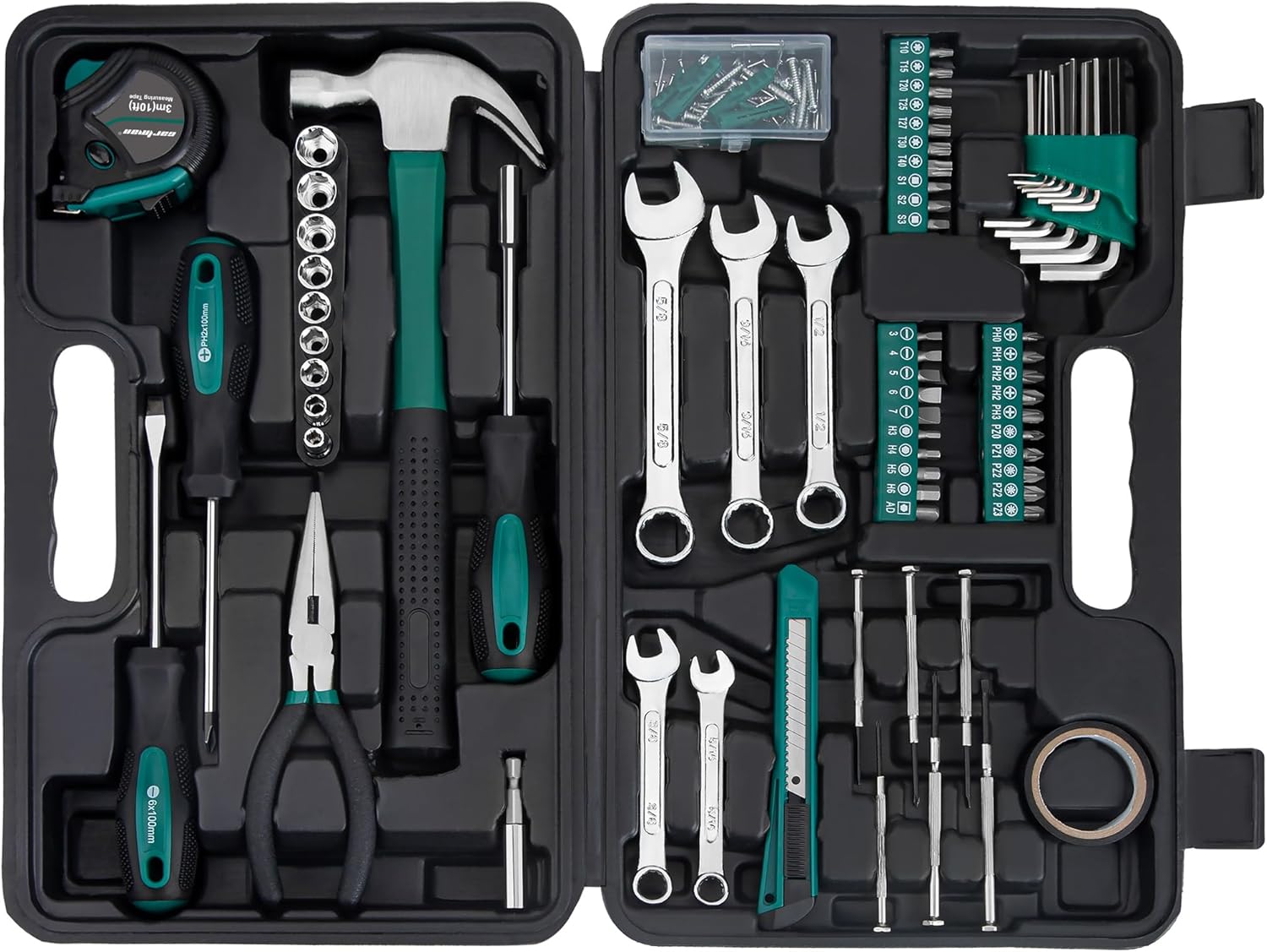
This versatile tool set provides a well-rounded assortment for car maintenance, household repairs, furniture assembly, and everyday DIY tasks. Built with heat-treated, corrosion-resistant tools and organized in a molded case, it offers dependable performance and easy storage for quick access whenever projects come up. It’s a practical choice for new homeowners, students, and anyone who wants a complete starter kit for small repairs.

The OEMTOOLS coolant vacuum refill kit helps quickly refill a vehicle’s cooling system while removing trapped air that can lead to overheating and engine damage. It also performs vacuum leak tests to help confirm system integrity and reduce the chance of repeat repairs. With multiple bushings, adapters, and a tapered cone seal, it is designed for flexible use on many radiator and coolant bottle necks.
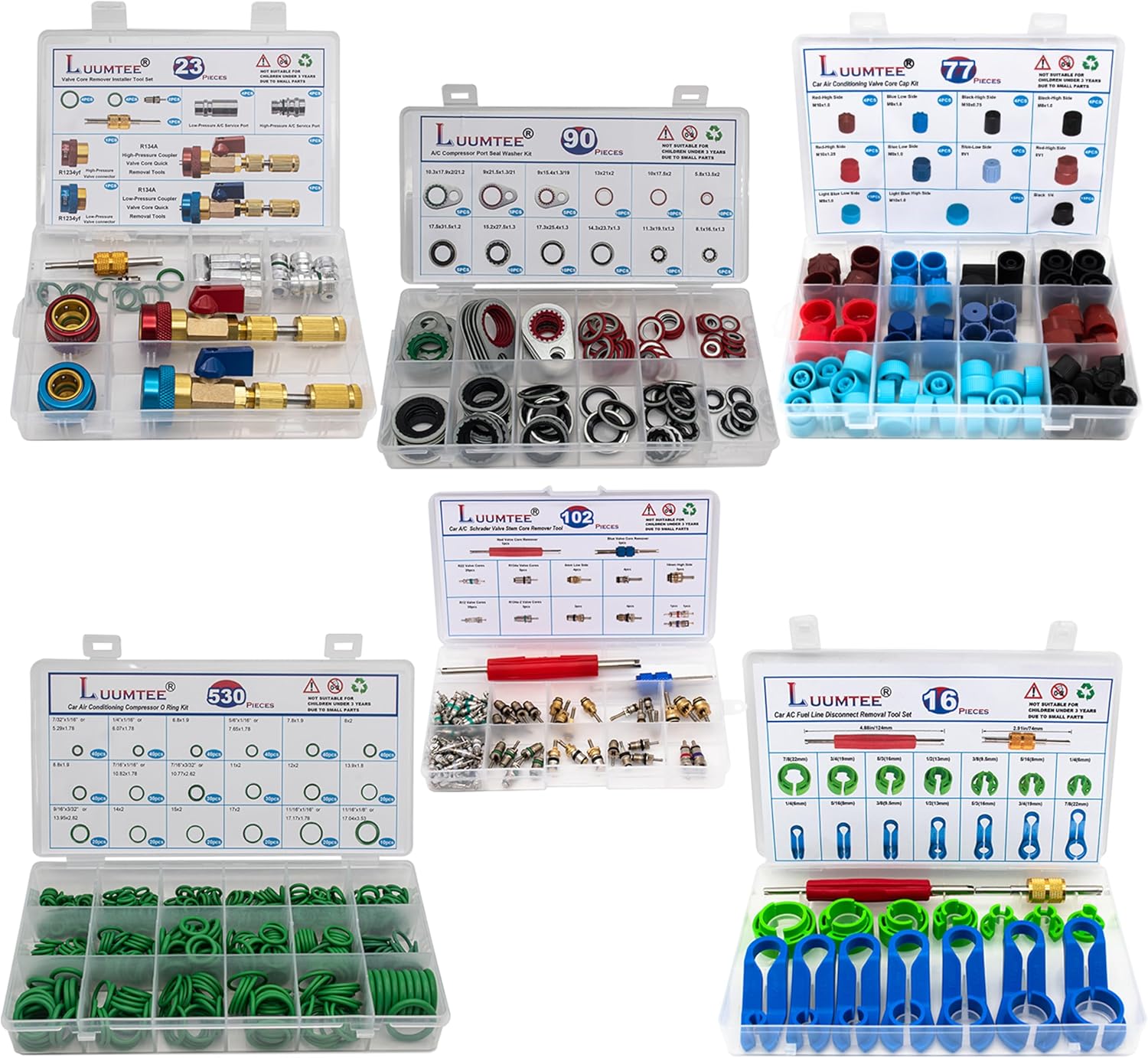
This comprehensive car A/C repair kit includes a wide range of service parts and tools for maintaining air conditioning systems and related components. It combines valve core tools, valve cores, O-ring seals, dust caps, fuel line disconnect tools, and compressor gasket seals in organized storage boxes for quick access. Designed for automotive maintenance and other common repair needs, it helps simplify repairs and keep essential parts neatly sorted.
How to Troubleshoot Tubeless Tire Bead Seating Problems
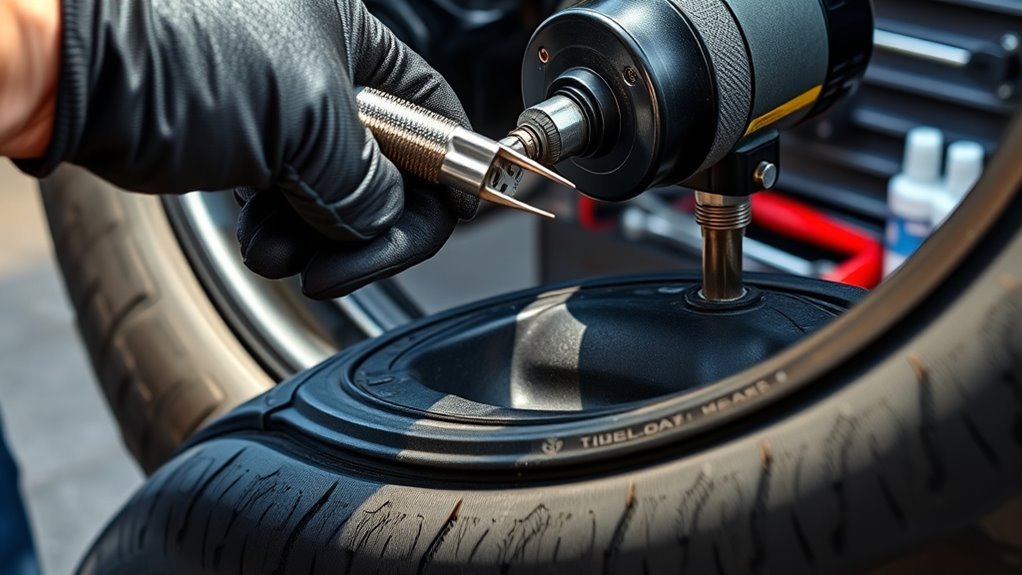
If the bead will not seat, do not keep pumping blindly. Match the symptom to the likely cause.
| Problem | Likely Cause | Fix |
| Air rushes out around the bead | Bead is not close enough to the rim shelf | Remove the valve core, wet the beads, pull beads outward by hand, and use a booster or compressor |
| Air leaks from spoke holes | Rim tape is torn, lifted, too narrow, or poorly sealed | Remove the tire and replace or retape the rim before trying again |
| Air leaks at the valve | Valve base is crooked, dirty, or not sealed against the tape | Remove the valve, clean the area, inspect the tape hole, reinstall squarely, and tighten by hand |
| One section of bead sits low | Dry bead, tight tolerance, or bead stuck in the rim well | Deflate slightly, apply soapy water, massage the low section outward, then reinflate within the pressure limit |
| Tire blows off, burps badly, or will not stay seated | Possible tire/rim incompatibility, damaged bead, or unsafe pressure | Stop using the setup until compatibility and tire/rim condition are confirmed |
Ensuring Your Tubeless Tires Perform Well After Installation
Once the bead is seated, the job is not finished. Inflate to riding pressure, hold the wheel horizontally, and shake it so sealant reaches the bead and sidewalls. Rotate the wheel and repeat on the other side. Then inspect the bead line on both sides of the tire.
Leave the tire inflated for a few hours or overnight if possible. A small pressure drop can be normal during a fresh setup, but a tire that goes flat quickly needs diagnosis. Spray soapy water around the bead, valve, and spoke holes. Bubbles at the bead may seal with shaking. Bubbles at the valve or spoke holes usually need mechanical repair, not more sealant.
Check pressure before every ride. Also refresh sealant at the interval recommended by your sealant brand, especially in hot, dry climates where sealant dries faster.
Safety Tips for Working With Tubeless Tires
- Wear eye protection when using a compressor, booster pump, or CO2 inflator.
- Keep your face and body out of the tire’s blast path while inflating.
- Use plastic tire levers carefully and avoid metal levers that can damage the bead or rim tape.
- Never exceed the lowest tire or rim pressure limit. This is especially important for hookless and TSS systems. Zipp’s hookless/TSS guidance states that TSS rims should only be used with TSS-compatible tires and within the system’s pressure limit.
- Handle CO2 cartridges carefully. Genuine Innovations explains that CO2 cartridges become ice cold during discharge, so use a protected inflator or sleeve.
Frequently Asked Questions
How do I get a tubeless tire bead to seat?
Remove the valve core, wet the tire beads with soapy water, and inflate with a fast burst of air. A booster pump, compressor, or CO2 inflator works better than a standard pump for loose or large-volume tires. Stop before exceeding the tire or rim pressure limit.
How do I fix a tubeless tire that will not seat?
First, diagnose where the air is escaping. If it leaks around the bead, improve airflow and lubricate the bead. If air comes from spoke holes, replace or repair the rim tape. If it leaks at the valve, reseat the valve and inspect the tape hole.
How do I seat a tire bead that will not bead?
Make sure both beads are mounted correctly, remove the valve core, push the beads outward toward the rim sidewalls, and apply soapy water. Then use a booster pump or compressor. If the bead still will not climb evenly, deflate, massage the low section by hand, and reinflate carefully.
Can you seat a tubeless tire with a standard pump?
Yes, a standard floor pump can seat some tubeless tires, especially tight-fitting road or gravel tires. Remove the valve core and pump quickly. If the tire will not catch air, switch to a booster pump, compressor, or controlled CO2 inflator.
Should I add sealant before or after seating the bead?
Either method can work. Adding sealant before seating is common, but it can get messy if the bead refuses to catch air. For stubborn tires, many mechanics first seat the bead dry or with minimal sealant, then inject sealant through the valve after removing the valve core.
Is the popping sound required for a tubeless bead to be seated?
No. Many tires pop loudly when the bead snaps into place, but some seat quietly. The better check is the bead indicator line. It should run evenly above the rim on both sides with no low or wavy sections.
Conclusion
Seating a tubeless tire bead is mostly about preparation and airflow. Start with a compatible tire and rim, clean the bead and rim, remove the valve core, use soapy water, and inflate with the strongest safe air source available. If the bead will not seat, diagnose the leak before adding more sealant. Once the tire is seated, reinstall the valve core, set your riding pressure, spread the sealant, and check for slow leaks before riding.
Sources
- Park Tool — Tubeless Tire Mounting and Repair — supports valve-core removal and bead seating workflow.
- Continental Tires — Tubeless Ready Checklist — supports compatibility checks, component inspection, sealant amounts, and pressure-limit warnings.
- Schwalbe — Bike Tire Fitting — supports using soapy water or fitting fluid for difficult bead seating and centering.
- Stan’s NoTubes — Sealant Support — supports sealant amount guidance and CO2-aftercare caution.
- SRAM/Zipp — Hookless Tire Compatibility — supports hookless/TSS tire compatibility and pressure warnings.
- Genuine Innovations — Why CO2 Cartridges Get So Cold — supports CO2 cold-handling precautions.