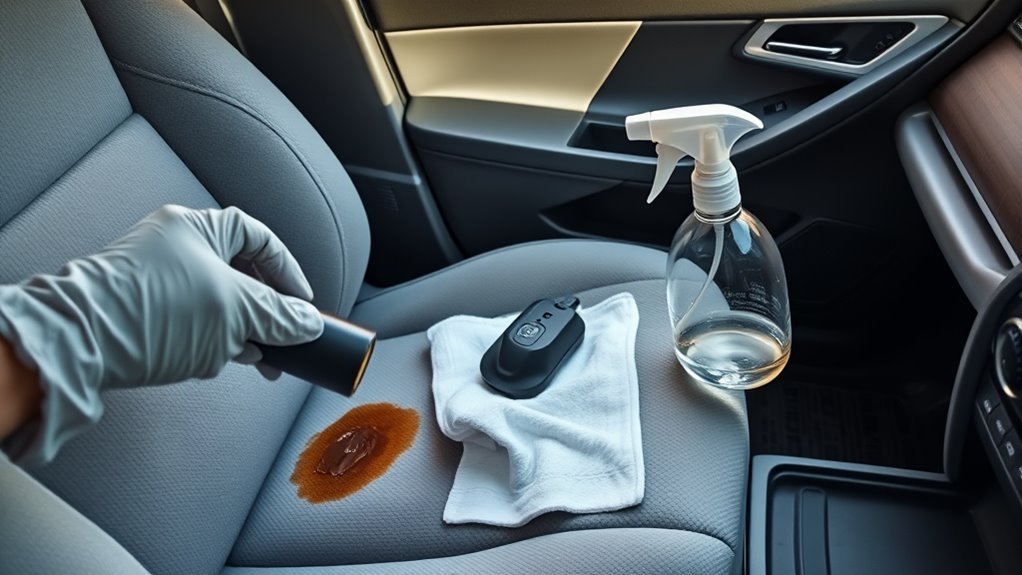
Camry cloth seats clean up best when you use a careful stain-by-stain process instead of soaking the whole seat. Start dry, test your cleaner in a hidden area, treat the stain lightly, agitate gently, extract the loosened soil, and dry the fabric fast so moisture does not linger in the cushion.
Quick Answer
To clean Toyota Camry cloth seats, vacuum first, spot-test an upholstery cleaner, pretreat stains, let the cleaner dwell for 5–15 minutes, brush lightly, then extract or blot with clean water. Finish with microfiber towels and airflow. Avoid over-wetting because moisture can cause odors, wicking, and electrical problems near seat wiring.
Key Takeaways
- Vacuum before adding liquid so you do not turn dry dirt into mud inside the fabric.
- Use a fabric-safe upholstery cleaner and test it on a hidden spot before treating the visible seat panel.
- Use light agitation only; aggressive drill brushing can fuzz, pill, or distort cloth upholstery.
- Extract or blot until cleaner residue is gone, then dry the seat quickly with towels, open doors, and a fan.
- Call a professional if stains return after drying, if the seat smells musty, or if liquid reached switches, wiring, or heated-seat components.
At a Glance
| Time Required | 30–90 minutes, plus drying time |
| Difficulty | Easy to moderate |
| Tools Needed | Vacuum, microfiber towels, upholstery cleaner, soft brush, optional drill brush, optional portable extractor |
| Cost | About $10–$30 for spot cleaning; $40–$150+ if buying or renting an extractor |
Warning: Do not flood Camry seats with cleaner or water. Modern seats may contain occupancy sensors, side-airbag wiring, heated-seat elements, switches, and under-seat connectors. Keep moisture controlled, never spray directly into switches or seams near electronics, and let the seat dry fully before heavy use.
Identify Stains on Camry Cloth Seats
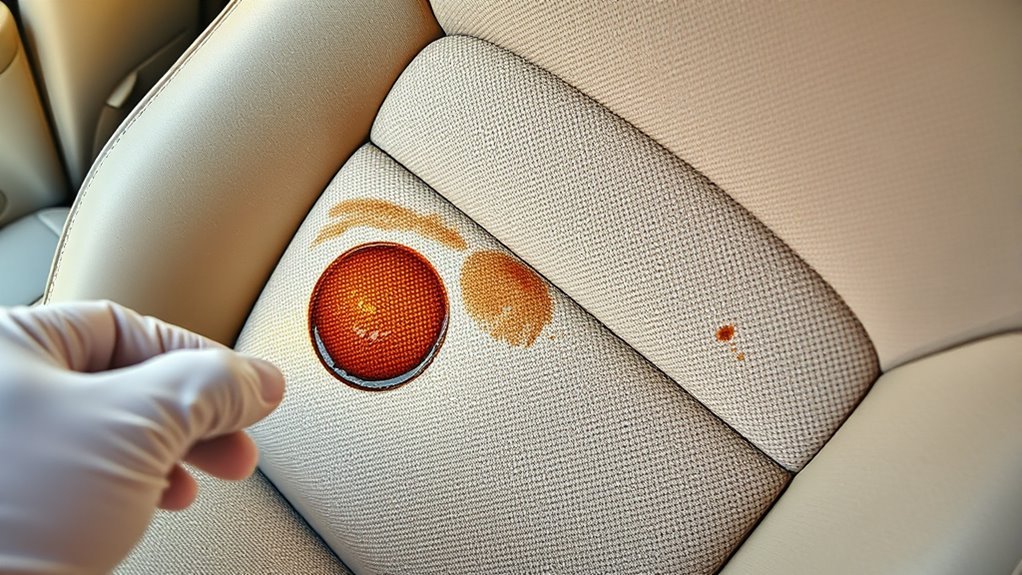
Before you clean Camry cloth seats, identify what caused the stain. This helps you choose the right cleaner and avoid making the spot worse. Look at the stain’s color, texture, smell, and location:
- Coffee, soda, juice, and water rings: Usually water-based. They often spread into the fabric and may leave a brown or light-edged ring.
- Grease, sunscreen, lotion, makeup, and food oil: Often darker, slick, or shiny. These need more dwell time and a cleaner that can break down oily soil.
- Mud, dust, and shoe dirt: Usually gritty. Vacuum and brush dry debris first before adding liquid.
- Pet stains, milk, vomit, and sweat: These may need an enzyme cleaner first because odors can remain below the surface.
- Ink, dye transfer, and bright food coloring: These are harder to remove and can spread if scrubbed aggressively.
Fresh stains are easier to remove than old stains. Iowa State University Extension recommends acting quickly, blotting instead of rubbing, and testing stain treatments in an inconspicuous spot before using them on visible fabric.
Note: A dark mark is not always a stain. Sometimes it is worn fabric, dye loss, sun fading, or abrasion. Cleaning can remove soil, but it cannot restore fabric color that has already been damaged.
Tools & Cleaners: Budget vs Pro
For light stains, you do not need a full detailing setup. Toyota’s own interior-cleaning guidance for fabric seats starts with vacuuming, using an upholstery cleaner according to the product directions, gently scrubbing with a soft brush or microfiber cloth, blotting away excess cleaner, and allowing the seats to air-dry.
For heavy stains, oily soil, or old grime, a portable upholstery extractor can remove more residue than towels alone. A citrus-based cleaner, such as Chemical Guys Lightning Fast Stain Extractor, can work for many fabric and carpet stains when used as directed. Strong professional carpet presprays, such as Bridgepoint Flex Powder with Citrus Solv, are high-alkaline products intended for heavier restorative cleaning and should be mixed, tested, rinsed, and handled carefully.
| Tool or Cleaner | Best For | Use Carefully |
|---|---|---|
| Vacuum with crevice tool | Dry dirt, crumbs, seams, and seat edges | Use before any liquid cleaner |
| Microfiber towels | Blotting, drying, and residue removal | Use white or light towels to avoid dye transfer |
| Soft upholstery brush | Gentle agitation on normal fabric | Avoid hard scrubbing |
| Drill brush | Heavy soil on durable, non-damaged cloth | Use low speed and light pressure only |
| Portable extractor | Removing cleaner residue and lifted soil | Follow the machine’s water-temperature limits |
| Enzyme cleaner | Pet, milk, sweat, vomit, and odor stains | Let enzymes work before using alkaline cleaners |
Pro Tip: Use the least aggressive method that works. Start with vacuuming, blotting, and a mild upholstery cleaner. Move to citrus cleaners, drill brushes, and extractors only when the stain needs more power.
[Products Worth Considering]

This flexible oil funnel is designed to make fluid changes cleaner and easier by guiding oil around obstacles like skid plates and crossmembers. Its shape-retaining core and silicone body can be molded for custom positioning, while the heat-resistant, leak-proof design helps prevent spills during draining and filter removal. Reusable and easy to clean, it works well for cars, trucks, motorcycles, and other hard-to-reach fluid fill or drain applications.

This car interior detailing brush is designed to gently remove dust from vents, dashboards, consoles, and other hard-to-reach areas without scratching surfaces. Its soft bristles and comfortable grip make routine interior cleaning easier, while the compact size allows convenient storage in your glove box. It also works well for household cleaning tasks like keyboards, fans, and window tracks.

These custom-fit seat covers are tailored for Toyota RAV4 gasoline models from 2019 through 2025, giving your SUV a refined interior upgrade with a precise OEM-inspired look. The spill-resistant faux leather surface helps protect against daily messes, scuffs, and pet wear while staying easy to clean, and the reinforced airbag-compatible stitching supports safety without sacrificing style. A secure strap, zipper, and Velcro installation system helps keep the covers in place for a stable, comfortable fit in all seasons.
Prep Seats: Vacuum, Test, and Protect Trim
Good prep prevents most cleaning mistakes. Remove car seats, toys, mats, coins, and loose trash. Then slide the seats forward and backward so you can vacuum seams, side bolsters, seat belt anchors, and the narrow gaps where grit collects.
Vacuum Thoroughly First
Vacuum the Camry cloth seats before spraying cleaner. Work from the top of the seat back downward, then clean the seat bottom, seams, and crevices. Use a crevice tool for stitching and a brush attachment for flat fabric panels. This step matters because loose dust and grit can spread when wet.
If the seat has dried mud, gently brush it while dry, vacuum, and repeat. Do not wet mud immediately; it can smear deeper into the weave.
Spot-Test the Cleaner
Apply a small amount of your chosen cleaner to a hidden area, such as a lower rear corner of the seat fabric. Blot with a white microfiber towel and let it dry. Check for color transfer, fading, rings, stiffness, or texture change. If the test area changes, do not use that cleaner on the visible seat surface.
Mask and Protect Trim
Before using liquids, protect plastic trim, power-seat switches, seat belt buckles, center-console panels, and under-seat wiring. Use towels or plastic sheeting around the work area. Spray cleaner onto a towel or brush near sensitive trim instead of spraying directly at the seat edge.
Warning: Never pour cleaner onto a seat. If liquid runs into the cushion, seams, wiring, or seat electronics, the fabric may smell musty later and electrical components may be affected.
Choose the Right Cleaner by Stain Type
The best cleaner depends on the stain. Do not use one harsh product on every mark. Use this guide before spot-treating:
| Stain Type | Best First Treatment | Avoid |
|---|---|---|
| Coffee, soda, juice | Upholstery cleaner, light dwell, blot or extract | Scrubbing the edge outward |
| Grease, oil, lotion | Citrus or fabric-safe degreasing cleaner | Plain water only, which may not cut oil |
| Mud and road dirt | Dry brush, vacuum, then upholstery cleaner | Wetting before removing dry grit |
| Pet urine, milk, sweat, vomit | Enzyme cleaner, then rinse or extract after dwell | Hot water first, which can set some protein odors |
| Ink and dye transfer | Careful spot treatment and blotting | Large wet areas or aggressive brushing |
For fabric seats, use products labeled safe for automotive upholstery or fabric upholstery. If you use a concentrated professional product, follow the label dilution exactly. More chemical is not better; leftover residue can attract dirt and make the seat look dirty again faster.
[Products Worth Considering]

This two-piece horsehair brush set is designed for gentle yet effective cleaning of leather and interior surfaces. The soft bristles help lift dirt from seams, tight spaces, upholstery, carpets, and shoes without scratching, while the two sizes support both broad cleaning and detailed polishing. A comfortable wooden handle improves grip and control for easier daily care.

These HOMEXCEL microfiber cleaning cloths deliver excellent absorbency and gentle, scratch-free cleaning for cars, homes, and glass surfaces. The soft, lint-free towels help remove dirt, water, and streaks quickly for a polished finish, and they are machine washable for repeated everyday use.
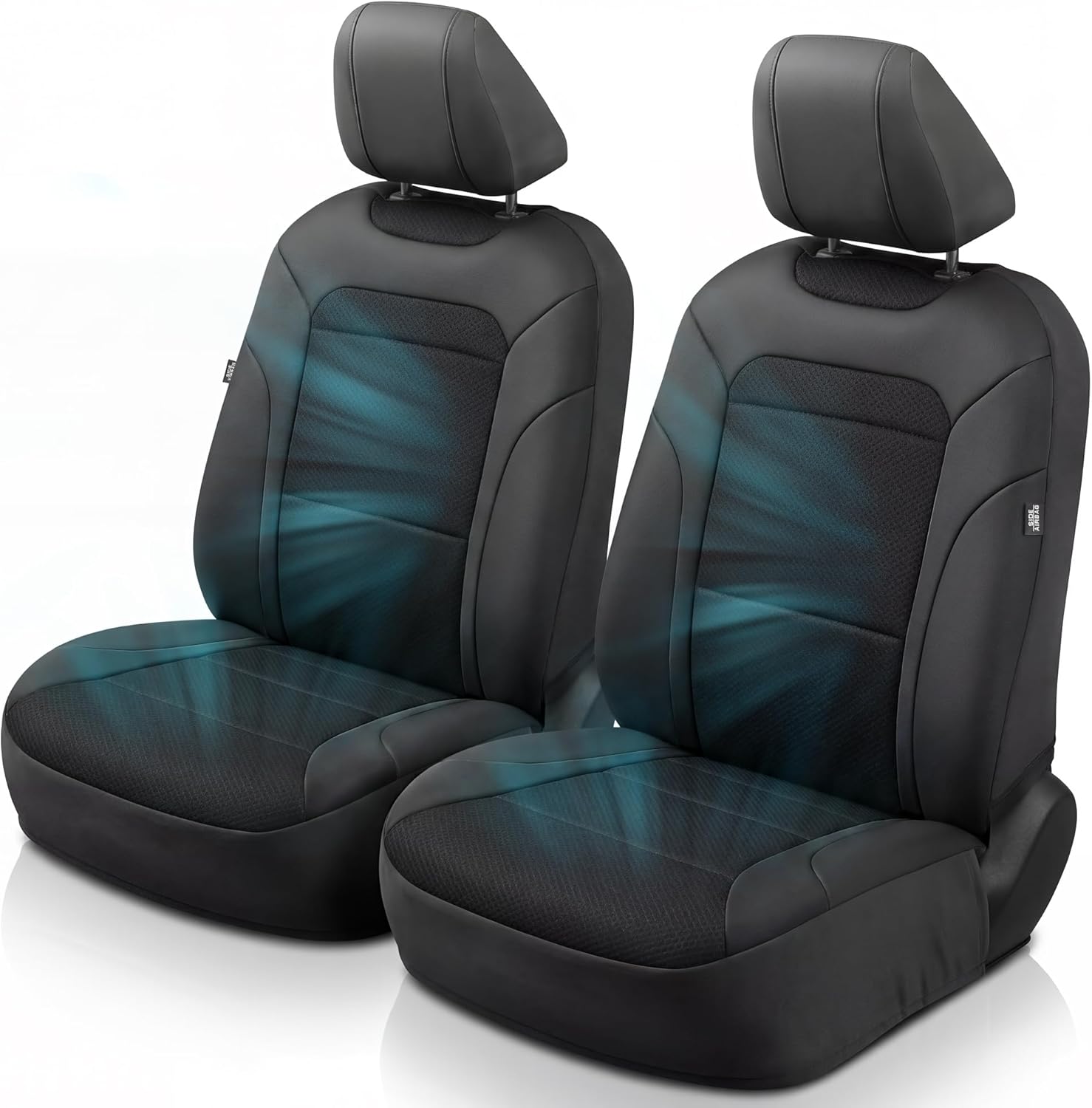
This custom-fit front seat cover set is designed for select Toyota models to improve comfort and help keep drivers cool on daily commutes and long road trips. The breathable mesh and faux leather construction offers easy cleaning, stain resistance, and a supportive feel, while the sponge padding adds cushioning and reduces fatigue. Built-in storage pockets and a stretch-fit design make it practical, tidy, and simple to install without interfering with seat adjustments.
Apply Citrus Cleaner: Dwell Time for Heavy Soils
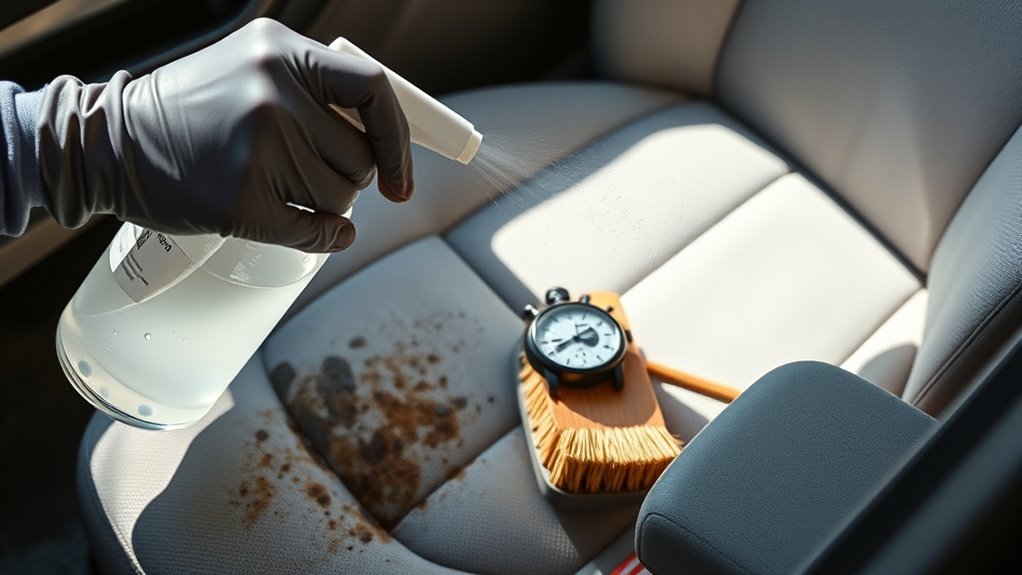
Apply your upholstery cleaner to the stained area, not the entire seat, unless the whole seat is evenly soiled. Mist the fabric until it is lightly damp. The surface should look wet enough for the cleaner to work, but not so wet that liquid pools, runs, or soaks into the cushion.
Optimal Dwell Duration
Let the cleaner dwell according to the product label. For many ready-to-use upholstery cleaners, a few minutes is enough. For heavier oily soil or a professional prespray, 10–15 minutes may be useful if the product directions allow it. Do not let the cleaner dry on the fabric. If it starts to dry before you extract or blot, lightly re-mist with water or cleaner as directed.
Avoid Over-Saturation
Keep the fabric damp, not soaked. Over-wetting can push soil deeper, create water rings, slow drying, and cause stains to wick back up as the seat dries. It can also create odor problems if moisture remains trapped below the cloth.
| Action | Goal | Safe Threshold |
|---|---|---|
| Spray | Wet the stained fibers | Damp surface, no puddles |
| Dwell | Let cleaner loosen soil | Do not let product dry |
| Agitate | Lift soil from the weave | Light pressure only |
| Extract or blot | Remove moisture and residue | Repeat dry passes until towels or extractor pull less moisture |
Post-Dwell Agitation
After dwell time, agitate gently. Use a soft upholstery brush first. Work in short, overlapping strokes and follow the weave of the fabric. For heavy grime, a drill brush can help, but only on low speed with light pressure. Stop if the fabric starts to fuzz, pill, stretch, or look lighter.
Agitate Fabric: Drill Brush and White-Bristle Tips
A brush should loosen soil, not punish the cloth. Use a white-bristle upholstery brush or soft detailing brush for most Camry cloth seats. White bristles reduce the chance of color transfer, and softer bristles are safer around stitching and thin fabric areas.
If you use a drill brush, choose a soft or medium upholstery attachment, keep the drill moving, and avoid leaning into the seat. Work the stained area first, then feather into the surrounding panel so you do not leave a clean circle inside a dirtier seat. After mechanical agitation, switch back to a hand brush for seams, edges, and delicate spots.
Note: Agitation only loosens dirt. You still need to remove the loosened soil with an extractor, damp microfiber towel, or repeated blotting. Leaving cleaner and soil in the fabric can cause sticky residue and faster re-soiling.
[Products Worth Considering]

Upgrade your vehicle interior with these stylish full set seat covers designed to add a modern luxury look while improving comfort. Made with premium NAPPA leather, they help protect seats from spills, stains, pet hair, and daily wear while maintaining key functions like airbags, seatbelts, and seat adjustments. The universal fit and included installation hardware make them a practical choice for many cars, SUVs, trucks, and pickups.

This vinyl wrap and tinting kit brings together the essential tools needed for clean, accurate vehicle graphics, window film, and decal installation. The included heat gun, squeegees, magnet holders, cutter, and specialty applicators help reduce bubbles, improve alignment, and make trimming and finishing easier in tight or detailed areas. It is a practical all-in-one solution for car wrapping, tinting, and sign work.

These custom-fit front seat covers are designed for a wide range of Toyota models, helping protect your upholstery from daily wear, scratches, pet claw marks, and spills. The thicker foam padding and heavier faux leather surface provide a smoother look and added support, while the quick-install design helps most users complete setup in minutes. They also refresh older interiors with a classic style that blends protection and a clean factory-inspired appearance.
Use a Hot-Water Extractor: Wet Pass, Dry Pass, Heat Tips
A portable extractor is useful when the seat is heavily soiled or when cleaner residue needs to be rinsed from the fabric. Fill the machine according to its manual. Many consumer upholstery machines are designed for hot tap water, not boiling water, so never add boiling water unless your extractor’s instructions clearly allow it.
Start with a controlled wet pass. Pull the tool slowly across the fabric while dispensing solution or rinse water. Use overlapping strokes so the cleaned area blends evenly. Then release the trigger and make dry passes over the same section to pull moisture back out. Repeat dry passes until the extractor pulls very little water.
For strong alkaline presprays, an extraction rinse can help reduce residue when used correctly. Products such as Bridgepoint Flex ICE are made for professional extraction rinsing, but you should only use them if they fit your cleaner, fabric, and extractor instructions.
Warning: Do not mix cleaning chemicals unless the labels say they are compatible. Avoid combining bleach, ammonia, acids, alkaline presprays, enzyme cleaners, or odor removers at random. Rinse between product types when needed.
No Extractor Method: Clean Camry Seats by Hand
You can still clean cloth seats without a machine. The goal is the same: loosen the stain, remove the cleaner, and dry the seat fast.
- Vacuum thoroughly. Remove crumbs, dust, and grit from the seat surface and seams.
- Spot-test your cleaner. Wait until the test area dries before continuing.
- Apply cleaner to a towel or brush. For sensitive areas, avoid spraying directly onto the seat.
- Blot from the outside inward. This keeps the stain from spreading.
- Agitate gently. Use a soft brush in small overlapping strokes.
- Rinse with a damp towel. Blot with a clean towel lightly dampened with water to remove cleaner residue.
- Dry with fresh towels. Press firmly, switch towels often, and use airflow.
This hand method takes more patience than extraction, but it is safer than over-wetting the cushion with too much cleaner.
Towel Dry & Speed Drying Without Lifting Fibers
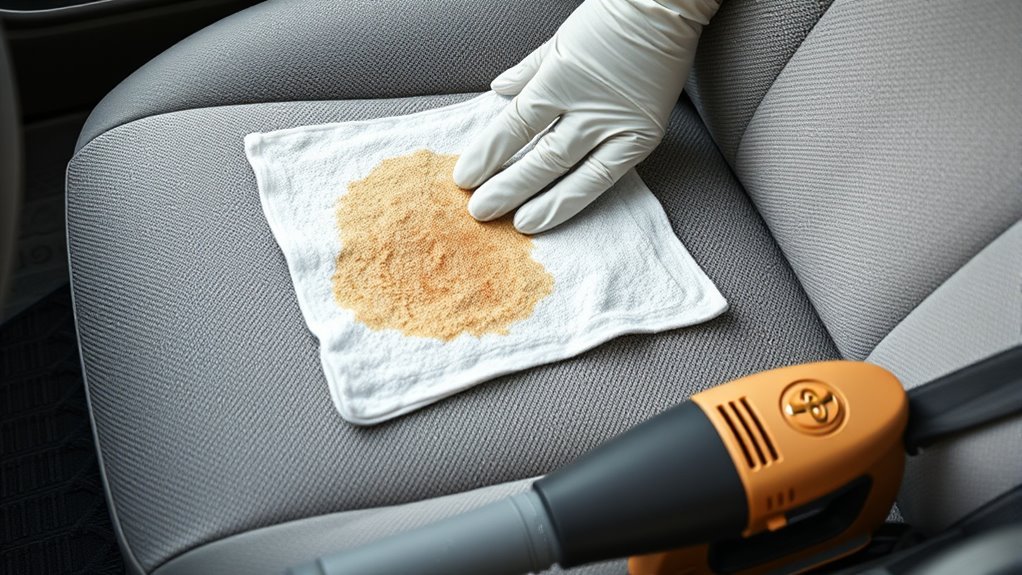
Drying is not an afterthought. It is part of the cleaning process. After extraction or hand cleaning, press clean microfiber towels into the fabric to pull out remaining moisture. Blot and press; do not scrub.
Use these drying methods:
- Use multiple towels. Replace towels as they become damp so you are not pressing moisture back into the seat.
- Keep the doors open when safe. Cross-ventilation helps moisture leave the cabin.
- Use a fan. Aim it across the seat, not directly at one wet spot.
- Avoid harsh heat. Do not use a heat gun or high heat close to the fabric, trim, or sensors.
- Check the seat later. If a ring appears as it dries, lightly re-clean the edge and extract or blot again.
Moisture control matters. The EPA notes that water-damaged materials should be dried within 24–48 hours to help prevent mold growth, which is why car seats should never be left damp after cleaning.
Stain Troubleshooting: Repeat Steps, Spot-Treat, When to Call a Pro
Once the seat is dry to the touch, inspect it in natural light. Some stains look gone when wet but reappear after drying. This is called wicking: moisture carries soil upward from deeper fabric or cushion layers as the seat dries.
| Issue | Likely Cause | What to Do |
|---|---|---|
| Stain returns after drying | Wicking from deeper soil | Lightly re-clean, extract more thoroughly, and dry faster |
| Seat feels sticky | Cleaner residue left behind | Rinse with damp microfiber or extractor dry passes |
| Water ring appears | Uneven wetting or drying | Feather-clean the surrounding panel and dry evenly |
| Musty smell | Moisture trapped in cushion | Increase airflow; call a pro if odor remains |
| Ink or dye spreads | Wrong cleaner or too much liquid | Stop and call a professional upholstery cleaner |
| Fabric looks fuzzy | Over-brushing or harsh drill brush use | Stop agitation; use gentler blotting only |
Repeat spot treatment only when the fabric is holding up well. If two or three careful cycles do not improve the stain, more scrubbing may cause more damage than benefit. Call a professional detailer for set-in dye, heavy grease, biohazard stains, moldy odors, or seats that were soaked by rain or spilled liquid.
Aftercare for Camry Cloth Seats: Maintenance and Stain Prevention
After the seats are clean and fully dry, protect the results with simple habits. Vacuum weekly or every other week, especially if you carry kids, pets, tools, sports gear, or drive in dusty areas. Keep a small microfiber towel in the car so you can blot spills immediately instead of letting them soak in.
- Vacuum regularly. Dry grit wears cloth fibers and makes seats look dull.
- Blot spills fast. Press, lift, and repeat. Do not rub the stain outward.
- Use seat covers when needed. They help during road trips, work commutes, pet travel, and kid-heavy weeks.
- Apply fabric protector only to clean, dry fabric. Follow the label and ventilate the cabin.
- Schedule deeper cleaning as needed. High-use cloth seats may need deep cleaning every 6–12 months.
Pro Tip: After deep cleaning, wait until the seat is completely dry before applying a fabric protector. Protectors work better on clean fibers and may trap moisture or residue if used too soon.
Frequently Asked Questions
How do I clean my Toyota Camry car interior?
Start with a full vacuum, then clean each surface with the right product. Use microfiber towels for the dashboard, console, screens, and trim. For fabric seats, use an upholstery cleaner, soft brush, blotting towels, and controlled drying. Avoid soaking carpets, switches, screens, seat controls, and electrical areas.
How do you clean Toyota cloth seats?
Vacuum the seats, test the cleaner in a hidden spot, apply a fabric-safe upholstery cleaner to stained areas, let it dwell briefly, agitate gently with a soft brush, then blot or extract the cleaner and soil. Dry the seats with microfiber towels and airflow before using the car heavily.
What do car detailers use to remove stains from cloth seats?
Detailers commonly use vacuums, fabric-safe upholstery cleaners, enzyme cleaners for odor stains, citrus or degreasing cleaners for oily soil, soft brushes, drill brushes when safe, microfiber towels, steamers in some cases, and hot-water extractors to rinse and remove residue.
Can I use a carpet cleaner or extractor on Camry cloth seats?
Yes, a portable upholstery extractor can work well if you use the upholstery tool, follow the machine’s instructions, avoid boiling water unless the manual allows it, and make extra dry passes. Use minimal liquid around seams, switches, and under-seat wiring.
Why did the stain come back after the seat dried?
The stain likely wicked up from deeper fabric or cushion layers while drying. Re-clean the spot lightly, extract or blot more thoroughly, and speed up drying with towels and airflow. If the stain keeps returning, the cushion may be holding soil or moisture and may need professional extraction.
Can I use vinegar, dish soap, or laundry detergent on Camry cloth seats?
Use them cautiously. Mild dish soap diluted in water can help some water-based stains, but too much soap leaves residue. Vinegar may help with some odors or mineral spots, but it should be tested first. Laundry detergent can be too foamy or hard to rinse from car upholstery, so a dedicated upholstery cleaner is usually safer.
Conclusion
Clean Camry cloth seats by working carefully instead of aggressively. Vacuum first, identify the stain, test your cleaner, use controlled dwell time, agitate lightly, remove residue with blotting or extraction, and dry the fabric fast. The biggest mistakes are soaking the seat, scrubbing too hard, and leaving cleaner behind. Small, steady maintenance keeps the cloth looking better and makes future stains easier to remove.
Sources
- Toyota: How to Clean Your Car’s Interior — supports vacuuming, upholstery cleaner use, gentle brushing, blotting, and air-drying fabric seats.
- Toyota Owners: Manuals and Warranties — reference point for model-specific interior-care and safety guidance.
- Iowa State University Extension AnswerLine: Stain Removal — supports acting quickly, blotting instead of rubbing, and checking colorfastness.
- U.S. EPA: A Brief Guide to Mold, Moisture and Your Home — supports moisture-control and drying guidance.
- Chemical Guys: Lightning Fast Stain Extractor for Fabric — product reference for fabric, upholstery, and carpet stain cleaning.
- BISSELL Support: SpotClean ProHeat Portable Carpet Cleaner — reference for portable upholstery extractor manuals and support.