Tar spots and dried bug splatter are easiest to remove from your Tundra when you soften them first, wipe gently, and protect the paint afterward. Work on a cool surface in the shade, pre-wash loose grit away, and use Yum Cars Tar & Residue Remover only on compatible areas after a small spot test.
Quick Answer
To remove tar and bugs from a Tundra, wash the area first, spray Yum Cars Tar & Residue Remover on the affected spots, let it dwell briefly without drying, then wipe gently with a clean microfiber towel. Rinse or re-wash the panel, dry it, and reapply wax or sealant.
Key Takeaways
- Never dry-wipe tar or bugs; trapped grit can scratch the clearcoat.
- Use tar remover on a cool, shaded surface and do not let the product dry on the panel.
- Yum Cars lists Tar & Residue as suitable for paint, glass, and plastic trim, but you should still spot-test sensitive trim, decals, wraps, PPF edges, and aftermarket finishes.
- Tar removers and WD-40-style products can reduce wax or polish protection, so finish with fresh wax, sealant, or spray protection.
At a Glance
| Time Required | 20–45 minutes, depending on buildup |
| Difficulty | Easy to moderate |
| Tools Needed | Car shampoo, wash mitt, microfiber towels, Yum Cars Tar & Residue Remover, gloves, water, drying towel, wax or sealant |
| Cost | Usually low if you already have wash supplies; product cost varies by bottle size |
Remove Tar & Bugs From Your Tundra: Step-by-Step

Follow this process one panel at a time. Toyota’s exterior-care guidance recommends washing promptly when coal tar, tree sap, dead insects, insect droppings, or bird droppings are on the paint surface, so do not leave baked-on residue longer than necessary.
- Park in shade and let panels cool. Tar removers work best when the product stays wet long enough to soften residue. Hot paint can make chemicals flash too quickly.
- Inspect the paint first. Look for chips, scratches, repaint, soft clearcoat, peeling PPF edges, vinyl graphics, and delicate black trim. Treat these areas gently or avoid chemical soaking.
- Pre-wash the affected area. Use car shampoo, water, and a clean wash mitt to remove loose grit before any wiping. Rinse well.
- Spot-test first. Test Yum Cars Tar & Residue Remover on a hidden area, especially on plastic trim, matte finishes, wraps, PPF edges, wheels, and aftermarket accessories.
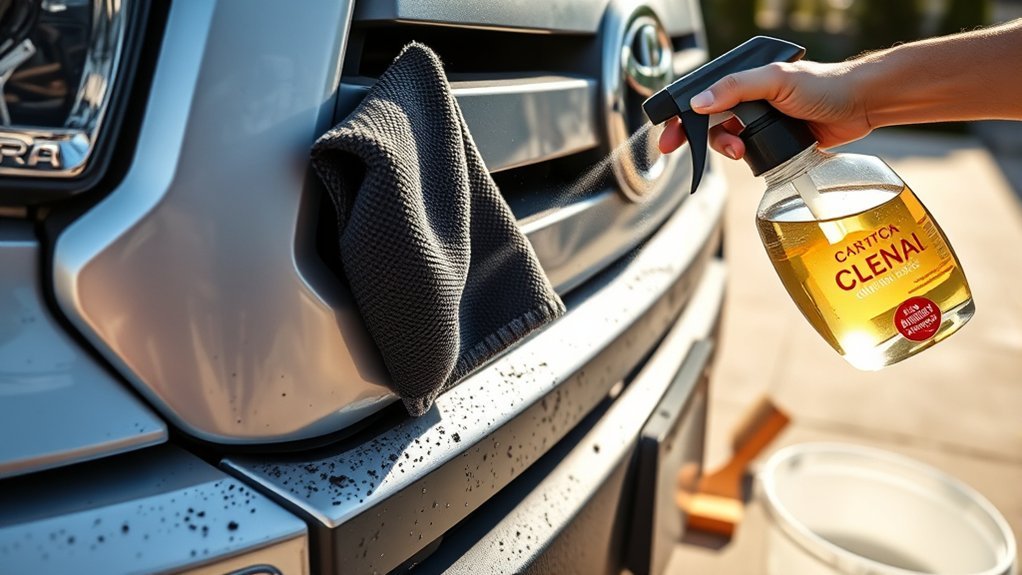
- Spray the tar or bug spots directly. Concentrate on the contamination instead of soaking a whole panel. Yum Cars lists its Tar & Residue product as usable on paint, glass, and plastic trim.
- Let it dwell briefly. Give the cleaner a short working time based on the product label and conditions. Do not let it dry on the surface.
- Wipe gently with microfiber. Use light pressure and straight passes. Turn the towel often so a clean side touches the paint.
- Repeat if needed. For stubborn tar dots, use another light application instead of scrubbing harder.
- Rinse or re-wash. Yum Cars recommends re-washing during decontamination to neutralize remaining product, so rinse thoroughly or wash the treated panel again.
- Dry and protect. Dry with a clean towel, inspect under good light, then apply wax, sealant, or spray ceramic protection.
Warning: Do not use abrasive pads, magic erasers, dry paper towels, hard scrubbing, gasoline, acetone, or lacquer thinner on your Tundra’s paint. If a spot will not lift with repeated gentle chemical passes, stop and inspect before you damage the clearcoat.
[Products Worth Considering]

Meguiar's Gold Class Car Wash combines cleaning and conditioning in one easy step for a smooth, high-gloss finish. Its advanced, biodegradable formula creates rich suds that lift away dirt and road grime while helping preserve existing wax protection. Versatile for bucket washing or foam cannon use, it leaves paint looking radiant, renewed, and ready for a professional-level detail.

EcoNour’s foldable windshield sun shade helps keep your vehicle cooler by reflecting heat and blocking harmful UV rays. Its multi-layer construction and reinforced design protect your dashboard, seats, and electronics while fitting most sedans, SUVs, and pickup trucks. It opens quickly, folds down compactly, and stores easily for everyday driving or travel.

Rain-X Foaming Car Wash is a concentrated cleaner designed to lift dirt, grime, and road residue while helping reduce spots and streaks for a glossy finish. Its biodegradable formula is safe for waxed surfaces and delivers high-foaming cleaning action for an exceptional wash. Ideal for routine vehicle care, it helps leave your car looking clean and bright after every wash.
Prep: Check the Truck and Gather Supplies
Good prep prevents scratches. Before using any tar remover, rinse and wash the area so loose sand, dust, and road grit are not dragged across the paint. Run your hand lightly over the lower doors, rocker panels, bumper, grille surround, mirror caps, windshield, and tailgate area to find rough spots.
Gather these supplies before you start:
- Yum Cars Tar & Residue Remover
- Car shampoo and clean water
- Wash mitt or soft sponge used only for paint-safe washing
- Several clean microfiber towels
- Chemical-resistant gloves
- Eye protection if you are working close to the grille, bumper, or lower panels
- Drying towel or blower
- Wax, paint sealant, or spray ceramic protection
- Optional: detailing clay or clay towel for bonded residue that remains after chemical cleaning
Note: If your Tundra has matte paint, fresh paintwork, vinyl graphics, a ceramic coating, paint protection film, or aftermarket trim, check the care instructions for that surface before using any solvent-style cleaner.
Use Yum Cars Tar & Residue Remover: Safety, Dwell Time & Technique
Yum Cars describes Tar & Residue as a cleaner for tar, organic contamination, and inorganic contamination, and says it can be used on paint, glass, and plastic trim. That does not mean every finish on every truck is risk-free, so use the product carefully and test first.
Use this technique for safer results:
- Work cool: use the product in shade on panels that are cool to the touch.
- Work small: treat a section about the size of a door lower or bumper corner at a time.
- Keep it wet: allow a short dwell, but do not let the cleaner dry on paint, trim, or glass.
- Use light pressure: let the chemical soften the tar; do not force removal with heavy rubbing.
- Flip towels often: once a towel face picks up tar, use a clean side to avoid smearing residue.
- Re-wash after: rinse thoroughly, then wash the treated area before adding protection.
Pro Tip: For dried bugs on the hood, grille, mirrors, or windshield, lay a wet microfiber towel over the area for a few minutes before spraying cleaner. Rehydrating the residue reduces the urge to scrub.
[Products Worth Considering]
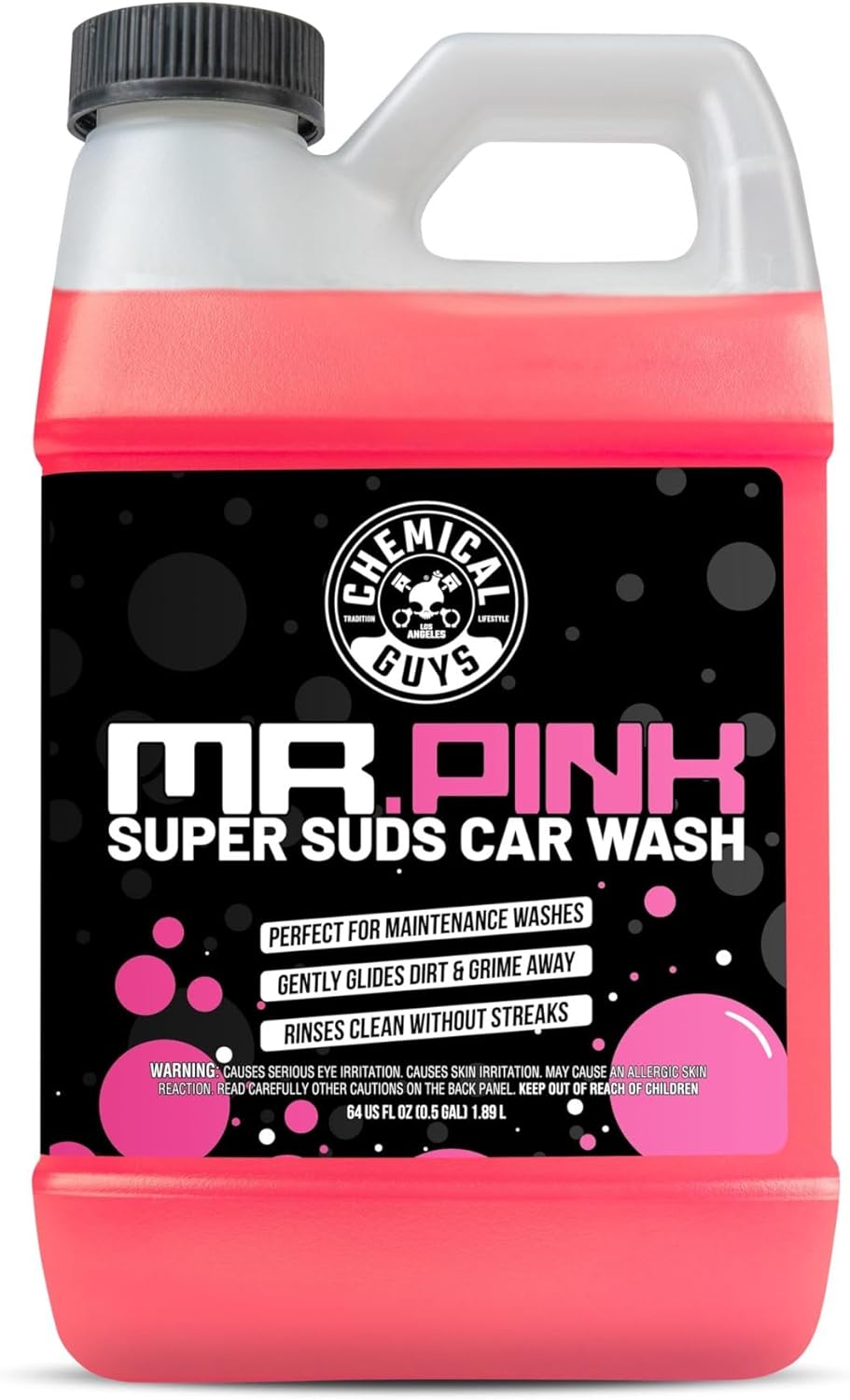
Chemical Guys Mr. Pink Car Wash Soap delivers thick, luxurious foam for safe and effective washing with a foam cannon, foam blaster, or bucket. Its pH-balanced formula helps lift dirt and grime while protecting wax, sealants, and ceramic coatings, leaving paint, glass, wheels, and trim clean and glossy.

Chemical Guys Swift Wipe Waterless Car Wash Spray lets you clean, shine, and protect your vehicle without a hose or bucket. Its high-lubrication formula lifts dirt and grime while helping reduce scratches and swirl marks, leaving a glossy, streak-free finish on paint, glass, wheels, chrome, and plastic. Ideal for quick detailing anywhere, it adds a protective layer that helps repel dust and keep your vehicle looking freshly washed longer.

SO EASY TO GET RESULTS (CWS_104_16SW) - Add this car wash bug remover to a wash bucket or foam cannon for maximum coverage; rinse easily without streaking or residue
Tundra Surfaces: Tips for Paint, Glass, Trim, Wheels & Tires

Different parts of your Tundra need different pressure and product choices. Tar remover is useful for sticky tar and residue, but it is not a replacement for every cleaner in your detailing kit.
| Surface | Best approach | Caution |
|---|---|---|
| Paint | Wash first, spray tar remover on spots, dwell briefly, wipe with clean microfiber, rinse, and protect. | Do not scrub chips, scratches, or soft clearcoat. |
| Glass | Spray lightly, wipe with microfiber, then clean with glass cleaner if streaks remain. | Avoid letting residue run into rubber seals. |
| Plastic trim | Spot-test first, use short dwell time, and rinse well. | Old, textured, or faded trim may stain or hold residue. |
| Wheels | Use tar remover only for tar spots on a compatible, cool wheel finish after testing. | Use a dedicated wheel cleaner for brake dust and iron contamination. |
| Tires | Use a tire cleaner for browning and road film. | Do not rely on tar remover as a tire dressing or rubber protectant. |
| PPF, decals, wraps, matte finishes | Check the installer or manufacturer care instructions and test first. | Avoid soaking edges or rubbing aggressively. |
[Products Worth Considering]

Exact Color Match: Designed for Blizzard Pearl Tricoat(070), this automotive paint is made for car touch up paint repairs on matching paint code vehicles, helping small repaired areas blend smoothly with the original pearl-style finish
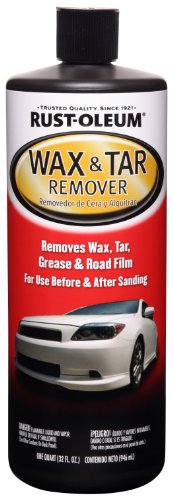
RUST-OLEUM REMOVER WAX & TAR 32OZ 251475

Perfect for small scratches and chips
What Not to Do When Removing Tar and Bugs
Most paint damage happens when you rush the wiping step. Avoid these common mistakes:
- Do not dry-wipe bugs. Dried insect shells and road grit can scratch paint.
- Do not use heavy pressure. Repeat gentle chemical passes instead.
- Do not let tar remover dry. Work in smaller sections if weather is warm or windy.
- Do not use household solvents without testing. Strong solvents can dull paint, stain trim, or strip protection.
- Do not skip protection. Tar removers can reduce wax or sealant, leaving the panel less protected.
Troubleshooting, Aftercare, and When to Call a Pro
If tar or bug residue will not lift after the first pass, do not force it. Apply another light coat, let it work briefly, and wipe with a fresh microfiber towel. Several gentle rounds are safer than one aggressive scrub.
Use this troubleshooting guide:
- Tar smears instead of lifting: your towel is overloaded. Switch to a clean towel face and re-wash the area.
- Small black dots remain: repeat a short dwell cycle. If they still remain, wash again and consider a clay towel or detailing clay with proper lubrication.
- Paint feels rough after cleaning: bonded contamination may remain. Chemical tar removal can be followed by iron removal and clay if the paint is otherwise healthy.
- Bug marks remain after residue is gone: the residue may have stained or etched the clearcoat. A detailer may need to inspect, polish, or correct the area.
- Trim looks blotchy: stop using the cleaner on that trim and rinse thoroughly. Use a trim-safe cleaner or ask a detailer before applying more product.
After cleaning, rinse thoroughly, re-wash the treated areas, dry with a clean microfiber towel, and apply wax, paint sealant, or spray ceramic protection. This matters because tar removers and products such as WD-40 can soften or remove existing wax or polish coatings.
The safest tar-removal technique is patience: soften the spot, wipe lightly, inspect, and repeat. Pressure is what turns a small tar dot into a clearcoat scratch.
Call a professional detailer if you see paint swelling, discoloration, etching, deep scratches, peeling film, or stains that remain after careful cleaning. Stop immediately if you are working on fresh paint, matte paint, or unknown aftermarket finishes and the test spot reacts poorly.
Frequently Asked Questions
How do I get road tar off my truck?
Wash the area first, then apply a dedicated tar remover such as Yum Cars Tar & Residue Remover to the tar spots. Let it dwell briefly, wipe gently with a clean microfiber towel, repeat if needed, then rinse or re-wash and protect the paint.
How do you get tar and bugs off your car without scratching it?
Start with a rinse and gentle wash to remove loose grit. For bugs, rehydrate dried splatter with a wet microfiber towel before wiping. For tar, use a tar remover, short dwell time, and light microfiber passes. Never dry-wipe or scrub aggressively.
Will WD-40 remove road tar?
Yes, WD-40 can help remove road tar, but it should be spot-tested first. WD-40 notes that it may soften or remove wax or polish coatings, so wash the treated area afterward and reapply protection. A dedicated automotive tar remover is the better first choice for regular detailing.
Can bug splatter damage Tundra paint?
Yes. Bug residue can stain or etch clearcoat, especially when it dries in sun and heat. Clean heavy bug splatter as soon as practical, especially after highway driving, road trips, or warm-weather night driving.
Do I need to wax after removing tar?
Yes, it is a good idea. Tar removers and solvent-style cleaners can reduce existing wax or sealant. After you rinse, re-wash, and dry the panel, apply fresh wax, sealant, or spray ceramic protection to make future cleanup easier.
Conclusion
Removing tar and bugs from your Tundra is mostly about control: cool paint, clean towels, short dwell time, gentle wiping, and a proper rinse afterward. Use Yum Cars Tar & Residue Remover on compatible surfaces, spot-test sensitive areas, and avoid the temptation to scrub. Once the residue is gone, re-wash the treated panels and add wax or sealant so the paint is protected for the next drive.
Sources
- Yum Cars Tar & Residue official product page — product compatibility and recommended decontamination sequence.
- Toyota 2026 Tundra Manuals and Warranties — model-specific owner manual access.
- Toyota exterior-care guidance — prompt washing guidance for coal tar, tree sap, insects, droppings, and paint contamination.
- WD-40: How to Remove Tar From Car Surfaces — WD-40 tar-removal method and warning that it may soften or remove wax or polish.