
What’s in This Article
Rust can turn a strong Tundra frame into an expensive safety problem if salt and moisture stay trapped underneath. You can’t stop every speck of oxidation, but you can slow corrosion with clean metal, regular rinsing, and the right coating. This guide gives you a clear routine for cleaning, inspecting, coating, and touching up frame rust before it spreads.
Quick Answer
You can help prevent Tundra frame rust by washing the undercarriage often during salt season, drying it well, and treating clean metal with a proper rust inhibitor. Use Fluid Film or another lanolin or oil-based coating for yearly protection, or use POR-15 only after strict surface prep. Fix surface rust early, and get a frame shop involved if you see deep flakes, holes, soft metal, or cracked mounts.
Key Takeaways
- Wash the undercarriage after heavy salt exposure so salt does not sit on frame rails and seams.
- Inspect welds, crossmembers, leaf spring mounts, axle areas, and fasteners before you apply any coating.
- Use lanolin or oil-based coatings for yearly maintenance and POR-15 only after proper cleaning and prep.
- Do not coat over wet dirt, loose scale, trapped salt, or soft metal.
- Call a professional if rust has reached holes, swelling seams, deep pitting, or structural mounting points.
Quick Checklist: Prevent Tundra Frame Rust
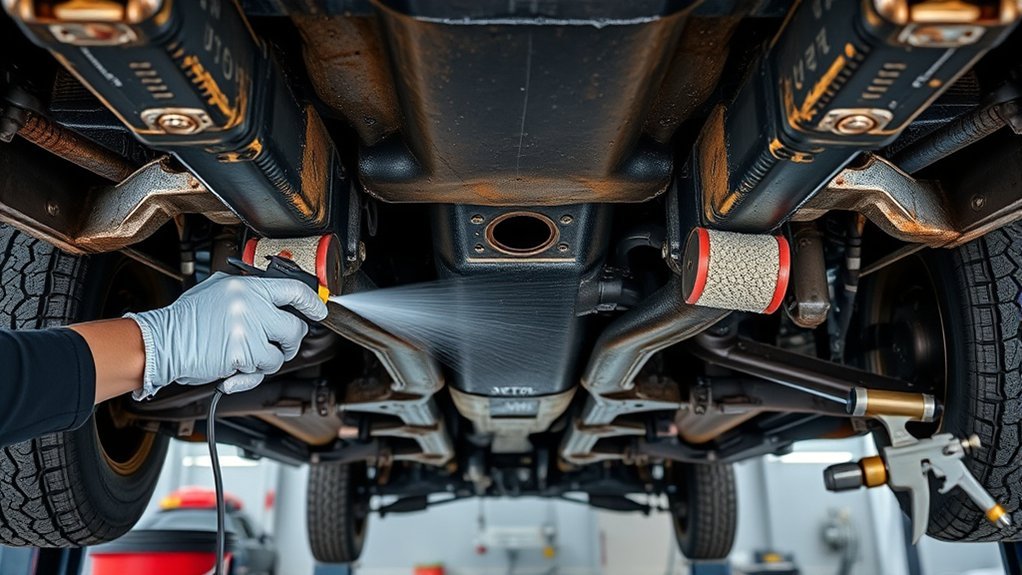
Start with a simple routine you can repeat each season. Wash the underside during winter, inspect the frame with a bright light, treat surface rust early, and reapply a rust inhibitor before salt season starts.
Focus on the spots that trap moisture: boxed frame sections, welds, seams, crossmembers, leaf spring mounts, rear axle areas, brake line brackets, fuel tank support areas, and skid plate edges. Keep a short service log with the date, mileage, product used, and areas treated.
- Rinse the undercarriage after driving on heavily salted roads.
- Inspect frame rails, welds, seams, mounts, and suspension points.
- Remove loose rust before you apply any coating.
- Apply a rust inhibitor to clean and dry metal.
- Recheck problem spots at least once per season.
Skip bolt-on sacrificial anodes as a routine frame fix. Cathodic protection needs proper design, electrical continuity, and the right electrolyte conditions, so it does not work like a simple add-on for a normal truck frame.
Prepare the Tundra Undercarriage Before You Treat Rust
Estimated total time: Plan 2 to 4 hours for a basic wash, dry, inspection, and coating. Add more time if you need to remove loose scale or touch up several rust spots.
[Products Worth Considering]

This master ball joint removal kit gives you the tools needed to remove and install ball joints, tie rod ends, Pitman arms, and other front-end components. It is designed for broad compatibility with many GM, Chevrolet, Ford, and Dodge vehicles, including a range of light trucks, vans, and SUVs. Built from forged steel and stored in a molded ABS case, it offers durable performance and organized portability for garage or shop use.

This adjustable foam cannon delivers thick, even foam for efficient pressure washer cleaning and comes with a dual connector for smooth switching between soap application and rinsing. Designed for use with a pressure washer, it includes multiple nozzle tips and an adjustable spray pattern to tackle vehicles and a wide range of outdoor cleaning jobs with ease.

This 6 pack wire brush set helps remove rust, corrosion, paint, spatter, and scale from metal surfaces with ease. It includes cup, wheel, and pen brushes with a quick-change hex shank for use on most drills and die grinders. Designed for smooth operation and hard-to-reach areas, it is a practical choice for garage, workshop, and restoration tasks.
What You’ll Need
- Rated ramps or jack stands
- Wheel chocks
- Eye protection and gloves
- Pressure washer or strong underbody rinse tool
- Petroleum-safe degreaser
- Wire brush or scraper
- Bright inspection light
- Flexible spray wand or extension nozzle
- Rust inhibitor, rust converter, primer, or touch-up paint as needed
Warning: Never crawl under a truck held only by a jack. Use rated stands or ramps on solid ground, block the wheels, and wear eye protection.
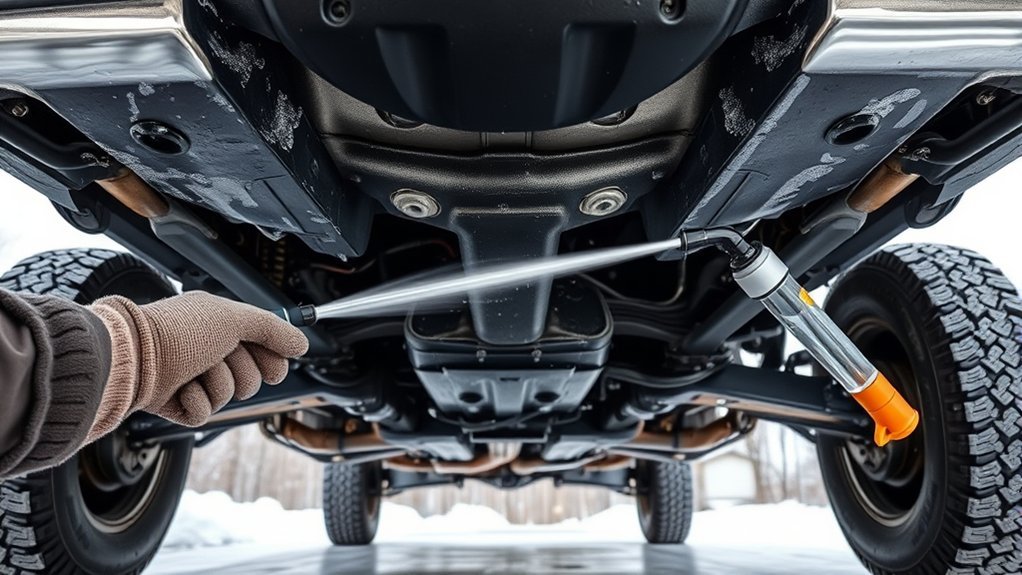
Lift the Tundra safely, then rinse the undercarriage to remove salt, mud, and grit. Aim the spray at frame rails, welds, crossmembers, leaf springs, spring eyes, rear axle areas, fuel tank supports, and brackets where grime collects.
After washing, let the underside dry fully. Use a light and scraper to check for bubbling paint, loose scale, deep pits, soft metal, and rust around mounting points. Do not coat over trapped salt or wet debris because that can hide damage and make later repairs harder.
Which Rust Coating Should You Use on a Tundra Frame?
Your best coating depends on the frame condition, your climate, and how much prep work you can do. Fluid Film and similar lanolin or oil-based products work well for yearly maintenance because they creep into seams and stay soft.
Fluid Film does not remove rust, but the maker says it can penetrate existing rust and slow further spread when you apply it over stable rusty metal. It remains wet, so it can collect some dust, but it does not dry into a hard shell.
POR-15 fits a different job. Use it when you can clean, degrease, prep, and dry the metal correctly. POR-15’s own guidance calls for cleaning, metal prep, and two thin coats, so do not brush it over salt, oil, wet scale, or hidden corrosion.
Wax and oil treatments offer simple seasonal protection, but they need regular inspection. Hard rubberized coatings need extra care because cracks or poor prep can trap grime behind the coating.
[Products Worth Considering]
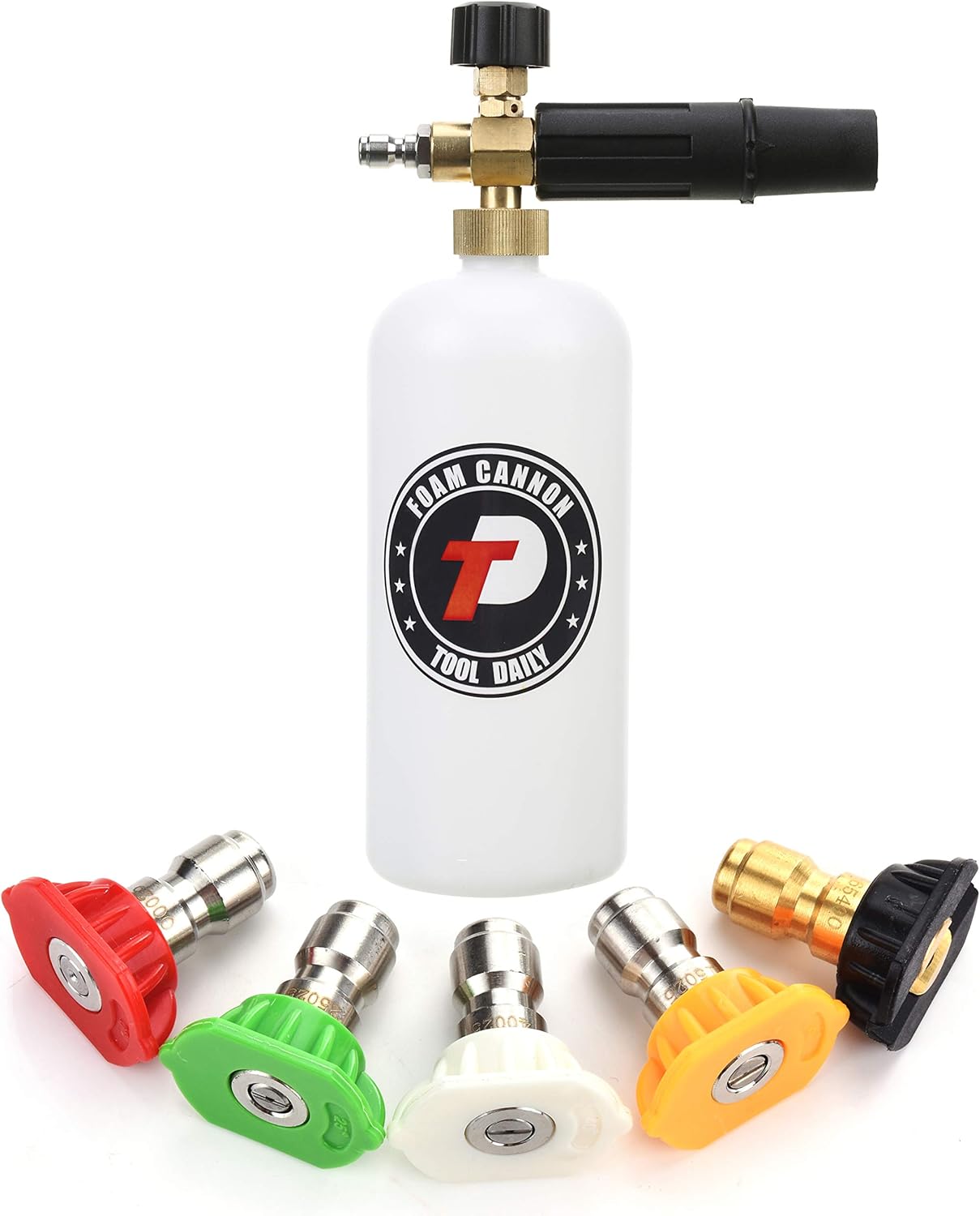
This foam cannon is designed to create thick, adjustable foam for more effective vehicle and surface cleaning when paired with a compatible pressure washer. It includes a 1/4 inch quick connect fitting, a 1 liter bottle, and five nozzle tips for versatile spray angles and applications. Ideal for washing cars, motorcycles, driveways, siding, roofs, windows, and other outdoor cleaning tasks.

This pressure washer gun and foam cannon combo is designed for efficient vehicle and outdoor cleaning with strong spray control and quick-change convenience. It connects to compatible pressure washer hoses and includes multiple nozzle tips plus an adjustable snow foam lance for washing cars, motorcycles, driveways, siding, and more. Built for flexible detailing and deep cleaning, it helps create thick foam and targeted spray patterns for better results.

These Amazon Basics steel jack auto stands provide dependable support for vehicle maintenance with a self-locking ratchet design for easy height adjustment. Built from durable steel with a rustproof coating, they meet recognized safety standards and are designed for sedans and urban SUVs. The pair offers a stable, easy-to-read solution for routine garage work and comes backed by a limited warranty.
How to Apply Fluid Film to the Frame, Axle, and Springs
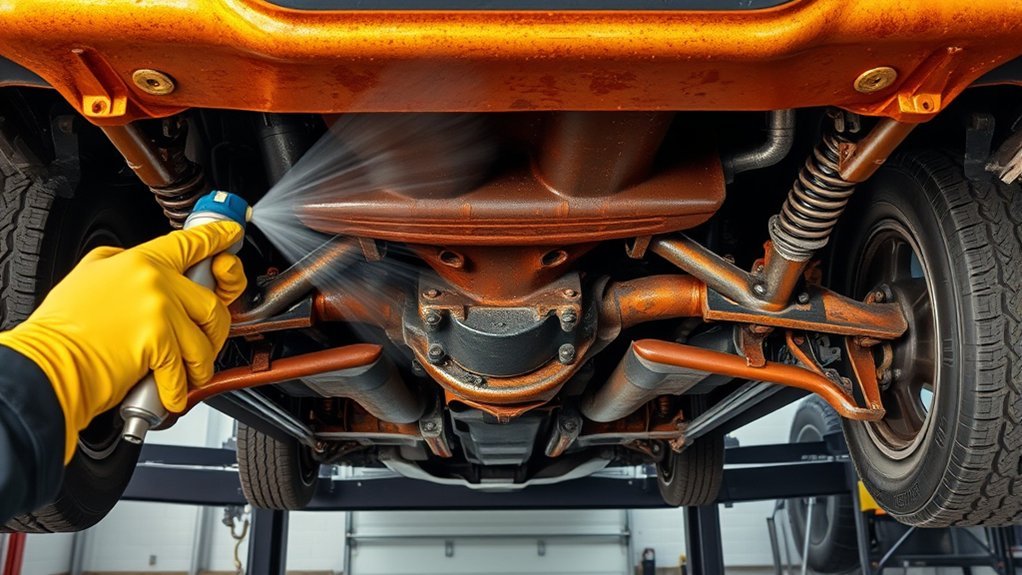
Fluid Film works best after you remove loose dirt, salt, and flaking rust. You can use aerosol cans for a small job or bulk product with an undercoating gun for better coverage.
- Wash the undercarriage. Rinse frame rails, crossmembers, axle areas, leaf springs, and brackets until salt and mud come off.
- Degrease oily areas. Clean grease or oil from spots where coating needs to cling.
- Remove loose scale. Scrape or wire-brush flaking rust, but do not grind into thin or weak metal.
- Dry the frame fully. Let the truck sit until seams and pockets no longer hold water.
- Apply the coating in sections. Spray frame rails, seams, welds, spring eyes, axle areas, and brackets with overlapping passes.
- Reach hidden cavities. Use a flexible wand for inside rails and boxed areas where road spray collects.
- Record the work. Note the date, product amount, problem areas, and any rust you need to recheck.
For a first pass, many owners use several aerosol cans, but the exact amount depends on frame size, surface condition, and how heavily you coat hidden areas. Apply enough product to leave a visible film without spraying brakes, exhaust, belts, tires, or hot components.
[Products Worth Considering]

This heavy-duty ball joint press kit makes it easier to remove and install press-fit components like ball joints, U-joints, and brake anchor pins on many 2WD and 4WD vehicles without removing the control arm. Built from forged steel with corrosion-resistant black oxide adapters, it is designed for reliable performance and long service life. The included 4WD adapter and organized carrying case make it a practical choice for automotive suspension and steering repairs.

This foam cannon creates thick snow foam for washing cars, trucks, and other vehicles, helping lift dirt and grime for a safer, scratch-resistant clean. It connects quickly to compatible pressure washers and lets you adjust the spray pattern and foam mix for better control. Built with a solid-brass body and durable components, it is designed for dependable cleaning performance.

This flexible oil funnel is designed to make fluid changes cleaner and easier by guiding oil around obstacles like skid plates and crossmembers. Its shape-retaining core and silicone body can be molded for custom positioning, while the heat-resistant, leak-proof design helps prevent spills during draining and filter removal. Reusable and easy to clean, it works well for cars, trucks, motorcycles, and other hard-to-reach fluid fill or drain applications.
Common Mistakes to Avoid
- Do not coat over wet salt or thick mud.
- Do not spray brake rotors, pads, belts, tires, or exhaust parts.
- Do not hide deep rust under a fresh coating.
- Do not assume one application will protect the frame forever.
Seasonal Schedule and Quick Fixes for Rust Spots
Road salt and moisture speed up corrosion, so set a winter routine before roads get messy. Wash the underside every 2 to 4 weeks during salt season, and rinse sooner after heavy salt exposure or slushy highway driving.
Inspect the same spots after each wash: frame rails, crossmembers, leaf springs, axle seams, brake line brackets, fuel tank supports, skid plate edges, and tie rod areas. Reapply lanolin or oil-based protection before winter, then touch up thin spots during the season.
For small surface rust, remove loose scale with a wire brush, clean the spot, apply rust converter if the product instructions call for it, then prime and paint bare metal before you recoat. Keep the repair small and clean so you can see whether the rust returns.
When You Need a Professional Frame Inspection
Call a frame or truck repair shop if you find holes, swelling seams, deep pitting, cracked brackets, soft metal, or rust around suspension and body mounts. Do not cover structural rust with coating and keep driving as if the frame remains sound.
Frequently Asked Questions
How Do You Keep Road Salt From Rusting a Car?
You keep road salt from rusting a car by rinsing the undercarriage often, cleaning seams and brackets, and treating bare metal quickly. A protective underbody coating helps, but it works best when you apply it to clean, dry metal.
What Is the Toyota Frame Rust Lawsuit?
The key official record for early Tundras is Toyota’s Limited Service Campaign A0F for certain 2000 through 2003 Tundras. Toyota said cold climates with high road salt use contributed to frame corrosion perforation, and dealers inspected eligible trucks under program terms.
Does Spraying WD-40 Prevent Rust?
WD-40 Multi-Use Product can displace moisture and protect small metal parts from rust. Use it for light hardware or short-term help, not as your main Tundra frame undercoating.
How Long Does Toyota Rust Proofing Last?
No single lifespan fits every Toyota rustproofing product or climate. Lanolin and oil-based coatings often need yearly inspection and reapplication in salt regions, while hard coatings need proper prep and regular checks for chips or cracks.
Safety Disclaimer: This article is for informational purposes only and does not replace a professional frame inspection. Ask a qualified mechanic or frame repair shop to inspect any deep rust, holes, cracks, or weakened mounting points before you keep driving.
Conclusion
The best way to slow Tundra frame rust is to keep salt off the frame, inspect early, and coat only clean, dry metal. Start with a safe undercarriage wash, treat small rust spots, and apply the right coating before winter roads create more damage.
Check the same high-risk areas each season so small rust does not turn into a frame repair. A steady routine protects your truck better than one rushed coating job after corrosion has already spread.
References
- Winter is Coming! And with it, tons of salt on our roads, U.S. Environmental Protection Agency
- Protecting Your Car from Road Salt Damage, AAA / Auto Club Group, 2026
- AAA Warns Drivers: Winter Road Salt Can Cause Hidden Vehicle Damage, AAA / Auto Club Group, 2026
- FLUID FILM Powerful Corrosion Protection and Lubrication, Fluid Film
- Fluid Film FAQ, Fluid Film
- Automotive Applications, Fluid Film
- Learn with POR-15: Rust Prevention Tips and How-Tos, POR-15
- Limited Service Campaign A0F, Certain 2000 through 2003 Model Year Tundra Vehicles, Frame Rust Corrosion Perforation, Toyota via NHTSA, 2010
- WD-40 Multi-Use Product, WD-40 Asia
- Cathodic Protection and Corrosion Engineering Basics, Elsyca




[…] first because service needs can change by engine family. Walk away from trucks with serious frame rust, slipping transmission symptoms, weak maintenance records, or repair costs that exceed the […]