To extend Toyota Tundra transmission life, use the exact ATF and level-check procedure for your model year, control heat when towing, and diagnose leaks or shift changes early. For a 2026 U.S. Tundra, Toyota’s schedule includes a transmission leakage check at 30,000 miles, automatic-transmission-fluid inspections at 60,000, 90,000, 120,000, and 150,000 miles, and ATF replacement at 60,000 and 120,000 miles when the truck is driven primarily while towing a trailer, using a car-top carrier, or under heavy vehicle loading. Older Tundras can use different transmissions and procedures, so do not copy one interval across every generation.
Last updated: September 16, 2026 — the 2026 maintenance schedule and current Toyota transmission service-bulletin information were rechecked. This guide does not replace VIN- and powertrain-specific Toyota repair information.
Quick Answer
To extend a Tundra transmission’s life, do a quick leak check regularly, use only the Toyota-specified ATF, and follow the Tundra maintenance schedule for your exact model year and powertrain. For a 2026 U.S. truck driven primarily while towing, using a car-top carrier, or under heavy vehicle loading, Toyota lists ATF replacement at 60,000 and 120,000 miles. Stop and follow the owner’s manual if a high transmission-temperature warning appears.
Key Takeaways
- Do not assume every Tundra has a dipstick. Many Toyota WS-fluid automatics are sealed and require a specific level-check procedure.
- Use the exact ATF specification listed for your model year, commonly Toyota Genuine ATF WS on later Tundras.
- For 2026 U.S. trucks, Toyota lists ATF replacement at 60,000 and 120,000 miles when driven primarily while towing, using a car-top carrier, or under heavy vehicle loading. Other harsh-use conditions can trigger extra inspections, but they do not create one universal ATF interval.
- Transmission coolers and in-line filters can help hard-working trucks, but poor installation can cause leaks, flow restriction, or warranty issues.
- Slipping, delayed engagement, burnt odor, red fluid leaks, grinding, or a temperature warning means it is time to stop and diagnose the problem.
At a Glance
| Time Required | A few minutes for a basic leak check; fluid-service time varies by transmission and procedure |
| Difficulty | Easy for inspection; moderate to advanced for sealed-transmission service |
| Tools Needed | Flashlight, clean cardboard, maintenance log, scan tool for temperature-based service, correct ATF, torque wrench |
| Cost | Low for inspection; moderate for fluid service; higher for cooler, valve-body, or leak repairs |
2026 Factory ATF Schedule at a Glance
| 30,000 miles | Inspect the automatic transmission for signs of leakage as part of scheduled maintenance. |
| 60k / 90k / 120k / 150k | Inspect automatic transmission fluid at these scheduled checkpoints in the 2026 guide. |
| 60,000 & 120,000 miles | Replace ATF when the truck is driven primarily while towing a trailer, using a car-top carrier, or under heavy vehicle loading. |
| Any model year | Use the guide for the exact year and powertrain; do not apply the 2026 schedule to older Tundras automatically. |
Match Maintenance to Your Tundra’s Model Year
The first rule is simple: do not copy a service procedure from a different generation. Tundras have used different automatic transmissions, fluid specifications, cooler setups, and level-check methods. Older trucks may have a dipstick. Many later Toyota automatics that use WS fluid are sealed and use a model-specific level-setting procedure. Toyota also publishes a separate 2026 Warranty & Maintenance Guide for the Tundra i-FORCE MAX, so confirm the model year and powertrain before applying any interval or procedure.
For newer Tundras, Toyota’s maintenance data lists Toyota Genuine ATF WS or an equivalent fluid that matches the required specification. Toyota also warns that using the wrong automatic transmission fluid can cause abnormal noise, vibration, or transmission damage. Before buying fluid, filters, or cooler parts, confirm the exact transmission, engine, drivetrain, and model year.
| Item | Best Practice | Why It Matters |
|---|---|---|
| Fluid type | Use the exact Toyota-specified ATF for your model year. | Wrong fluid can change shift feel, raise wear, or damage the unit. |
| Fluid level | Use a dipstick only if equipped; sealed units require the proper temperature and overflow procedure. | Overfilling and underfilling can both cause shift and overheating problems. |
| Service interval | Use Toyota’s manuals and warranty lookup to open the guide for your exact model year and powertrain. | Towing and heavy loading can move the truck into special operating conditions. |
| Warning messages | Follow the owner’s manual immediately if a transmission-temperature warning appears. | Continuing to drive while overheated can turn a service issue into a rebuild. |
Warning: Do not open a hot transmission, loosen cooler lines, or crawl under a truck supported only by a jack. Hot ATF can burn skin, and an unstable truck can cause serious injury. Use jack stands, wheel chocks, eye protection, and the correct service procedure.
How Often Should You Check or Change Tundra Transmission Fluid?
Check for leaks monthly, even if your Tundra has a sealed transmission. Park on clean pavement or slide clean cardboard under the transmission area overnight. Look for red, reddish-brown, or dark oily spots near the pan, cooler lines, radiator area, and transfer case. A sealed transmission should not need routine top-offs; if fluid is disappearing, there is a leak that needs diagnosis.
If your Tundra has a dipstick, check the fluid only the way the owner’s manual describes. Some procedures require the engine running, the transmission warm, and the truck level. Other trucks require a temperature-based overflow-plug method. Guessing is risky because an automatic transmission can shift poorly when the level is too low or too high.
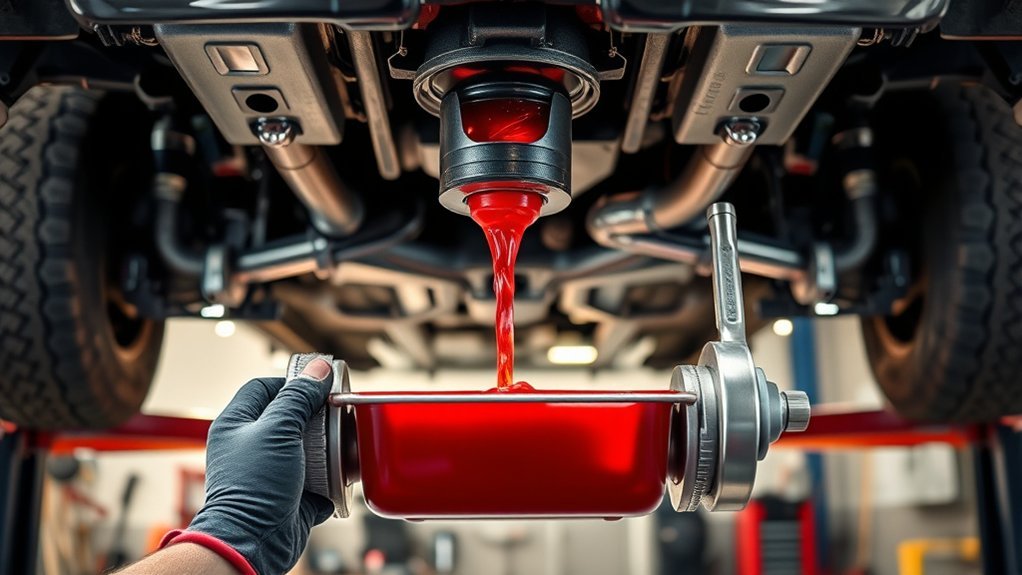
The safest interval is the one in your model-year Toyota maintenance guide. For the 2026 U.S. Tundra, the 30,000-mile schedule includes an automatic-transmission leakage inspection, while automatic-transmission-fluid inspections are listed at 60,000, 90,000, 120,000, and 150,000 miles. Toyota lists ATF replacement at 60,000 and 120,000 miles when the truck is driven primarily while towing a trailer, using a car-top carrier, or under heavy vehicle loading. For the detailed interval breakdown, see the Tundra transmission-fluid interval guide. Symptoms, leakage, or repeated heat warnings call for diagnosis rather than waiting for the next mileage checkpoint.
Pro Tip: Keep a simple maintenance log with date, mileage, fluid type, service type, towing use, and any temperature warnings. A pattern of hotter operation or delayed engagement is easier to diagnose when you have records.
What Transmission Fluid Does a Toyota Tundra Use?
“High-quality synthetic fluid” is not specific enough for a Tundra transmission. Use the fluid specification Toyota lists for your model year. Many late-model Tundras use Toyota Genuine ATF WS, but older trucks and non-U.S. applications may differ. A universal ATF that claims broad compatibility is not automatically the right choice.
If your truck already has a burnt odor, slipping, delayed engagement, abnormal debris, or a transmission warning, do not choose a service method from fluid color alone. Scan for codes, verify the level by the correct procedure, inspect for leaks and debris, and use the service method specified for that transmission. A machine flush should not be substituted for the model-specific procedure without supporting Toyota service information.
[Products Worth Considering]
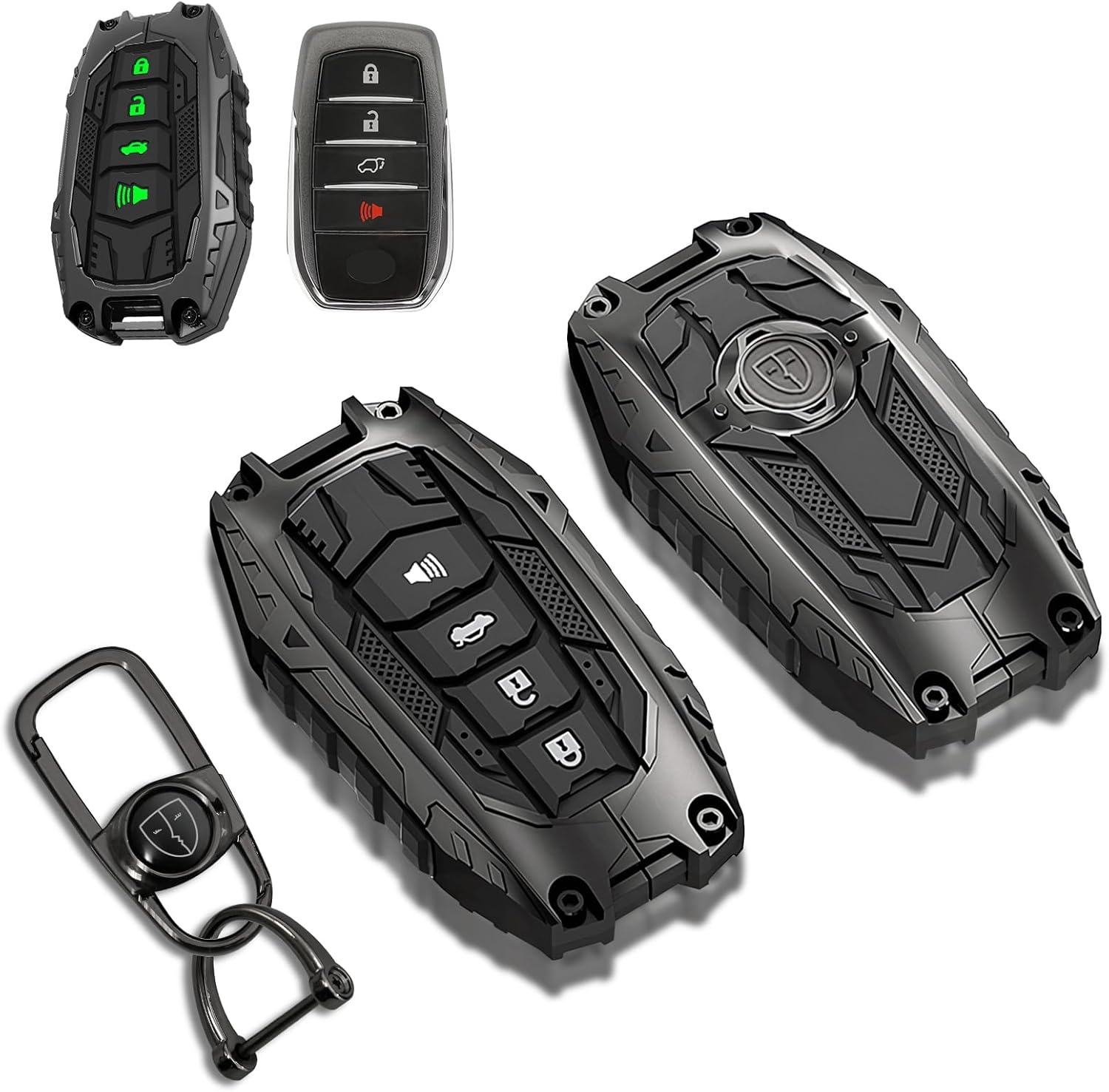
This mech-style metal key fob cover adds a sleek armored look while helping protect your Toyota key from scratches, drops, and everyday wear. Designed for compatible 4-button Toyota smart keys, it preserves full remote functionality with no signal interference and includes glow-in-the-dark buttons for easier nighttime use.

This steering clock spring is designed to restore reliable steering wheel controls across a wide range of Toyota models. It supports audio, cruise control, and other multifunction commands while matching OEM part numbers for confident replacement fitment. Built for dependable signal transfer and straightforward installation, it is an effective solution for repairing steering column control issues.

These heavy-duty running board side steps are designed to improve access to your Toyota Tundra without reducing ground clearance. Built for Double Cab and CrewMax front door applications, they offer practical convenience for everyday entry, roof loading, and off-road use. The durable iron construction and easy no-drill installation make them a reliable upgrade for rugged driving.
Inspect and Service the Valve Body and Transmission Filter
The valve body directs hydraulic pressure through the transmission. Contaminated fluid, varnish, restricted passages, worn solenoids, or debris can create delayed shifts, flare shifts, harsh engagement, and slipping. This is not a “clean it with a spray can” job on modern electronically controlled transmissions. If the valve body needs service, use a qualified transmission shop or Toyota technician.
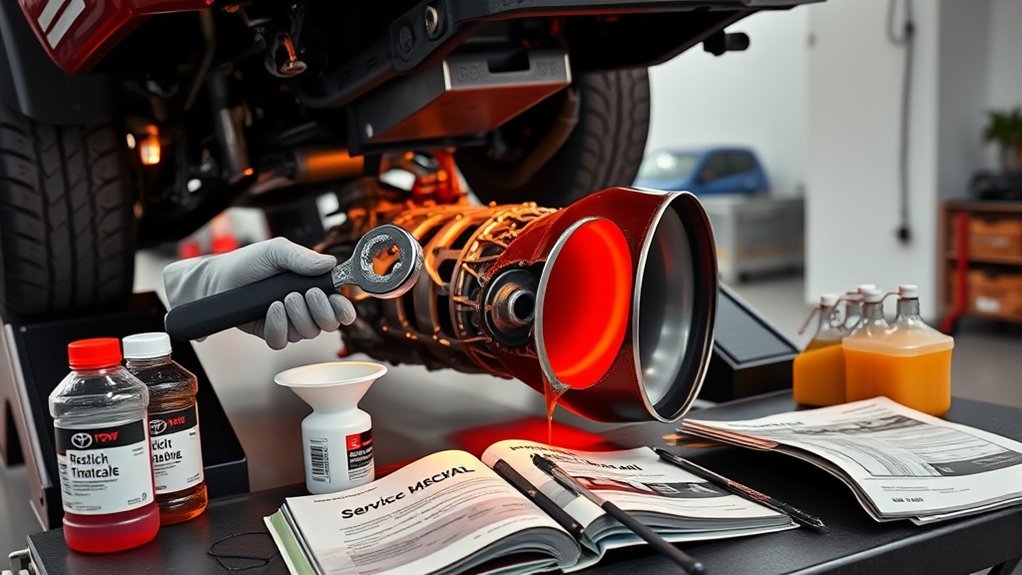
The transmission filter or strainer also depends on the exact unit. Some services are simple drain-and-fill jobs. Others require pan removal, a gasket, a strainer, magnets cleaned, and fasteners torqued in sequence. Replace the filter or strainer when the service procedure calls for it, when the pan is already being removed, or when diagnostics show restricted flow.
Note: A small amount of fine gray material on the pan magnets can be normal wear. Shiny metal flakes, chunks, clutch material, or a burnt smell point to a problem that needs diagnosis before more towing or long-distance driving.
Factory-first decision rule: Before adding a cooler, in-line filter, shift kit, or valve-body modification, first verify the correct ATF and level, repair leaks, scan for codes, and confirm the symptom under the conditions that trigger it. Modify the system only when the exact transmission, plumbing, and diagnostic data support the change.
Add the Right Auxiliary Transmission Cooler: Sizing & Placement
An auxiliary transmission cooler can help a hard-working Tundra, especially one that tows frequently, climbs long grades, or works in hot weather. The goal is to reduce peak fluid temperature without creating leaks, flow restriction, poor warm-up behavior, or warranty problems.
Choose the cooler by application, not by a random “quart” number. A proper cooler choice depends on trailer weight, gross combined weight, ambient temperature, airflow, available space, hose routing, pressure drop, and whether your truck already has a factory cooler or heat exchanger. A stacked-plate or plate-and-fin cooler is often preferred for heavy-duty use because it can reject heat efficiently in a compact package, but installation quality matters as much as cooler style.
Place the cooler where it gets steady airflow, usually ahead of the radiator/condenser stack or in another location recommended by the cooler manufacturer. Use quality hoses, clamps or fittings designed for ATF service, abrasion protection, and secure brackets. Keep lines away from exhaust heat and sharp edges, and pressure-test for leaks before towing.
Warning: Adding a cooler to a late-model or warranty-covered Tundra can affect warranty conversations if the installation leaks or changes system behavior. Before modifying a newer truck, ask a Toyota dealer or transmission specialist whether the cooler is appropriate for your model.
[Products Worth Considering]

This comprehensive master disconnect tool kit is designed to remove fuel lines, A/C lines, transmission cooler lines, and other quick-connect fittings on a wide range of vehicles. It includes multiple color-coded tools and sizes to help speed up repairs, reduce line damage, and improve workflow for DIY users and professional technicians alike. The set comes organized in a portable case for easy storage, transport, and quick access.
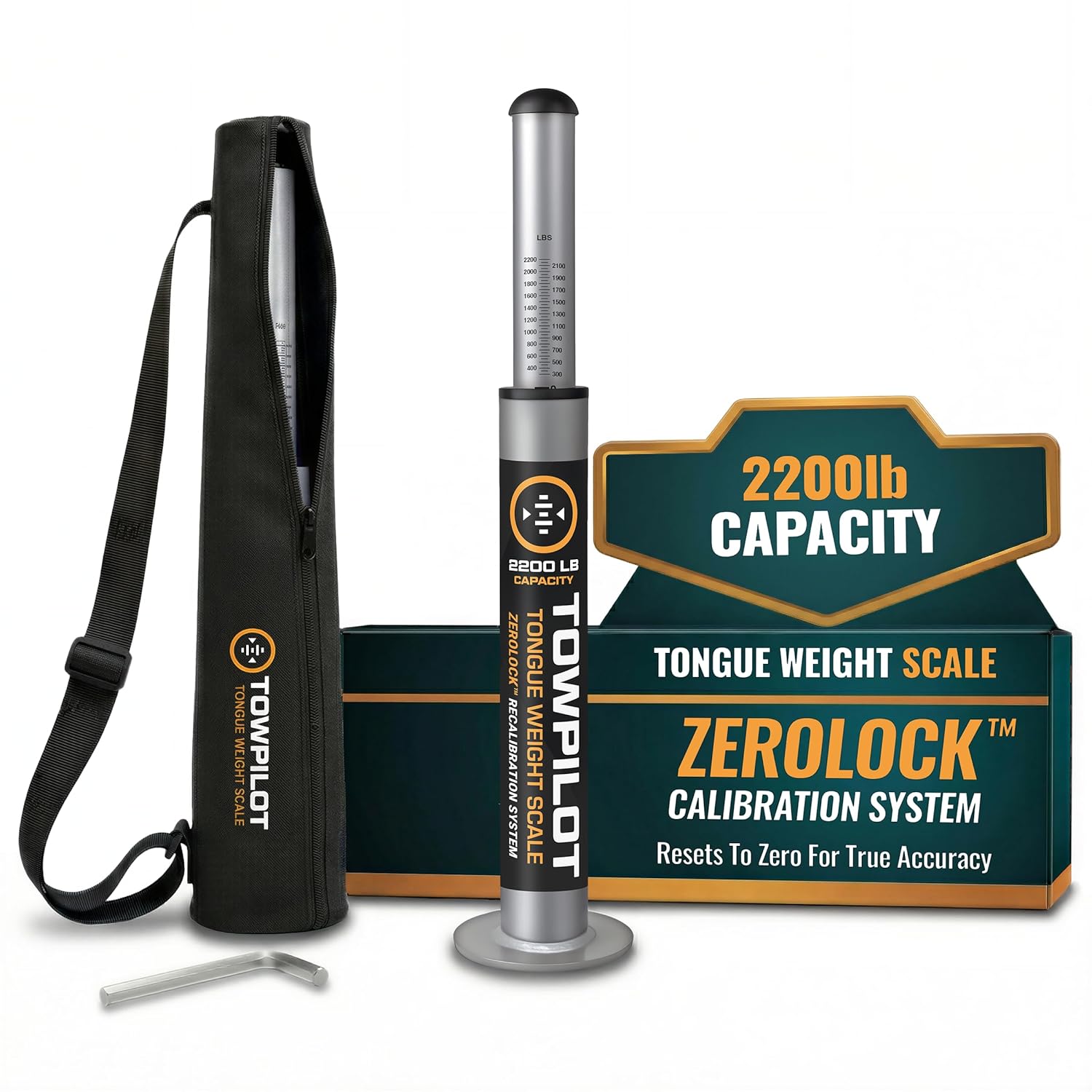
This trailer tongue weight scale helps you check hitch weight quickly and accurately before towing, reducing sway and improving overall safety. Built with durable steel and a spring mechanism, it works without batteries and includes a recalibration feature to maintain true-zero accuracy over time. It is designed for RVs, campers, and utility trailers, with a top plate that helps protect your coupler during use.

This brake bleeder hose kit helps remove old brake fluid and air from motorcycle brake and clutch systems quickly and efficiently. Its one-way check valve prevents air from being drawn back into the system, while the easy-to-connect clips make bleeding simple for routine maintenance. Built for reliable use, it is a practical tool for keeping motorcycle braking performance responsive.
When Does an In-Line ATF Filter Make Sense?
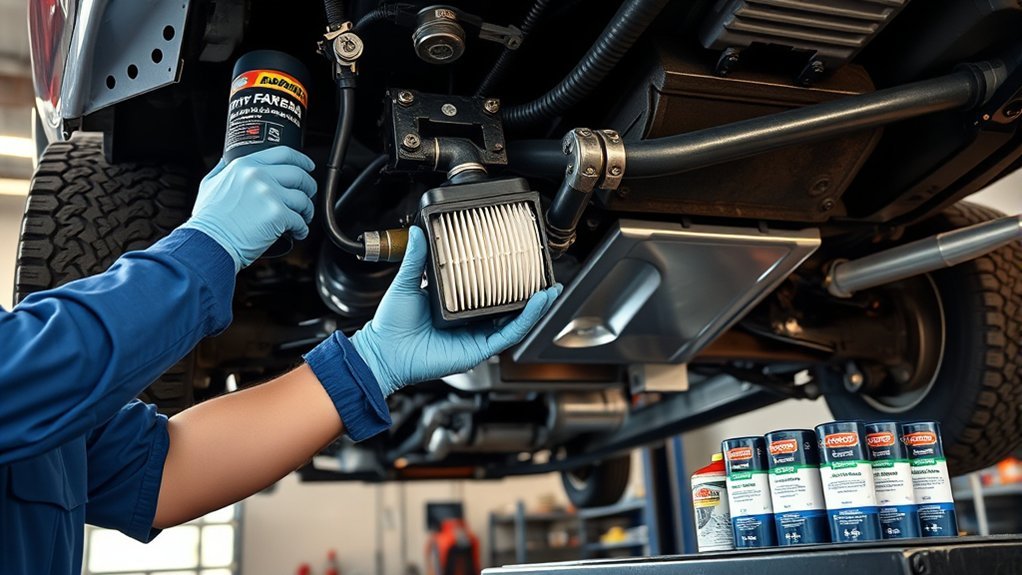
An in-line ATF filter can add protection on high-mileage trucks, trucks that tow often, or transmissions that have recently been serviced after contamination. A magnetic in-line filter can catch small ferrous particles before they circulate through the cooler circuit, valve body, or solenoids. It is most useful when installed with the correct flow direction, correct hose size, and enough clearance for inspection and replacement.
Do not add a filter that restricts flow or uses cheap fittings. Install it in the return side only if that is appropriate for the system design and filter instructions. Secure the hoses so they cannot rub on the frame, fan shroud, skid plates, or suspension parts. Replace the filter at the interval recommended by the filter manufacturer or whenever you service the ATF.
[Products Worth Considering]

This proportional trailer brake controller provides smooth, responsive braking by automatically matching your tow vehicle’s stopping force for safer trailer control. The bright LED digital display makes it easy to monitor voltage output in real time, while adjustable braking and sync settings help tailor performance to different trailers and road conditions. Designed for quick installation and broad compatibility, it supports 1 to 4 axle trailers for dependable towing confidence.

This proportional electric brake controller automatically applies trailer brakes based on your vehicle's braking force and speed for smoother, more responsive stopping. It is compatible with a wide range of tow vehicles and trailer setups, and includes an LED display for easy setup, diagnostics, and manual braking control. The included mounting hardware and plug-and-play port help make installation simple and convenient.

The CURT Venturer NEXT is a compact, time-delay electric trailer brake controller designed for dependable braking control from inside your vehicle. Its low-profile design, adjustable power and ramp time, and plug-and-play friendly setup make it a practical choice for towing with confidence. Built for 12-volt systems and compatible with electric over hydraulic brakes, it offers flexible installation without leveling or internal moving parts.
Tune Shifts for Longevity: Line Pressure, Shift Kits & Valve-Body Fixes
Firmer shifts can reduce clutch slip in some older or modified transmissions, but “increase line pressure” is not safe blanket advice. Late-model Tundra transmissions use electronic controls, adaptive shift logic, solenoids, and factory calibration. Changing pressure without proper diagnostics can cause harsh engagement, drivability issues, codes, or internal damage.
If your Tundra has soft shifts, flare shifts, delayed engagement, or shudder, start with diagnosis: scan for codes, check fluid condition, verify level, inspect cooler flow, and confirm whether any Toyota service bulletins apply. For older, out-of-warranty trucks used heavily for towing, a reputable transmission specialist may recommend a valve-body repair, updated solenoids, or a calibrated kit. That work should be matched to the exact transmission and verified by pressure and temperature data.
Increase Line Pressure Only With Diagnostics
Line pressure should be measured, not guessed. A technician can compare pressure readings against service information, operating temperature, gear command, and scan-tool data. If pressure is low because of a worn pump, leaking seal, restricted filter, valve-body wear, or contaminated fluid, installing a shift kit without fixing the cause will not solve the real problem.
| Symptom | Possible Cause | Smart Next Step |
|---|---|---|
| Delayed engagement | Low fluid, internal leak, pump wear, valve-body issue | Check level by correct procedure and scan for codes. |
| Flare between shifts | Clutch slip, pressure loss, solenoid fault | Stop towing and schedule diagnosis. |
| Harsh shifts | Adaptation issue, mount wear, fluid problem, calibration | Scan, inspect mounts, and verify fluid condition. |
| Shudder | Torque converter clutch issue, fluid breakdown, driveline problem | Do not ignore it; diagnose before it worsens. |
Valve-Body Upgrades
Valve-body upgrades can help specific older or modified transmissions, but they are not basic maintenance. The safer approach is to keep fluid correct, prevent overheating, service the filter or strainer when appropriate, and fix leaks early. If the valve body needs work, use a shop that can test solenoids, inspect wear, clean passages properly, and verify results after installation.
How Should You Tow Without Overheating the Transmission?
Towing raises transmission heat because the truck is moving more weight and the torque converter works harder. Before towing, confirm the trailer weight, tongue weight, payload, tire pressure, brake controller setup, and cooling-system condition. Overloading the truck or pulling too fast up long grades is one of the fastest ways to overheat fluid.
Use the towing mode Toyota recommends for your truck. On equipped 2022-and-newer U.S. Tundras, Toyota’s manual wording assigns TOW HAUL to loaded trailers under 5,000 lb and TOW+ to loaded trailers over 5,000 lb; the wording does not expressly assign exactly 5,000 lb. Older Tundras generally use one Tow/Haul setting. For controls and model-year differences, see the Tundra Tow/Haul and TOW+ guide.
On grades, reduce speed before the transmission overheats. Let the truck hold a lower gear instead of hunting between gears. Avoid hard acceleration, sudden braking, and cruise control in terrain where the transmission keeps shifting. If you notice rising temperatures, a hot smell, slipping, or a warning message, reduce load and stop safely.
Warning: If the truck displays “Transmission Oil Temp. High” or a similar warning, follow the owner’s manual. Stop in a safe place, shift to Park, and wait for the warning to clear before continuing.
What Tundra Transmission Warning Signs Need Immediate Diagnosis?
Transmission problems usually get more expensive when you keep driving through them. Stop towing and schedule diagnosis if you notice any of these symptoms:
- Red or reddish-brown fluid leaks: look near the pan, cooler lines, radiator, and front of the transmission.
- Burnt odor: overheated ATF often smells sharp or burnt.
- Slipping or flare shifts: engine rpm rises but road speed does not match.
- Delayed engagement: the truck pauses before moving after shifting into Drive or Reverse.
- Grinding, whining, or metallic noises: these can point to pump, bearing, gear, or converter issues.
- Warning lights or messages: scan for codes before clearing them.
Owners of 2019–2021 Tundras should also know about Toyota service bulletin T-SB-0087-21, filed with NHTSA, for some trucks that may show a “High Transmission Fluid Temp” message while towing in Tow/Haul mode at highway speeds. If that symptom matches your truck, ask a Toyota dealer whether the bulletin applies.
For some 2022–2026 Tundras with the non-hybrid V35A-FTS engine, Toyota T-SB-0032-26 Rev1 addresses hesitation from a rolling stop or quick stop and states that Transmission Control Module logic was modified. A technical service bulletin is not the same as a safety recall; applicability depends on the vehicle and condition, so verify the VIN, powertrain, calibration, and current dealer information before assuming the bulletin applies.
Check Recalls, Service Campaigns & Service History
There is no single “bad year” answer that applies to every Tundra. A neglected low-mileage truck can be riskier than a well-maintained high-mileage one. Before buying a used Tundra or diagnosing repeated transmission warnings, check the VIN through the NHTSA recall lookup and Toyota’s Safety Recalls & Service Campaigns lookup.
Ask for service records showing the correct ATF, drain-and-fill history, towing use, cooler repairs, pan removal, and any software updates. During a test drive, check for cold-start engagement delay, shift flare, harsh downshifts, shudder under light throttle, and hot idle behavior after highway driving.
Frequently Asked Questions
How long does a Toyota Tundra transmission last?
There is no official mileage guarantee for every Tundra transmission. Lifespan depends on model year, load, towing habits, fluid condition, cooling, and repair history. A well-maintained truck that uses the correct ATF and avoids overheating has a much better chance of lasting longer than one that tows heavy loads with old or low fluid.
What year Tundras have transmission problems?
Avoid blanket “bad year” claims. Check the VIN, service history, and current bulletins instead. Toyota T-SB-0087-21 addresses a high-transmission-fluid-temperature message on some 2019–2021 Tundras while towing in Tow/Haul mode. Toyota T-SB-0032-26 Rev1 addresses rolling- or quick-stop hesitation on some 2022–2026 non-hybrid V35A-FTS Tundras. These bulletins describe specific conditions; they do not make every truck in those model years defective.
How often should you change the transmission fluid in a Tundra?
Follow the maintenance guide for your exact model year and powertrain. For a 2026 U.S. Tundra, the 30,000-mile schedule includes a transmission leakage inspection, and automatic-transmission-fluid inspections are listed at 60,000, 90,000, 120,000, and 150,000 miles. Toyota lists ATF replacement at 60,000 and 120,000 miles when the truck is driven primarily while towing a trailer, using a car-top carrier, or under heavy vehicle loading. Symptoms or leakage require diagnosis regardless of mileage.
Can I check Tundra transmission fluid myself?
You can inspect for leaks yourself. If your truck has a dipstick, follow the owner’s manual exactly. If it has a sealed transmission, the level check usually requires the correct fluid temperature and overflow procedure, so many owners leave that service to a qualified technician.
Should I add a transmission cooler to my Tundra?
A cooler can be worthwhile if you tow frequently, climb long grades, carry heavy loads, or operate in hot conditions. Size it by application, airflow, pressure drop, and compatibility—not by a random quart number. Newer or warranty-covered trucks should be reviewed by a Toyota dealer or transmission specialist before modification.
Conclusion
You can extend Toyota Tundra transmission life by matching maintenance to the exact year and powertrain, using the specified ATF and level procedure, controlling heat while towing, and diagnosing symptoms before they become failures. For 2026 trucks, separate normal scheduled inspections from the 60,000- and 120,000-mile ATF replacement points that apply when the truck is driven primarily under Toyota’s listed towing or heavy-load conditions. Keep modifications secondary to correct factory maintenance and diagnosis.
Sources
- Toyota Manuals & Warranties — use the model-year lookup to open the 2026 Tundra or Tundra i-FORCE MAX Warranty & Maintenance Guide and owner’s manual.
- Toyota Genuine ATF WS — Toyota fluid product reference; confirm the exact fluid requirement for your model year before service.
- Toyota Support: Sealed Automatic Transmissions — guidance on sealed Toyota transmissions and suspected leakage.
- Toyota Tundra Automatic Transmission Manual Section — Tow/Haul, TOW+, and transmission-temperature warning guidance for the referenced model year.
- NHTSA / Toyota T-SB-0087-21 — high transmission fluid temperature warning on some 2019–2021 Tundras while towing.
- NHTSA ID 11037197 / Toyota T-SB-0032-26 Rev1 — rolling- or quick-stop hesitation on some 2022–2026 non-hybrid V35A-FTS Tundras; the bulletin describes updated TCM logic.
- NHTSA Recall Lookup and Toyota Safety Recalls & Service Campaigns — VIN-based recall and campaign checks.