
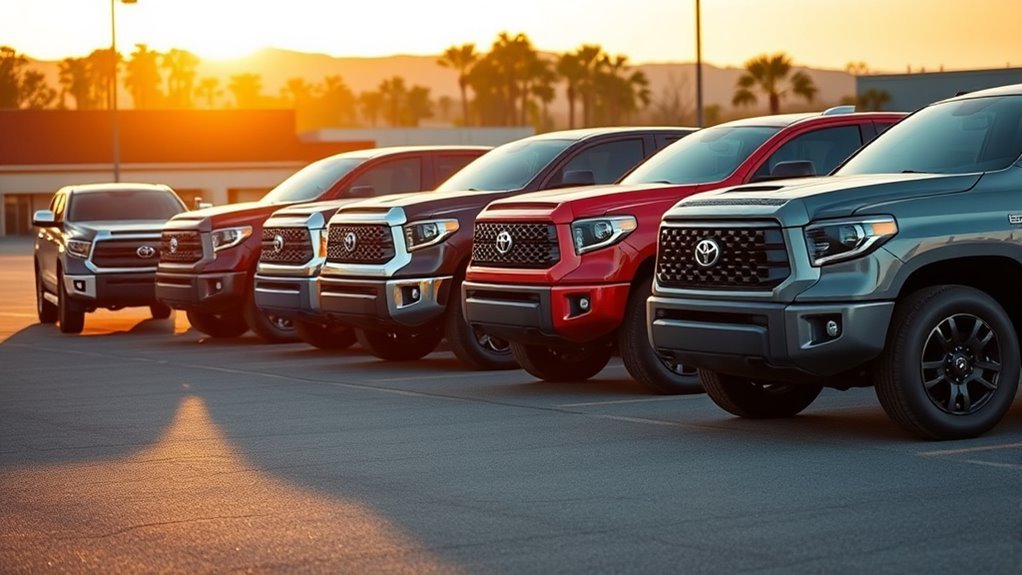
The Toyota Tundra has gone through three main generations, and each one fits a different kind of buyer. Early trucks are simple and durable, second-generation models bring the strongest V8 identity, and the current generation adds turbocharged V6 power, hybrid torque, modern towing tech, and a more refined ride. Use this guide to compare the years, engines, towing ratings, trims, reliability notes, recalls, and used-buying checks before choosing one.
Quick Answer
Choose a 2000–2006 Tundra for simple reliability and lower ownership complexity, a 2007–2021 Tundra for V8 power and strong used-truck value, or a 2022–present Tundra for the latest towing tech, turbo V6 performance, hybrid torque, and modern interior features.
Key Takeaways
- There are three main Toyota Tundra generations: 2000–2006, 2007–2021, and 2022–present.
- First-generation trucks are best for buyers who want a smaller, simpler, proven Toyota pickup.
- Second-generation trucks are the best fit for shoppers who want traditional V8 power, roomy cabs, and strong towing without new-truck pricing.
- Third-generation trucks are best for modern tech, higher maximum towing ratings, a smoother rear suspension, and the available i-FORCE MAX hybrid.
- Before buying any used Tundra, inspect for rust, towing wear, service history, and open recalls by VIN.
Which Tundra Should You Choose? Quick Answer And Checklist
If you want the easiest ownership experience, start with a clean 2000–2006 first-generation Tundra. These trucks are smaller than later models, easier to park, and known for simple Toyota durability. If you want a bigger cab, stronger V8 personality, and serious used-truck capability, the 2007–2021 second generation is usually the sweet spot. If you want the newest platform, the highest maximum tow rating, a modern cabin, and the available hybrid powertrain, shop the 2022–present third generation.
| Generation | Model Years | Best For | Watch For |
|---|---|---|---|
| First gen XK30/XK40 | 2000–2006 | Simple reliability, lower complexity, lighter-duty work | Frame rust, age-related rubber parts, old maintenance gaps |
| Second gen XK50 | 2007–2021 | V8 power, CrewMax space, towing, TRD Pro and 1794 trims | Heavy towing wear, brake condition, rust, fuel costs |
| Third gen XK70 | 2022–present | Modern tech, turbo V6 power, hybrid torque, highest ratings | Early-build recalls, software updates, higher purchase price |
Note: Towing and payload ratings vary by cab, bed, drivetrain, trim, engine, axle ratio, equipment, and model year. Always confirm the specific truck’s door-jamb payload label and owner’s manual before towing.
[Products Worth Considering]

This center console armrest cover is designed to fit the 2026 Toyota RAV4 for added comfort and a cleaner interior look. Made with breathable vegan leather and a thick cushioned feel, it helps reduce arm fatigue on long drives while protecting the console from pet paws, dirt, and sticky fingerprints. The band-secured design installs easily with no tools required and blends with the OEM-style interior.

Teeran’s 2-in-1 wireless adapter turns compatible factory wired CarPlay or Android Auto systems into a cable-free experience for both iPhone and Android users. It offers fast setup, automatic reconnection, and full support for your vehicle’s original controls so navigation, music, calls, and voice assistants work seamlessly. Its compact flush-fit design helps reduce clutter, while built-in protection and broad compatibility make it a practical everyday upgrade.

This wireless CarPlay screen adds modern smartphone connectivity to almost any vehicle with easy plug-and-play installation. It supports Apple CarPlay and Android Auto, online maps, voice control, phone mirroring, and multiple audio output options for safer, more convenient driving. The included night vision backup camera and OTA updates help improve visibility, compatibility, and long-term performance.
2000–2006 First Generation (XK30/XK40): Key Changes And Midcycle Updates
The first-generation Tundra launched for the 2000 model year after production began in May 1999. It was Toyota’s first North American-built full-size pickup, produced first in Indiana before Tundra production later moved to Texas. It gave Toyota truck buyers a more capable step up from the T100 while keeping the brand’s conservative engineering approach.
Early first-generation models offered a 3.4-liter V6 and a 4.7-liter V8. Later updates added a stronger 4.0-liter V6 and improved the overall engine lineup. Depending on configuration, Toyota’s own history material lists first-generation Tundra towing at up to 7,200 pounds. That made it useful for small trailers, work gear, home projects, and light recreational towing, but it was not as large or as tow-focused as later Tundras.
Choose this generation if you value simplicity more than screen size, driver-assist features, or luxury trim. A well-kept first-gen Tundra can be a smart buy, but age matters. Rubber bushings, brake lines, suspension parts, timing-belt service on V8 models, and rust inspection are just as important as mileage.
Toyota’s first-generation Tundra is the simple, durable choice: fewer modern electronics, proven engines, useful towing, and easier day-to-day size than later full-size trucks.
2007–2021 Second Generation (XK50): Size, V8 Power And Trim Lineup
The second-generation Tundra arrived for the 2007 model year with a much larger footprint, stronger frame, bolder styling, and a more traditional American full-size pickup feel. This is the generation most shoppers picture when they think of a V8 Toyota Tundra.
The 5.7-liter i-FORCE V8 became the signature engine, producing 381 horsepower and 401 lb-ft of torque in later Toyota materials. Toyota also offered other V8 choices during the generation, including a 4.6-liter V8 in many years. With the proper tow package and configuration, later second-generation Tundras were rated up to about 10,500 pounds of towing under SAE J2807-based ratings.
Trim choice matters in this generation. Work-focused SR and SR5 models keep costs down. CrewMax models give you the biggest rear seat. TRD Off-Road and TRD Pro trims add off-road hardware and styling. Limited, Platinum, and 1794 Edition trucks add comfort features, leather, upgraded audio, and a more premium cabin.
For many used buyers, this generation is the best balance of capability, reliability reputation, parts availability, and price. The main trade-offs are fuel economy, size, and the need to carefully inspect trucks that have spent years towing, plowing, off-roading, or working in rust-prone climates.
2008–2014 TRD, Superchargers And Racing Wins
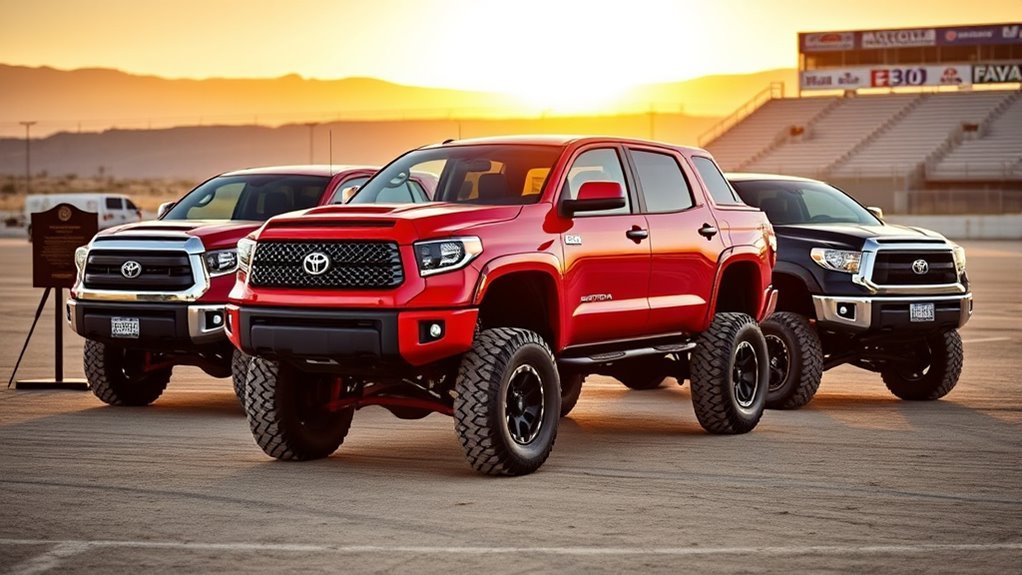
The second-generation Tundra also built Toyota’s full-size truck performance image. TRD parts, off-road packages, and TRD Pro development helped move the Tundra beyond basic work-truck duty. The 5.7-liter V8 also made the platform popular with owners who wanted stronger acceleration, towing confidence, and aftermarket support.
One of the most memorable performance stories from this era was the TRD supercharger kit for the 5.7-liter V8, which turned some Tundras into unusually powerful factory-accessory builds. On the off-road side, the 2015 Tundra TRD Pro Desert Race Truck won the Full Stock class at the 2014 Tecate SCORE Baja 1000 after racing more than 1,200 miles.
For used buyers, TRD parts can be a plus, but modified trucks require extra caution. Look for clean installation records, no overheating history, no drivetrain abuse, and no poorly installed suspension or engine modifications.
Pro Tip: A stock, well-maintained Tundra is usually a safer used buy than a heavily modified one. If you want TRD parts, factory-installed or dealer-documented upgrades are easier to evaluate.
2014 Facelift And Late-Cycle Updates: Styling, Tech And Towing Gains
The 2014 refresh was the second generation’s biggest visual and interior update. Toyota gave the Tundra a more chiseled exterior, taller grille, redesigned interior, improved ergonomics, and a new grade strategy that included the western-themed 1794 Edition.
Exterior Styling Refresh
The 2014 front end looked broader and more assertive than earlier second-gen trucks. Toyota reshaped the grille, hood, fenders, and front fascia to make the truck look wider and more planted. If you like the second generation but want a more modern look, 2014–2021 models are the years to compare first.
Tech And Interior Upgrades
Inside, the 2014 redesign improved controls, materials, layout, and trim separation. Later in the generation, Toyota added more modern multimedia. For 2020, Tundra audio systems gained Apple CarPlay, Android Auto, and Amazon Alexa compatibility, making 2020–2021 models more appealing if phone integration is important.
Improved Towing Capability
The second-generation Tundra’s towing strength came mainly from the 5.7-liter V8, tow package, frame, cooling upgrades, and trailer-control features. Toyota adopted SAE J2807 tow-rating standards early, which matters because it made ratings easier to compare with other trucks tested under the same procedure.
- Best second-gen towing years: later 5.7L V8 models with the tow package.
- Best comfort years: 2014–2021 Limited, Platinum, and 1794 Edition trims.
- Best tech years: 2020–2021 for smartphone integration.
2016–2021 Ownership And Reliability Highlights (Million-Mile Tundra)
The Tundra’s reliability reputation is strongest in the first and second generations, especially among owners who kept up with basic maintenance. The best-known example is Victor Sheppard’s 2007 Tundra, which reached one million miles and became a Toyota engineering study case.
Million-Mile Durability
The million-mile story is impressive, but it should not be read as a guarantee that every Tundra will last that long. It does show what consistent use, regular service, and durable design can do. For buyers, the lesson is simple: a documented service history matters more than a low odometer with unknown maintenance.
Maintenance And Care
For long life, prioritize oil changes, coolant service, transmission and differential service, brake maintenance, tire rotations, and timing-belt history on applicable V8 engines. Also inspect the cooling system, suspension bushings, driveshaft, wheel bearings, and frame condition.
Long-Term Ownership Costs
Older Tundras often hold value well, but ownership costs still depend on condition. A cheap truck with rust, neglected fluids, old tires, worn brakes, and overdue suspension work can become expensive quickly. A higher-priced truck with clean records and no rust is often the better buy.
2022–Present Third Generation (XK70): Turbo V6, Hybrid And Chassis Overhaul
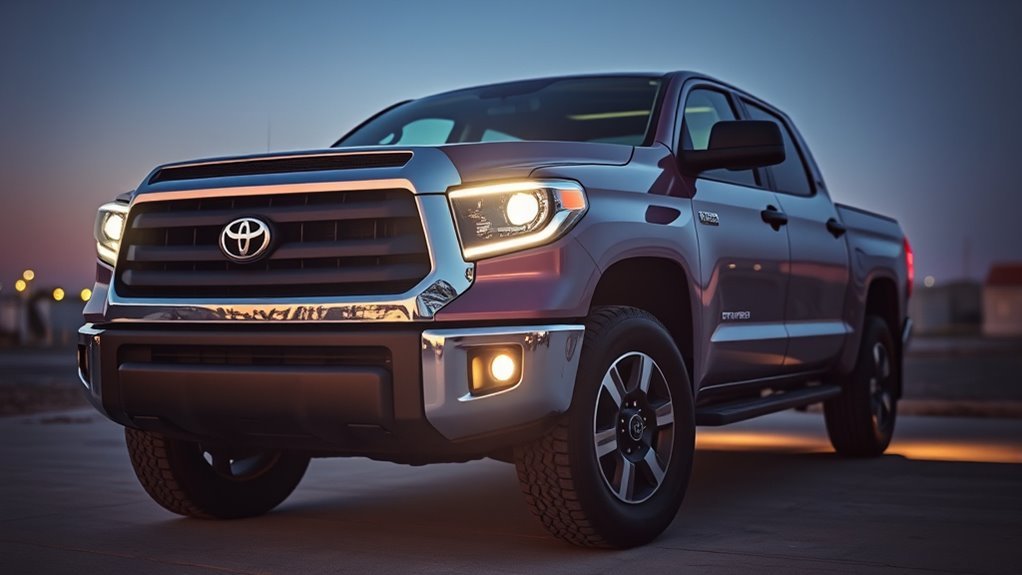
The third-generation Tundra launched for the 2022 model year with a new platform, a high-strength boxed steel frame, an aluminum-reinforced composite bed, and a redesigned multi-link rear suspension. This was the biggest Tundra redesign since 2007.
The old V8 lineup was replaced by twin-turbo V6 powertrains. The standard i-FORCE twin-turbo V6 produces up to 389 horsepower and 479 lb-ft of torque. The available i-FORCE MAX hybrid pairs the twin-turbo V6 with an electric motor system for up to 437 horsepower and 583 lb-ft of torque. Both use a 10-speed automatic transmission.
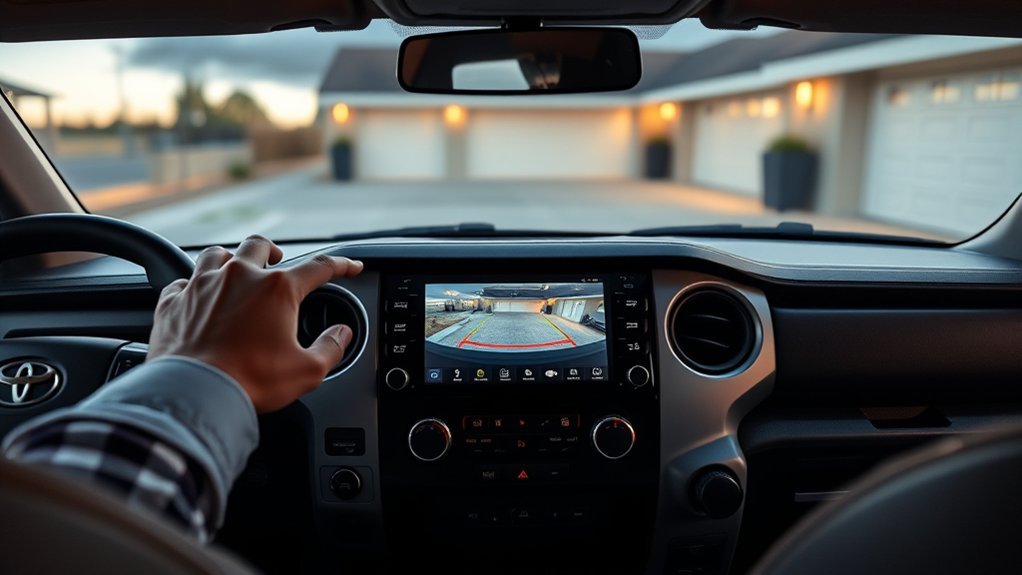
The third generation also brings the biggest tech leap: available 14-inch touchscreen, available 12.3-inch digital gauge cluster, wireless Apple CarPlay and Android Auto, more towing aids, and standard Toyota Safety Sense features. The rear multi-link suspension also improves ride quality compared with the old leaf-spring rear setup.
For 2026, Toyota added fresh updates including a standard 32.2-gallon fuel tank on all grades, available ISO Dynamic seats on TRD Pro, and continued availability of the i-FORCE MAX powertrain. This makes the newest Tundra more refined, but it also costs more and has more technology to evaluate on a used or certified pre-owned truck.
Warning: Some 2022–2023 Tundras were included in a safety recall for possible engine machining debris that could lead to engine damage or loss of motive power. Always check the exact VIN on Toyota’s recall site or the NHTSA recall lookup before buying.
How Towing, Payload And Suspension Improved Across Generations
Tundra towing and payload ratings improved as Toyota enlarged the truck, strengthened the frame, changed engines, and added towing technology. The biggest jump came with the 2007 second generation, while the 2022 third generation added the highest maximum rating and a more sophisticated rear suspension.
| Generation | Max Towing Highlight | Suspension / Ride Notes | Buyer Takeaway |
|---|---|---|---|
| 2000–2006 | Up to 7,200 lb depending on equipment | Traditional truck layout with leaf-spring rear suspension | Good for lighter towing and simple ownership |
| 2007–2021 | Up to about 10,500 lb on properly equipped 5.7L V8 models | Bigger frame, traditional rear leaf springs, tow package upgrades | Best used choice for V8 towing value |
| 2022–present | Up to 12,000 lb and up to 1,940 lb payload on select configurations | Multi-link rear suspension improves ride and control | Best for modern towing aids and highest ratings |
Price, Trims And Use Cases: Which Year Fits Your Budget And Needs
There is no single best Tundra year for everyone. The right choice depends on budget, towing needs, tech expectations, and how much maintenance risk you are willing to accept.
- Best budget choice: 2000–2006 first generation, if rust-free and well maintained.
- Best all-around used choice: 2014–2021 second generation, especially a 5.7L V8 with good records.
- Best towing value: a properly equipped second-generation 5.7L V8, or a third-generation truck if you want newer towing tech.
- Best modern cabin: 2022–present, especially trims with the 14-inch touchscreen and upgraded driver-assist features.
- Best off-road pick: TRD Off-Road or TRD Pro, depending on budget and how much factory off-road hardware you want.
- Best luxury pick: 1794 Edition, Platinum, or Capstone on newer trucks.
Used prices change quickly by region, mileage, trim, condition, accident history, and service records. Instead of shopping by year alone, compare three things: the specific truck’s condition, the equipment you actually need, and the total cost to bring maintenance current after purchase.
[Products Worth Considering]

These heavy-duty running boards are designed to improve access to your Toyota Tundra CrewMax while maintaining ground clearance for off-road use. Built from durable aluminum with a high weight capacity, they provide stable step-up support for daily driving, cargo loading, and outdoor adventures. The no-drill installation makes setup simple, and the included customer support adds extra peace of mind.

This flexible oil funnel is designed to make fluid changes cleaner and easier by guiding oil around obstacles like skid plates and crossmembers. Its shape-retaining core and silicone body can be molded for custom positioning, while the heat-resistant, leak-proof design helps prevent spills during draining and filter removal. Reusable and easy to clean, it works well for cars, trucks, motorcycles, and other hard-to-reach fluid fill or drain applications.

These heavy-duty running board side steps are designed to improve access to your Toyota Tundra without reducing ground clearance. Built for Double Cab and CrewMax front door applications, they offer practical convenience for everyday entry, roof loading, and off-road use. The durable iron construction and easy no-drill installation make them a reliable upgrade for rugged driving.
Common Issues, Maintenance Tips And What To Inspect Before Buying
Tundras are durable, but many have worked hard. A pre-purchase inspection is especially important if the truck has towed, lived in a snow-belt state, carried heavy loads, or been modified.
- Check frame rust: Inspect the frame, rear crossmember, spare-tire area, fuel-tank straps, suspension mounts, brake lines, and bed underside. This is especially important on 2000–2003 trucks from cold-climate states.
- Verify recalls by VIN: Use Toyota’s recall lookup and the NHTSA VIN tool before buying. Do not rely only on the seller’s word.
- Review towing history: Look for signs of heavy hitch use, overheated transmission fluid, sagging rear suspension, worn brakes, and mismatched trailer wiring.
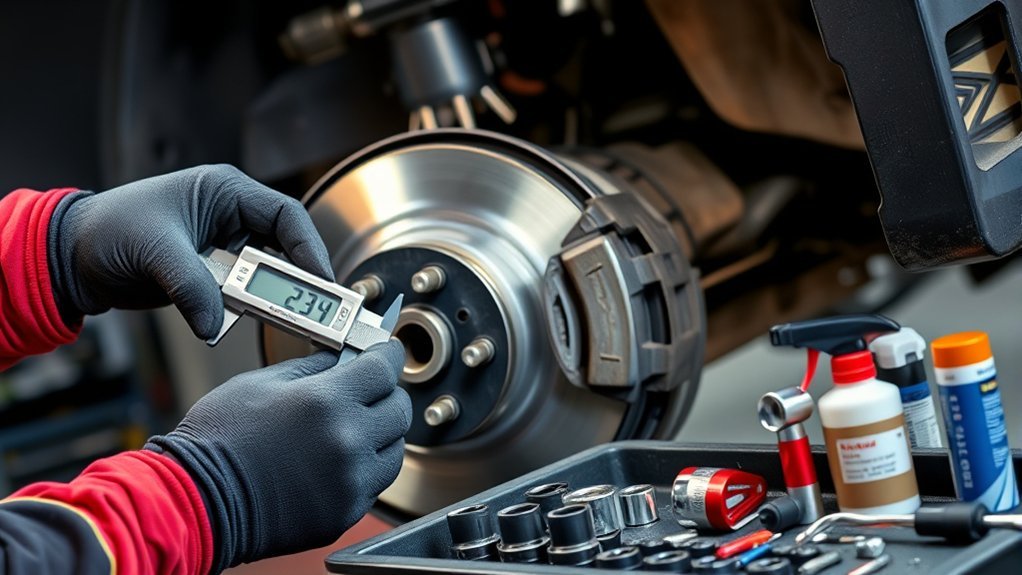
- Inspect brakes and tires: Uneven pad wear, vibration, pulling, old tires, or mismatched tires can point to deeper maintenance neglect.
- Check fluids: Engine oil, coolant, transmission fluid, differentials, transfer case, and brake fluid should look clean and be documented.
- Scan for codes: A diagnostic scan can reveal stored issues even if the check-engine light is off.
- Look for modifications: Lift kits, oversized tires, superchargers, tuners, and off-road parts can be fine, but only if installed and maintained correctly.
- Confirm payload: The payload sticker on the driver’s door jamb is more useful than a generic online number because it reflects that truck’s configuration.
Note: A clean vehicle history report is helpful, but it does not replace a mechanical inspection. Rust, worn suspension parts, fluid neglect, and hidden towing wear often require an in-person check.
[Products Worth Considering]

This master ball joint removal kit gives you the tools needed to remove and install ball joints, tie rod ends, Pitman arms, and other front-end components. It is designed for broad compatibility with many GM, Chevrolet, Ford, and Dodge vehicles, including a range of light trucks, vans, and SUVs. Built from forged steel and stored in a molded ABS case, it offers durable performance and organized portability for garage or shop use.

Designed for Toyota Tundra CrewMax Cab models, these custom-fit all-weather floor mats use 3D scanning for precise coverage and raised edges to help protect the interior from rain, slush, snow, mud, and spills. Made from premium unscented TPE, they are durable, flexible, easy to clean, and built to stay in place without curling or deforming. They also come with a lifetime warranty for added peace of mind.

This replacement bed cleat tie down anchor kit restores secure cargo management for compatible Toyota truck bed rail systems. Designed to match OEM dimensions and fit, these anchors help keep gear, tools, and luggage firmly in place during daily hauling. Built for dependable use in demanding pickup truck conditions, the kit offers a practical replacement for worn factory tie-downs.
Frequently Asked Questions
How many Toyota Tundra generations are there?
There are three main Toyota Tundra generations: 2000–2006, 2007–2021, and 2022–present. The first generation is the smaller and simpler truck, the second generation is the long-running V8 era, and the third generation is the modern turbo V6 and hybrid era.
What year did the Tundra change to a V6-only lineup?
The Tundra became V6-only with the 2022 third-generation redesign. Earlier Tundras also offered V6 engines in some years, but 2022 was the major change from the long-running V8 identity to twin-turbo V6 and hybrid V6 powertrains.
Which Toyota Tundra generation is most reliable?
The first and second generations have the strongest long-term reliability reputation because they use simpler, proven drivetrains. That said, condition matters more than generation. A well-maintained newer truck is a better buy than an older truck with rust, skipped maintenance, or hard towing use.
Which Tundra is best for towing?
For used value, a properly equipped 5.7L V8 second-generation Tundra is a strong towing choice. For the highest factory maximum tow rating and the newest towing technology, choose a properly equipped 2022–present third-generation Tundra.
Are 2022–2023 Tundras bad because of the engine recall?
Not every 2022–2023 Tundra is affected, but the recall is important. Check the VIN before buying and confirm any required remedy has been completed. If the truck is affected and the remedy is not complete, factor that into your purchase decision.
What should I inspect before buying a used Tundra?
Inspect the frame for rust, verify recalls by VIN, review maintenance records, check brakes and tires, scan for diagnostic codes, confirm towing history, and have the suspension, driveline, cooling system, and fluids checked by a mechanic.
Conclusion
The right Toyota Tundra depends on how you plan to use it. Pick the 2000–2006 first generation for simple Toyota durability, the 2007–2021 second generation for V8 power and strong used-truck capability, or the 2022–present third generation for modern technology, higher maximum ratings, and available hybrid torque. Before buying, verify the exact truck’s service records, rust condition, tow equipment, payload label, and recall status. A careful inspection is the difference between a dependable workhorse and an expensive project.
Sources
- Toyota USA Newsroom — Twenty Years of Tundra — production history and first-generation towing context.
- Toyota USA Newsroom — 2014 Tundra Redesign — 2014 styling, interior, trim, and redesign details.
- Toyota USA Newsroom — 2016 Tundra — 5.7L V8 output, SAE J2807 towing, tow package, and second-generation capability details.
- Toyota USA Newsroom — 2022 Next-Generation Tundra — third-generation platform, powertrains, towing, payload, suspension, and technology.
- Toyota USA Newsroom — 2026 Tundra Updates — current model-year updates, i-FORCE MAX output, and maximum towing capacity.
- Toyota Recall Lookup — VIN-based recall checking before buying or selling a Tundra.


[…] heat shielding, turbo hardware, access, and labor can therefore differ substantially. Review the Toyota Tundra generations guide, then confirm the exact repair procedure with your VIN and Toyota service […]
[…] Model scope: Toyota’s 2026 Tundra lineup includes an i-FORCE gasoline powertrain and an i-FORCE MAX hybrid powertrain. The conventional battery, cable, voltage-drop, and starter-current tests below apply only when Toyota’s repair information specifies them for your gasoline model. If yours is an i-FORCE MAX hybrid, follow the hybrid-specific procedure, check the 12-volt supply and displayed warnings first, and do not probe or disconnect high-voltage components. Toyota’s i-FORCE MAX build documentation lists a conventional 12-volt starter for cranking the gas engine, so hybridization does not eliminate the starter itself — but the surrounding control logic, interlocks, and high-voltage components are unique to the hybrid system and still require Toyota’s hybrid-specific procedure. [VERIFY: confirm the 12-volt starter specification against your exact model year and trim’s factory service data] If you’re unsure which generation or engine your truck has, see the site’s Tundra generations guide. […]