You can remove smoke smell from your Toyota Camry by vacuuming thoroughly (HEPA if possible), wiping hard surfaces with mild detergent, and using dry-foam upholstery cleaner on seats and carpets, then vacuuming again. Replace the cabin air filter and spray disinfectant into the fresh-air intake, wipe vents, and run the AC on high. For stubborn odor use an ozone treatment or activated charcoal, air out the car well, and consider a professional detail if it persists—keep going for step-by-step guidance.
How to Remove Smoke Smell From Your Toyota Camry : Fast Plan
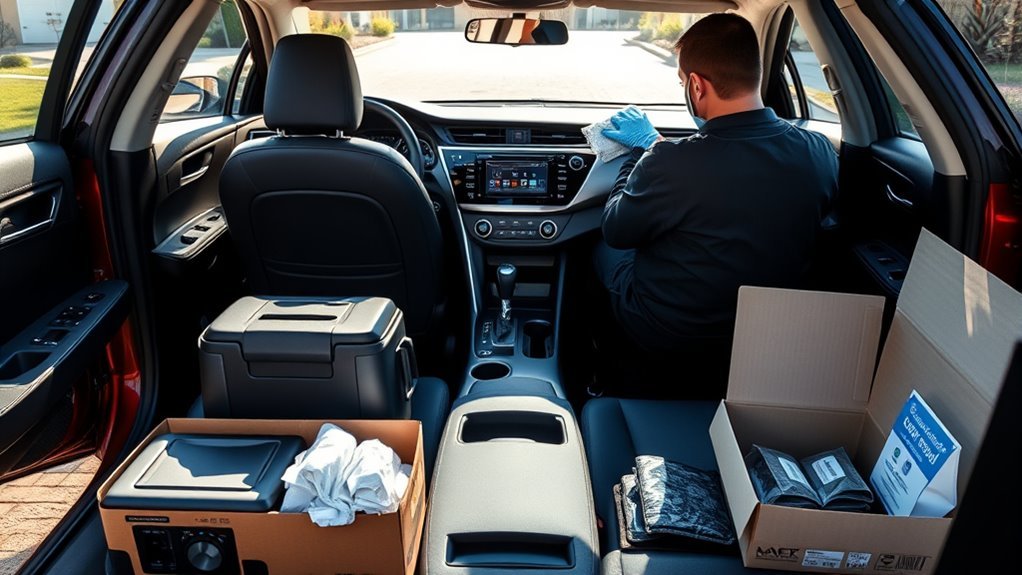
Start by vacuuming every surface—carpets, seats, floor mats, and crevices—to pull out the bulk of smoke particles before you treat anything else. You’ll follow a tight, effective sequence: wipe hard surfaces with mild detergent, apply dry-foam upholstery cleaner to seats and carpets, then vacuum again. Those smoke absorption techniques strip particulate and lift odor-bound residues so other steps work. Replace the cabin air filter and run the AC while spraying a disinfectant into the intake to clear ducts. Use an ozone generator on recirculation for 15–30 minutes in a ventilated area to neutralize embedded odor molecules; ventilate thoroughly afterward. Finish by airing the car with doors and windows open for at least 30 minutes and placing a neutral air neutralizer like Zero Odor to maintain freshness. You’ll save money, act with purpose, and gain liberation from stale smoke—this focused fast plan prioritizes actionable, product-savvy steps for long term odor prevention.
Quick Steps to Remove Smoke Smell Now
You’ve already cleared out the heavy residue—now focus on quick, high-impact steps you can do right away to knock down lingering smoke odor. Start by running the AC on recirculate and spray a disinfectant into the intake to purge the vents. Next, apply a dry foam upholstery cleaner to seats and carpets to attack embedded particles; these cost about $5–$10 at auto stores. Use a neutralizer like Zero Odor in foot wells and under seats to neutralize remaining scent without masking it.
| Step | Tool | Effect |
|---|---|---|
| Vent purge | Lysol spray | Clears circulation pathways |
| Upholstery clean | Dry foam cleaner ($5–$10) | Lifts embedded odor |
| Ozone session | Ozone generator | Breaks down smoke molecules |
| Neutralize | Zero Odor | Long-lasting freshness |
| Air out | Open doors/windows | Remove residual gas |
For serious cases, run an ozone generator 15–30 minutes and air out. Pair these with routine smoke detection and odor prevention habits to reclaim your cabin.
Vacuuming, Wipe-Downs, and Trim Cleaning
Start by giving the Camry a thorough vacuuming—hit seats, carpets, floor mats, and those tight crevices with a crevice tool to pull out embedded smoke particles. Wipe down hard surfaces like the dash, center console, and door panels with a mild automotive cleaner to remove residue that holds odors. Finish by cleaning trim and door-panel seams with a microfiber cloth and appropriate trim cleaner so trapped smoke doesn’t keep coming back.
Thorough Vacuuming Routine
Begin by vacuuming every inch of the Camry’s interior—seats, carpets, floor mats, under seats, and crevices—using a HEPA-equipped vacuum if you have one to catch finer smoke particles. Use a range of vacuum attachments to access seams, vents, and trim lines; the crevice tool and soft brush are essential. Work methodically from top to bottom so loosened particles fall to the floor for final pickup. For fabric, apply a dry foam upholstery cleaner sparingly before re-vacuuming to lift embedded odor. Use a soft-bristled brush to dislodge grime along trim and in tight gaps, then vacuum again. These targeted cleaning techniques give you control, remove deep-set smoke residue, and move you closer to reclaiming a fresh, liberated cabin.
Wipe Down Hard Surfaces
Vacuum thoroughly, then wipe every hard surface to strip away lingering smoke residue—dash, console, door panels, trim, and vents all hold odor-causing particles. You’ll follow a clear sequence: vacuum crevices, then use a mild detergent or automotive hard surface cleaning spray on a microfiber cloth to remove grime where odor trapping occurs. Work panels and plastics in sections, rinsing or swapping cloths to avoid redepositing residue. Use a soft brush for vents and a dedicated cleaner for trim plastics to break down absorbed smoke. Don’t forget the console seams and cup holders. Finish with a light, alcohol-based wipe to evaporate quickly and prevent scent blooms. Regular hard surface cleaning keeps your Camry feeling free and uncompromised.
Clean Door Panels And Trim
Tackle the door panels and trim by first removing loose dust and cigarette residue with a crevice tool, then wipe each surface with a mild detergent or automotive cleaner, working into textured areas and seams where smoke particles hide. You’ll vacuum thoroughly to lift grit from fabric and foam-backed trim, supporting your door panel maintenance routine. Use a soft cloth to avoid abrasion and a targeted foam upholstery cleaner on fabric inserts to neutralize odors without soaking materials. For plastic and vinyl, apply a pH-balanced interior cleaner and follow with a microfiber wipe to remove residues. Repeat in hidden seams and around switches. Regular, focused cleaning reduces recontamination and reinforces smoke odor prevention, freeing your cabin from persistent smoke traces.
Deep-Clean Camry Upholstery & Carpet (Safe Methods)
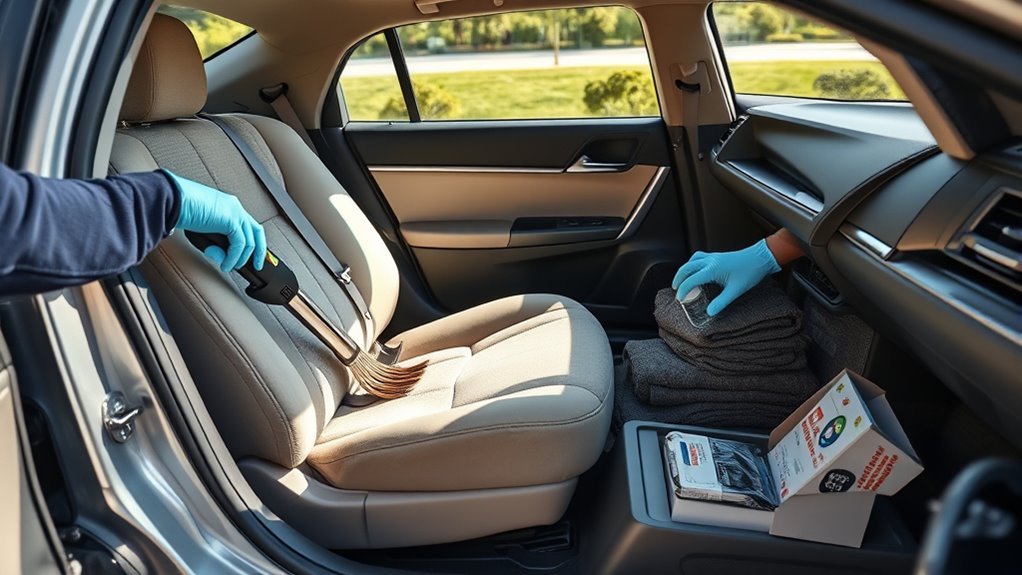
If smoke’s soaked into your Camry’s upholstery and carpet, start by thoroughly removing loose ash and debris with a careful vacuuming of every seam and crevice, then treat fabric surfaces with a dry-foam automotive upholstery cleaner (most cost $5–$10) to lift embedded odors without overwetting. Use eco friendly options where possible—biodegradable dry-foam or enzyme-based sprays—to support upholstery maintenance and reduce chemical residue. After foam lifts contaminants, agitate gently with a soft brush and extract residue with a wet-dry vacuum or microfiber towels. For deeply embedded smoke, use a low-moisture steam cleaner to penetrate fibers; it sanitizes without harsh solvents and spares materials when you control heat and pressure. Wipe surrounding hard trim with a mild detergent to stop recontamination. Allow interior to dry thoroughly with doors open and fans running; trapped dampness breeds odors. Repeat cleaning on stubborn areas, then maintain a schedule: vacuum weekly, treat spills immediately, and choose eco friendly products to keep your Camry smelling free and fresh.
Inspect and Replace the Cabin Air Filter
Start by locating the cabin filter behind the glove compartment—remove the screws and gently push the compartment aside to access it. Inspect the filter for smoke residue or discoloration; if it looks dirty, replace it with an OEM cabin filter to guarantee proper fit and odor-trapping performance. After installation, set the HVAC to draw fresh air and run the fan to help clear any remaining smoke smell.
Locate The Cabin Filter
1 clear place to find the cabin air filter in most Toyota Camrys is behind the glove compartment; you’ll remove the glove box by gently squeezing the sides to release the stops, giving direct access to the filter housing. You’re doing cabin filter maintenance to reclaim fresh air and freedom from smoke. Check your owner’s manual for the correct part number and replacement interval (usually 15,000–30,000 miles). Pull the old filter straight out, note the airflow arrow, and install the new one with proper filter orientation. Keep movements deliberate, tools minimal, results immediate.
| Before | After |
|---|---|
| Stale | Fresh |
| Trapped | Liberated |
| Dirty | Clean |
Inspect For Smoke Residue
Before you reassemble anything, pull the cabin air filter out and inspect it closely for discoloration, oily residue, or a lingering smoke odor—these are clear signs it’s trapped contaminants and needs replacing. You’ll usually access it behind the glove compartment, so remove the compartment for an unobstructed look. Hold the filter up to light: heavy discoloration or visible grime means diminished performance and persistent smoke smell. Smell the filter directly; a smoky scent confirms it’s a source, not just a symptom. Note mileage—replace every 15,000–30,000 miles as part of disciplined filter maintenance. Swapping a contaminated filter restores ventilation, accelerates odor prevention, and frees your cabin air so you can reclaim a fresher driving environment.
Replace With OEM Filter
Choose an OEM cabin air filter and replace the old one to restore filtration and cut lingering smoke odor; OEM parts are made to exact Toyota specs, so they fit perfectly, maintain airflow, and trap finer smoke particles better than many aftermarket options.
- Inspect: open the glove compartment, remove the panel behind it, and check the filter for soot and discoloration—visual cues that replacement is overdue.
- Replace: install an OEM filter per the owner’s manual interval (15,000–30,000 miles) to enjoy consistent filter benefits and OEM advantages in particle capture and fit.
- Validate: run the HVAC on fresh-air mode to confirm improved airflow and reduced smoke smell; a clean filter liberates cabin air and restores confidence in the system’s performance.
Flush and Sanitize AC Ducts and Vents Safely
When you’re ready to flush and sanitize the Camry’s AC ducts, start by replacing the cabin air filter so airflow isn’t hampered and odors can be expelled efficiently; then run the system on full blast, set to fresh-air intake (not recirculate), and spray a disinfectant like Lysol into the intake ducts to kill odor-causing bacteria. For effective duct cleaning and odor neutralization, work methodically: spray Lysol in short bursts while the blower draws it through the vents, then shut doors and let the solution dwell briefly. If vents and visible duct openings are grimy, wipe them with a mild detergent solution, rinse with clean water, and dry thoroughly to avoid residual moisture. After treatment, run the AC on high for another 10–15 minutes to circulate fresh air and purge loosened particulates. You’ll liberate the cabin from trapped smoke scents without harsh chemicals or extreme equipment, restoring breathable, neutral air and keeping the system functioning efficiently.
Use an Ozone Generator Safely (Timing & Precautions)
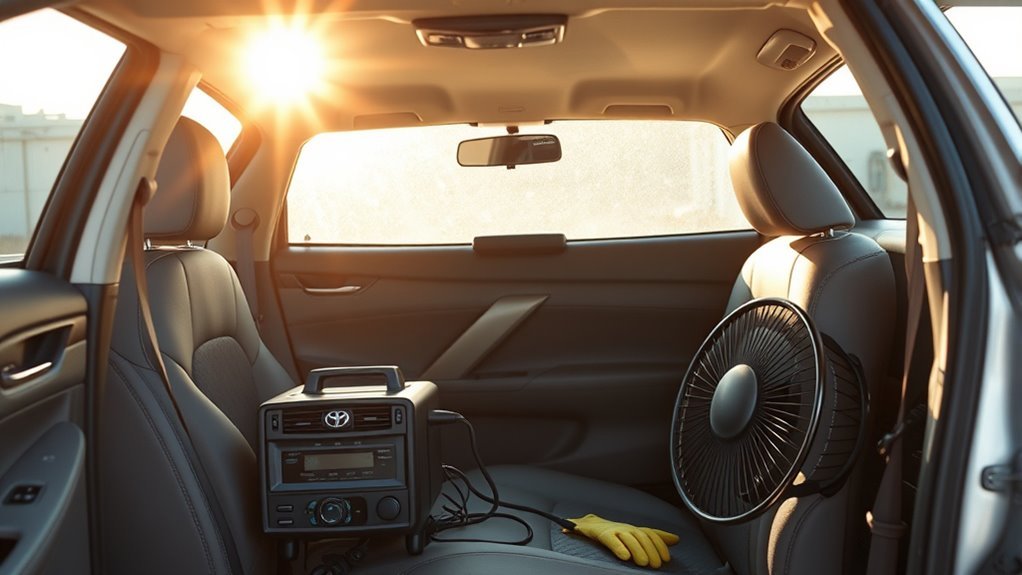
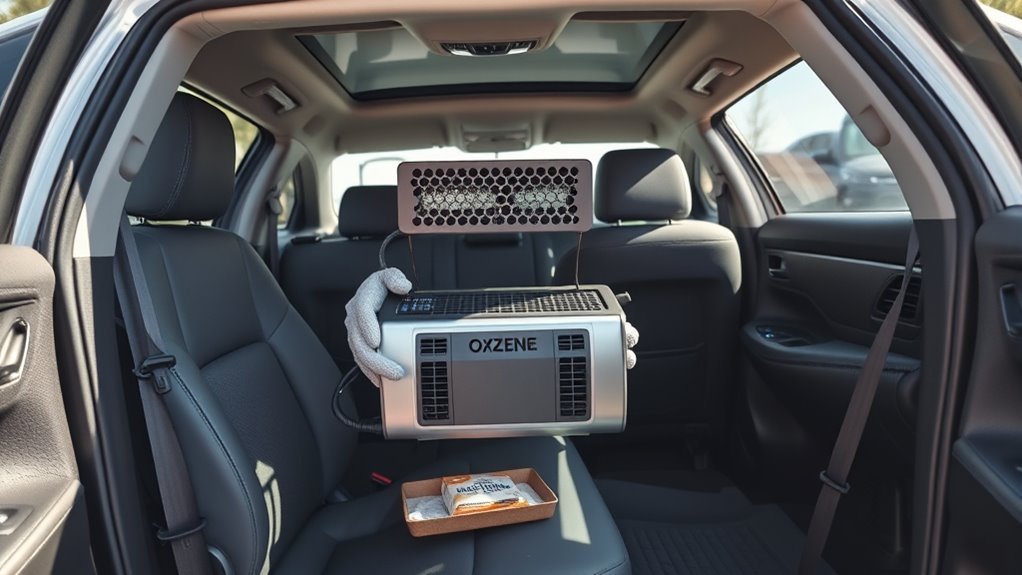
After flushing and sanitizing the ducts, you can use an ozone generator to tackle any remaining smoke molecules that detergents and sprays miss. You’ll pick a model with a built-in fan for even distribution and set it to recirculation mode while the car runs. Run 15–30 minutes, scaling time to vehicle size for ozone generator benefits and thorough odor breakdown. Always follow the manufacturer’s instructions and safety precautions.
- Feed power via an extension cable through a cracked window so the generator stays outside and you avoid prolonged exposure.
- After the cycle, open all doors and windows and air out the car at least 30 minutes—longer if smoke was heavy—to purge residual ozone and freed particulates.
- Treat the process as liberation: use precise timing, monitor the environment, and never re-enter until airing is complete.
This method is efficient, deliberate, and respects both product capability and your health.
Sprays & Chemicals That Work : and Those That Don’t
Although many pocket-sized air fresheners just mask smoke with stronger scents, a few targeted chemicals and sprays can actually neutralize or remove tobacco odors if you use them correctly. Don’t rely on mass-market fresheners; they only cover smells. Use Lysol disinfectant spray strategically—spray into the AC intake while the system runs to neutralize lingering smoke in ducts. Zero Odor-type products can work as short-term eliminators, but expect about 48 hours of relief and higher cost. Ozone generators break down odor-causing particles effectively, but you’ve already reviewed safety steps for their use. Combine chemical treatments with deep cleaning of upholstery and vacuuming for true progress.
If you prefer gentler options, pair natural remedies like baking soda for odor absorption on carpets and activated charcoal bags for passive removal. Be methodical: treat HVAC paths, fabrics, and hard surfaces separately. That disciplined approach frees you from stale air and moves you toward a genuinely smoke-free Camry.
Air Out the Car, Finishing Touches, and When to Call a Pro
You’ve treated the HVAC, fabrics, and surfaces—now focus on airing and finishing details to lock in results. After ozone treatment open all doors and windows for at least 30 minutes to flush ozone and restore proper air circulation. Combine airing with a final vacuum and wipe-down to remove loosened particles. If odor persistence remains, repeat airing sessions regularly.
- Open doors/windows 30+ minutes after ozone; run fan to boost air circulation.
- Apply a light air freshener in foot wells and under seats; choose one that complements deep-cleaning, not masks it.
- Re-vacuum and clean crevices; if smoke odors persist despite repeat efforts, escalate.
You want freedom from smoke smell; don’t settle. If home methods fail after several cycles, call a professional detailer experienced in smoke odor removal for thermal, enzyme, or deep-ozone treatments that reach embedded sources and give lasting liberation.
Frequently Asked Questions
Will Smoke Smell Return After Rain or Humidity?
Yes — humidity effects can revive odor persistence because moisture releases trapped smoke molecules. You’ll notice it after rain; act methodically, use desiccants, ozone or HVAC treatments, and choose products that liberate your cabin from lingering smoke.
Can Smoke Odor Damage Leather Seats Long-Term?
Yes — smoke odor can damage leather long-term; you’ll need consistent leather care to prevent staining and drying. Use cleaners, conditioners, and odor absorption products, ventilate, and act promptly to preserve freedom from lingering smoke.
Are Pet-Sensitive Air Fresheners Safe Post-Cleaning?
Yes — you can choose pet safe options after cleaning; pick air freshener ingredients like natural enzymes, essential oils in low concentrations, or odor-neutralizing polymers. You’ll reclaim fresh space while protecting curious, sensitive pets.
How Long Before Resale Is Smoke-Free Assumed?
You’ll generally be assumed smoke-free after a thorough professional deep-clean and odor remediation, typically within 1–2 weeks; resale value and buyer perception rebound faster if you document services and provide fresh, verifiable proof of odor elimination.
Can Household Ozone Generators Be Used Indoors?
You can, but cautiously: ozone generator safety warns against people and pets indoors; they can improve indoor air quality for stubborn odors if used per instructions, sealed spaces, and proper airing-out to avoid health risks and reclaim your freedom.
Conclusion
You’ve done the heavy lifting—vacuumed, scrubbed, replaced the cabin filter, and treated vents—yet a faint smoke trace lingers. Don’t panic: give the car one last staged attack. Air it out wide, run the fan on fresh air, then deploy a short ozone or activated-charcoal treatment overnight (follow safety steps). Wait until morning, sniff, and if that ghost of smoke still taunts you, call a pro—some odors hide deeper than DIY can reach.