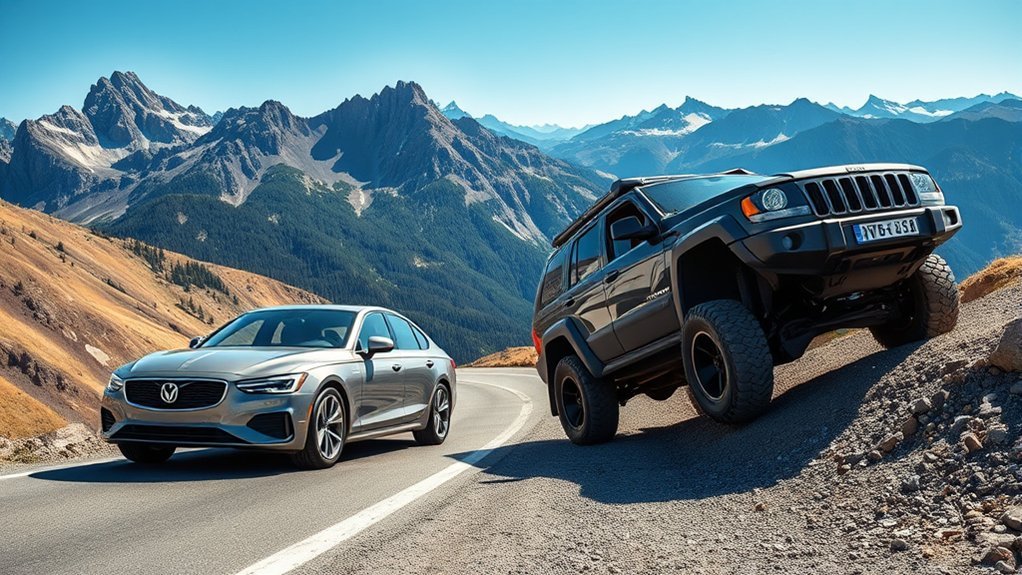
When comparing front-wheel drive (FWD) to all-wheel drive (AWD), you’ll notice key differences in traction and performance. FWD powers only the front wheels, making it lighter and more fuel-efficient, but it may struggle in severe weather. AWD, however, distributes power to all four wheels, enhancing grip and stability in challenging conditions. While FWD tends to be more affordable, AWD offers better control for adventures. There’s much more to evaluate, so let’s explore each option further.
What Is Front-Wheel Drive (FWD) and How Does It Work?
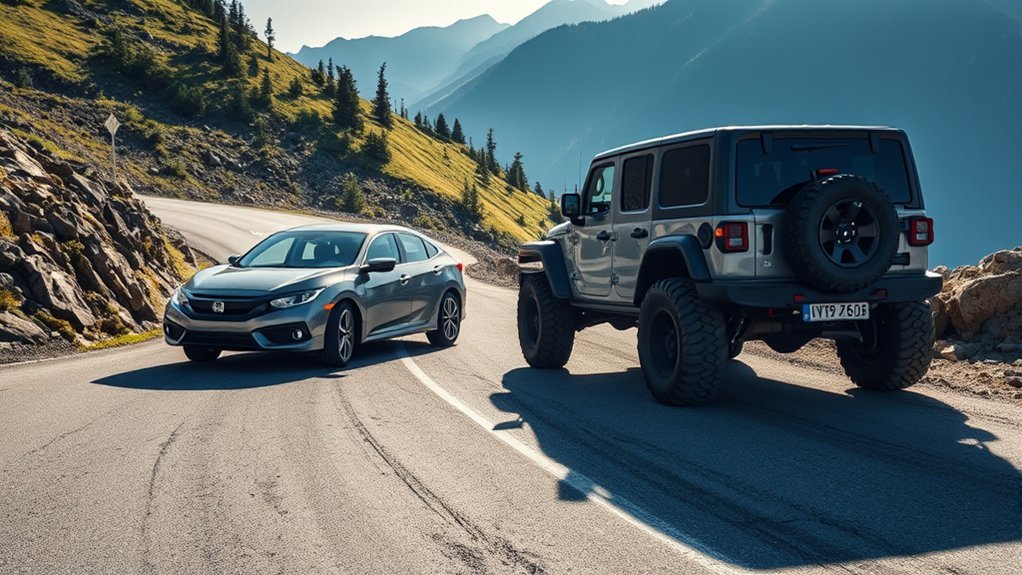
When you get behind the wheel of a Front-Wheel Drive (FWD) vehicle, you’re experiencing a drivetrain configuration that channels power directly to the front wheels. This setup, rooted in efficient FWD mechanics, allows the vehicle to pull itself forward, creating an engaging driving experience. One of the key FWD benefits is its lighter design, as it eliminates the need for a lengthy driveshaft, enhancing fuel efficiency.
Moreover, the engine’s weight over the front wheels improves traction on slippery surfaces, giving you confidence in various driving conditions. FWD systems are typically found in compact cars, making them more affordable to manufacture and maintain compared to All-Wheel Drive options. While you may encounter understeer in tight corners or torque steer during rapid acceleration, the overall handling remains adept for daily driving. Embracing FWD means enjoying a blend of practicality and performance, empowering your journey on the road.
What’s Great About All-Wheel Drive (AWD)?
All-Wheel Drive (AWD) offers you enhanced traction control, making it a standout choice for maneuvering unpredictable road conditions. Whether you’re facing rain-soaked streets or snowy trails, AWD adjusts power between wheels to optimize your vehicle’s performance automatically. This versatility not only boosts your confidence behind the wheel but can also lead to a higher resale value down the line.
Enhanced Traction Control
While driving on slick roads or maneuvering uneven terrain, having enhanced traction control can make all the difference. All-Wheel Drive (AWD) distributes power to all four wheels, giving you superior grip and control in adverse weather, like rain or snow. With advanced traction technology, AWD systems adjust power distribution in real-time, improving your winter performance when slippage occurs. This capability reduces understeer during cornering, making your ride safer and more enjoyable. Plus, many AWD vehicles feature better ground clearance and suspension, allowing you to tackle challenging driving scenarios with confidence. By enhancing handling and responsiveness, AWD transforms everyday commutes into exhilarating experiences, empowering you to embrace diverse driving conditions without hesitation.
Versatile Driving Conditions
Driving through challenging conditions becomes far less intimidating with an AWD system, as it seamlessly adapts to varying terrains and weather. You’ll appreciate the following benefits of AWD:
- Enhanced Off-Road Capability: Tackle rugged trails and rough terrains without hesitation.
- Weather Adaptability: Navigate through rain, snow, or ice with confidence, as power distributes to all four wheels for superior grip.
- Automatic Power Distribution: Modern AWD systems adjust power based on road conditions, providing effortless handling and stability.
- Improved Acceleration: Experience quicker starts on dry surfaces, enhancing your overall driving response.
With these advantages, AWD offers the versatility and freedom you need for both everyday driving and outdoor adventures, ensuring safety and performance in any situation.
FWD vs. AWD: Key Differences in Traction and Performance
When traversing varying road conditions, understanding the differences between front-wheel drive (FWD) and all-wheel drive (AWD) can greatly impact your driving experience. AWD offers significant traction benefits by powering all four wheels, enhancing grip on slippery or uneven surfaces. In contrast, FWD delivers power only to the front wheels, which can struggle in severe conditions.
In terms of performance comparison, AWD systems improve acceleration and stability during adverse weather, making them ideal for outdoor adventures. However, FWD vehicles tend to be lighter, offering better fuel efficiency and handling on dry roads. While AWD provides better control in challenging conditions, it typically comes with higher upfront costs and maintenance expenses. FWD, being more budget-friendly, suits urban commuters seeking practicality. Ultimately, your choice will depend on how you balance traction needs with performance desires.
Pros of Choosing Front-Wheel Drive
Choosing front-wheel drive (FWD) can be a smart decision for many drivers, especially those who prioritize fuel efficiency and affordability. Here are some compelling pros of opting for FWD:
- Better Fuel Economy: FWD vehicles typically offer superior fuel efficiency due to their lighter weight and simpler design.
- Cost Savings: They’re generally more affordable to purchase and maintain, making them ideal for budget-conscious buyers.
- Improved Traction: With the engine weight over the front wheels, FWD provides enhanced traction on slippery surfaces like snow and ice.
- Spacious Interiors: The absence of a central driveshaft allows for more room in the cabin, making your ride more comfortable.
Advantages of All-Wheel Drive
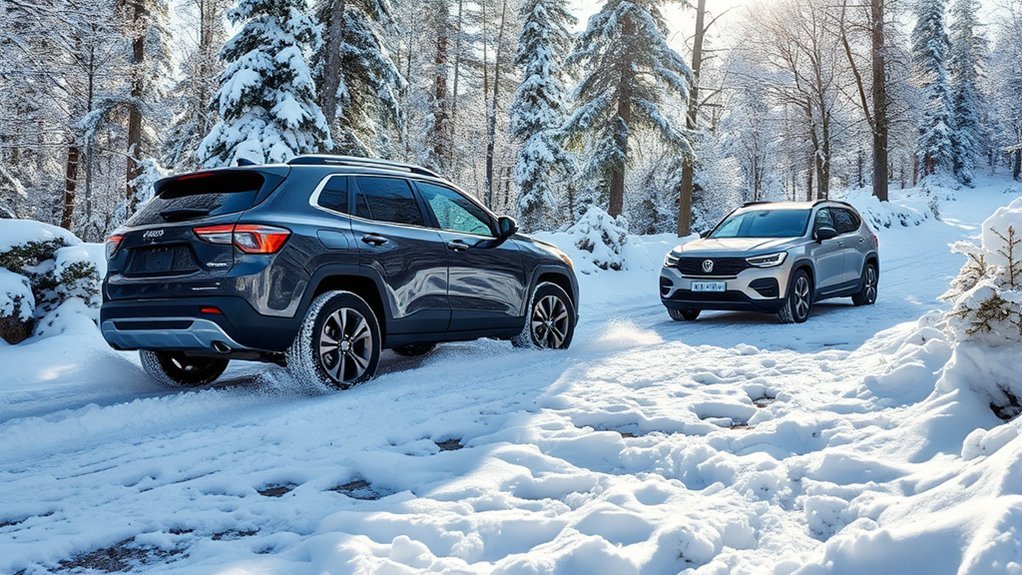
All-Wheel Drive (AWD) systems provide a significant advantage by distributing power to all four wheels, which enhances traction and stability on various terrains. Whether you’re maneuvering through heavy snowfall or tackling rugged trails, AWD technology benefits your driving experience. You’ll notice improved acceleration and handling in adverse weather conditions, making it a go-to choice for many drivers.
AWD vehicle types, ranging from SUVs to performance cars, often come equipped with advanced technology that automatically adjusts power distribution. This guarantees you maintain efficiency without sacrificing performance. Plus, AWD vehicles typically boast higher resale values due to their versatility and capability in diverse conditions. If you love outdoor adventures or simply want peace of mind in unpredictable weather, opting for an AWD system can liberate your driving experience, allowing you to explore with confidence.
How to Choose the Right Drivetrain for Your Needs?
Driving in various conditions can highlight the advantages of an All-Wheel Drive (AWD) system, but choosing the right drivetrain involves more than just considering weather and terrain. Here’s how to find the best fit for your driving lifestyle:
- Assess Your Climate: If you face heavy snowfall or frequent rain, AWD offers superior traction and stability.
- Consider Fuel Economy: For urban commuting, Front-Wheel Drive (FWD) typically provides better fuel efficiency due to its lighter build.
- Evaluate Cost Factors: Remember that AWD vehicles often come with higher upfront costs and maintenance expenses, impacting long-term ownership.
- Analyze Driving Conditions: If rugged terrain or off-road adventures are your norm, AWD is preferable; otherwise, FWD suits standard roads just fine.
Frequently Asked Questions
Do I Really Need 4 Wheel Drive?
You don’t really need 4WD unless you tackle extreme driving conditions. Consider performance benefits, fuel efficiency, and maintenance costs. For most urban drivers, FWD or AWD offers sufficient capability without the added complexity and expense.
Conclusion
In the battle of FWD versus AWD, you’ve got efficiency on one side and versatility on the other. If you’re cruising through city streets, FWD’s fuel economy shines, effortlessly gliding through traffic. But when winter storms hit, AWD’s grip provides confidence, tackling icy roads with ease. Ultimately, your choice hinges on your driving habits—whether you prefer the nimble handling of FWD or the rugged capability of AWD. Consider your lifestyle, and let that guide your decision.