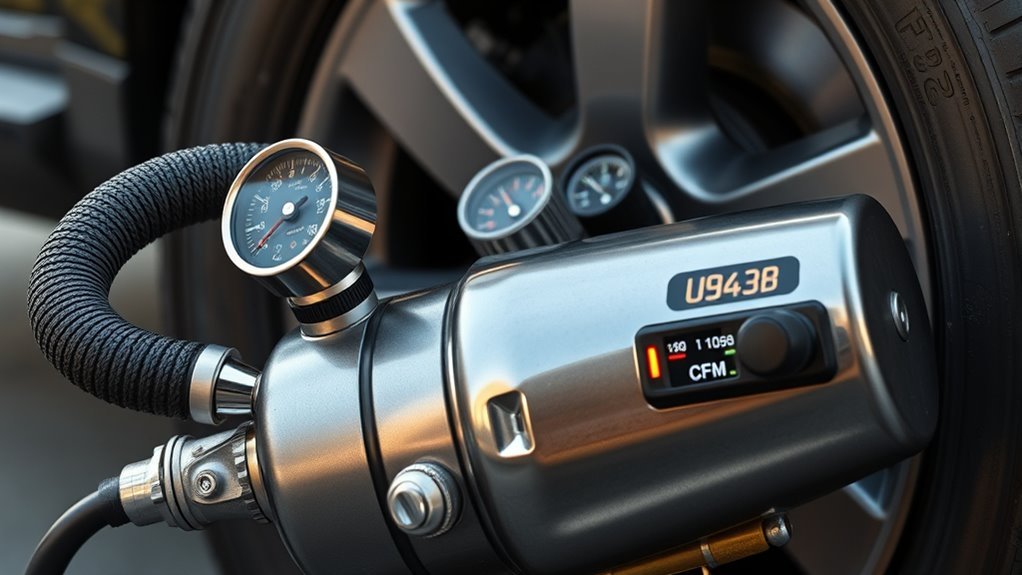
Choosing between corded and cordless tire inflators comes down to where you use the inflator most, how many tires you expect to fill at once, and whether speed or portability matters more. Corded models are usually the better fit for garages, driveways, and repeated use, while cordless models are easier to keep in a vehicle for roadside top-ups and emergencies.
Quick Answer
A corded tire inflator is usually best for home use, multiple tires, and stronger steady power. A cordless tire inflator is best for portability, quick roadside top-ups, and situations where you may not have access to an outlet or 12-volt power port.
Key Takeaways
- Choose corded if you want dependable power, longer run time, and faster inflation for repeated use.
- Choose cordless if you want a compact inflator that is easy to store in your car and use away from power.
- Always inflate to the vehicle manufacturer’s recommended cold PSI, not the maximum PSI printed on the tire sidewall.
- For the best buy, compare airflow, duty cycle, hose length, gauge accuracy, auto shut-off, and power source—not just maximum PSI.
Understanding Tire Inflators: Corded vs. Cordless

A tire inflator is a small air compressor used to add air to tires. The main difference between corded and cordless models is the power source. Corded inflators plug into a power supply, such as a vehicle’s 12-volt accessory outlet or a household AC outlet, depending on the model. Cordless inflators run on a rechargeable battery.
That power source affects everything else: inflation speed, portability, run time, storage, and how useful the inflator is during an emergency. A corded unit can keep running as long as the power source is available, while a cordless unit gives you more freedom of movement but depends on battery charge.
Before buying either type, check the inflator’s airflow rating, duty cycle, hose length, pressure gauge accuracy, auto shut-off feature, and whether it can handle your tire size. Maximum PSI alone does not tell you how quickly the inflator will fill a tire.
Note: For tire pressure, use the recommended cold inflation pressure listed on your vehicle’s tire information placard or owner’s manual. The number printed on the tire sidewall is usually the tire’s maximum pressure, not the target pressure for your vehicle.
The Benefits of Using Corded Tire Inflators
Corded tire inflators are a strong choice when reliability matters more than portability. Because they draw power from a vehicle outlet or wall outlet, you do not have to worry about a battery running out halfway through the job.
For home users, this is a major advantage. A corded inflator is especially useful when topping off all four tires, maintaining more than one vehicle, or inflating larger tires that take longer to fill. Many corded units also cost less upfront than cordless models with similar inflation performance because they do not include a rechargeable battery pack.
Corded models can also be a better long-term value if you plan to use the inflator mainly in your driveway or garage. There is no battery to degrade over time, no charging routine to remember, and fewer worries about storing the tool with a dead battery.
Advantages of Cordless Tire Inflators for Car Owners
Cordless tire inflators are popular because they are easy to carry, simple to store, and useful when power access is limited. If you want an inflator that can stay in your trunk, glove box, tool bag, or camping kit, a cordless model is often the more convenient option.
Exceptional Portability Anywhere
The biggest advantage of a cordless inflator is freedom from cords. You can use it around your vehicle without stretching a cable across the driveway or relying on the location of a power outlet. That makes it handy during road trips, campsite stops, parking-lot emergencies, or quick pressure checks before a long drive.
Many cordless models also include digital pressure displays, preset PSI controls, LED lights, and auto shut-off. These features make them easier to use at night or in low-light conditions.
Quick Inflation Convenience
For small top-ups, a cordless inflator can be very convenient. Instead of uncoiling a cord and connecting to your vehicle’s power port, you can attach the hose, set the target PSI, and start inflating. For many drivers, that ease of use means they are more likely to check and correct tire pressure regularly.
Just remember that inflation speed varies widely by model. A compact cordless inflator may be excellent for passenger-car top-ups but slow on large SUV, truck, RV, or trailer tires. Always check the manufacturer’s tire-size guidance and run-time limits before buying.
Consider These Drawbacks of Corded Tire Inflators
Corded tire inflators are dependable, but they are not always the easiest option in real-world use. Their main weakness is reach. If the cord or hose is too short, reaching every tire can be frustrating, especially on larger vehicles.
- Limited mobility: You need a working outlet or vehicle power port nearby.
- Cord management: Long cords can tangle, get dirty, or create a tripping hazard.
- Less convenient storage: Some corded models are bulkier than small cordless inflators.
- Vehicle-port limits: A 12-volt inflator depends on your vehicle outlet and fuse rating, so always follow the inflator manual.
If you mainly want an inflator for roadside use, check that the power cord and air hose are long enough to reach all tires on your vehicle before buying.
Limitations of Cordless Tire Inflators You Should Know

Cordless tire inflators are convenient, but battery life is their biggest limitation. A low or aging battery can reduce run time, slow inflation, or stop the job before all tires are filled. Cold weather can also reduce battery performance.
Another limitation is heat. Small portable compressors often need rest periods after several minutes of use. This is called the duty cycle. If the inflator’s manual says to rest the unit after a certain run time, follow that instruction to avoid overheating.
Cordless models may also cost more because the battery and charger add to the price. If the battery is built in and cannot be replaced, the whole inflator may become less useful once the battery wears down.
Warning: Do not use a tire inflator as a fix for a damaged tire. If you see sidewall bulges, cuts, exposed cords, rapid air loss, or severe tire damage, install the spare if safe to do so or call roadside assistance.
Corded vs. Cordless Tire Inflators: Comparison Table
| Feature | Corded Tire Inflator | Cordless Tire Inflator |
|---|---|---|
| Best for | Home use, repeated inflation, larger tires | Roadside top-ups, travel, emergency storage |
| Power source | Vehicle 12V outlet or household outlet, depending on model | Rechargeable battery |
| Run time | Limited mainly by motor heat and power availability | Limited by battery charge and duty cycle |
| Portability | Less portable because of cords | Highly portable and easy to store |
| Long-term maintenance | No battery replacement or charging routine | Battery must be charged and may degrade over time |
| Main downside | Needs a power source and enough cord reach | Battery can run out when you need it most |
[Products Worth Considering]
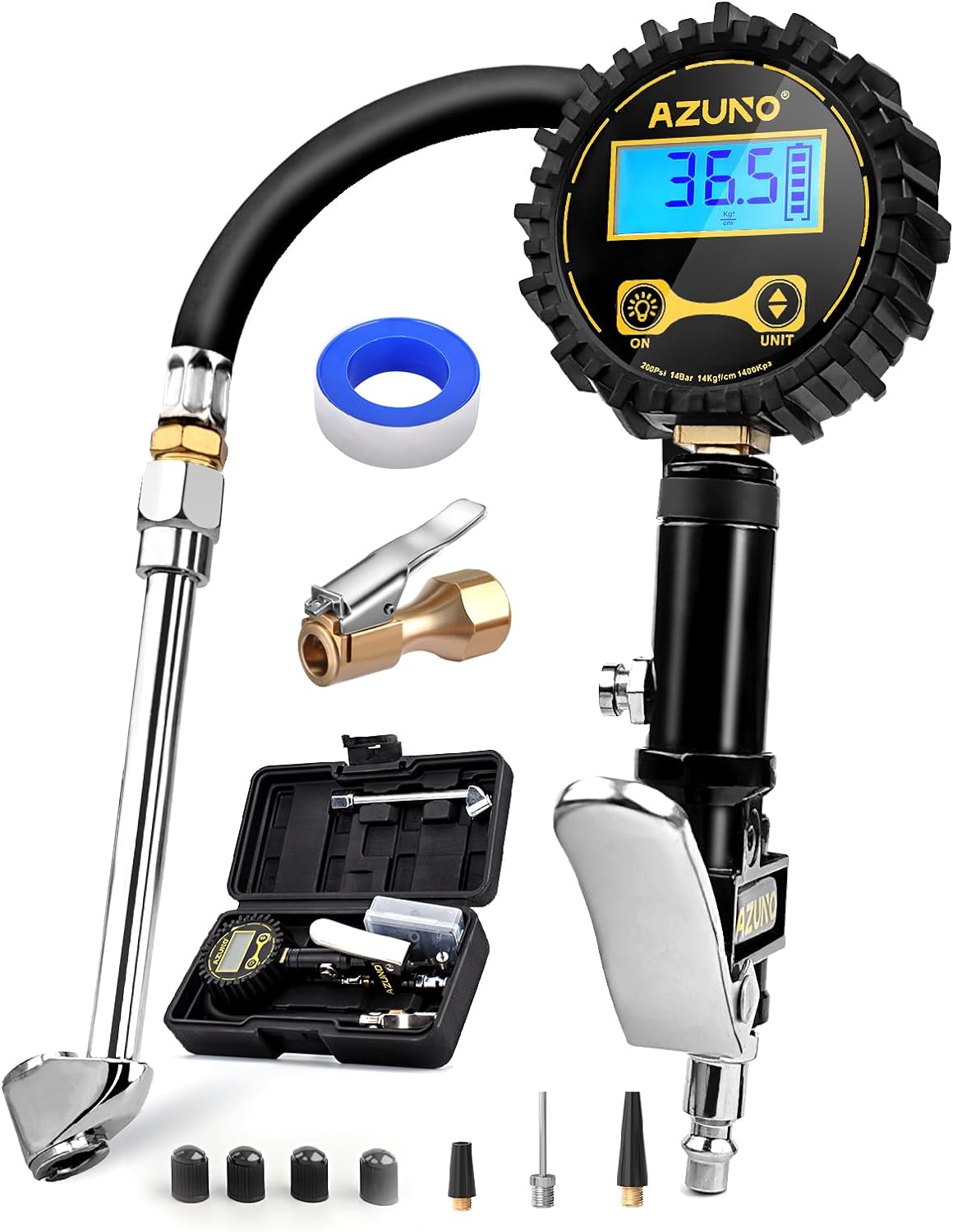
This digital tire inflator delivers accurate, easy-to-read pressure measurements with a bright backlit LCD and precise 0.1 resolution for confident inflation. Designed for single-handed use, it makes it simple to inflate or deflate tires while staying organized in the included portable carrying box. Built for a wide range of vehicles, it is a practical air compressor accessory for cars, trucks, SUVs, motorcycles, and more.

This upgraded Dorman OE FIX oil filter housing replaces failure-prone plastic on select Chrysler, Dodge, Jeep, and Ram vehicles with a durable aluminum design. It includes the oil cooler, filter element, cap, and required gaskets to help deliver a complete repair and updated fitment. Engineered for reliable sealing and long-term leak resistance, it is designed to help solve recurring oil filter housing failures.

This portable tire inflator delivers fast, convenient inflation for cars, bikes, motorcycles, and balls with dual power options from a rechargeable battery or a 12V car cord. Its digital LCD pressure gauge and automatic shutoff help prevent over-inflation, while multiple preset modes and a custom setting make it easy to use for different inflation tasks. Built-in flashlight and USB power ports add extra emergency utility on the road.
Choosing the Right Tire Inflator for Your Needs
The best tire inflator is not always the most expensive one. It is the one that matches your vehicle, your tire size, and how you plan to use it. A commuter who only needs emergency top-ups has different needs than someone maintaining multiple vehicles, trailers, or truck tires at home.
At a Glance
| Time Required | Usually a few minutes for a top-up; longer for very low or larger tires |
| Difficulty | Easy for most drivers |
| Tools Needed | Tire inflator, pressure gauge if the inflator gauge is not trusted, and your vehicle’s recommended cold PSI |
| Cost | Varies by power source, battery system, speed, features, and brand |
Use this checklist before you buy:
- Power source: Decide whether you need AC power, 12-volt vehicle power, cordless battery power, or a hybrid model.
- Airflow: Look for airflow ratings such as liters per minute or CFM. Higher airflow usually fills tires faster.
- Duty cycle: Check how long the inflator can run before it needs to cool down.
- Gauge accuracy: A digital display is convenient, but a separate quality tire gauge is still useful for verification.
- Auto shut-off: This helps prevent overinflation by stopping at your preset PSI.
- Reach: Make sure the hose and cord can reach every tire on your vehicle.
- Tire size support: Confirm the inflator is rated for your vehicle’s tires, especially for trucks, SUVs, trailers, and RVs.
- Storage: For emergency use, choose a model that fits neatly in the vehicle with its hose, accessories, and charger.
[Products Worth Considering]

This portable 12V tire inflator delivers fast, convenient inflation for cars, SUVs, trucks, motorcycles, and other inflatables. It features a digital display, bright LED lighting, auto shutoff, and multiple nozzle adapters to help you inflate accurately and safely, even in low-light situations. The long power cord and air hose make it easy to reach all tires and handle roadside emergencies or routine maintenance.

This portable tire inflator delivers fast, reliable inflation with a high-pressure pump, digital pressure gauge, and automatic shut-off for safer use. Dual power support lets you run it from the built-in battery or a 12V car outlet, while the LED light and USB output make it a practical emergency tool for roadside and outdoor situations.
How to Budget for Your Tire Inflator: What’s Most Affordable?
Corded inflators are often the more affordable choice if you only need a reliable tool for home or garage use. They usually avoid the added cost of a rechargeable battery and charger, and there is no battery pack to replace later.
Cordless inflators generally cost more when they include stronger batteries, faster motors, digital controls, and built-in lights. The tradeoff is convenience. If the inflator will live in your car and be used during travel or emergencies, paying more for cordless portability may be worth it.
When comparing prices, do not focus only on the purchase cost. Also consider battery replacement, warranty length, build quality, hose durability, and whether the inflator shares batteries with tools you already own.
How to Use a Portable Tire Inflator Safely
Using a tire inflator is simple, but a few safety steps matter. The National Highway Traffic Safety Administration recommends using the vehicle manufacturer’s recommended cold inflation pressure from the tire information placard or certification label.
- Park safely. Use a flat, stable area away from traffic whenever possible.
- Find the correct PSI. Check the driver-side door jamb placard or owner’s manual.
- Check tires when cold. A cold tire has been parked for several hours or driven only a very short distance.
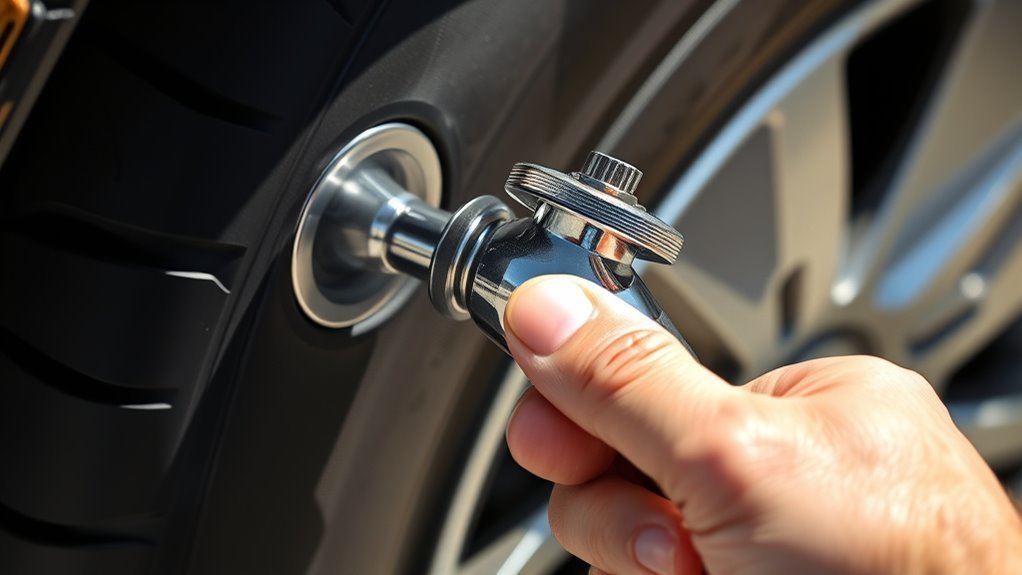
- Attach the hose securely. Remove the valve cap and connect the inflator hose to the valve stem.
- Set the target PSI. If your inflator has auto shut-off, set it to the placard pressure.
- Inflate in short checks. Watch the display and listen for changes in motor sound.
- Verify pressure. Use a separate tire gauge if you want the most accurate reading.
- Replace the valve cap. Store the inflator, cord, hose, and accessories properly.
Pro Tip: Check tire pressure monthly and before long trips. The U.S. Department of Energy notes that properly inflated tires are safer, last longer, and can improve gas mileage compared with underinflated tires.
Evaluating Your Options: Corded vs. Cordless Tire Inflators

If you want the most dependable inflator for the lowest long-term hassle, choose a corded model with enough hose and cord length for your vehicle. It is the practical pick for home maintenance, multiple vehicles, and routine pressure checks.
If you want the easiest inflator to keep in your car, choose a cordless model with good battery life, auto shut-off, and clear pressure controls. It is the practical pick for travel, light emergency use, and drivers who value convenience over maximum run time.
Hybrid inflators can also be a smart middle ground. Some models run from both a rechargeable battery and a 12-volt vehicle outlet, giving you cordless convenience with a backup power option.
A tire inflator is not just a convenience tool. Proper tire pressure supports safer handling, better tire life, and improved fuel economy.
[Products Worth Considering]

【Powerful Inflation】Delivers up to 150 PSI on CUSTOM MODE, inflating a 195/65 R15 tire from 30–36 PSI in under 1 minute—fast, reliable performance for roadside emergencies.

RAPID INFLATION & ROAD-READY PORTABILITY: Powerful 120W motor delivers up to 35L/min airflow—inflates a standard car tire (195/65 R15) from 30 to 36 PSI in under 1 minute under ideal operating conditions. Weighs only 2.2 lbs and fits glove compartments or trunks for daily commutes, road trips, and emergencies. Plugs into standard 12V DC car outlet with 15A fuse protection. AIRUN H features its cordless counterpart H2 Pro.

[Fast & Efficient Inflation] The OlarHike tire inflator features a high-performance motor that delivers rapid airflow—inflate a standard car tire (195/65 R15) from 30 to 35 PSI (+5 PSI) in just 55 seconds, or a larger SUV tire (235/65 R17) from 30 to 35 PSI (+5 PSI) in only 2.2 minutes. Ideal for cars, SUVs, light Pickup(Within 51 PSI), motorcycles, bicycles, and sports balls. Its practical everyday usefulness also makes it a thoughtful car gift for men who value reliable tools for their vehicles. Important Note: The unit can only inflate car and pickup truck tires up to 51 PSI and is not compatible with heavy-duty pickup trucks or RVs.
Maintenance and Storage Tips
A tire inflator is most useful when it is ready before you need it. Whether you choose corded or cordless, store it carefully and check it occasionally.
- For corded models: Inspect the cord, plug, hose, and valve connector for wear or cracking.
- For cordless models: Recharge the battery on a regular schedule and before long trips.
- For all models: Keep accessories together, avoid moisture, and follow the manual’s cool-down instructions.
- For accuracy: Compare the built-in gauge against a trusted tire gauge from time to time.
Common Mistakes to Avoid
- Using the sidewall PSI as the target: Use the vehicle placard pressure instead.
- Ignoring duty cycle: Running a small inflator too long can overheat it.
- Buying by maximum PSI only: Airflow and duty cycle usually matter more for real inflation speed.
- Forgetting the spare tire: If your vehicle has a spare, check it according to your owner’s manual.
- Leaving a cordless inflator uncharged: A portable inflator is only useful if the battery is ready.
Making the Best Choice: Your Ideal Tire Inflator Awaits
Choose a corded tire inflator if you want steady power, strong value, and dependable performance for home use. Choose a cordless tire inflator if you want portability, quick access, and easier storage in your vehicle.
For many drivers, the best setup is simple: keep a cordless or compact 12-volt inflator in the car for emergencies and use a stronger corded model at home for routine maintenance. That gives you both convenience and reliability without depending on one tool for every situation.
Frequently Asked Questions
Which is better: a wired or wireless tyre inflator?
A wired or corded tyre inflator is usually better for home use, repeated inflation, and larger tires because it has steady power. A wireless or cordless tyre inflator is better for portability, travel, and emergency top-ups because it does not need a nearby outlet or power cord.
What is the most reliable portable tire inflator?
The most reliable portable tire inflator is one that matches your tire size, has a clear pressure gauge, auto shut-off, a durable hose, thermal protection, and enough run time for your vehicle. For cordless models, also look for a replaceable battery or a battery system you already use.
What is a good PSI for a portable tire inflator?
A portable tire inflator should be set to the recommended cold tire pressure for your specific vehicle. You can usually find that PSI on the driver-side door jamb placard or in the owner’s manual. Many passenger cars fall around the 30–35 PSI range, but your vehicle’s placard is the correct source.
Which is the best tyre inflator to buy?
The best tyre inflator to buy is the one that fits your use case. Pick corded for garage use, multiple vehicles, and stronger run time. Pick cordless for roadside convenience and easy storage. Pick a hybrid model if you want battery power with a 12-volt backup option.
Can a cordless tire inflator fill SUV or truck tires?
Some cordless tire inflators can top off SUV or light-truck tires, but smaller models may be slow or may need cool-down breaks. Check the manufacturer’s supported tire sizes, airflow rating, duty cycle, and battery run time before relying on one for larger tires.
Should I check tire pressure when tires are hot or cold?
Check tire pressure when tires are cold for the most accurate reading. Tire pressure rises as tires heat up during driving, so a hot reading can be misleading. If you must add air when tires are warm, follow your vehicle manual or tire-safety guidance carefully.
Conclusion
Corded and cordless tire inflators both have a place in smart tire maintenance. A corded inflator is the better choice when you want steady power, better long-term value, and dependable performance at home. A cordless inflator is the better choice when you want portability, quick setup, and emergency convenience on the road.
For the safest results, choose an inflator that fits your tire size, follow the tool’s duty cycle, and inflate only to the vehicle manufacturer’s recommended cold PSI. That simple habit can help protect your tires, improve fuel economy, and make every drive safer.
Sources
- National Highway Traffic Safety Administration: Tire Safety — supports cold tire pressure guidance and use of the vehicle tire information placard.
- FuelEconomy.gov: Keeping Your Vehicle in Shape — supports the fuel economy and safety benefits of proper tire inflation.
- Bridgestone Americas: Proper Tire Inflation — supports cold-pressure checking and tire inflation best practices.
- Michelin: Tire Pressure Guide — supports checking tire pressure and following vehicle manufacturer recommendations.