
If your Camry’s transmission is slipping, you might notice hesitation when shifting, delayed engagement, or sudden jumps during acceleration. To diagnose this, check the transmission fluid level and quality, inspect the oil sump for debris, and monitor warning lights. Regular maintenance, like fluid changes and filter checks, can prevent issues. If problems persist, like burning smells or continuous slipping, it’s time to consult a professional. Discover more about effective solutions and repair options next.
Common Symptoms of Transmission Slipping in Your Camry

When you notice your Camry hesitating to respond when shifting into ‘drive’ or ‘reverse,’ it’s often an early sign of transmission slipping. This delayed engagement can indicate internal issues within the transmission system. You might also experience sudden jumps or pauses during acceleration. Pay attention if the engine revs without a corresponding increase in vehicle speed; this suggests a failure to effectively convey power, impacting overall engine performance.
Additionally, warning lights like the check engine or transmission light may illuminate on your dashboard, signaling the need for immediate inspection. If you observe transmission slipping after driving around 10 miles, it could hint at overheating or fluid flow issues. Regularly checking your transmission fluid level and condition can help you maintain performance and prevent more severe problems down the road. Addressing these symptoms promptly can liberate you from potential costly repairs.
How to Diagnose Transmission Slipping Problems?
Diagnosing transmission slipping in your Camry requires a systematic approach to identify the underlying issues. Start by checking for common symptoms, then conduct the following key inspections:
- Fluid Inspection: Check the transmission fluid level and quality. Bright red fluid without burning odors indicates good condition, while low or dirty fluid may need changing.
- Sensor Testing: Test the speed sensors and the ABS module, as malfunctions here can affect shifting and contribute to slipping.
- Visual Inspection: Examine the oil sump and filter for debris. A clogged filter can restrict fluid flow and worsen slipping issues.
Additionally, keep an eye on dashboard warning lights, as they can signal transmission irregularities. By following these steps, you’ll be better equipped to pinpoint the cause of the slipping and take appropriate action.
Prevent Transmission Slipping: Essential Maintenance Tips
To prevent transmission slipping in your Camry, regular maintenance is essential. Start by checking and changing the transmission fluid every 30,000 to 60,000 miles. This helps maintain fluid quality and prevents contamination. Regularly inspect and clean the transmission filter; a clogged filter can impede fluid flow, leading to slipping.
Keep an eye out for leaks, like bright red fluid spots under your vehicle, and address them promptly to maintain proper fluid levels. Always use high-quality transmission fluid suitable for your Camry, as the wrong type can result in overheating and slipping. Finally, perform routine inspections of the transmission cooler and lines to guarantee efficient fluid circulation.
| Maintenance Task | Frequency | Importance |
|---|---|---|
| Check/Change Fluid | Every 30,000-60,000 miles | Maintains fluid quality |
| Inspect/Clean Filter | Every service interval | Guarantees proper fluid flow |
| Leak Check | Monthly | Prevents low fluid levels |
| Use Quality Fluid | As needed | Avoids overheating issues |
| Inspect Cooler/Lines | Every service interval | Guarantees efficient fluid circulation |
When Should You Call in a Pro for Repairs?
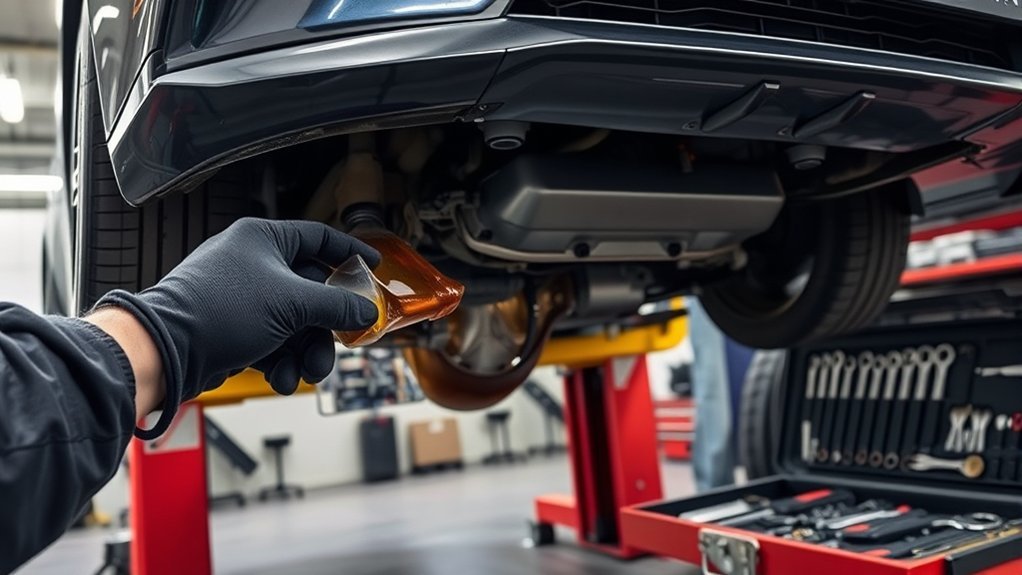
Wondering if it’s time to call in a pro for your Camry’s transmission issues? Ignoring warning signs can lead to costly repairs. Here are some key indicators that you shouldn’t overlook:
- Delayed response or sudden pauses during acceleration
- Fluid leaks or burning smells that suggest overheating
- Speedometer failure or struggles to pick up speed
If you notice any of these symptoms, it’s wise to seek professional help. Continuous transmission slipping after about 10 miles indicates a deeper issue, often related to fluid maintenance or mechanical problems. A mechanic can perform thorough transmission diagnostics to identify the root cause and recommend necessary repairs. Don’t wait until it’s too late; addressing these concerns early can save you from extensive damage and expenses. Remember, your safety and your Camry’s performance depend on timely intervention.
Repair vs. Replacement: Cost-Effective Solutions
When faced with transmission issues in your Camry, deciding between repair and replacement can greatly impact your budget and vehicle reliability. Start by conducting a cost analysis: basic repairs like fluid changes and filter replacements range from $150 to $300, while a used transmission can cost over $1,000. Regular filter maintenance can enhance repair longevity and prevent severe performance issues. If you’re comfortable with DIY tasks, performing fluid flushes or cleaning the filter can save you money, but make sure you follow proper procedures to avoid damage. However, if your Camry exceeds 200,000 miles and you’re facing frequent repairs, a replacement might be a more economical choice in the long run. Weigh the risks of being stranded against the costs of ongoing repairs, as a used transmission could offer a more reliable solution for your slipping issues.
Frequently Asked Questions
Can a Transmission That’s Slipping Be Fixed?
Yes, a slipping transmission can be fixed. Start by diagnosing slipping causes like fluid issues or solenoid failures. Consider transmission repair options, including fluid changes or, if necessary, a rebuild for long-term reliability.
Conclusion
To sum up, if you notice your Camry’s transmission slipping, you’re not alone—about 20% of drivers experience similar issues at some point. Addressing symptoms early can save you time and money. Regular maintenance is key to preventing problems, but if issues persist, don’t hesitate to consult a professional. Weigh the costs of repair versus replacement carefully to make an informed decision. Your car’s performance and safety depend on it!