If your Camry’s TPMS light stays on after filling your tires, it may indicate a sensor issue or that you need to reset the system. Check your tire pressure to verify it’s above 28 psi and then follow the reset procedure for your model year. If the light persists, it might signal a malfunctioning sensor or dead battery. Regular monitoring and immediate action can help maintain your system’s functionality. Explore further details to confirm your TPMS works seamlessly.
Why Your TPMS Light Is On and What to Do About It
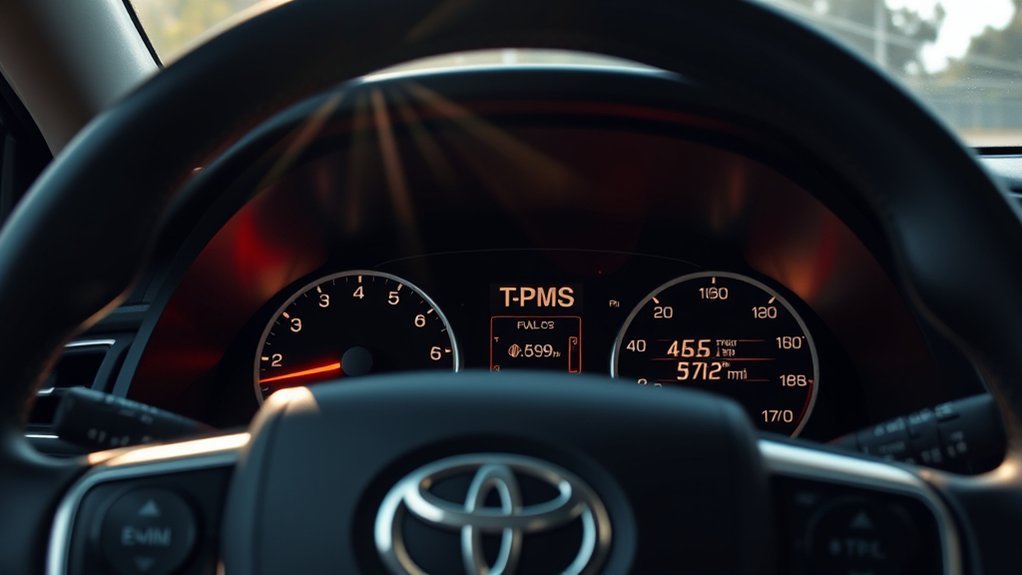
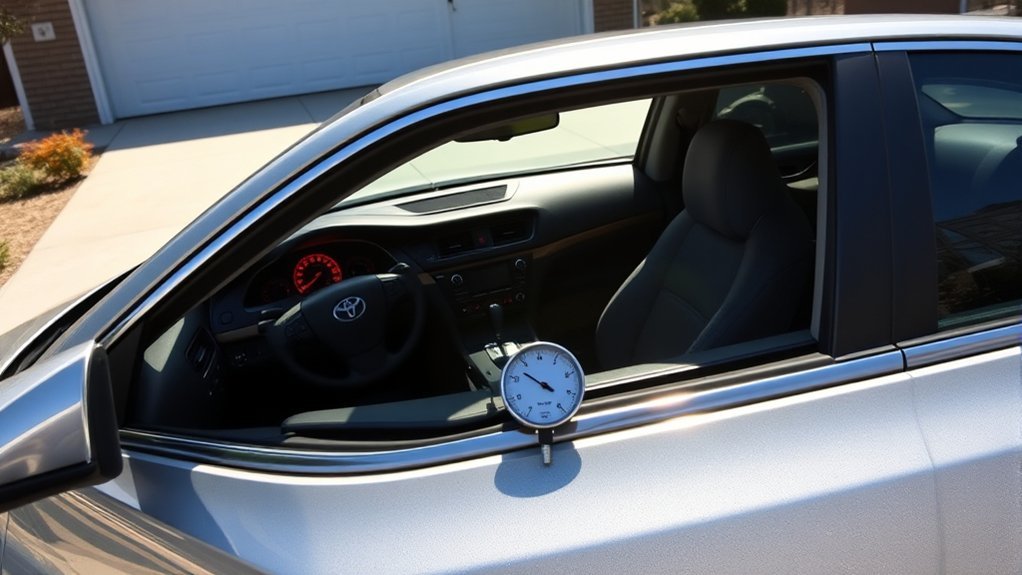
If your TPMS light is on, it often signals an issue with your tire pressure or the monitoring system itself. After filling your tires, if the light remains illuminated, check if the tire inflation meets the recommended level, typically around 28 psi. Cold weather can cause pressure drops, triggering the light, so regular checks during winter are essential. If the light temporarily turns off but returns after driving, it may indicate a sensor malfunction; remember that sensor batteries last about nine years. For 2013-2014 Camry models, the TPMS resets automatically when driving straight at 25 mph for 10-30 minutes. To avoid unnecessary costs, regularly inspect for air leaks and maintain proper tire pressures. Addressing these issues not only keeps you safe but also liberates you from the hassle of frequent repairs and replacements.
Common Reasons Why Your TPMS Light Might Stay On
After addressing initial concerns about your TPMS light, it’s important to understand why it might stay illuminated. Here are some common reasons:
- Dead sensor battery: Typically lasts about 9 years; replacement may be necessary.
- Cold weather: Can drop tire pressure below 28 psi, triggering the TPMS light even after filling.
- Significant pressure difference: A 10 psi or more disparity between tires can activate the warning.
- Failure to reset: If you adjust tire pressure, neglecting to reset the TPMS can leave the light on.
- Malfunctioning sensor: Intermittent issues may indicate a sensor problem, often diagnosed by tire shops without removing tires.
Regular pressure checks and awareness of these factors can help you manage your TPMS light effectively. Understanding these elements guarantees your vehicle remains safe and responsive on the road.
How to Easily Reset Your Camry’s TPMS
Resetting your Camry’s TPMS is a straightforward process that guarantees your tire pressure monitoring system accurately reflects your tire conditions. For 2007-2017 models, start by adjusting your tire pressure to the recommended level, then turn the ignition to the “arm” position. Press the tire set button until the indicator blinks slowly three times. If you own a 2018-2024 Camry, confirm proper tire inflation, turn on the vehicle, and access the settings menu. Select TPWS and hold “okay” until the reset completes. For models with a 7-inch display, follow the same inflation steps, scroll to the gear icon, and hold “okay” after selecting TPWS. Maintaining tire pressure above 28 psi is vital to prevent the TPMS light from activating. Additionally, driving straight for 10-30 minutes at 25 mph or more may automatically reset the TPMS, aiding in sensor calibration.
When Should You Consult a Professional for TPMS Problems?
A persistent TPMS light can be a sign of underlying issues that require professional attention. If you’ve confirmed proper tire pressure but the light stays on, it’s time to seek help. Here are some situations when consulting a professional is essential:
- The light remains illuminated after multiple resets, indicating a potential sensor malfunction.
- Your vehicle is over nine years old without sensor replacements; a thorough check-up is advisable.
- You notice frequent pressure drops, suggesting possible air leaks or other tire issues.
- Diagnostic procedures at tire shops can identify sensor problems without removing tires, saving you money.
- If you lack experience with TPMS systems, professional guidance can prevent costly mistakes.
Don’t ignore these signs; addressing TPMS issues early can enhance your safety and prolong the life of your tires.
Essential Tips for Keeping Your Tire Pressure and Sensors in Check
Maintaining ideal tire pressure and ensuring your TPMS sensors function correctly are vital for vehicle safety and performance. Always check your tire pressure when the TPMS light activates; a drop below 28 psi can trigger this warning and lead to sensor issues. Cold weather can greatly affect tire inflation, so monitor your tires regularly during colder months to prevent unnecessary alerts. A difference of 10 psi between tires can also activate the TPMS light, making consistent checks essential for balanced tire pressure.
Regular tire maintenance, including visual inspections for wear and periodic pressure checks, helps prevent TPMS light issues. If the light remains on after filling your tires, consider that the battery in one or more sensors may need replacement, typically after about nine years. By staying proactive with these practices, you not only enhance your driving experience but also extend sensor longevity, ensuring your safety on the road.
Frequently Asked Questions
Can Weather Affect My TPMS Light Status?
Yes, weather can affect your TPMS light status. Temperature fluctuations impact tire pressure, causing it to drop or rise. Regularly check your tire pressure to guarantee peak performance and avoid unnecessary alerts from your TPMS.
What if My TPMS Light Blinks Instead of Staying On?
If your TPMS light blinks, it often indicates a malfunction. About 20% of drivers face common sensor issues. Use TPMS troubleshooting tips to check for faults and guarantee proper tire pressure for safety.
How Often Should I Check Tire Pressure?
You should check tire pressure monthly and during seasonal changes. Regular tire pressure maintenance guarantees peak performance, safety, and fuel efficiency. Don’t forget to adjust pressures according to temperature fluctuations for the best results.
Are There Any DIY Tools for Diagnosing TPMS Issues?
Yes, you can use diagnostic tools like a TPMS reset tool to identify issues. These tools help you read sensor data and troubleshoot problems, empowering you to maintain peak tire health and enhance driving safety.
Can Tire Rotation Impact the TPMS Light?
Yes, tire rotation can affect the TPMS light. When you rotate tires, sensor calibration might shift, leading to discrepancies in tire pressure readings. Confirm sensors are properly recalibrated to avoid warning light miscommunications.
Conclusion
Just like a lighthouse guiding ships safely to shore, your TPMS is there to illuminate potential tire issues. If the light stays on after you’ve filled your tires, it’s time to recalibrate your sensors, ensuring they’re in sync with your tire pressure. Don’t let the beacon fade; reset the system and keep your tires in check. Regular maintenance is key—think of it as tending to a garden, ensuring everything thrives for a smooth ride ahead.