
A blown fuse in your tire inflator often happens due to voltage spikes, overloading, or internal failures. You’ll know it’s blown if the device won’t power on or shows damage in the fuse compartment. To replace it, unplug the inflator, remove the fuse cover, and swap the blown fuse with a new one of the same rating (10A or 15A). Regular maintenance can keep your inflator running smoothly, and there’s more to discover about preventing issues.
What Causes a Blown Fuse in Tire Inflators?
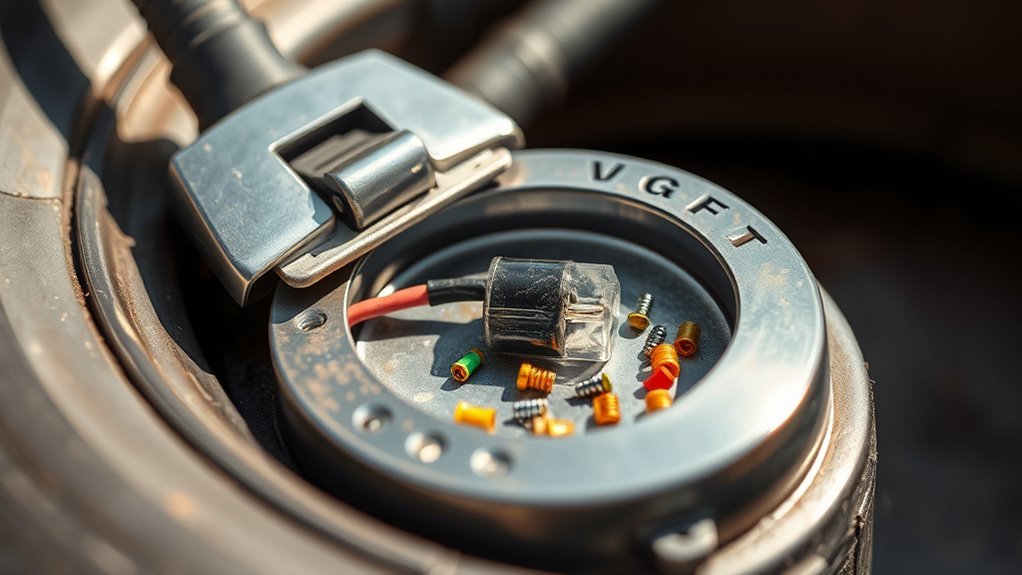
When you use a tire inflator, a blown fuse can occur due to several factors. One common cause is voltage spikes from non-surge protected power sources or faulty electrical connections. If you overload the inflator by exceeding its rated power capacity, especially during prolonged use or when inflating multiple tires, you risk triggering a blown fuse. Internal component failures, like short circuits or damaged motors, can also draw excessive current, leading to the same issue. Additionally, lack of maintenance—such as dirty connections or worn-out parts—can force the inflator to work harder, increasing the likelihood of a blown fuse. Regularly checking and replacing fuses rated at 10A or 15A will help maintain functionality and prevent future electrical problems.
How to Identify a Blown Fuse in Your Inflator
How can you tell if your tire inflator has a blown fuse? First, check if the device powers on. If it doesn’t, despite being connected to a power source, you might be dealing with a blown fuse. Open the inflator’s fuse compartment and visually inspect the fuse for any damage or a broken filament. If you see either, that’s your culprit. Before replacing it, consider resetting the device by holding the power button for 10 seconds—this can sometimes resolve the issue. If the inflator still doesn’t work, you’ll need to replace the blown fuse. Remember, regular maintenance, including checking the fuse, guarantees peak performance and prevents future power issues.
Step-by-Step Guide to Replacing Your Tire Inflator Fuse
To effectively replace a blown fuse in your tire inflator, start by verifying the device is unplugged and has cooled down for safety. Follow these steps:
| Step | Action | Notes |
|---|---|---|
| 1. Unplug the inflator | Disconnect from power source | Safety first |
| 2. Access fuse compartment | Remove screws or cover | Usually on the body |
| 3. Remove blown fuse | Check for visible damage | Use multimeter if needed |
| 4. Insert new fuse | Use 10A or 15A replacement | Match specifications |
| 5. Reassemble inflator | Secure all screws and covers | Verify tight fit |
After replacing the blown fuse, plug in the inflator and test it. Monitor for any unusual signs that may indicate further issues.
Why Regular Maintenance Is Crucial for Your Inflator

Replacing a blown fuse is just one aspect of guaranteeing your tire inflator remains functional. Regular maintenance is essential to reducing failure rates to as low as 10%, which means your inflator will be reliable when you need it most. By cleaning connections and inspecting for wear, you can greatly extend your inflator’s lifespan and prevent unexpected power issues. Updating firmware enhances motor efficiency and improves circuit protection, lowering the risk of blown fuses. Monitoring your inflator’s condition helps you avoid costly repairs and guarantees safe tire inflation, preventing under or overinflation. Following manufacturer guidelines for maintenance fosters ideal use and helps you identify potential problems before they escalate, ultimately liberating you from unnecessary hassles.
How Surge Protectors Can Save Your Tire Inflator
Surge protectors are essential for shielding your tire inflator from damaging voltage spikes. By maintaining stable power levels, they help extend the device’s lifespan and minimize the risk of blown fuses. Incorporating a surge protector not only safeguards your inflator but also saves you money on potential repairs.
Prevent Voltage Spikes
Voltage spikes can lead to significant issues with your tire inflator, including blown fuses that render the device inoperable. To combat this, using a surge protector is essential. These devices act as a buffer, absorbing excess voltage and maintaining a stable power supply. When you incorporate a surge protector into your setup, you not only enhance the performance of your tire inflator but also prevent costly repairs or replacements due to electrical surges. Many users report a noticeable reduction in issues and extended device life when using a surge protector. Investing in a quality surge protector safeguards your tire inflator, ensuring consistent performance and saving you money in the long run. Don’t underestimate the importance of this simple yet effective solution.
Extend Device Lifespan
While you might not think about it often, protecting your tire inflator with a surge protector can markedly extend its lifespan. Voltage spikes, often caused by power fluctuations or storms, can damage sensitive components and lead to blown fuses. By using a surge protector, you safeguard your inflator from these issues.
| Benefits | Impact |
|---|---|
| Prevents voltage spikes | Reduces risk of blown fuses |
| Prolongs device lifespan | Saves money on repairs |
| Easy to install | Simple protection solution |
Investing in a surge protector is cost-effective, especially when you consider that replacing a blown fuse costs around $2. Regular use can greatly enhance your tire inflator’s durability and performance.
Practical Tips to Prevent Tire Inflator Malfunctions
To prevent tire inflator malfunctions, it’s essential to regularly inspect and clean the power connections, ensuring best performance and longevity. Utilize troubleshooting steps to identify any signs of wear or malfunction early. Protect your inflator from voltage spikes by using a surge protector, which safeguards internal components, including fuses. Always use the original charger for cordless models; this maintains battery health and prevents potential failures. Conduct routine checks to enhance reliability and reduce failure rates. Additionally, keep the firmware updated to improve circuit protection and device efficiency. By adopting these proactive measures, you can greatly extend the life of your tire inflator and enjoy consistent performance when you need it most.
Next Steps If Your Inflator Still Isn’t Working?
Even with regular maintenance, there are times when your tire inflator may still fail to operate. First, check the power source connections; verify they’re secure and undamaged. If that doesn’t work, try resetting the device by holding the power button for 10 seconds. For cordless models, confirm the battery’s charged using the original AstroAI charger, as a low battery can mimic a blown fuse issue. Additionally, consider performing a firmware update to enhance circuit protection. If your inflator still isn’t functioning after these steps, it might be time to consult a professional for repairs. Alternatively, reach out to customer support for further assistance. Don’t let a malfunction hold you back from your adventures.
Frequently Asked Questions
Why Does My Tire Inflator Keep Blowing Fuses?
Your tire inflator keeps blowing fuses due to circuit overload, unstable power sources, or using incompatible chargers. Fuse troubleshooting involves checking connections and replacing fuses correctly to maintain functionality and prevent recurring issues.
What Is the Main Reason for a Blown Fuse?
Think of a fuse as a safety net. The main reason for a blown fuse is an overload or short circuit, often tied to incompatible fuse types, which can compromise the device’s integrity and functionality.
Why Did My Tire Inflator Stop Working?
Your tire inflator stopped working due to potential fuse issues or low power. Regular inflator maintenance, like checking connections and using surge protectors, can prevent malfunctions and guarantee reliable performance when you need it most.
How to Replace Blown Fuses?
To replace blown fuses, unplug the device, locate the fuse compartment, remove the old fuse, and insert a new fuse rated at 10A or 15A. Securely close the compartment and reconnect power.
Conclusion
In conclusion, a blown fuse in your tire inflator can be a minor setback, but it’s easily fixable. For instance, if you’re on a road trip and your inflator suddenly stops working, checking the fuse can save you time and hassle. Regular maintenance and using surge protectors can help prevent future issues. By staying proactive, you guarantee your tire inflator remains reliable when you need it most. Don’t let a blown fuse derail your plans!