Yes, tire inflator hose length matters, but the “best” length depends on the type of inflator you use, the size of your vehicle, and the hose’s inside diameter. A longer hose is easier to reach around a car, truck, trailer, or RV, but it can also add friction, slow airflow, and make inflation take longer. The goal is simple: choose the shortest hose that comfortably reaches every tire, then use enough hose diameter to keep airflow steady.
Quick Answer
For most tire inflators, hose length matters because longer hoses create more friction and can reduce airflow at the tire. A 10- to 25-foot hose is usually convenient for home garages, while longer 50- to 100-foot runs work better with a larger inside diameter, such as 3/8 inch, and a compressor with enough airflow.
Key Takeaways
- Choose the shortest hose that reaches all four tires without stretching or dragging the inflator.
- Long hose runs can slow inflation because air loses energy as it rubs against the inside wall of the hose.
- Hose inside diameter matters as much as length; a wider hose usually maintains better airflow over distance.
- For a small 12-volt tire inflator, a long power cord is often more useful than an extra-long air hose.
- Always set tire pressure using the vehicle’s recommended cold tire pressure, not the maximum pressure printed on the tire sidewall.
At a Glance
| Best Hose Length for Most Cars | 10 to 25 feet |
| Best Hose Length for Garage Compressors | 25 to 50 feet for most home setups |
| Best Hose Diameter for Longer Runs | 3/8 inch inside diameter or larger |
| Main Trade-Off | More reach versus more pressure drop and slower inflation |
Why Hose Length Matters for Tire Inflation
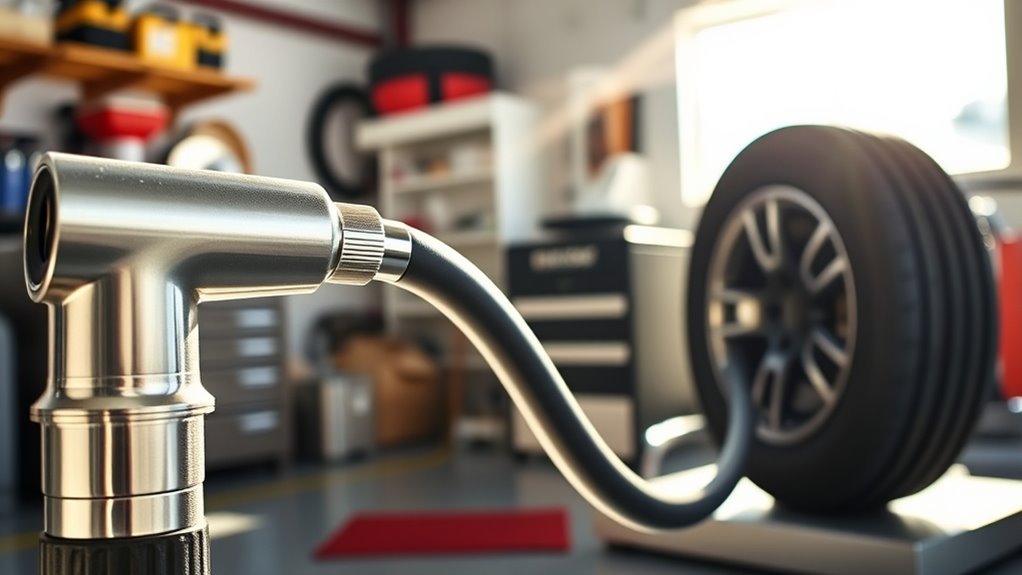
Hose length matters for tire inflation because it affects both convenience and airflow. A hose that is too short forces you to move the compressor around the vehicle. A hose that is much longer than needed can make the inflator work harder and may slow the fill rate, especially when the hose is narrow or fitted with restrictive couplers.
For a small portable tire inflator, the built-in hose is often short because the unit is designed to sit near the tire. In that case, the 12-volt power cord or battery placement may matter more than the air hose length. For a garage air compressor, the hose is usually separate, so you can choose a length that reaches your vehicle while still keeping airflow strong.
A practical rule is to measure from the inflator or compressor location to the farthest tire, then add a little slack so the hose is not pulled tight. For many cars and small SUVs, a 10- to 25-foot hose is enough. For a full garage bay, truck, trailer, or RV, a 25- to 50-foot hose may be more convenient.
Note: Tire pressure should be checked when the tires are cold and set to the pressure listed on the vehicle placard or in the owner’s manual. The National Highway Traffic Safety Administration recommends using the vehicle’s specified cold tire pressure, not the maximum pressure molded into the tire sidewall.
How Pressure Drop Affects Airflow
Pressure drop is the loss of pressure that happens as compressed air moves through a hose, fittings, and couplers. Gates explains that pressure drop comes from friction as air or other fluids move against the inner wall of a hose assembly. The longer the hose, the smaller the inside diameter, and the higher the airflow demand, the more noticeable that loss can become.
Pressure drop is not a fixed number for every hose. It changes with hose length, inside diameter, flow rate, air pressure, fittings, and the condition of the hose.
For tire inflation, pressure drop usually shows up as slower inflation, not necessarily a wrong final tire pressure. If the inflator has enough capacity and you allow enough time, the tire can still reach the correct PSI. The problem is that a long, narrow, kinked, or leaky hose can make the process slower and less efficient.
Common causes of airflow loss include:
- Excessive hose length: More length means more internal friction.
- Small inside diameter: A 1/4-inch hose is lighter and easier to store, but it restricts airflow more than a 3/8-inch hose.
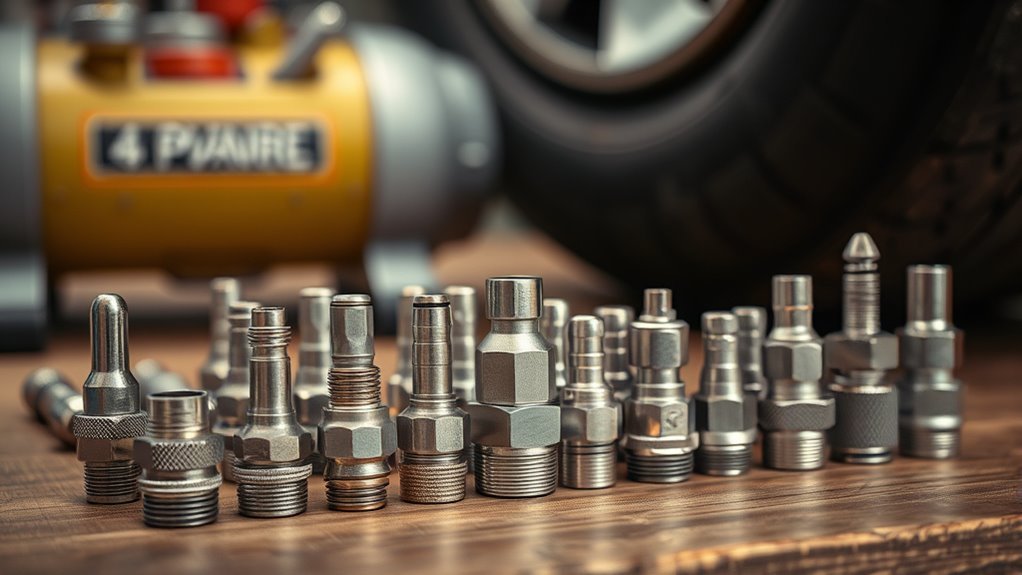
- Restrictive fittings: Quick-connects, adapters, and valve chucks can reduce flow if they are undersized or damaged.
- Kinks and coils: Sharp bends make the air path tighter and slow the flow.
- Leaks: Worn seals, cracked hose, or a loose chuck can waste air before it reaches the tire.
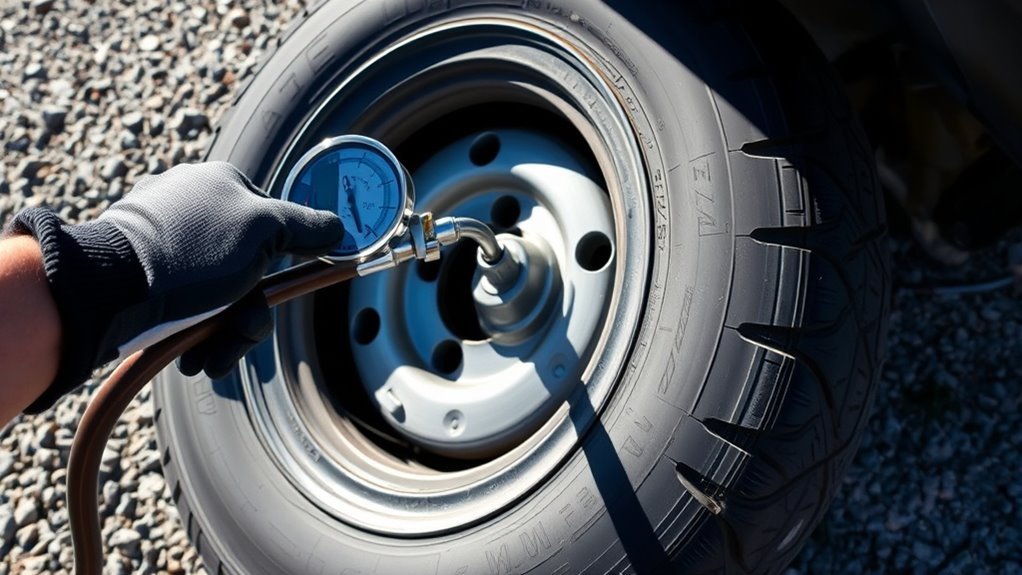
Pro Tip: If your inflator seems slow, check the simple things first: straighten the hose, listen for leaks, make sure the chuck is fully seated on the valve stem, and remove unnecessary adapters.
Why Hose Diameter Matters for Optimal Performance
Hose diameter is just as important as hose length. The measurement that matters most is inside diameter, often listed as ID. A larger inside diameter allows more air to move through the hose with less restriction. That is why a 3/8-inch hose is often a better choice than a 1/4-inch hose for longer garage runs or larger tires.
This does not mean every tire inflator needs the largest hose available. For a compact 12-volt inflator that only fills passenger-car tires, a short 1/4-inch hose may work fine. For a shop compressor, truck tires, RV tires, or frequent use, a wider hose can reduce waiting time and help the compressor deliver air more efficiently.
The Gates Air Flow Pressure Calculator is a useful reference because it shows how hose diameter, length, gauge pressure, and flow all affect pressure loss. The main takeaway for tire inflation is simple: the longer the hose run, the more important hose diameter becomes.
How to Determine the Right Hose Length for Your Vehicle

To choose the right tire inflator hose length, start with reach, then check airflow. The best hose is not the longest one you can buy. It is the shortest one that reaches the farthest tire comfortably while leaving enough slack to avoid strain on the valve stem.
- Pick the inflator location. Decide where the inflator or compressor will sit during use.
- Measure to the farthest tire. Measure from the inflator location to the tire that is farthest away.
- Add working slack. Add a few extra feet so the hose can curve around the vehicle without pulling tight.
- Match diameter to length. For short portable-inflator hoses, the built-in size is usually acceptable. For 25 feet or more, consider a 3/8-inch inside diameter hose when your compressor supports it.
- Check the chuck and fittings. Make sure the air chuck fits securely on standard tire valve stems and does not leak.
| Setup | Practical Hose Length | Best Use |
|---|---|---|
| Compact 12-volt inflator | Built-in short hose, often a few feet long | Emergency tire top-offs and passenger cars |
| Home garage compressor | 10 to 25 feet | Most cars, crossovers, and small SUVs |
| Larger garage or driveway setup | 25 to 50 feet | Trucks, trailers, and vehicles parked farther from the compressor |
| Long shop run | 50 to 100 feet | Only when extra reach is needed; use a larger ID hose and good fittings |
[Products Worth Considering]
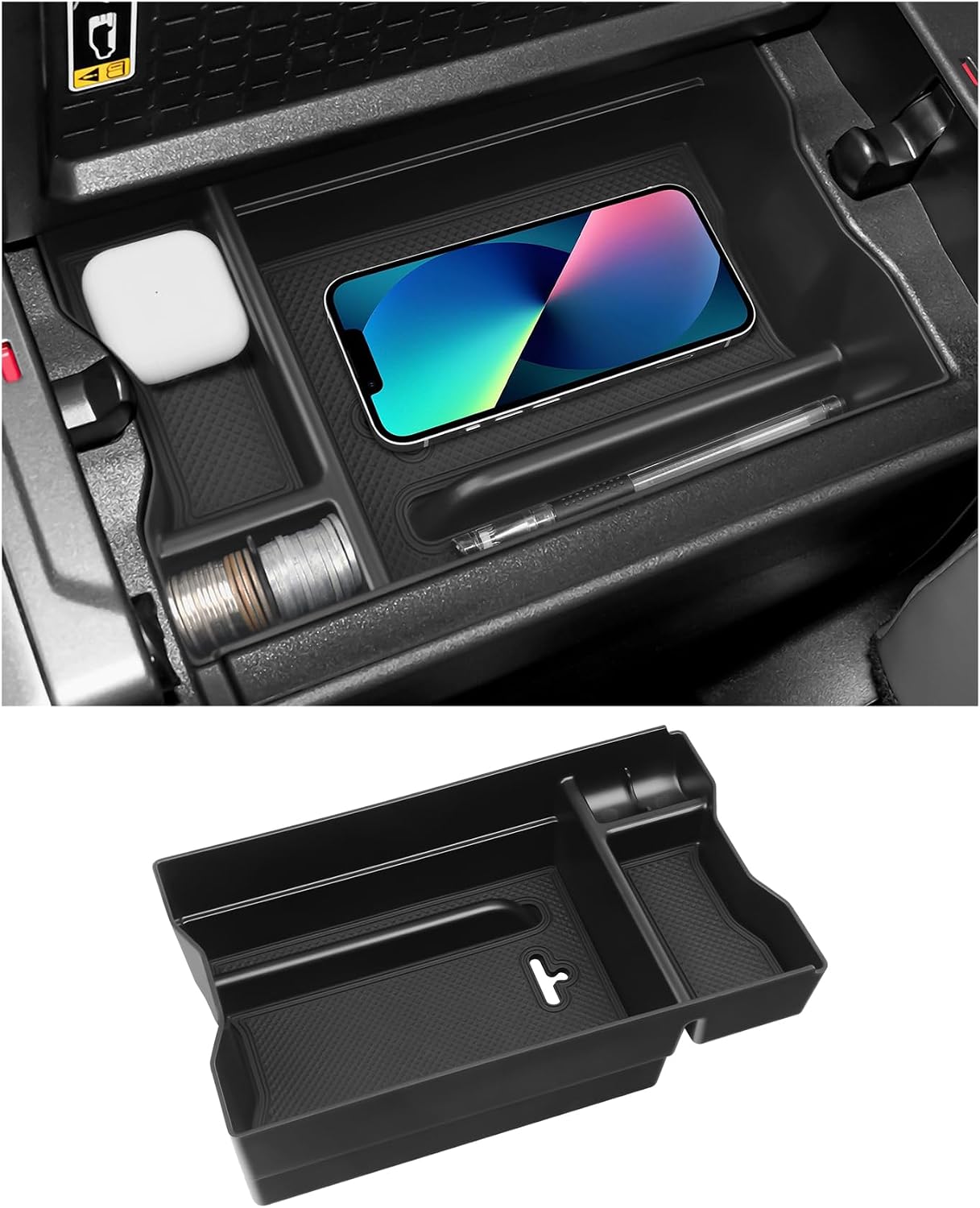
This center console organizer adds a convenient secondary storage layer to compatible Toyota RAV4 hybrid models, helping keep sunglasses, keys, coins, phones, and other small items neatly arranged. Built from durable ABS plastic with a matte finish, it fits directly into the armrest area for quick, tool-free installation and easy removal. Non-slip rubber mats help reduce sliding and noise while maximizing usable storage space inside the console.

Be ready for roadside emergencies with this comprehensive car safety kit designed to help you handle common breakdown situations quickly and confidently. It includes a portable air compressor for fast tire inflation, jumper cables for dead batteries, and a self-contained emergency set with essential tools and first aid supplies. Built for all-weather preparedness, this kit helps keep drivers, passengers, and families safer on the road.

This spring hose clamp set includes multiple sizes to fit a wide range of hoses for fuel, vacuum, air, water, and silicone applications. Made from durable spring steel and paired with a swivel hose clamp plier, it helps create secure, leak-resistant connections while making installation and removal easier. The included storage box keeps sizes organized for quick selection during garage, automotive, motorcycle, boat, or lawn equipment repairs.
Best Practices for Ensuring Your Tire Inflator Operates Effectively
To help your tire inflator operate effectively, focus on reach, airflow, safety, and accurate pressure readings. A good hose setup makes inflation easier, but your tire gauge and inflation method still matter.
- Use the vehicle placard pressure. The correct PSI is usually on the driver-side door jamb placard or in the owner’s manual.
- Check tires cold. Tire pressure rises as tires heat up, so cold readings are more reliable.
- Use a separate tire gauge when accuracy matters. Built-in inflator gauges are convenient, but a quality handheld gauge can help confirm the final pressure.
- Keep the hose straight. Avoid kinks, tight coils, and sharp bends while inflating.
- Inspect the hose often. Look for cracks, soft spots, worn ends, and leaking couplers.
- Keep fittings clean. Dirt in the chuck or coupler can cause leaks and poor sealing.
- Store the hose loosely. Tight wrapping can create memory, kinks, and stress at the fittings.
Warning: Never use compressed air to clean skin, clothing, or people. OSHA’s compressed-air rule for cleaning requires reduced pressure below 30 psi along with chip guarding and personal protective equipment; tire inflation should also be done carefully with secure fittings and within the tire and vehicle manufacturer’s pressure limits.
When a Longer Hose Is Worth It
A longer hose is worth it when it prevents unsafe stretching, keeps the compressor in a stable location, or lets you reach all tires without moving heavy equipment. This is especially useful for trucks, trailers, RVs, dual-axle setups, and garages where the compressor is mounted or stored away from the vehicle.
However, do not choose a 100-foot hose just because it seems more versatile. Extra length adds weight, storage hassle, and friction. If you only inflate one car in a small garage, a shorter hose will usually feel better and work faster.
[Products Worth Considering]

These aluminum alloy tire valve stem caps provide durable, corrosion-resistant protection for your vehicle’s valve stems while helping maintain stable tire pressure. The rubber seal design helps block dust, moisture, and debris, reducing the risk of air leakage and valve damage. Easy to install and styled for a clean look, they fit a range of cars, SUVs, trucks, and motorcycles.

This passenger storage organizer mat is designed to fit the 2026 Toyota RAV4 for a clean, factory-style look with no gaps. It helps protect the original console area from scratches and daily wear while giving you a handy place to store phones, sunglasses, wallets, coins, and cards. Made from durable silicone, it stays in place, reduces rattling, and is easy to remove and clean.

This short universal antenna replacement is designed to improve durability and style on compatible trucks and SUVs. Its compact build helps resist wind, snow, and everyday wear, while the billet aluminum construction and anodized finish offer strong corrosion resistance. Installation is quick and tool-free, making it an easy upgrade for a wide range of popular vehicle models.
When a Shorter Hose Is Better
A shorter hose is better when your inflator can sit close to the tire and you want faster response, easier storage, and fewer leak points. Short hoses are common on portable inflators because they are simple, compact, and efficient for roadside use.
For 12-volt inflators, it is often smarter to look for a longer power cord rather than a much longer air hose. That lets you move the inflator around the vehicle while keeping the air hose short and direct.
[Products Worth Considering]
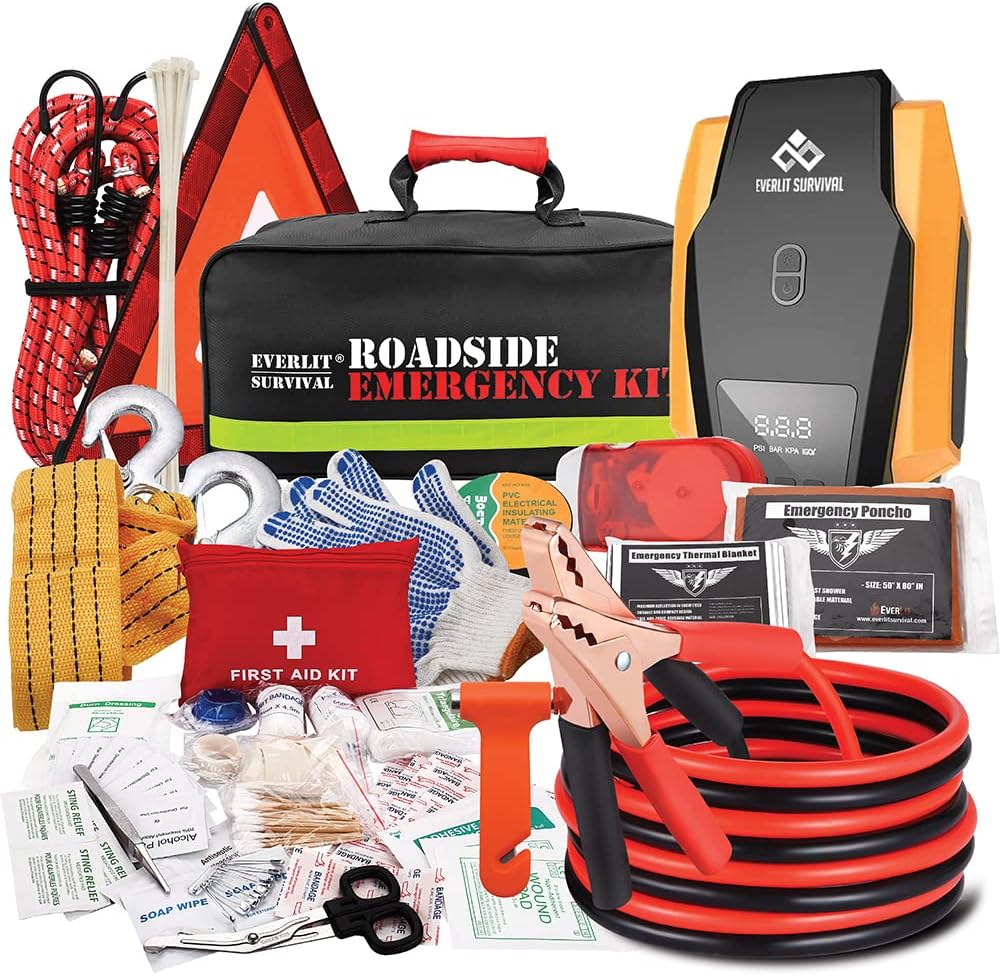
This roadside emergency kit packs essential tools to help drivers handle unexpected breakdowns and stay prepared on the road. It includes a digital tire inflator, jumper cables, first aid supplies, and other safety accessories to support quick, practical roadside response. Designed for everyday drivers and road trips alike, it offers peace of mind for emergencies day or night.

This all-in-one car emergency kit helps drivers stay prepared for roadside breakdowns, flat tires, and dead batteries with essential tools in one compact package. It includes a portable air compressor, heavy-duty jumper cables, a first aid kit, and other safety items designed for year-round peace of mind. Compact enough for easy trunk storage, it makes a practical safety solution and thoughtful gift for drivers of all ages.

This custom-fit cargo net is designed for the 2026 Toyota RAV4 to help keep your trunk organized and secure during everyday driving. It helps hold groceries, tools, and smaller items in place while reducing rolling and shifting, and the heavy-duty carabiners support reliable installation. The net also offers convenient storage and easy access for SUVs and other compatible vehicles.
Common Hose Length Mistakes to Avoid
- Buying too much hose: More reach sounds useful, but excess hose can slow inflation and clutter the workspace.
- Ignoring inside diameter: A long 1/4-inch hose may feel convenient, but it can restrict airflow compared with a 3/8-inch hose.
- Using damaged extensions: Old hose extensions, worn quick-connects, and cheap adapters can leak or restrict flow.
- Pulling on the valve stem: If the hose is stretched tight, it can put side pressure on the valve stem and make the chuck leak.
- Trusting only the inflator gauge: Confirm pressure with a separate tire gauge if the reading seems inconsistent.
Frequently Asked Questions
Does the length of an air hose affect tire inflation pressure?
Yes. Hose length can affect airflow and pressure drop while air is moving through the hose. A longer hose adds friction, so inflation may take longer. Once airflow stops and the tire pressure equalizes, the final tire pressure should still be checked at the tire with a reliable gauge.
Do I need a 50-foot or 100-foot hose for a tire inflator?
Most drivers do not need a 100-foot hose for tire inflation. A 10- to 25-foot hose is usually enough for a home garage, while 50 feet can be useful for larger driveways, trucks, trailers, or fixed compressor locations. Choose 100 feet only when you truly need that reach, and use a larger inside diameter to reduce restriction.
Is a 1/4-inch or 3/8-inch air hose better for tires?
A 1/4-inch hose can work well for short runs and compact portable inflators. A 3/8-inch hose is usually better for longer runs, larger tires, and garage compressors because it allows better airflow with less restriction. For frequent inflation or longer hose runs, 3/8 inch is the safer all-around choice.
Does a longer vacuum hose reduce suction?
Yes. A longer vacuum hose can reduce suction because the air path is longer and friction increases. The same basic idea applies to compressed-air hoses: longer and narrower hoses create more resistance. A wider hose can help maintain flow over a longer distance.
Is a 5/8-inch or 3/4-inch hose better?
For air hoses, common tire-inflation sizes are usually 1/4 inch, 3/8 inch, and sometimes 1/2 inch inside diameter. The 5/8-inch and 3/4-inch sizes are more common in garden hoses and some vacuum or industrial hose setups. If you are choosing an air hose for tire inflation, focus on the air hose’s inside diameter, pressure rating, fitting size, and compressor airflow.
Can I add an extension hose to a portable tire inflator?
You can add an extension if the fittings match and the hose is rated for the inflator’s pressure, but expect slower inflation if the extension is long or narrow. For small portable inflators, a longer power cord or battery-powered design is often a better solution than adding a long air hose.
Conclusion
Tire inflator hose length makes a real difference, but longer is not always better. A longer hose gives you more reach, while a shorter hose usually gives you easier storage and better airflow. For most drivers, the best setup is a hose that reaches every tire comfortably without excess length. If you need 25 feet or more, pay close attention to inside diameter, fittings, leaks, and kinks so the inflator can move air efficiently.
Sources
- National Highway Traffic Safety Administration TireWise — supports checking tire pressure cold and using the vehicle placard or owner’s manual pressure.
- Gates: Pressure Drop — explains how friction inside a hose assembly causes pressure drop.
- Gates Air Flow Pressure Calculator — supports the relationship between hose diameter, length, pressure, and airflow.
- Engineering ToolBox: Compressed Air Flow Through Hoses — reference data for airflow through hoses at different diameters and pressures.
- OSHA 29 CFR 1910.242 — supports compressed-air safety guidance for cleaning uses.