
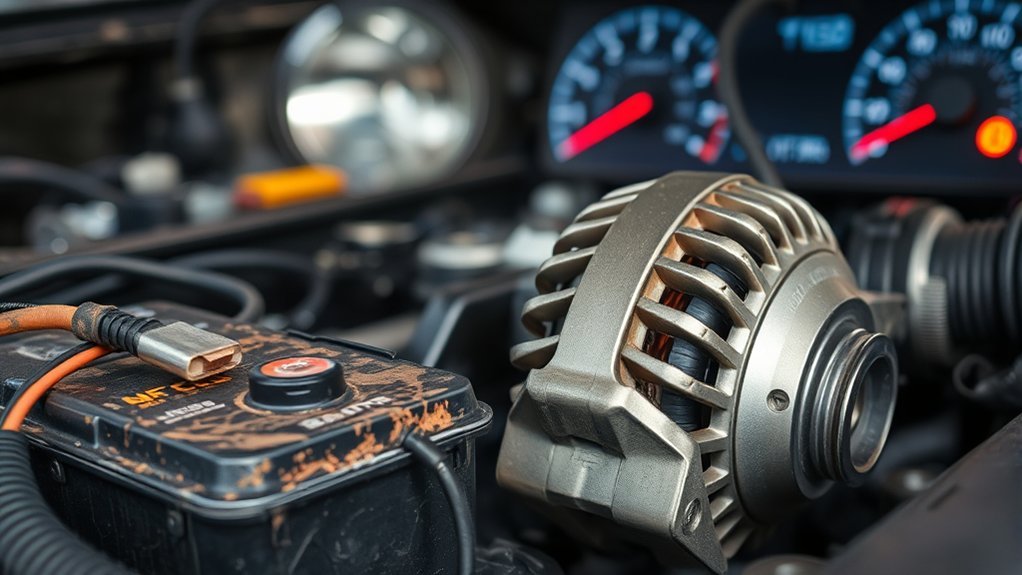
Battery vs alternator symptoms are easiest to separate by when the problem appears. A weak or discharged battery usually causes slow cranking, rapid clicking, or no start before the engine runs. An alternator or charging-system problem is more likely when the battery warning light comes on, lights dim, electrical systems act strangely, or the vehicle dies after it has already started. If the battery goes dead mainly after the vehicle sits, also consider a parasitic drain, loose connection, or a battery that can no longer hold a charge.
Last updated: August 31, 2026 — battery lifespan, charging-system test ranges, battery safety, hybrid/EV scope, parasitic-drain guidance, and FAQs were rechecked against current authoritative sources.
Quick Answer
A weak battery usually causes slow cranking, rapid clicking, or no start before the engine runs. A failing alternator or other charging-system fault often shows up after the engine starts: battery warning light, dimming lights, electrical glitches, or a vehicle that starts after a jump but dies again. Test the battery at rest, then test the charging system while the engine is running before replacing either part.
Key Takeaways
- A battery’s main job is to start the engine; the alternator supplies electrical power and recharges the battery once a conventional gasoline or diesel engine is running.
- A fully charged 12-volt lead-acid battery commonly rests near 12.6 volts, but voltage alone does not prove the battery can pass a load test.
- For a general conventional charging-system screening test, DENSO lists about 13 to 15 volts at approximately 2,000 RPM and recommends repeating the test under electrical load. Always use your vehicle’s service specification as the final standard.
- The dashboard battery light usually means a charging-system problem, not automatically a bad battery or a bad alternator.
- Do not jump-start or test a battery that is cracked, leaking, swollen, frozen, smoking, or giving off a strong rotten-egg odor.
At a Glance
| Time Required | 10–20 minutes for basic checks |
| Difficulty | Beginner to intermediate |
| Tools Needed | Digital multimeter, gloves, safety glasses, terminal brush, wrench/socket set |
| Cost | Free if you already own the tools; professional battery or charging-system test pricing varies by provider and location |
Hybrid/EV scope: Conventional belt-driven alternator testing does not apply to every hybrid or electric vehicle. NHTSA notes that an EV or hybrid high-voltage battery cannot be jump-started, although the vehicle’s 12-volt battery can often be jumped using the manufacturer-approved procedure. Check the owner’s manual before testing or jump-starting an electrified vehicle.
Understanding the Role of Your Car Battery
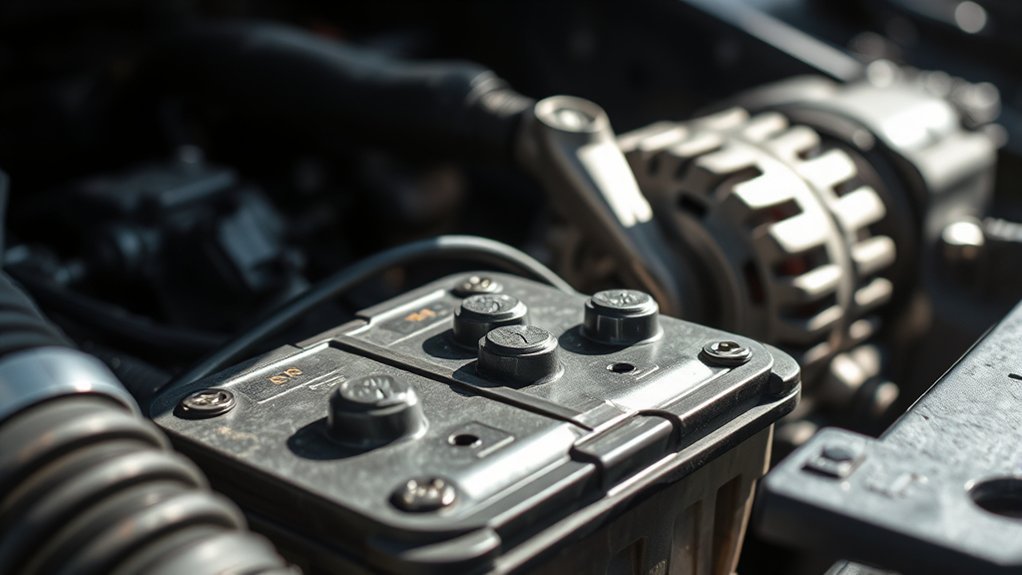
Your car battery stores electrical energy and delivers the strong burst of current needed to crank the engine. Once the engine starts, the battery also helps stabilize voltage and supports electrical loads when the alternator is not producing enough power for the moment.
A healthy, fully charged 12-volt battery commonly reads about 12.6 volts at rest. A lower reading does not automatically mean the battery is bad, but it does mean the battery should be charged and tested. The real question is whether it can hold voltage under load while the starter demands power.
Most car batteries last about 3 to 5 years, but heat, vibration, short trips, long parking periods, corrosion, and poor charging can shorten that lifespan. If your battery is more than three years old and the vehicle is slow to start, annual testing is smart preventive maintenance.
Note: A battery can show decent voltage and still fail under load. If the engine cranks slowly even after charging, ask for a battery load test before replacing the alternator.
How Your Alternator Keeps Your Vehicle Running
Your alternator is driven by the engine through a belt. It converts mechanical energy into electrical energy, powers vehicle systems, and recharges the battery while the engine runs. DENSO’s charging-system guidance treats the battery, alternator, drive belt, cables, connections, and voltage drop as parts of the same diagnostic system.
Power Generation Process
When the engine is running, the alternator supplies electricity for systems such as headlights, ignition, climate controls, infotainment, sensors, and onboard computers. Its output changes with engine speed, electrical demand, temperature, battery condition, and the vehicle’s charging strategy.
For a general conventional charging-system test, DENSO specifies approximately 13 to 15 volts at about 2,000 RPM. It then recommends switching on loads such as the headlights, blower motor, and defroster and repeating the test. Newer vehicles may use computer-controlled or smart charging, so one quick idle reading is not enough to condemn an alternator. Compare the results with your vehicle’s service specifications.
Battery Recharge Mechanism
After startup, the alternator begins replacing the energy the battery used to crank the engine. That recharge is not always instant. Repeated short trips, long idle periods with heavy electrical loads, and a weak charging system can leave the battery undercharged.
If the alternator fails or the belt slips, the vehicle may run only until the battery is drained. That can cause dimming lights, warning lamps, stalling, power steering warnings on some vehicles, or a no-start after the next stop.
Common Symptoms of Battery Issues
Battery problems usually appear before the engine starts. Watch for these signs:
- Slow cranking: The engine turns over sluggishly, especially in cold weather.
- Rapid clicking: The starter relay clicks because the battery cannot supply enough power to crank the engine.
- No crank and weak lights: Interior lights, dome lights, or headlights may be dim before startup.
- Frequent jump-starts: If the vehicle starts after a jump but will not restart later, the battery may not be holding a charge or may not be getting fully recharged.
- Corrosion or loose terminals: White, blue, or green buildup can restrict current flow.
- Swelling, leaking, or rotten-egg smell: These are warning signs of battery damage or overcharging and require immediate caution.
Warning: Do not jump-start, charge, open, or move a battery that is cracked, leaking, swollen, frozen, smoking, or giving off a strong sulfur smell. Batteries can release explosive gases and contain corrosive acid. Call a professional instead.
[Products Worth Considering]

The ANCEL AD410 PRO combines engine diagnostics and 12V battery testing in one easy-to-use tool, helping you read and clear check engine codes while checking battery health, cranking, and charging performance. It also provides live data, freeze frame details, and I/M readiness checks to help you diagnose issues faster and prepare for emissions testing. With plug-and-play operation, a clear screen, and broad vehicle compatibility, it is a practical solution for home mechanics and everyday drivers.

The TOPDON BT100 helps you quickly check the health and charge status of 12V lead-acid batteries with clear analytical results, including state of health, state of charge, voltage, and cranking performance. It supports a wide range of battery types and vehicles, making it a practical tool for diagnosing starting and charging issues at home or in the shop. Compact and easy to use, it provides fast, reliable testing without needing to charge the device first.

MaxxHaul 50515 car ramps provide a stable, elevated platform for performing vehicle repairs and maintenance beneath your car. Built from heavy-duty plastic with rubber stops and a ridged surface, they help keep tires securely positioned during use. Their compact ramp design offers dependable access and support for everyday garage work.
Signs Your Alternator Might Be Failing
Alternator and charging-system symptoms usually appear while the engine is running or shortly after a jump-start. Common warning signs include:
- Battery warning light while driving: This usually means the charging system is not working correctly. The alternator is a common cause, but wiring, belt tension, fuses, battery connections, charging-control circuitry, or a voltage regulator can also be involved.
- Dimming or flickering lights while running: Headlights or dashboard lights may brighten and dim as charging-system output becomes unstable.
- Electrical accessories acting strangely: Power windows, radio, climate controls, heated seats, or warning lights may behave erratically.
- Whining, grinding, or squealing noises: These can point to worn alternator bearings, belt slip, or pulley issues.
- Car starts after a jump but dies again: This pattern strongly suggests that the charging system is not supporting the vehicle after startup. The alternator is one common cause, but the belt, wiring, grounds, connections, regulator, or charging-control circuit also need to be checked.
- Burning rubber or electrical smell: A slipping belt, overheated alternator, or wiring issue needs prompt inspection.
Battery vs Alternator Symptoms: How to Tell Which Is Bad
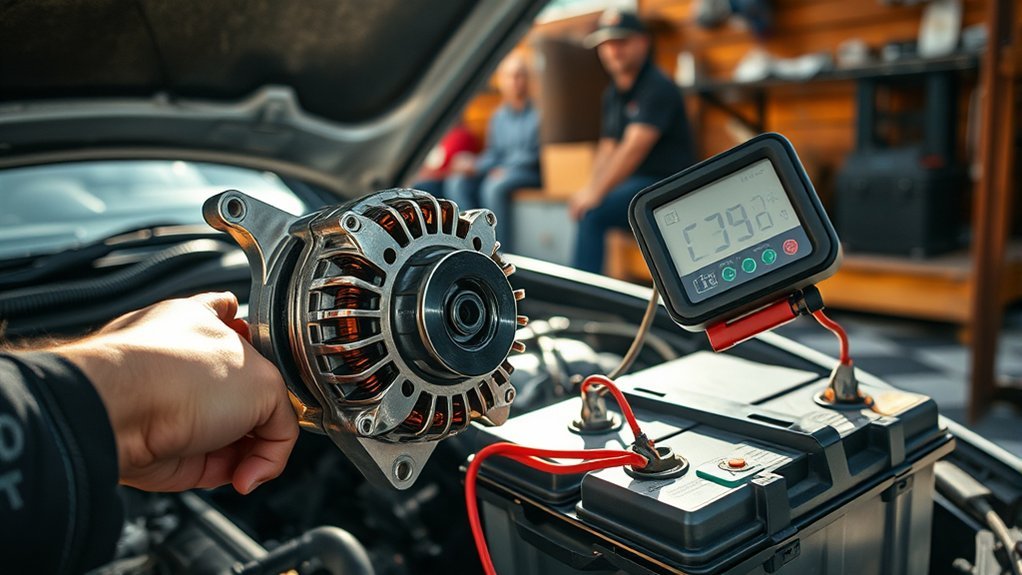
The easiest way to separate battery and alternator problems is to ask when the symptom happens. Trouble before the engine starts points first toward the battery, terminals, cables, or starter. Trouble that develops while the engine is running points more strongly toward the charging system. A battery that dies mainly after hours of parking needs a battery-capacity and parasitic-draw check.
| Symptom | More Likely Battery | More Likely Alternator / Charging System | Other Possibility |
|---|---|---|---|
| Slow crank before startup | Yes | Possible if battery was not recharged | Starter or cable issue |
| Rapid clicking when starting | Yes | Possible if alternator failed earlier | Loose or corroded terminals |
| Battery light while driving | Possible | Yes | Belt, fuse, wiring, regulator |
| Lights dim while engine runs | Less likely | Yes | Ground or wiring issue |
| Starts with a jump, then dies | Possible | Very likely | Bad belt, cable, ground, or connection |
| Battery dead after sitting overnight | Possible | Possible, including alternator diode leakage | Parasitic drain or light left on |
| Single click, no crank, lights stay bright | Less likely | Less likely | Starter or starter relay |
Quick decision rule: A problem mainly during cranking points first toward the battery, battery connections, cables, or starter. A problem that develops while driving points toward the charging system. A battery that goes flat only after the car sits points toward battery capacity or a key-off parasitic draw, although a failed alternator diode can sometimes create that draw.
[Products Worth Considering]

The JACO ElitePro Digital Tire Pressure Gauge delivers shop-grade accuracy with a clear digital readout, making it easy to maintain proper tire pressure for safer driving and better performance. Built with rugged brass and steel components, a protective guard, and a flexible air hose, it is designed for reliable use across cars, trucks, motorcycles, bikes, RVs, and trailers. The lock-on display, built-in bleeder valve, and bright backlit screen add convenience in any lighting condition.

This battery terminal cleaning and repair kit helps restore worn or damaged top-post battery connections for cars, RVs, boats, and other vehicles. It includes lead shims for improving fit, stainless steel brushes for removing corrosion and debris, and fiber washers to help reduce future buildup and maintain a reliable electrical connection.

Catch Battery Problems Early: Featured in two videos by Project Farm, a popular YouTube channel with millions of subscribers, the ANCEL BA101 helps you quickly spot battery issues before they leave you stranded. It provides easy-to-understand readings for State of Health (SOH), State of Charge (SOC), voltage, current, CCA, plus cranking and charging system tests, so you can better understand your battery and help avoid unexpected breakdowns
Troubleshooting: Is It the Battery or Alternator?
Use this basic sequence before buying parts. It does not replace a professional diagnosis, but it can help you avoid replacing the wrong component.
[Products Worth Considering]
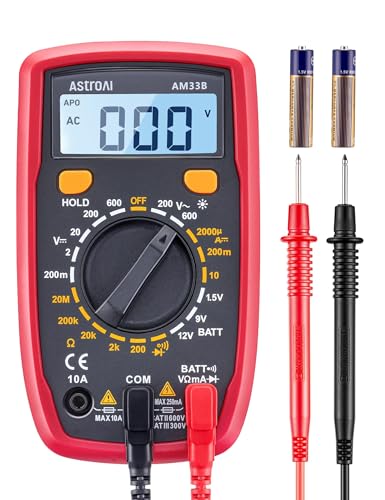
Versatile Digital Multimeter - Accurately measures AC/DC Voltage, DC Current, Resistance, and Diode. This Multimeter is a really useful tool for solving industrial and household electrical issues. Suitable for Household Outlets, Fuses, Batteries (including Vehicles), Automotive Circuit Troubleshooting, Charging Systems, Testing electronics in Cars etc.
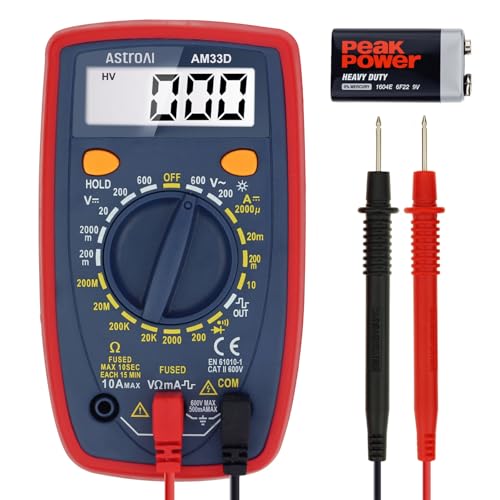
Additional Tips - The following incorrect operations may cause the multimeter not to show results: Firstly, the plugs of test leads are not fully inserted or not inserted into the correct sockets. Secondly, the manual rotary switch is not placed in the correct position. In addition, this meter can not test all AC Current and below 100mV AC Voltage. Please check the user manual carefully before measurement.

【Meet Different Needs】 The 12V round voltmeter comes with a panel and a nylon nut, which can be mounted separately on the 29mm diameter mounting hole or fixed on the matching panel, so that it could meet your different mounting needs.
Step 1: Check the Battery and Cables
- Turn the vehicle off and remove the key or keep the fob away from the vehicle.
- Inspect the battery case for swelling, cracks, leaks, or heavy corrosion.
- Make sure the terminals are clean and tight.
- Check the ground cable where it connects to the body or engine.
Step 2: Test Resting Battery Voltage
Set a digital multimeter to DC volts and place the red lead on the positive terminal and the black lead on the negative terminal. A fully charged 12-volt lead-acid battery commonly rests near 12.6 volts after surface charge has dissipated. If the reading is low, charge the battery first and retest it. If it becomes low again after sitting, the battery may have lost capacity or the vehicle may have a parasitic drain.
Step 3: Test Charging Voltage While Running
Start the engine and measure voltage at the battery terminals again. For a general conventional charging-system screening test, DENSO specifies about 13 to 15 volts at approximately 2,000 RPM. Turn on the headlights, blower motor, and rear defroster and repeat the measurement. If voltage remains outside the vehicle manufacturer’s specified range, falls steadily, fluctuates abnormally, or rises excessively, the charging system needs further testing.
Step 4: Check the Belt and Obvious Charging-System Parts
A good alternator cannot charge properly if the drive belt is loose, glazed, cracked, contaminated, or slipping. Also look for blown charging-system fuses, damaged wiring, loose connectors, and poor grounds. DENSO’s charging-system troubleshooting guidance includes battery load testing, belt condition, cable checks, positive- and negative-side voltage-drop testing, and alternator output testing.
Pro Tip: If the battery is low, charge and test it before judging the alternator. A deeply discharged or failing battery can make charging-system readings harder to interpret.
How to Interpret Your Battery and Alternator Test Results
No single voltage number identifies every failure. Use the pattern across the engine-off, engine-running, and loaded tests to decide what should be checked next.
| Test Pattern | Most Likely Direction | Best Next Check |
|---|---|---|
| Low resting voltage, but charging voltage behaves normally after the battery is charged | Discharged or weak battery; possible key-off drain | Load-test the battery; test for parasitic draw if it becomes discharged again |
| Battery is charged, but running voltage stays near the engine-off level or continues falling | Charging-output or charging-circuit fault | Check belt, fuses, alternator connections, wiring, grounds, and alternator output |
| Voltage looks acceptable with little load but drops sharply when lights, blower, and defroster are switched on | Weak alternator output, belt slip, or excessive circuit resistance | Run loaded-output and positive/negative voltage-drop tests |
| Battery and charging tests look normal, but the battery repeatedly dies while parked | Parasitic drain or battery-capacity problem | Let vehicle modules enter sleep mode, then perform a model-specific parasitic-draw test; alternator diode leakage is one possible source |
Step 5: Know When to Stop DIY Testing
Stop and call a mechanic if you smell burning, see smoke, find melted wiring, hear grinding from the alternator, notice a swollen battery, or drive a hybrid or EV and are not sure which 12-volt procedures are allowed. NHTSA advises that high-voltage EV and hybrid systems require trained technicians with appropriate equipment. Do not probe or attempt to jump a high-voltage traction battery.
Tips for Battery and Alternator Care
Good maintenance helps both parts last longer because the battery and alternator depend on each other. A weak battery can increase charging-system demand, while a weak charging system can leave the battery chronically undercharged.
Regular Maintenance Checks
Inspect the battery at oil-change intervals. Look for loose hold-down hardware, dirty terminals, cracked cables, corrosion, and swelling. If the battery is older than three years, have it tested annually, especially before extreme summer heat or winter cold.
For the alternator, listen for new whining, grinding, or squealing noises. Inspect the belt for cracks, glazing, looseness, or contamination. If your vehicle has a battery management system, avoid disconnecting or replacing the battery without following the correct reset or registration procedure in the owner’s manual.
Cleaning Connections Regularly
Corroded terminals can mimic a dead battery or weak alternator. Wear gloves and eye protection. Disconnect the negative cable first, then the positive cable. Clean the terminals with a terminal brush and a battery-safe cleaner or a baking soda and water mixture. Reconnect positive first, then negative.
| Task | Recommended Tool | Purpose |
|---|---|---|
| Battery terminal cleaning | Terminal brush or wire brush | Remove corrosion |
| Cleaning solution | Battery cleaner or baking soda and water | Neutralize and loosen buildup |
| Terminal protection | Battery terminal protectant or a thin coat of dielectric grease after tightening | Help resist moisture and corrosion |
| Connection check | Wrench or socket set | Confirm tight, secure connections |
Monitor Battery Age
Most car batteries are serviceable for about 3 to 5 years, but climate and driving habits matter. Heat speeds battery wear, cold weather increases starting demand, and repeated short trips may not let the charging system fully replenish the energy used during startup.
- Check the date code: If the battery is near the end of its expected life, test it before peak weather seasons.
- Watch for physical damage: Swelling, leaking, or a strong sulfur smell means the battery should be handled by a professional.
- Use a maintainer when needed: If the vehicle sits for long periods, a quality battery maintainer can help prevent deep discharge.
Avoid Parasitic Drains and Short-Trip Problems
If your battery dies after the car sits, the problem may be a parasitic draw rather than a simple battery or running-output fault. Common causes include glove-box lights, trunk lights, aftermarket stereos, dash cameras, alarm systems, stuck relays, or modules that do not go to sleep. A failed rectifier diode inside an alternator can also allow current to flow when the engine is off, so an overnight drain does not completely rule out the alternator. If the battery repeatedly dies after testing good, ask for a model-specific parasitic-draw test.
When Should You Call a Mechanic About Your Battery or Alternator?
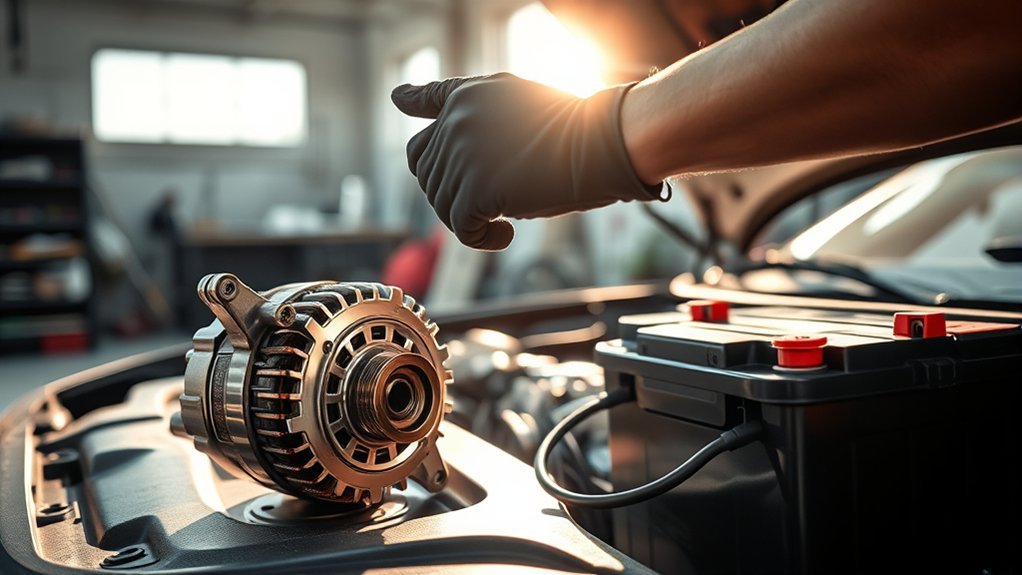
Call a mechanic if the battery warning light stays on while driving, the vehicle stalls after a jump-start, the alternator makes grinding noises, charging voltage is outside the manufacturer’s specification, or the battery is swollen, leaking, or hot. You should also get professional help if the vehicle has repeated dead batteries after the battery and charging system both pass their basic tests.
A shop can perform a battery load test, alternator output test, voltage-drop test, starter draw test, AC-ripple test, and parasitic-draw test. These tests are more reliable than guessing from symptoms alone.
Note: Do not use the old “disconnect the battery while the engine is running” test. It can create voltage surges, damage modern electronics, and does not provide a reliable diagnosis.
For vehicle-specific procedures, see our Toyota Camry alternator symptoms guide, Toyota RAV4 alternator diagnosis guide, or Hyundai Sonata alternator problems guide. These pages can cover model-specific charging layouts and service checks that a general guide cannot.
Frequently Asked Questions
How do I know if it is my battery or alternator?
Look first at when the symptom happens. Slow cranking, rapid clicking, and weak lights before startup point first toward the battery or its connections. A battery warning light, dimming lights, electrical glitches, or stalling while the engine is running point more strongly toward the alternator or charging system. Confirm the cause with a battery load test and charging-system test rather than symptoms alone.
How long does a typical car battery last?
A typical car battery lasts about 3 to 5 years, but heat, vibration, short trips, long storage periods, corrosion, and charging-system problems can shorten its life. Have the battery tested annually once it reaches the three-year mark.
Can extreme temperatures affect battery performance?
Yes. Heat speeds internal battery aging, while cold weather reduces available starting power and makes the engine harder to crank. A weak battery often fails during the first major cold snap or heat wave.
Is it safe to jump-start a battery by myself?
It can be safe if the battery is not damaged, both systems use compatible voltage, the cables are in good condition, and you follow the owner’s manual. Connect positive to positive first, then make the final negative connection at the approved ground point away from the discharged battery when the manufacturer specifies that procedure. Do not jump-start a cracked, leaking, swollen, frozen, or smoking battery.
What tools do I need for battery maintenance?
For basic battery maintenance, use safety glasses, gloves, a digital multimeter, a terminal brush, battery-safe cleaner or baking soda and water, and a wrench or socket set. For deeper diagnosis, a shop can use a load tester, alternator tester, starter draw tester, voltage-drop equipment, and parasitic-draw meter.
How often should I have my alternator checked?
Have the charging system checked whenever you replace the battery, see the battery warning light, hear belt or alternator noise, notice dimming lights while driving, or experience repeated dead batteries. It is also wise to include a charging-system check during major service visits.
Can a bad alternator ruin a new battery?
Yes. Undercharging can leave the battery deeply discharged, while overcharging can overheat and damage it. If your old battery failed because of charging problems, test the alternator and charging circuit before installing or relying on a new battery.
What if my car clicks once but the lights stay bright?
A single click with bright lights may point to a starter, starter relay, ignition switch, or cable issue rather than a weak battery. Test the battery first, but do not overlook the starter circuit.
Can a bad alternator drain a battery while the car is off?
Yes, it can. A failed rectifier diode inside the alternator can sometimes allow current to flow backward while the engine is off and create a parasitic drain. However, lights, aftermarket accessories, stuck relays, wiring faults, and modules that fail to sleep can cause the same symptom, so the source should be confirmed with a proper parasitic-draw test.
Will a car start with a bad alternator?
It may start if the battery still has enough charge to crank the engine. Once running, however, a vehicle with little or no charging-system output can continue only while sufficient battery energy remains. How quickly it stalls depends on battery condition, state of charge, electrical load, and the exact charging fault, so do not rely on a predicted driving time.
Conclusion
Your battery and charging system work as a team, but their symptoms often appear at different moments. Battery problems commonly show up before startup as slow cranking, clicking, or no crank. Alternator and charging-system faults more often show up while the engine is running through warning lights, dimming lights, unstable accessories, or a vehicle that dies after a jump-start. A battery that repeatedly dies while parked also deserves a parasitic-draw test.
The safest diagnostic order is simple: inspect the battery and cables, charge and test a low battery, measure resting voltage, test charging voltage under the correct conditions, add electrical load, and inspect the belt, fuses, wiring, and grounds before replacing parts. If the battery is damaged, the charging warning stays on, the vehicle stalls, or the readings remain outside specification, get a professional diagnosis.
Sources
- AAA — How Long Do Car Batteries Last — battery lifespan, heat, vibration, short trips, and battery testing guidance.
- AAA — Warning Signs Your Car Battery Is About to Die — common battery symptoms and maintenance timing.
- DENSO — Alternators — alternator role, belt drive, regulator, electrical loads, and battery recharging.
- DENSO Auto Parts — Charging System Troubleshooting — battery, belt, cable, voltage-drop, loaded-output, and alternator testing.
- AutoZone — Bad Battery vs. Bad Alternator — symptom comparison and basic battery/charging guidance.
- AutoZone — Can a Bad Alternator Drain a Car Battery? — alternator rectifier-diode faults and parasitic battery drain.
- AutoZone — How to Check Your Starting and Charging System — cable, belt, alternator-connection, and running-battery-disconnection safety guidance.
- NHTSA — Electric and Hybrid Vehicles: Battery, Charging & Safety — high-voltage servicing and 12-volt jump-start scope for EVs and hybrids.
- OSHA — Batteries and Battery Charging — battery gases, ventilation, acid, and protective-equipment safety context.



[…] your car keeps going dead, a jump pack only fixes the symptom, so our battery vs. alternator guide is worth a read before you replace […]