You can improve your Sonata’s fuel economy 10–20% by combining tire, maintenance, and technique changes: keep tires at 32 PSI, remove excess weight, use cruise on highways, and employ DFCO and gentle acceleration. Follow scheduled oil, air‑filter, spark‑plug, and fuel‑filter services and use Eco mode for optimized shift mapping and throttle response. Target steady speeds, plan errands to avoid cold starts and stop‑and‑go, and log trip MPG to refine habits — more actionable steps follow.
Quick Wins to Boost Your Hyundai Sonata’s MPG
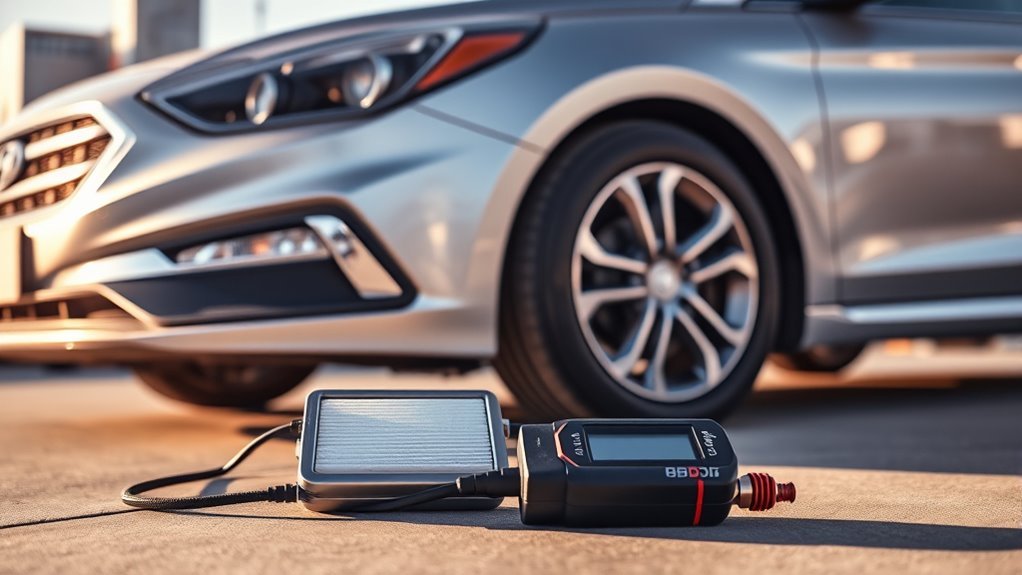
If you want measurable MPG gains quickly, start with proper tire pressure, driving technique, cruise control use, weight reduction, and routine maintenance: Keep tires at 32 PSI to optimize traction and fuel efficiency; over-inflation raises wear and reduces comfort. Use deceleration fuel cut-off (DFCO), gentle acceleration, and progressive braking to gain 1–2 mpg and extend brake life. Engage cruise control on highways to maintain steady speed and minimize consumption variance. Remove unnecessary weight from trunk and backseat to lower rolling resistance and improve mpg. Schedule oil changes and air filter replacements to sustain combustion efficiency; consider targeted engine tuning and vetted fuel additives only as diagnostics indicate. These precise, tested interventions free you from waste and reclaim control over fuel use.
Tune Your Sonata: Maintenance Checklist That Improves MPG
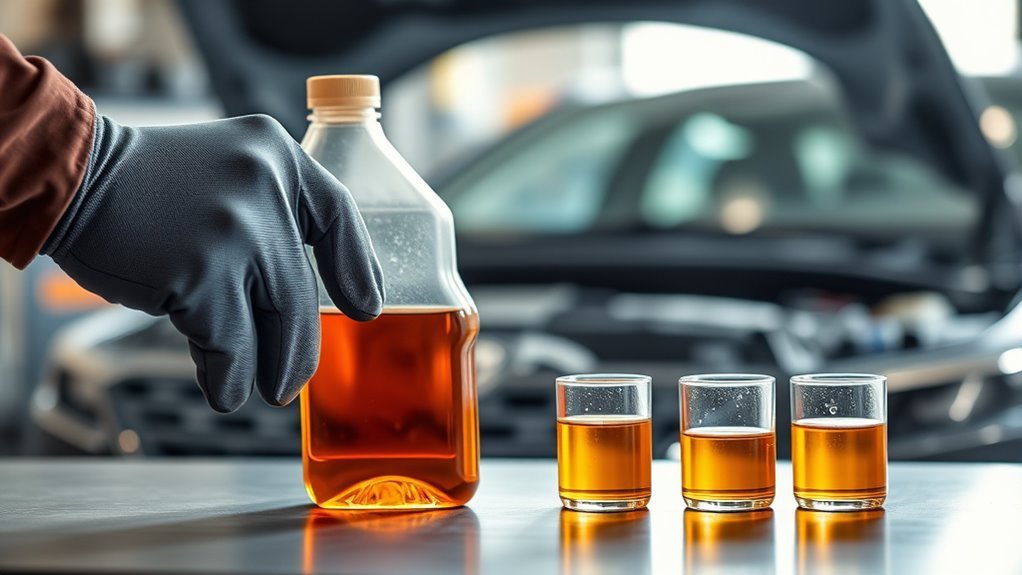
Start with a targeted maintenance checklist that prioritizes interventions proven to improve MPG: change engine oil at manufacturer intervals to reduce friction and restore efficiency; inspect and replace air filter and spark plugs to optimize combustion—note aftermarket gains are minimal; perform full engine tuning including fuel-filter replacement and ignition timing verification to reclaim several mpg. Monitor fluid maintenance—coolant, transmission, brake fluids—to preserve thermal stability and drivetrain efficiency. Check tire pressure regularly (32 PSI recommended) but don’t explore tire selection here. Use Eco mode and adopt gentle acceleration to compound mechanical gains with behavioral ones. You’ll free yourself from wasteful consumption by treating the Sonata as a system: disciplined maintenance yields measurable fuel-economy liberation.
Optimize Tires & Load for Better MPG
Keep your Sonata’s tires at the manufacturer’s recommended 32 PSI to maximize rolling efficiency without causing premature tread wear or a harsh ride. Check pressures regularly and adjust for temperature changes to maintain traction and fuel performance in varied conditions. Remove unnecessary cargo and roof carriers—every 100 pounds and reduced drag can raise highway MPG by measurable amounts.
Tire Pressure Tips
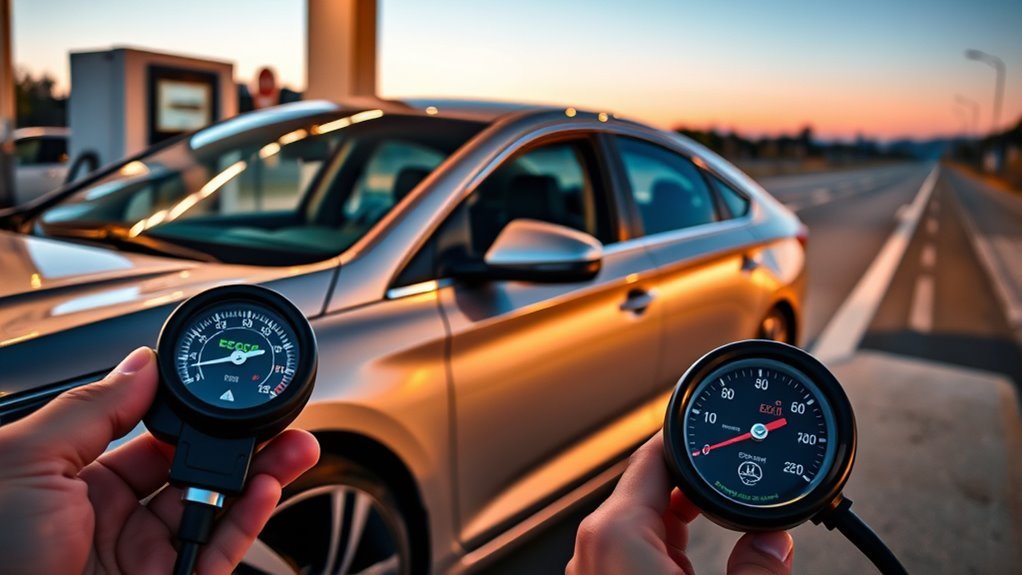
Although it’s tempting to overinflate, keeping your Hyundai Sonata’s tires at the manufacturer-recommended 32 PSI (not 50 PSI) reduces rolling resistance, improves traction, and measurably boosts fuel economy. You’ll gain tire pressure control and safety benefits by checking pressures weekly and after temperature swings. Underinflation raises rolling resistance and tire wear, cutting MPG; overinflation reduces contact patch and grip.
- Check cold PSI before driving for accurate readings.
- Use a calibrated gauge; electronic gauges are precise to ±1 PSI.
- Reinflate to 32 PSI; adjust slightly for extreme ambient temperature.
- Inspect for slow leaks and uneven wear during checks.
- Record pressures and temps to identify trends affecting economy.
Follow this disciplined, data-driven routine to free yourself from wasted fuel.
Reduce Unneeded Weight
Lighten your Sonata by removing unneeded cargo and accessories — every 100 pounds of excess weight can reduce fuel economy by about 1% to 2%. You’ll free yourself and improve MPG by practicing trunk organization and conscious weight reduction: declutter the trunk and backseat weekly, store emergency tools efficiently, and avoid permanent roof racks. Maintain tire pressure at the recommended 32 PSI to minimize rolling resistance; underinflation wastes fuel. Removing aerodynamic loads (roof carriers) when idle reduces highway drag and complements mass savings. Combined, ideal tire pressure and systematic weight reduction typically yield a measurable gain of 1–2 MPG. Act deliberately: track before-and-after fuel consumption for validation, adopt a maintenance checklist, and reclaim efficiency as a tangible form of liberation.
Drive Smarter: Speed, Cruise, DFCO, and Pulse‑and‑Glide
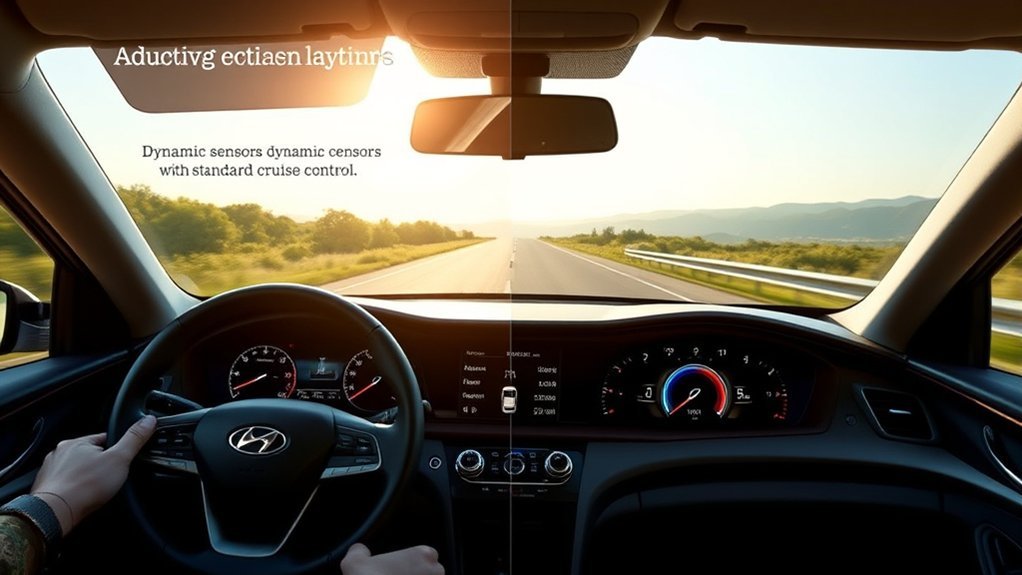
Optimize your driving by holding steady speeds, using cruise control on highways, and exploiting DFCO and pulse‑and‑glide where appropriate: sustaining 41 mph in 5th gear yielded the best recorded MPG (40 mpg), cruise control reduces speed variance on long runs, DFCO cuts fuel supply during coasting once the engine’s warmed, and pulse‑and‑glide (accelerate to a set speed, then coast) can add about 1–2 mpg, while gentle acceleration/braking also preserves brakes—up to roughly 15,000 extra miles.
- Prioritize speed management: steady velocity minimizes aerodynamic and drivetrain losses.
- Use cruise control on compatible highways to reduce speed variance and improve MPG.
- Deploy DFCO when engine temp is ideal to eliminate fuel during deceleration.
- Apply pulse‑and‑glide in low‑traffic settings to gain 1–2 mpg; monitor safety.
- Accelerate/brake gently to conserve fuel and extend brake life; it’s liberating control.
AC vs. Open Windows: Comfort Choices That Save Fuel

If you want to balance comfort and fuel economy, choose ventilation or open windows at low speeds and reserve the air conditioner for highway runs where closed windows cut aerodynamic drag; AC use can lower fuel efficiency by up to ~20%, while open windows add negligible penalty in city driving but raise drag — and fuel use — substantially at higher speeds. You’ll prefer Window Comfort and Airflow Management in urban trips: use fan-only ventilation, crack windows, and exploit stoplight airflow to minimize AC runtime. For highway travel adopt a Temperature Strategy: close windows, set AC to a moderate setpoint, and use recirculate sparingly to reduce compressor load. Monitor AC Efficiency via fuel consumption trends and limit cooling during mild conditions to maximize liberated, efficient driving.
Plan Trips & Use Eco Tech : Mods, Myths, and What Actually Works
Plan efficient routes to cut time in traffic and reduce the number of cold-start short trips, which materially lowers fuel use. Use Hyundai’s Eco mode and fuel-tracking apps to quantify MPG changes and reinforce smoother throttle and shift behavior. Combine errands into single outings and keep maintenance current, since simple practices usually yield bigger efficiency gains than aftermarket “mods.”
Plan Efficient Routes
Start by mapping routes that minimize stop-and-go segments and avoid peak congestion, since steady-speed highway stretches (e.g., documented 40 MPG at 41 mph) and consolidated errands cut cold starts and improve overall fuel economy. You’ll use route mapping and traffic patterns data to choose corridors that keep RPMs steady, reduce idling, and limit braking/acceleration cycles. Use navigation apps that predict congestion and suggest alternate corridors. Combine errands into one optimized trip to eliminate short, inefficient journeys. Check tire pressure before long runs to lock in rolling resistance targets.
- Use real-time traffic patterns to avoid delays
- Prioritize highway segments with sustained speeds
- Batch stops to reduce cold starts
- Let routing algorithms favor fuel-efficient paths
- Monitor trip outcomes and iterate routes
This frees you from wasted fuel.
Use Eco Mode
Engage Eco Mode on your Hyundai Sonata to alter throttle mapping and transmission shift points, reducing fuel use by smoothing acceleration and lowering RPMs during cruising. You’ll get measurable Eco Mode Benefits: optimized engine response, later upshifts, and reduced idling load. Use onboard feedback and fuel-efficiency apps to quantify gains—expect roughly 1–2 MPG improvement when paired with disciplined Driving Habits and route planning.
| Parameter | Effect |
|---|---|
| Throttle mapping | Smoother, reduced peak torque |
| Shift strategy | Earlier upshift, lower RPMs |
| Maintenance impact | Spark plugs/filters preserve gains |
Adopt consistent habits: gradual throttle, minimize braking, and maintain components. Avoid aftermarket miracle fixes; data shows regular maintenance plus Eco Mode and apps deliver the most reliable economy improvements.
Combine Errands Smartly
After using Eco Mode to smooth throttle and lower RPMs, you’ll multiply those gains by combining errands into one optimized route: short, cold-start trips waste fuel via repeated warm-ups and low-efficiency idling, so minimizing stop-start cycles reduces consumption substantially. You’ll plan errands and apply trip consolidation to cut mileage, emissions, and time. Target off-peak windows, favor steady-speed segments (optimal highway ~41 mph can yield ~40 MPG), and avoid stop-and-go patterns. Use fuel-efficiency apps to log MPG, detect inefficient routes, and validate gains. Replace air filters routinely instead of chasing aftermarket myths for consistent performance. Steps:
- Map errands by geographic cluster
- Schedule during low-traffic periods
- Prioritize destinations with steady-speed access
- Track MPG per trip with an app
- Iterate routes based on data
Frequently Asked Questions
Why Is My Hyundai Sonata Using so Much Gas?
Your Sonata’s high fuel use likely stems from aggressive driving, neglected fuel system maintenance, underinflated tire pressure, frequent city stop‑and‑go trips, and excessive A/C; you can reclaim efficiency by monitoring diagnostics, pressures, and servicing components promptly.
What Can I Do to Increase My Fuel Economy?
Maintain tire maintenance at 32 PSI, reduce load, and tune engine regularly for ideal combustion; use gentle acceleration, steady speeds, and cruise control; minimize A/C. These data-driven steps free you with measurable MPG gains.
What Car Gets 57 MPG?
The Hyundai Ioniq Hybrid gets about 57 MPG combined; you’ll see hybrid vehicles ranked among top fuel efficient cars due to aerodynamic design, 1.6L engine plus electric motor, regenerative braking, and lightweight construction enhancing efficiency.
Can I Put 89 Gas in a Hyundai Sonata?
Yes—you can use 89 gas, but you’ll likely see no benefit. Your Sonata’s recommended fuel octane is 87; using 89 won’t improve engine performance, may raise costs, and offers no measurable efficiency advantage.
Conclusion
Put these tactics together and you’ll cut fuel use measurably: keep your Sonata tuned (spark, filters, fluids), run correct tire pressure, shed excess weight, and use cruise or DFCO where safe. For example, a fleet manager trimmed 8% average mpg loss by enforcing 35 psi, oil changes every 7,500 miles, and driver coaching on 62 mph cruising versus 75 mph—saving ~$300/year per vehicle. Apply the data-driven checks consistently for repeatable gains.