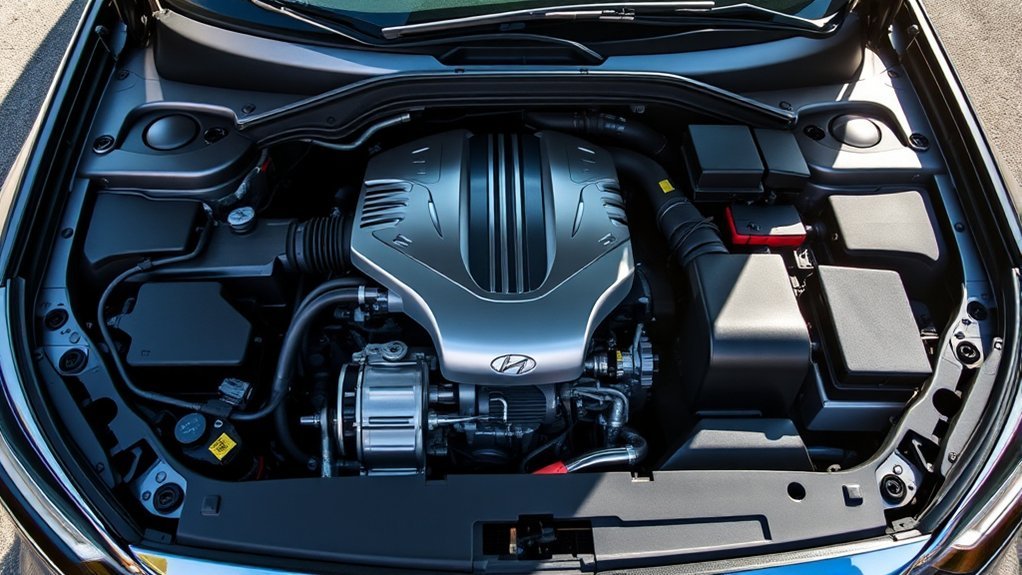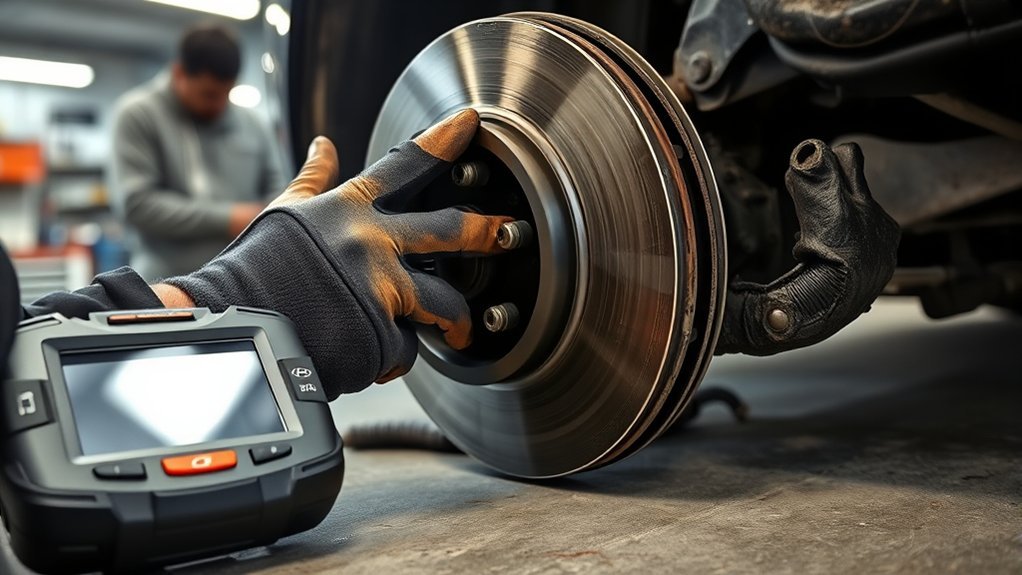
To diagnose brake noise and vibration in your Hyundai Sonata, start by noting any grinding or thumping sounds—these often indicate warped rotors or worn brake pads. Feel for vibrations in the brake pedal, which suggest excessive runout. Regular inspections are critical; check for uneven brake pad wear and rotor surface irregularities. If issues persist despite dealer interventions, consulting an independent mechanic could provide clarity and solutions. Discover more effective methods to guarantee your brakes perform at their best.
Common Brake Noise Issues in the Hyundai Sonata
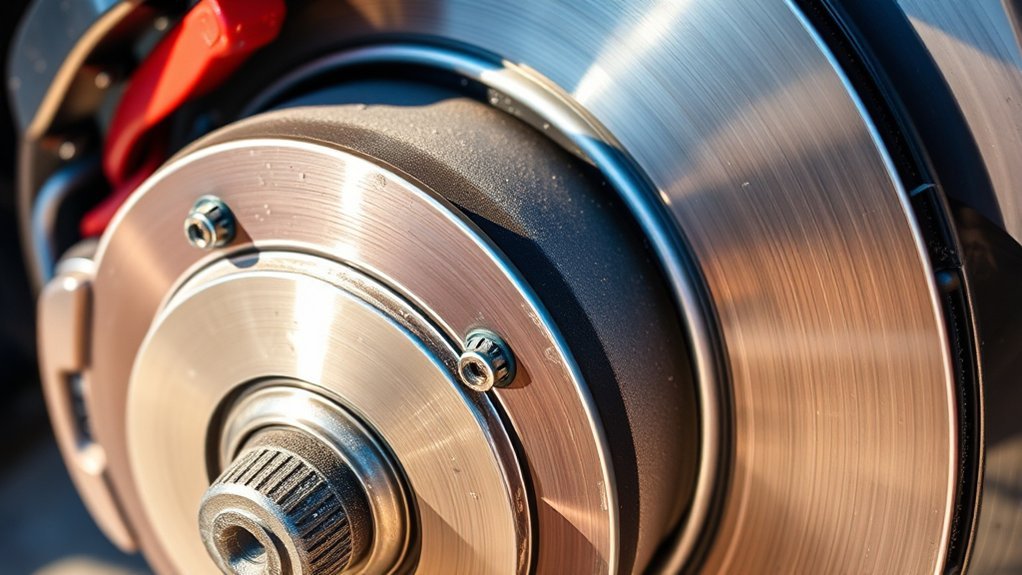
When you drive a 2013 Hyundai Sonata, you may notice a distinct grinding noise during braking, especially after the vehicle has been parked for a while. This issue often stems from excessive brake pad wear, which can compromise the rotor condition. Many owners describe the noise as a muted honking sound, indicative of potential design flaws that have persisted from earlier models. Dealerships frequently attempt to resolve this by resurfacing the rotors, but these quick fixes rarely lead to long-term improvement, leaving you frustrated. It’s essential to regularly inspect both the brake pads and rotors, as the grinding noise can signal deeper problems that need addressing. Inconsistent communication from dealerships regarding these complaints only adds to the challenge. Understanding the nuances of brake wear and rotor condition empowers you to seek lasting solutions, ensuring your Sonata operates safely and effectively.
How to Identify Symptoms of Brake Vibration and Thumping?
When you notice a thumping sound or vibration during braking, it often signals underlying issues like warped rotors or uneven brake pad wear. These symptoms can lead to a pulsating brake pedal, compromising your vehicle’s performance. Regular inspections can help pinpoint these problems before they escalate, ensuring effective braking and safety.
Common Brake Symptoms
Brake noise and vibration can signal critical issues within your braking system, often requiring immediate investigation. As you monitor your vehicle, be aware of these common symptoms:
- A thumping sound when braking, indicating warped rotors
- Vibration felt in the brake pedal during application, suggesting excessive runout
- Uneven wear patterns on brake pads, signaling potential caliper issues
- Variations in rotor thickness, detectable using a micrometer
- Brake problems in low mileage vehicles, emphasizing the need for routine maintenance
Identifying these signs early can prevent further damage and enhance braking efficiency. Regular inspections and attention to brake pad wear and rotor thickness are essential for ensuring your vehicle’s safety and performance. Don’t overlook these critical indicators.
Causes of Thumping Noise
Thumping noises during braking typically indicate warped rotors, a condition that can greatly compromise vehicle safety. You can identify this issue by inspecting the rotor surface for irregularities and using a micrometer to check for thickness variation. If you feel vibrations in the brake pedal, it signals potential rotor problems, often linked to excessive runout or uneven brake pad wear. Grinding or honking noises may also arise from these factors, leading to inconsistent braking performance. Regular inspections of your brake pads and rotors are essential in detecting wear early. Addressing issues promptly—whether through rotor resurfacing or replacing worn components—can mitigate worsening vibrations, ensuring a safer driving experience and maintaining your vehicle’s integrity.
Understanding How Warped Rotors Cause Brake Problems
Although rotor warping often goes unnoticed until it manifests as noise or vibration, understanding this phenomenon is crucial for effective vehicle maintenance. Warped rotors can severely impact brake performance, leading to unsafe driving conditions.
- Thumping sounds and pedal vibrations indicate potential brake issues.
- Excessive runout causes pulsation during braking, risking uneven brake pad wear.
- Surface irregularities can worsen vibration and noise, detectable with a micrometer.
- Thickness variation in rotors is important; thinner areas increase the likelihood of warping.
- Regular inspection and maintenance, including resurfacing or replacement, are essential to prevent escalation of problems.
Addressing rotor warping proactively guarantees peak brake performance and enhances your vehicle’s safety. Ignoring these issues can lead to more significant problems and costly repairs down the line. Stay vigilant, and prioritize regular checks to keep your brakes functioning effectively.
Key Steps for Diagnosing Brake Noise and Vibration Issues
When diagnosing noise and vibration issues in your vehicle’s braking system, it’s vital to follow a systematic approach to identify the root cause effectively. Start with a rotor inspection using a micrometer to check for warping, as even low-mileage vehicles can exhibit excessive runout or thickness variation. Next, examine the brake pads for signs of uneven wear, which can lead to vibrations and noise during braking.
Pay attention to symptoms like thumping sounds or pedal vibrations, indicating possible rotor irregularities. Regular maintenance, including brake fluid changes and torque checks on wheel lug nuts, can prevent further complications.
Here’s a quick reference table to guide your diagnosis:
| Step | Action | Notes |
|---|---|---|
| Rotor Inspection | Measure with a micrometer | Check for warping |
| Brake Pad Check | Inspect for wear patterns | Uneven wear can cause issues |
| Listen for Symptoms | Identify noises | Thumping or vibrations indicate problems |
| Regular Maintenance | Perform routine checks | Guarantees peak brake performance |
Troubleshooting and Solutions for Brake Noise
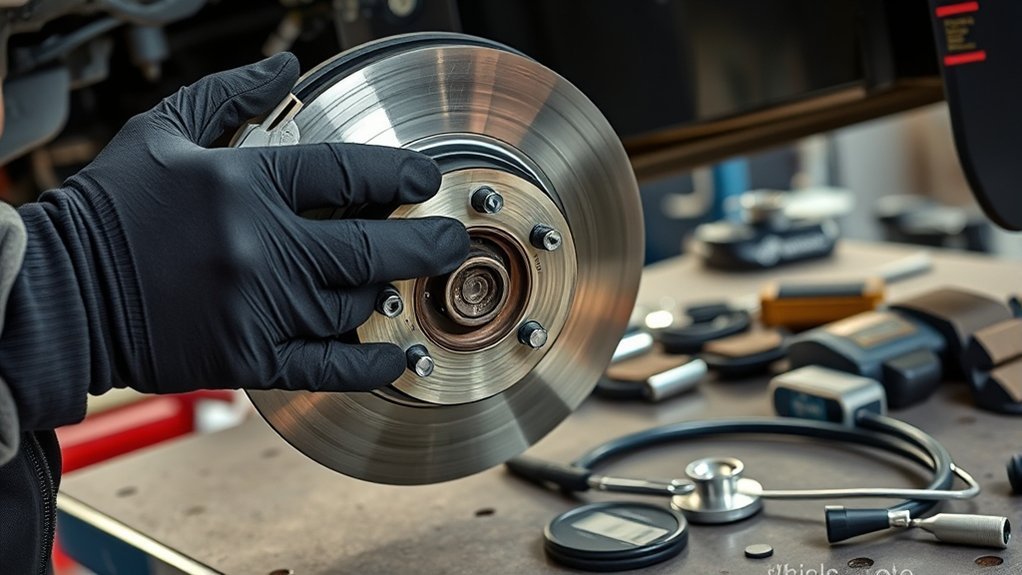
Diagnosing brake noise issues can often be a straightforward process if you follow a methodical approach. Start by systematically inspecting your brake components to pinpoint the source of the noise. Here are some steps to take into account:
- Check for warped rotors; think about rotor upgrades if necessary.
- Examine brake pads for uneven wear; a brake pad replacement might be in order.
- Flush brake fluid and inspect for rust buildup to guarantee peak performance.
- Listen for grinding or honking sounds during braking to identify specific issues.
- Seek a second opinion from an independent mechanic if dealer fixes haven’t worked.
Best Practices for Brake Inspection and Maintenance
To guarantee your brake system operates efficiently, conduct routine inspections to identify issues like warped rotors or uneven pad wear early on. Regularly check and maintain brake fluid levels to prevent moisture buildup and corrosion that could compromise performance. By prioritizing these practices, you can enhance safety and extend the lifespan of your brake components.
Routine Brake Inspections
Regular brake inspections are essential for maintaining vehicle safety and performance. To guarantee your braking system operates at peak efficiency, follow these best practices:
- Conduct inspections every 6,000 to 12,000 miles to catch issues early.
- Regularly check brake fluid levels and quality to prevent ineffective braking.
- Inspect brake pads for uneven wear, as this can signal caliper issues.
- Maintain proper torque on wheel lug nuts after any brake service to avoid vibrations.
- Schedule rotor inspections, as warped rotors can cause noise and affect braking efficiency.
Proper Brake Fluid Maintenance
Ensuring ideal brake fluid maintenance is essential for your vehicle’s braking performance and safety. Regularly check and replace brake fluid to prevent moisture contamination, which can corrode components and diminish effectiveness. Use a brake fluid tester; if moisture content exceeds 3%, it’s time for a replacement. Always follow your manufacturer’s guidelines for the correct brake fluid type and replacement intervals to guarantee system compatibility. Inspect the fluid for discoloration or debris, as these indicate contamination or wear materials, necessitating a flush. Additionally, schedule routine brake system inspections to monitor fluid levels and quality, and to identify early signs of wear or failure in brake components. Prioritizing these practices keeps your brakes functioning at peak performance.
Owner Experiences With Brake Noise Issues in the 2013 Sonata
While many owners of the 2013 Hyundai Sonata expect reliable performance, numerous reports of brake noise issues have sparked concern. Owner feedback highlights specific problems that may compromise driving experience:
- Grinding noise shortly after stopping, sometimes as early as 7,000 miles
- Horn-like honking sound during quick braking, hinting at potential design flaws
- Frustration over ineffective dealer interventions like rotor resurfacing
- Noise persistence despite multiple dealer inspections
- Considerations for replacements or lease exits due to unresolved issues
Many owners are proactive, seeking routine maintenance, such as flushing brake fluid, to mitigate these problems. However, the recurring nature of the noise leads many to seek second opinions from independent mechanics. Addressing these concerns is crucial for maintaining the integrity of your Sonata and ensuring a smoother, more reliable driving experience.
When to Consult a Professional Mechanic for Brake Concerns?
When should you consult a professional mechanic about brake concerns? If you hear grinding or thumping noises while braking, especially after your vehicle has been stationary, it’s crucial to seek a thorough brake inspection. Vibrations in the brake pedal during application often indicate warped rotors, requiring immediate mechanic consultation to prevent further damage. Regular maintenance checks, including brake system inspections, are essential; be proactive if you notice uneven brake pad wear or changes in brake fluid quality. If dealer interventions fail to resolve persistent brake noise, consider seeking a second opinion from an independent mechanic. Early diagnosis by a professional can prevent minor issues, like rust buildup on rotors, from escalating into significant and costly repairs. Trusting your instincts and addressing these concerns promptly can save you time and money in the long run. Prioritize your safety and vehicle performance by consulting a qualified mechanic.
Frequently Asked Questions
Why Does My Hyundai Sonata Shake When I Brake?
Your Hyundai Sonata shakes when braking due to rotor issues or uneven brake pad wear. Warped rotors create inconsistent contact, causing vibrations. Regular inspections can help identify and resolve these problems before they escalate.
Why Does My Car Shake and Vibrate When I Brake?
Your car shakes and vibrates when braking due to uneven brake pad wear or rotor issues. These problems cause pulsation in the brake pedal, impacting safety and performance. Regular inspections can prevent further complications.
How Much Does It Cost to Replace Brake Calipers on a Hyundai Sonata?
“An ounce of prevention is worth a pound of cure.” For brake caliper replacement on your Hyundai Sonata, expect costs between $300 to $700. Prioritize maintenance to avoid higher expenses down the road.
Conclusion
In addressing brake noise and vibration in your Hyundai Sonata, think of your brakes as the orchestra of your vehicle—each component must harmonize for peak performance. Just as a single off-key note can disrupt a symphony, a minor issue like warped rotors can lead to significant problems. Regular inspection and prompt diagnosis not only guarantee safety but also enhance your driving experience, keeping your Sonata’s performance in tune. When in doubt, don’t hesitate to consult a professional.