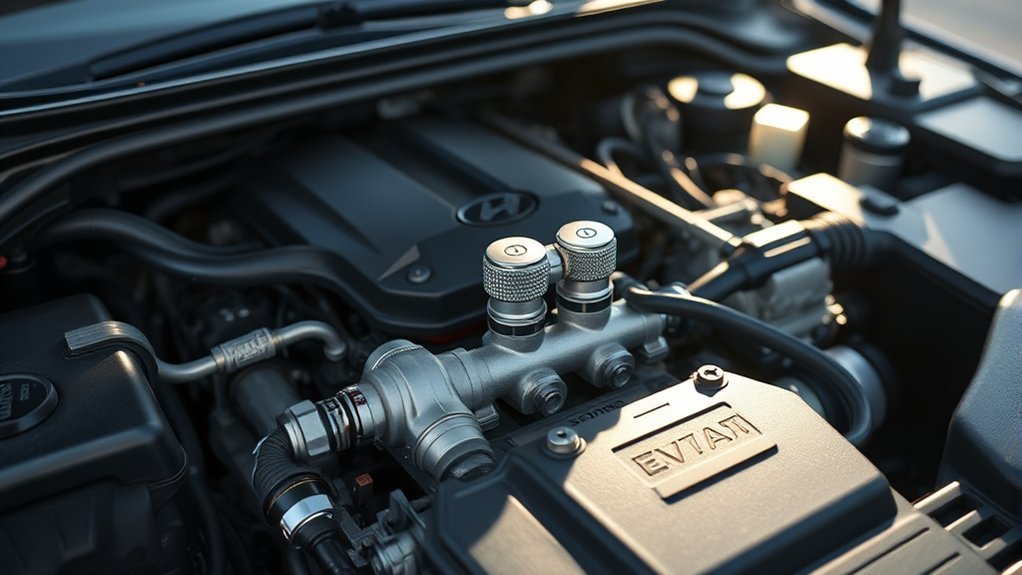
The EVAP system in your Hyundai Sonata captures gasoline vapors before they escape into the air, stores them in a charcoal canister, and sends them back to the engine to be burned when conditions are right. When the system cannot hold pressure or vacuum, your Sonata may turn on the check engine light and store EVAP-related codes such as P0440, P0442, P0455, or P0456.
Quick Answer
A Hyundai Sonata EVAP problem usually means fuel vapor is escaping or the system cannot complete its self-test. The most common causes are a loose or worn gas cap, cracked EVAP hoses, a faulty purge valve, a vent valve issue, or a damaged canister. Start with the gas cap, then scan the codes before replacing parts.
Key Takeaways
- The EVAP system reduces gasoline vapor emissions by storing vapors in a canister instead of venting them to the atmosphere.
- A check engine light is the most common symptom; many EVAP leaks do not cause obvious drivability problems.
- Always check the fuel cap first, especially if the light appeared soon after refueling.
- A smoke test and OBD-II scan are the best ways to confirm the leak location instead of guessing at parts.
- Do not keep topping off the tank after the pump clicks off because liquid fuel can damage EVAP components.
At a Glance
| Time Required | 10 minutes for a basic gas-cap check; 30–90 minutes for inspection and smoke testing |
| Difficulty | Easy for visual checks; moderate for testing purge and vent valves |
| Tools Needed | OBD-II scanner, flashlight, basic hand tools, multimeter, EVAP smoke machine |
| Typical Cost | Low for a fuel cap; higher if a valve, hose, canister, or sensor needs replacement |
Common Symptoms of EVAP Leaks in Your Hyundai Sonata
When you drive your Hyundai Sonata, EVAP system symptoms can be easy to miss because many leaks are small and do not change how the engine feels. The clearest warning is usually the malfunction indicator lamp, better known as the check engine light. Hyundai notes that this light can point to a problem with the emission control system, engine, or powertrain, so it should not be ignored.
- Check engine light: EVAP faults commonly store codes such as P0440, P0442, P0455, P0456, or P0457.
- Fuel smell near the vehicle: A gasoline odor near the fuel filler, rear of the car, or trunk area can point to escaping vapors.
- Loose-fuel-cap message or light: Some Sonata models may warn you when the fuel cap is not sealed properly.
- Failed emissions readiness: The EVAP monitor may stay “not ready” after codes are cleared until the vehicle completes the right self-test conditions.
- Hard starting or rough idle after refueling: This can happen when a purge valve sticks open and lets excess vapor enter the intake.
- Reduced fuel economy: EVAP faults are mainly emissions problems, but a stuck purge valve or related fuel-trim issue can sometimes affect drivability and mileage.
Note: A hissing sound when you remove the gas cap is not automatically proof of an EVAP leak. Some pressure or vacuum in the tank can be normal. Treat fuel odor, stored EVAP codes, or a recurring check engine light as stronger clues.
Why Your Sonata’s EVAP System Matters
Your Sonata’s EVAP system helps control gasoline vapor emissions. Gasoline vapors form while fuel is stored, while the vehicle is parked, while it is driven, and during refueling. Instead of letting those vapors escape, the system routes them through hoses and valves to a charcoal canister, then purges them into the engine when the computer commands it.
Emission Control Importance
The EVAP system is part of the vehicle’s emissions-control design. The EPA explains that onboard refueling vapor recovery systems use carbon canisters to capture gasoline vapors that would otherwise be emitted during refueling. Federal evaporative-emissions rules also define test procedures for measuring evaporative and refueling emissions from motor vehicles.
That matters for two reasons: it reduces hydrocarbon vapor emissions, and it helps the vehicle pass OBD-based emissions inspections when the system is working correctly. If the check engine light is on or the EVAP monitor will not complete, the car may fail an inspection depending on local rules.
EVAP problems are often small leaks, but they can still turn on the check engine light because the system is designed to detect whether the fuel system is sealed.
Fuel Efficiency Impact
The EVAP system is mainly an emissions system, not a fuel-saving device. A small leak at the gas cap may not cause a noticeable drop in mileage. However, some EVAP faults can indirectly affect fuel economy or drivability, especially when the purge valve sticks open and allows fuel vapor into the intake at the wrong time.
For most Sonata owners, the practical benefit is this: fixing EVAP faults early can prevent repeated check engine lights, failed emissions tests, fuel odors, and unnecessary parts replacement.
Most Common Causes of Hyundai Sonata EVAP Leaks
Before replacing sensors or valves, check the simple causes first. EVAP codes often come from sealing problems rather than major engine failures.
- Loose, missing, or worn fuel cap: This is the first thing to check after refueling. Make sure the cap clicks and the seal is clean and flexible.
- Cracked EVAP hoses: Heat, age, road salt, and vibration can split plastic lines or rubber connectors.
- Faulty purge control valve: A purge valve that sticks open can cause rough idle, hard starts after filling up, or incorrect purge flow.
- Faulty vent valve or canister close valve: If the vent side cannot seal, the system may fail its leak test.
- Damaged charcoal canister: Overfilling the tank can send liquid fuel into the canister and damage it.
- Leak detection sensor or pump issue: Some model years use specific leak-detection hardware that can fail or become contaminated.
Warning: Do not smoke, use open flames, or create sparks while inspecting fuel-vapor components. Gasoline vapor is flammable. If you smell strong fuel odor or see liquid fuel, stop driving and have the vehicle inspected safely.
Essential Tools for Diagnosing EVAP Issues
To diagnose EVAP issues in your Hyundai Sonata, use the right tools in the right order. Guessing can lead to replacing a purge valve when the real problem is only a fuel cap or cracked hose.
OBD-II Scanner
An OBD-II scanner reads the stored diagnostic trouble codes and freeze-frame data. EVAP-related codes often include:
| Code | Common Meaning | Likely Starting Point |
|---|---|---|
| P0440 | General EVAP system fault | Fuel cap, hoses, canister, purge/vent valves |
| P0441 | Incorrect purge flow | Purge valve, blocked lines, wiring |
| P0442 | Small EVAP leak | Fuel cap seal, small hose cracks |
| P0455 | Large EVAP leak | Loose cap, disconnected hose, stuck-open valve |
| P0456 | Very small EVAP leak | Cap seal, tiny hose leak, canister fitting |
| P0457 | Fuel cap loose or EVAP leak detected | Fuel cap and filler neck |
Smoke Machine Operation
A smoke machine is one of the best tools for finding EVAP leaks. It introduces low-pressure smoke into the sealed system so you can see where vapor escapes. Use only equipment designed for EVAP testing, and follow the tool and vehicle service information to avoid damaging sensors, valves, or the canister.
- Seal the system correctly: Close or command the vent valve as required by the service procedure.
- Add smoke at low pressure: EVAP systems are not designed for high pressure.
- Inspect common leak points: Check the gas cap, filler neck, canister, purge valve, vent valve, and hose connections.
- Repair before retesting: After a repair, run another smoke test to confirm the leak is gone.
Essential Hand Tools
You do not need a full professional toolbox for basic inspection, but you do need a few essentials:
- Flashlight and inspection mirror: Useful for checking hoses near the fuel tank and canister.
- Basic sockets, pliers, and screwdrivers: Needed to remove covers or loosen clamps.
- Multimeter: Helpful for checking voltage, ground, and resistance at valves or sensors.
- Scan tool with bi-directional controls: Best for commanding the purge and vent valves during testing.
How to Inspect the EVAP System: A Step-by-Step Guide
Inspecting the EVAP system in your Hyundai Sonata is easiest when you move from simple checks to more advanced testing. Use this sequence before buying parts.
- Check the fuel cap. Remove it, inspect the rubber seal, wipe away dirt, and reinstall it until it clicks. Replace the cap if the seal is cracked, hard, swollen, or missing.
- Scan the vehicle. Record the exact codes and freeze-frame data before clearing anything. A P0455 large-leak code points you in a different direction than a purge-flow code.
- Inspect the filler neck. Look for rust, damage, or debris where the gas cap seals.
- Check visible EVAP hoses. Look for cracks, disconnected lines, damaged clips, or loose fittings near the engine bay, underbody, fuel tank, and canister.
- Inspect the purge valve. A purge valve stuck open can cause rough idle or hard starting after refueling. Test it according to service information rather than assuming it is bad.
- Inspect the vent valve and canister area. Road dirt and moisture can affect vent-side components, especially in regions with salt or coastal air.
- Run a smoke test. Use an EVAP-rated smoke machine to confirm the leak point.
- Clear codes only after repair. Then drive normally until the EVAP monitor runs. Readiness may take several trips depending on fuel level, temperature, and driving conditions.
Pro Tip: Keep the fuel level between about one-quarter and three-quarters when trying to complete an EVAP readiness monitor. Many vehicles will not run the EVAP self-test when the tank is nearly empty or completely full.
Sonata Model-Year Notes and Service Bulletins
EVAP hardware and diagnostic strategy can vary by Sonata model year, engine, market, and hybrid status. Always confirm your exact vehicle by VIN before ordering parts.
For example, Hyundai issued a technical service bulletin for certain 2011–2015 Sonata Hybrid vehicles with EVAP leakage-related DTCs P0442, P0455, and P0456. The bulletin describes salt particulate deposits affecting the Natural Vacuum Leak Detection sensor and provides a repair procedure for an updated filter kit and sensor. That does not mean every Sonata with an EVAP code has this issue, but it shows why checking service information matters.
Hyundai warranty coverage may also matter. Hyundai’s emissions warranty information explains that emission-related components receive specific federal coverage periods, with certain major emissions parts covered for longer periods. Coverage depends on model year, mileage, state, and the exact failed part, so confirm with a Hyundai dealer if your Sonata may still qualify.
Top FAQs About EVAP Leaks and Their Solutions
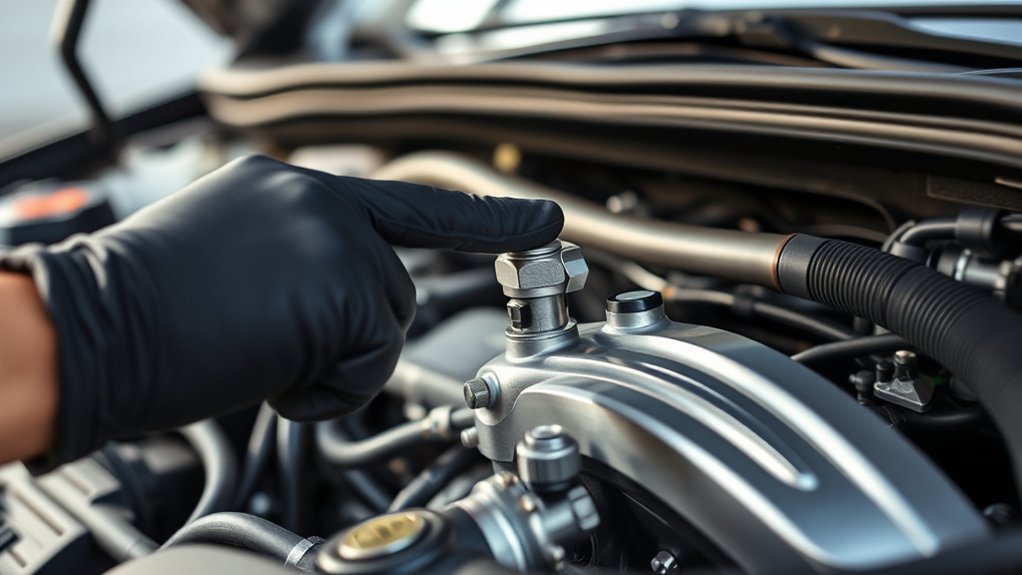
EVAP leaks can sound complicated, but most diagnoses start with the same few checks: fuel cap, codes, hoses, purge valve, vent valve, and smoke testing. Here are the practical answers Sonata owners usually need.
Can I Drive With an EVAP Leak?
In many cases, a small EVAP leak will not make the vehicle unsafe to drive immediately. However, you should not ignore it. A fuel smell, strong vapor odor, visible fuel leak, rough running, or flashing check engine light needs prompt attention. The longer the light stays on, the easier it is to miss a second, more serious problem.
What Should I Check First?
Start with the gas cap. Make sure it is tight, clean, and sealing correctly. If the light came on right after refueling, this is especially likely. If the cap looks worn or does not click properly, replace it with a cap made for your exact Sonata model.
What If the Light Comes Back After a New Gas Cap?
Scan the codes again and inspect the rest of the EVAP system. A new fuel cap will not fix a cracked hose, damaged canister, faulty purge valve, stuck vent valve, or leak detection sensor problem.
Best Practices for Maintaining Your Sonata’s EVAP System
Maintaining your Hyundai Sonata’s EVAP system is mostly about preventing damage and catching small leaks early.
- Tighten the fuel cap after every fill-up. Turn it until it clicks, unless your model uses a capless fuel filler.
- Do not top off the tank. Stop when the pump clicks off. Extra fuel can enter the vapor system and damage the charcoal canister.
- Replace a worn fuel cap promptly. A cheap cap can prevent repeated check engine lights, but use the correct part for your vehicle.
- Inspect hoses during oil changes. Look for cracks, loose connections, or rodent damage.
- Do not clear codes before recording them. The stored code helps narrow the cause.
- Complete the drive cycle after repairs. The EVAP monitor needs the right conditions before it will show ready.
- Check for open recalls, campaigns, or TSBs. Use your VIN or ask a Hyundai dealer, especially for hybrid models and recurring EVAP codes.
Note: EVAP repairs can be simple, but leak diagnosis is sensitive. If a smoke test shows no leak and the codes keep returning, the problem may be valve control, wiring, sensor logic, or model-specific service information rather than a visible hose crack.
Frequently Asked Questions
What happens when the EVAP system goes bad?
When the EVAP system goes bad, the most common result is a check engine light with an EVAP-related code. You may also notice fuel odor, failed emissions readiness, hard starting after refueling, or rough idle if the purge valve is stuck open. Many small EVAP leaks cause no obvious driving symptoms.
How many miles does it take to reset an EVAP system?
There is no fixed mileage for every Sonata. After a repair and code clear, the EVAP monitor usually needs several drive cycles under the right fuel-level, temperature, and speed conditions. Some vehicles complete the monitor quickly, while others may need a few days of normal driving.
Is it expensive to fix an EVAP leak?
It depends on the cause. Tightening or replacing a fuel cap is inexpensive. Replacing cracked hoses, a purge valve, vent valve, leak detection sensor, or charcoal canister costs more because parts access and diagnostic time vary by model year and engine.
How do I get my EVAP system monitor ready?
Repair the fault first, keep the fuel level roughly between one-quarter and three-quarters, make sure the gas cap seals, and drive through several normal trips that include warm-up, steady cruising, and cooldown. If the monitor still will not set, scan for pending codes and follow the Sonata-specific drive-cycle or service procedure.
Can a bad purge valve cause rough idle after refueling?
Yes. If the purge valve sticks open, fuel vapor can enter the intake when it should not. That can cause rough idle, hard starting, or stalling after refueling. Test the valve before replacing it because wiring, hoses, and command signals also matter.
Will an EVAP leak damage my Hyundai Sonata engine?
A small EVAP leak usually will not damage the engine by itself, but ignoring the check engine light is risky. The light could later hide a more serious fault. A stuck purge valve can also affect air-fuel control and drivability, so diagnosis is still important.
Conclusion
Keeping your Hyundai Sonata’s EVAP system in good shape helps control fuel-vapor emissions, prevents repeat check engine lights, and supports emissions-test readiness. Start with the simple checks: tighten the fuel cap, inspect the seal, scan the exact code, and look for cracked or disconnected hoses. If the code returns, use a proper smoke test and Sonata-specific service information before replacing parts. A careful diagnosis can turn a frustrating EVAP light into a straightforward repair.
Sources
- Hyundai USA — Warning Lights — supports the explanation of the malfunction indicator lamp and emissions-related warnings.
- Hyundai USA — Manuals and Warranties — supports checking the owner’s manual and warranty details for a specific Sonata model year.
- U.S. EPA — Onboard Refueling Vapor Recovery Fact Sheet — supports how carbon canisters capture gasoline vapors during refueling.
- eCFR — 40 CFR Part 1066 Subpart J — supports the federal evaporative and refueling emissions test-procedure context.
- California Bureau of Automotive Repair — OBD Test Reference — supports OBD readiness monitor and malfunction indicator lamp inspection context.
- NHTSA — Hyundai TSB 21-FL-002H — supports the Sonata Hybrid EVAP DTC model-year note for certain 2011–2015 vehicles.