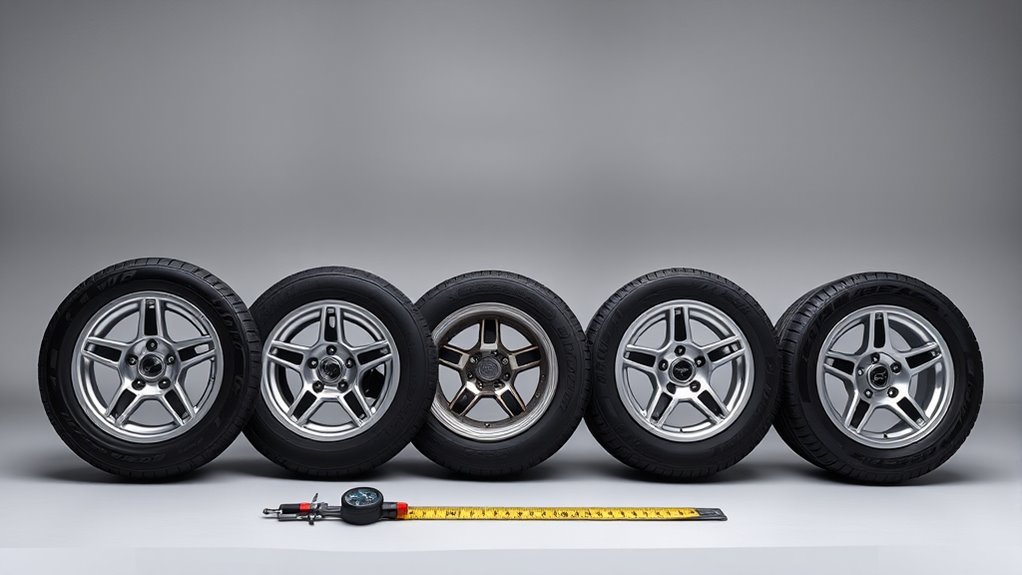
Regularly checking your Toyota Supra’s brake pads is essential for safety and performance. Look for signs of wear like squeaking noises, longer stopping distances, or any vibrations. During inspection, visually assess the pads for cracks and measure the friction material; replace pads if they’re under 3mm. If you’re unsure about the process, genuine Toyota brake parts guarantee ideal fit and reliability. Understanding the inspection and replacement steps can help maintain your vehicle’s braking system effectively.
Why You Should Regularly Check Your Brake Pads
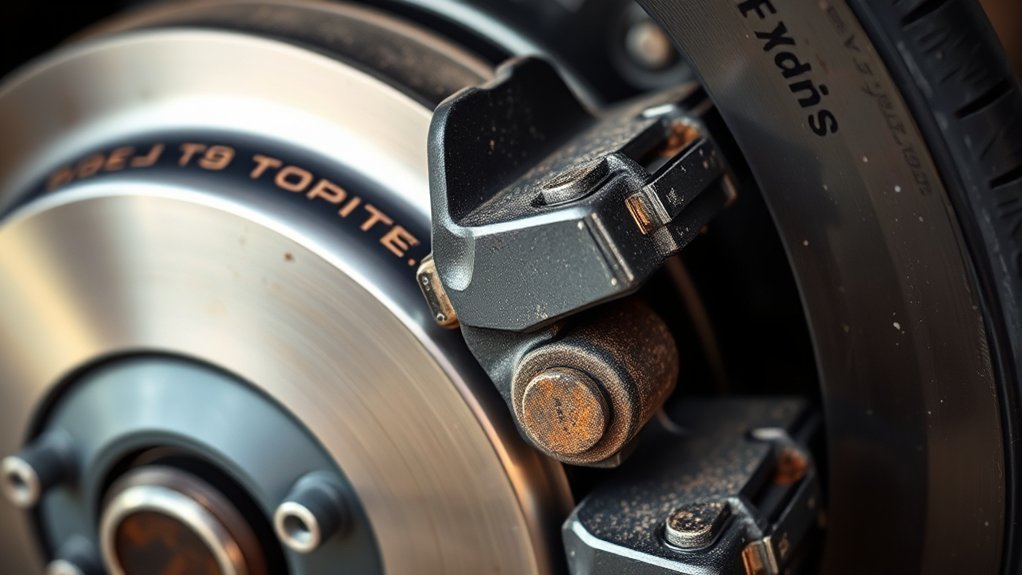
Regularly checking your brake pads is essential because it helps you catch wear before it escalates into costly repairs. Brake pads typically last between 30,000 and 70,000 miles, so integrating inspections into your maintenance schedule guarantees peak brake pad longevity. By visually inspecting the pads, you can proactively monitor their thickness instead of relying solely on wear sensors, which may fail. This practice allows you to maintain predictable stopping power and enhances overall vehicle safety. Additionally, identifying wear early prevents damaging metal-on-metal contact that could harm rotors. Prioritizing these inspections not only safeguards your vehicle but also liberates you from unexpected brake failures, empowering you to drive with confidence.
Signs of Worn Brake Pads
As you drive, it’s important to be aware of the signs that indicate your brake pads are worn. One of the most obvious indicators is squeaking noises; these sounds often signal that wear indicators are contacting the rotor. If you notice longer stopping distances, that could mean the friction material is thinning and needs attention. Additionally, vibrations or pulsations in the brake pedal or steering wheel might suggest warped rotors due to excessively worn pads. A burning odor while braking is critical; it indicates metal-on-metal contact, meaning your pads are completely worn and should be replaced immediately. Regular visual inspections are significant—if the remaining friction material measures less than 3 millimeters, it’s time for a change to maintain peak brake performance.
The Inspection Process for Brake Pads
To guarantee your Toyota Supra’s braking system functions effectively, a thorough inspection of the brake pads is essential. Start with a visual check for uneven wear, cracks, or deterioration, confirming the brake pad materials meet manufacturer specifications for thickness. Use inspection tools like a feeler gauge to measure the remaining friction material; aim for at least 3mm to prevent metal-on-metal contact. Look for wear indicators—if they touch the rotor, it’s time for a replacement. Rotate or compress the caliper pistons during inspection to confirm smooth movement. Finally, document any irregularities or issues you find. This record will help with future maintenance and confirm your Supra remains safe and responsive on the road.
The Brake Pad Replacement Process
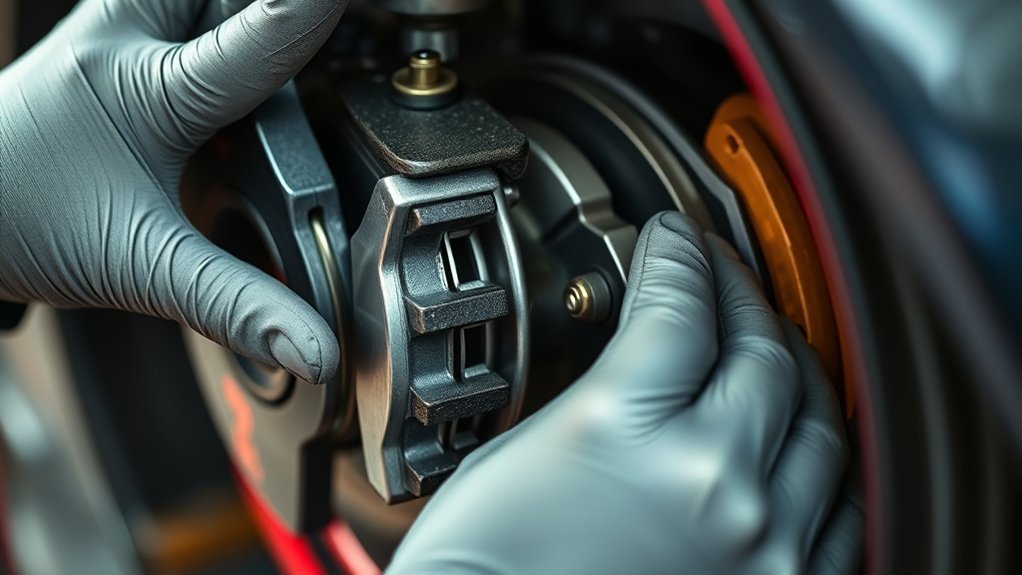
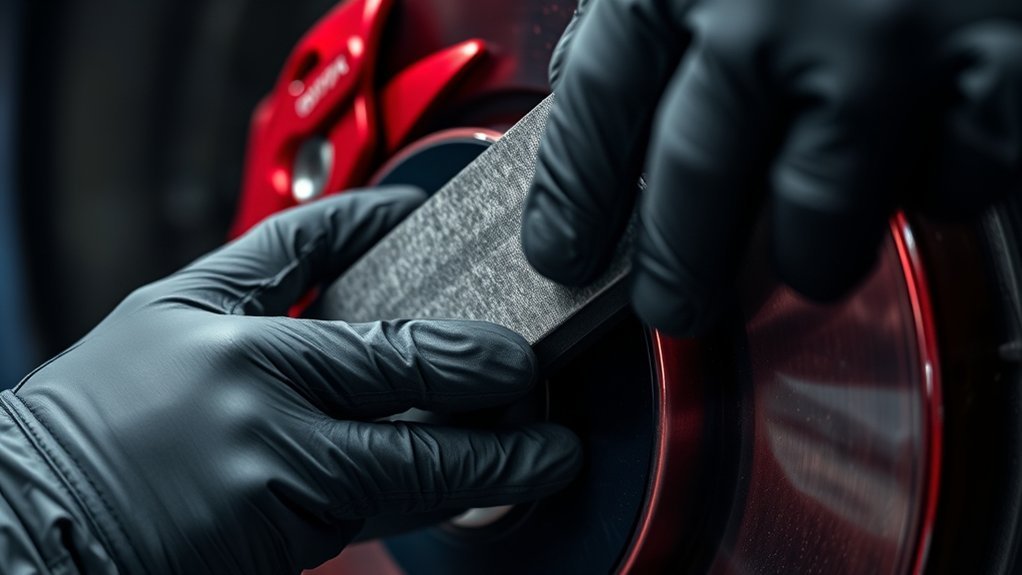
Once the inspection process is complete and any issues are noted, you can begin the brake pad replacement process. First, securely raise the vehicle and remove the wheels to access the brake components. Compress the caliper pistons fully using a pry bar or an old brake pad as a fulcrum, making it easier to install new pads. Carefully remove the old brake pads, using a putty knife if they’re glued to the piston, and transfer any shims to the new pads. Apply high-temp grease to the pad-to-caliper contact points to minimize noise and guarantee smooth operation. After installing the new pads, double-check that all pins are secure and visually inspect the brake system before reassembling.
Benefits of Choosing Genuine Toyota Brake Parts and Scheduling Service
When you choose genuine Toyota brake parts, you’re investing in excellent performance and safety for your vehicle. These parts are specifically designed for ideal fit, guaranteeing consistent brake performance and effective stopping power under various conditions. Using genuine components minimizes noise and dust, enhancing your driving experience while extending part longevity. Certified technicians guarantee thorough inspections during scheduled service, reducing the risk of premature wear and costly repairs.
| Benefit | Description | Impact on Vehicle |
|---|---|---|
| Ideal Fit | Designed for precise installation | Consistent pedal feel |
| Reduced Noise & Dust | Minimizes disruptive sounds and brake dust | Enhanced driving comfort |
| Tested Durability | Guarantees reliability and longevity | Fewer replacements needed |
| Expert Inspection | Certified technicians check all components | Increased safety |
| Regular Maintenance | Extends brake lifespan | Cost-effective solution |
Frequently Asked Questions
When to Change Brake Pads Supra?
You should change your brake pads every 30,000 to 70,000 miles, depending on driving habits. Monitor for signs like noise or vibrations, as worn pads can greatly impact performance and safety. Don’t compromise your ride!
Do Toyota Brake Pads Have Wear Indicators?
Yes, Toyota brake pads have wear indicators that signal when to replace them. By understanding brake pad materials and performance comparison, you can guarantee safety, prevent damage, and maintain peak braking performance in your vehicle.
What Is the Minimum Brake Pad Thickness for Inspection?
The minimum brake pad thickness for inspection is 3-4 millimeters. Use appropriate inspection tools to measure brake pad materials, and replace pads worn down to 2 millimeters or less to maintain ideal braking performance.
Conclusion
Regularly inspecting your Toyota Supra’s brake pads isn’t just smart; it’s essential for your safety on the road. By keeping an eye out for wear and knowing how to replace them, you guarantee peak performance. Plus, opting for genuine Toyota parts means you’re not just putting a Band-Aid on a problem—you’re investing in quality and longevity. So, grab your toolkit and channel your inner mechanic to keep your ride as smooth as a hot knife through butter!