

You’re trading clean airflow for usable grip. On the Toyota GR Supra, the factory body shape, flat underbody panels, rear diffuser and rear spoiler are designed to help the car feel stable at speed without turning it into a high-drag track-only build. Add-on splitters, canards and wings can increase downforce, but only when they are balanced, mounted correctly and tested on a closed course.
Quick Answer
Toyota Supra aerodynamics reduce lift, manage underbody airflow and improve high-speed stability. Factory aero is conservative and balanced for road use. Aftermarket splitters, wings and diffusers can add grip, but they also add drag and can upset handling if front and rear downforce are not tested together.
Key Takeaways
- The stock GR Supra uses a shaped body, flat undercover, air channels, spats, rear diffuser and rear spoiler to manage stability and drag.
- Downforce adds tire load and confidence in fast corners, but it also adds drag and can reduce straight-line speed.
- A large rear wing without matching front aero can create understeer; a big front splitter without rear balance can make the car nervous.
- Treat aftermarket aero claims carefully unless the part maker provides CFD, wind-tunnel or track-test data for the GR Supra.
- High-speed aero testing belongs on a closed course with proper tires, torque checks, ride-height checks and telemetry.
At a Glance
| Time Required | 30 minutes for a visual check; one full track session or more for meaningful testing |
| Difficulty | Moderate for inspection; advanced for aero tuning |
| Tools Needed | Torque wrench, tire-pressure gauge, tire-temperature probe, ride-height measure, basic data logger or lap timer |
| Cost | Free for basic checks; paid track testing, alignment, CFD or wind-tunnel work varies by shop and facility |
Downforce vs Drag: What They Mean for the Supra

Downforce is aerodynamic load that pushes the tires into the road. More load can help the tire generate cornering grip, especially at higher speeds. Drag is the aerodynamic force that pushes against the car’s direction of travel. More drag can reduce top speed, acceleration at high speed and fuel efficiency.
The key is not “maximum downforce at any cost.” The key is aero balance: the front and rear of the car need to gain load in a way that matches the suspension, tires and driver. A Supra with too much rear aero and not enough front aero can push wide on corner entry. A Supra with too much front splitter and not enough rear stability can feel nervous in fast bends.
Aerodynamic forces rise quickly with speed, so a small aero change at road speed can feel much stronger at track speed.
For basic aero physics, NASA explains drag as the component of aerodynamic force that opposes motion, while lift acts perpendicular to that motion. In car language, negative lift is downforce.
What the Stock GR Supra Aero Actually Includes
The current GR Supra is not just a smooth body with styling add-ons. Toyota describes the car’s flat undercover as being shaped with channels and spats to redirect air underneath the car and help it feel stable and planted at speed. The body also uses a short rear deck, integrated rear spoiler shape and rear diffuser area to manage the wake behind the car.
Toyota’s 2020 GR Supra brochure also describes an aerodynamically tested rear diffuser and a double-bubble roof that helps optimize airflow and reduce drag. That matters because the roof, rear glass, hatch and bumper all affect how cleanly air leaves the car.
Note: Toyota does not publish one universal “pounds of downforce” number for every stock GR Supra configuration. Any exact downforce number should be tied to a specific part, speed, ride height and test method.
| Area | What It Does | Tuning Risk |
|---|---|---|
| Front bumper / lip area | Guides air around and under the nose | Large splitters can scrape or shift balance forward |
| Flat undercover and spats | Helps manage underbody flow | Damage or missing panels can reduce stability |
| Rear diffuser area | Helps clean up rear underbody airflow | Works best with correct ride height and clean airflow |
| Rear spoiler / deck shape | Helps rear stability and wake control | Bigger wings can add drag and change balance |
How the Front Splitter and Nose Shape Direct Airflow
The Supra’s front aero starts with the bumper, lower lip, front underbody panels and the way air is guided around the wheels. On a stock car, the goal is stable road behavior, cooling and low drag. On a track-focused car, a true splitter can extend forward to create a stronger pressure difference: higher pressure above the splitter and lower pressure below it.
That pressure difference can add front downforce, but it also creates new loads. A splitter needs strong mounts, correct height, enough ground clearance and rear aero to match. If the splitter flexes at speed, drags on the ground or stalls airflow under the car, the result can be worse than stock.
Special models show how far Toyota can push the idea when the whole package is tested. Toyota Gazoo Racing’s A90 Final Edition uses a carbon-fiber front spoiler, front canards and a front center flap with a rear wing to optimize front/rear aero balance, downforce and drag after repeated wind-tunnel testing by Toyota Gazoo Racing Europe.
Pro Tip: Add front aero only after you record a baseline. Note tire pressures, tire temperatures, lap times, steering feel and any high-speed instability before changing parts.
How the Rear Spoiler, Winglets, and Diffuser Balance the Supra at Speed
At the rear, the goal is to manage how air leaves the roof, hatch, bumper and underbody. The stock rear spoiler shape and diffuser area help clean up the wake and support stability. A larger wing or spoiler can add rear load, but it should not be judged by size alone. Angle, airfoil shape, height, endplate design, mounting stiffness and placement all matter.
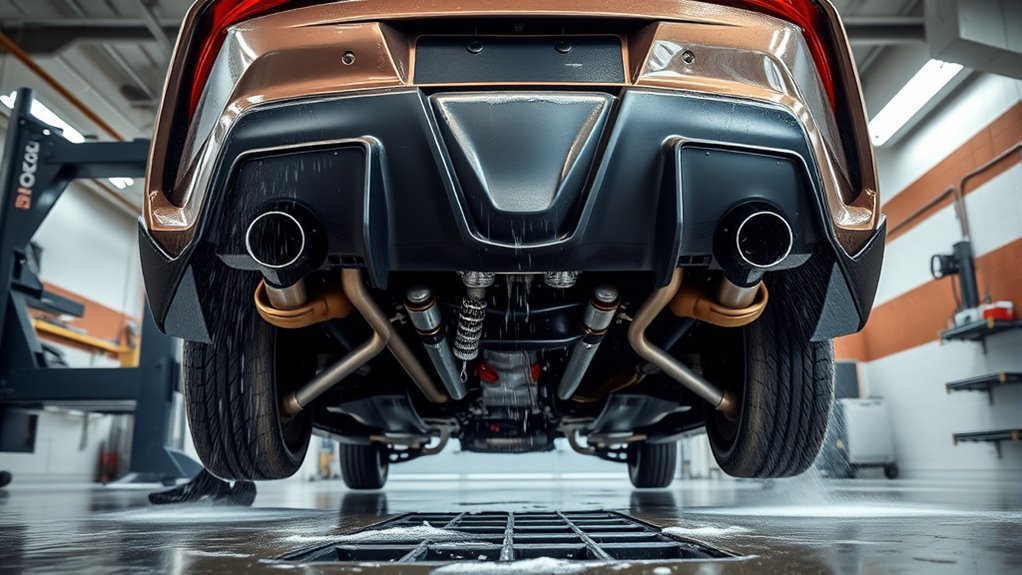
Winglets, canards and vortex-generating parts can help guide airflow, but they can also add drag or turbulence if used without a plan. The diffuser works differently: it helps the underbody flow expand and leave the rear of the car more cleanly. Diffusers are sensitive to ride height, rake, exhaust heat, bumper shape and how much clean air reaches them.
Toyota’s 2024 GR Supra 45th Anniversary Edition is a useful example because its large rear spoiler is described by Toyota as manually adjustable. Changing its angle can influence downforce on the rear wheels, but that is still not the same as automatic active aero.
| Component | Primary Effect | Best Use |
|---|---|---|
| Rear spoiler | Rear stability and wake control | Street and mild track balance |
| Rear wing | More rear downforce with more drag | Track builds with matching front aero |
| Winglets / canards | Local flow control and vortex management | Tested aero packages, not random add-ons |
| Diffuser | Underbody flow management | Cars with stable ride height and clean underbody airflow |
[Products Worth Considering]
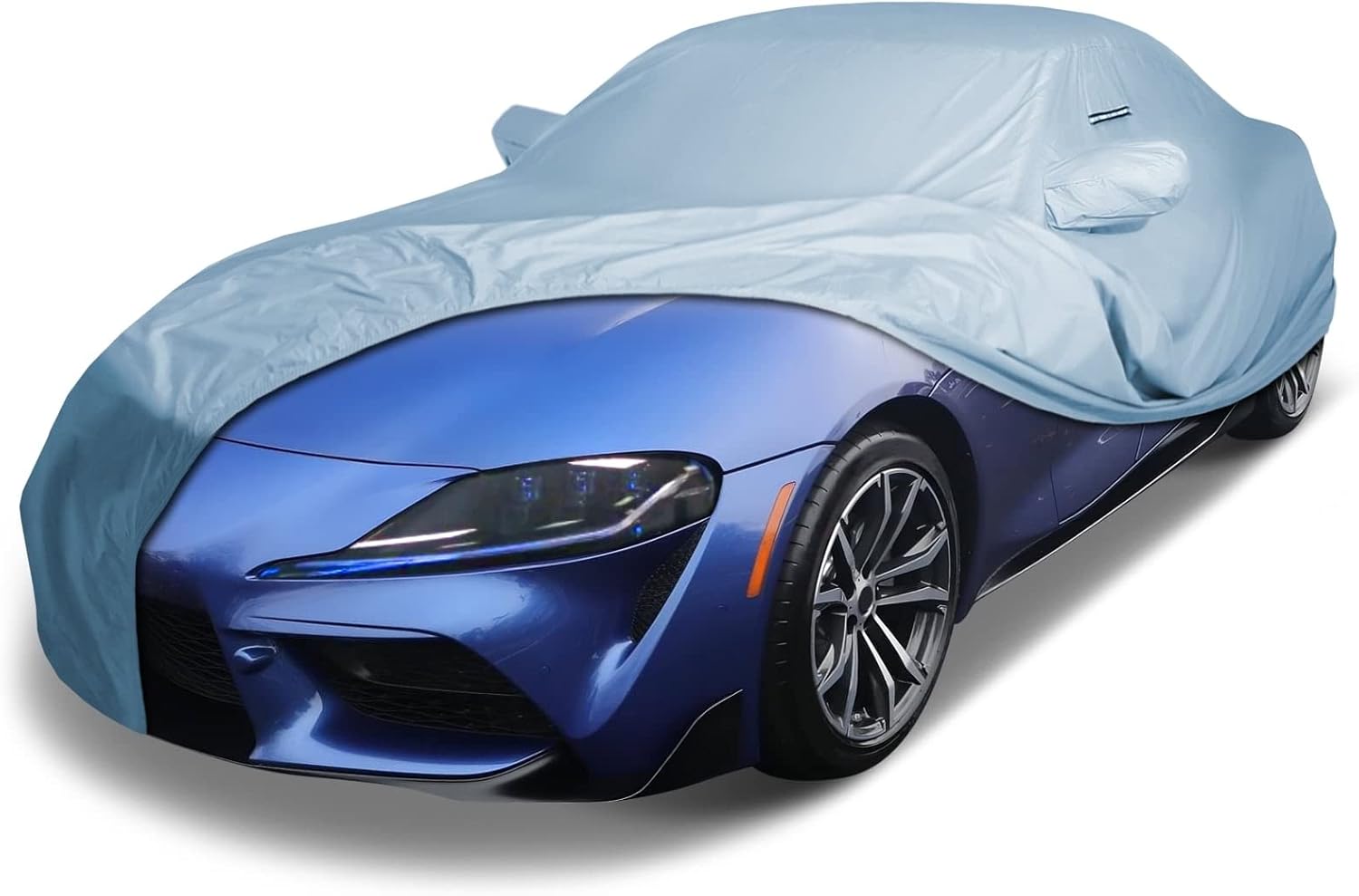
Protect your 2020-2026 Toyota GR Supra with a precision custom-fit cover designed to hug the vehicle’s contours for a secure, reliable fit. Built for all-weather use, it helps guard against rain, snow, sun, and other outdoor elements while the soft inner lining helps reduce the risk of scratches. Added straps, waterproof seams, and ventilation provide dependable protection and everyday convenience.

KUST Custom Fit Trunk Mat is designed for 2020-2026 Toyota GR Supra models to help protect the cargo area from dirt, spills, and daily wear. Its TPE construction offers a fresh, odor-free feel, while the raised-edge design adds extra coverage for all-weather protection. Lightweight and easy to remove, it makes cleaning simple and helps keep the trunk neat and protected.

This upgraded engine oil funnel kit makes oil changes cleaner and easier with a spill-proof design, flow control valve, and transparent body for precise filling. Built from durable polycarbonate and equipped with 12 adapters, two 45-degree elbows, and a debris filter, it fits a wide range of vehicles and works well in tight engine spaces. The secure, hands-free setup helps reduce mess while improving control during oil filling and fluid transfers.
Stock vs Aftermarket Aero: What Actually Works on a Supra

Stock GR Supra aero is a balanced road setup. It aims to support stability, cooling, noise control, durability and daily usability. Aftermarket aero can work, but the best parts are designed as a system rather than as isolated styling pieces.
Look for manufacturers that show the test method, speed, ride height, setup and balance changes. Useful proof can include CFD images, wind-tunnel data, pressure maps, track telemetry, tire-temperature changes or repeatable lap-time testing. A claim like “adds downforce” is not enough by itself.
Also check material stiffness and mounting. Carbon fiber, aluminum composite and reinforced plastic can all work, but a part that flexes at speed will not behave the same way it did in a static product photo. Mounting points matter as much as the part itself.
[Products Worth Considering]
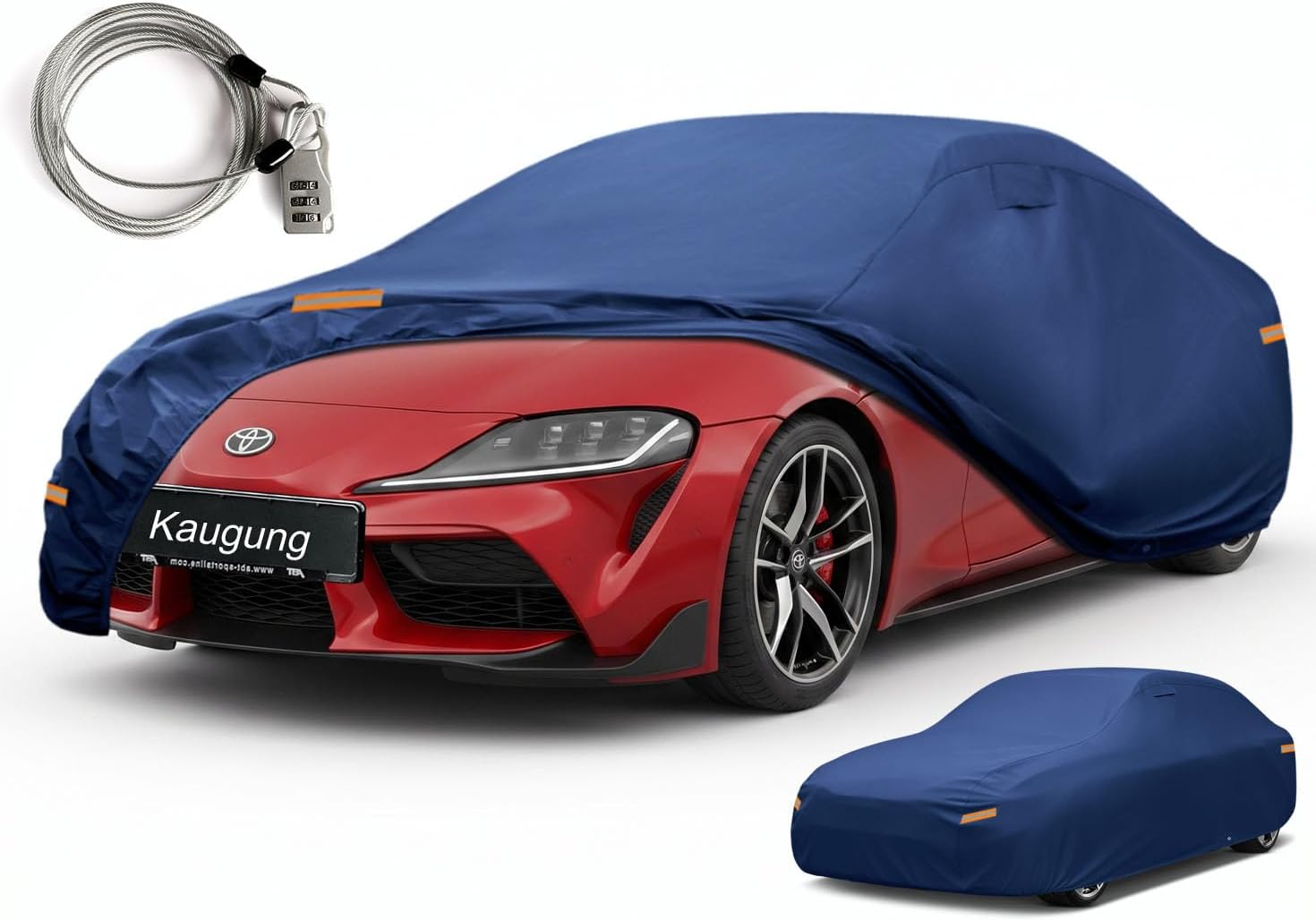
This custom-fit car cover is designed for Toyota Supra and GR Supra models, offering dependable all-weather protection for both indoor and outdoor use. Built with durable Oxford fabric and a soft cotton lining, it helps shield your vehicle from rain, sun, snow, dust, and UV exposure while protecting the paint finish. Windproof straps, dual air vents, reflective details, and included security accessories add convenience and peace of mind.

This flexible oil funnel is designed to make fluid changes cleaner and easier by guiding oil around obstacles like skid plates and crossmembers. Its shape-retaining core and silicone body can be molded for custom positioning, while the heat-resistant, leak-proof design helps prevent spills during draining and filter removal. Reusable and easy to clean, it works well for cars, trucks, motorcycles, and other hard-to-reach fluid fill or drain applications.

This dual dash cam captures detailed road footage with front and rear recording for added driving security. Built-in WiFi and app control make it easy to review, download, and manage videos from your phone, while the IPS screen provides clear on-device viewing. With loop recording, G-sensor protection, parking mode, and WDR support, it is designed to help document incidents day or night.
Aftermarket Aero Buying Checklist
- Data: Does the brand publish CFD, wind-tunnel or track-test information for the GR Supra?
- Balance: Does the kit include front and rear recommendations, or only one big part?
- Mounting: Are brackets, fasteners and load paths strong enough for track speed?
- Cooling: Does the part block radiator, oil cooler, brake or intercooler airflow?
- Clearance: Will it survive driveways, curbs, trailer loading and suspension compression?
- Legality: Is it acceptable for your road rules, inspection rules and track class?
- Serviceability: Can you still jack the car, remove panels and inspect fasteners?
Warning: Do not test high-speed aero changes on public roads. Use a closed course, inspect every mount, verify tire speed ratings and stop immediately if the car wanders, bottoms out, overheats or feels unstable.
Street vs Track Aero Setup
A street Supra needs clearance, cooling, rain behavior and predictable handling. A track Supra can accept more drag and more maintenance if the setup improves lap time and stability. Problems start when a track part is installed for looks, then driven daily without checking clearance, fasteners or balance.
For street use, conservative aero is usually better. Keep the underbody panels intact, avoid blocking cooling openings and choose parts that do not scrape constantly. For track use, treat aero as part of the chassis setup. Alignment, tire compound, spring rate, damping, brake cooling and ride height all affect whether an aero part helps or hurts.
The 2026 GR Supra MkV Final Edition shows this system approach. Toyota says it combines braking, suspension, body-rigidity, tuning and aerodynamic updates rather than relying on one visual part. Its GT4-style pack uses a carbon-fiber ducktail rear spoiler, while Toyota’s Japan-market A90 Final Edition goes further with a tested front spoiler, canards, front flap and swan-neck rear wing.
[Products Worth Considering]

This master quick disconnect kit makes it easier to remove fuel lines, AC hoses, oil pipes, and radiator hoses on a wide range of vehicles. It includes a versatile mix of clip removers, spring lock removers, oil cooler line tools, and disconnect pliers to help handle common and specialized repair jobs. Built for durability and organized storage, it is a practical choice for technicians and DIY mechanics working on modern fuel and transmission systems.

This segmented carbon fiber steering wheel cover set adds grip, comfort, and protection to your vehicle interior. It helps reduce slipping from sweat while shielding the wheel from sun damage, scratches, wear, and dirt. Designed for broad compatibility, it offers an easy three-piece installation for a fast interior upgrade.

This front bumper license plate bracket is designed for Toyota vehicles from 2000 to 2026, offering a secure and street-legal way to mount your plate without covering important registration details. Made from durable, rust-proof materials, it helps protect your car’s finish while providing a clean, stable fit. The kit includes mounting hardware and a wrench for easier installation, making it a practical accessory for drivers who want a reliable plate holder solution.
Testing, Tuning, and Safety: Setup Limits, Wind-Tunnel Basics, and Real-World Tips
Accurate aero tuning depends on controlled measurement. Professional programs use CFD, wind tunnels and track validation. SAE’s J2084 road-vehicle aerodynamic testing report covers wind-tunnel methods and procedures, while Toyota Gazoo Racing Europe used proprietary wind-tunnel testing for the A90 Final Edition aero package.
You do not need a factory wind tunnel to avoid bad decisions. Start with a careful baseline and change one thing at a time.
- Inspect the car first: Confirm underbody panels, wheel-arch liners, brake ducts and bumper fasteners are secure.
- Set a baseline: Record tire pressures, tire temperatures, alignment, ride height, lap times and driver notes.
- Install one change: Add one aero part or one angle adjustment at a time.
- Check clearance: Measure splitter height, suspension compression room and diffuser clearance.
- Run controlled laps: Use the same tires, fuel load, driver and conditions as much as possible.
- Read the tires: Compare inside/middle/outside temperatures and pressure growth.
- Watch temperatures: Check coolant, oil, intake-air and brake temperatures after the change.
- Inspect again: Re-torque mounts and look for cracks, rubbing, loose brackets or floor-panel movement.
Common Aero Symptoms and Fixes
| Symptom | Likely Cause | What to Check |
|---|---|---|
| More understeer in fast corners | Too much rear aero or not enough front load | Wing angle, front splitter height, front tire temps |
| Nervous rear end | Too much front aero or stalled rear airflow | Splitter size, rear wing setting, diffuser clearance |
| Lower top speed | Added drag | Wing angle, canards, exposed brackets, ride height |
| Higher coolant or oil temps | Blocked cooling airflow | Front openings, ducting, grille screens, undertray fitment |
| Scraping or sudden balance change | Splitter too low or too flexible | Mounting stiffness, ride height, spring rate, bump stops |
Frequently Asked Questions
What is the difference between aerodynamics and downforce?
Aerodynamics is the full study of how air moves around the car. It includes drag, lift, cooling airflow, wake control and stability. Downforce is only one part of aerodynamics: it is the downward aerodynamic load that helps press the tires into the road.
Is a 0.27 drag coefficient good?
Yes, a 0.27 drag coefficient is low for many road cars, but do not assume that number applies to the current GR Supra unless it comes from an official specification or a controlled test. Drag coefficient also does not tell the whole story because frontal area, lift balance and cooling drag matter too.
Does the Toyota GR Supra have active aero?
The standard current GR Supra is not listed by Toyota as having an automatically deploying active wing. It has fixed aerodynamic body features such as underbody panels, spats, a rear diffuser area and a rear spoiler shape. Some special editions and aftermarket setups use fixed or manually adjustable aero parts, but that is different from active aero.
Will a bigger rear wing make a Supra faster?
Not always. A bigger wing can add rear grip in fast corners, but it also adds drag and can make the car understeer if the front aero is not matched. It may improve lap time on some tracks and hurt speed on others.
Should I install a splitter before a wing?
For a track build, think in terms of balance rather than install order. A front splitter can improve front grip, while a wing can improve rear stability. The safest approach is to choose parts designed to work together, install them correctly and test one change at a time.
Conclusion
Supra aero is about balance, not just bigger parts. The stock GR Supra uses underbody management, a rear diffuser area, a shaped roofline and rear spoiler geometry to support stability without excessive drag. Track-focused aero can add grip, but only when the front and rear work together.
Before chasing lap-time gains, protect the basics: keep the factory underbody panels intact, choose parts with real test data, verify cooling, measure tire behavior and test only on a closed course. The right setup makes the car more predictable at speed. The wrong setup adds drag, stress and instability.
Sources
- Toyota 2026 GR Supra official page — underbody aerodynamics, flat undercover, channels, spats and stability claims
- Toyota 2020 GR Supra eBrochure — aerodynamically tested rear diffuser and double-bubble roof airflow claim
- Toyota Global Newsroom: A90 Final Edition — wind-tunnel-tested front spoiler, canards, front flap and rear wing package
- Toyota USA Newsroom: 2024 GR Supra 45th Anniversary Edition — manually adjustable rear spoiler and downforce influence
- Toyota USA Newsroom: 2026 GR Supra MkV Final Edition — final-edition performance and aero updates
- NASA Glenn Research Center: What Is Drag? — basic drag and lift definitions used to explain downforce



[…] electrical loads, software, position sensors, and transient balance changes. Read the separate Toyota Supra aerodynamics and downforce guide for passive-aero fundamentals, splitters, diffusers, fixed wings, and front-to-rear […]