For your Toyota Supra, use DOT3 or DOT4 glycol-based brake fluid, with DOT4 offering superior performance. Change your brake fluid every two years or 20,000 miles, but consider more frequent changes for track use or in humid climates. Regular fluid changes are essential; they prevent moisture absorption that can lower boiling points and affect braking efficiency. Monitor warning signs like spongy pedals or warning lights to guarantee safety. There’s more to optimizing your braking system.
How to Choose the Right Brake Fluid for Your Supra
When selecting the right brake fluid for your Toyota Supra, it’s essential to prioritize performance and safety. Look for DOT3 or DOT4, with DOT4 being the better choice for performance enhancement due to its higher boiling point. Make certain your brake fluid is glycol-based, as this type effectively converts force into pressure, optimizing braking performance. Be proactive in checking the boiling point; it should exceed 284°F for DOT4 to prevent brake failure under stress. In humid climates, you should consider changing the brake fluid more frequently to combat moisture absorption. Always use a professional brake fluid tester to assess fluid condition, guaranteeing brake fluid compatibility and maintaining the reliability of your braking system.
Recommended Brake Fluid Change Interval
For your Toyota Supra, it’s essential to change the brake fluid every two years or 20,000 miles, whichever comes first. Various factors like driving habits, vehicle age, and humidity can influence this interval. Regular maintenance and testing of the fluid guarantee peak performance and reduce the risk of brake failure.
Recommended Change Frequency
To maintain ideal braking performance in your Toyota Supra, it’s vital to change the brake fluid every two years or 20,000 miles. This interval guarantees peak brake fluid longevity, reducing the risk of moisture absorption and internal corrosion. Factors like driving habits, vehicle age, and climate can influence your maintenance schedule; for example, humid conditions may require more frequent changes. Regular inspection of the brake fluid during routine maintenance can help you identify if a change is necessary sooner. Ignoring this important task can lead to diminished braking efficiency and potentially costly repairs. By adhering to the recommended change frequency, you make sure your Supra’s braking system remains reliable and responsive on every drive.
Factors Influencing Change Timing
Regular brake fluid changes are important, but several factors can affect how often you should schedule them. Here are four key influences:
- Driving Conditions: Frequent stop-and-go traffic or aggressive driving can degrade brake fluid faster.
- Climate: Humid environments lead to higher moisture absorption, affecting brake fluid composition and performance.
- Vehicle Age: Older vehicles may have more wear in the braking system, necessitating more frequent changes.
- Inspection Results: Regular testing of your brake fluid can reveal its condition, indicating when a change is needed.
Neglecting these factors can lead to increased stopping distances and potential brake failure, highlighting the importance of timely maintenance for safety and peak performance.
Importance Of Regular Maintenance
While many drivers may overlook brake fluid maintenance, adhering to a recommended change interval is vital for guaranteeing peak performance and safety in your Toyota Supra. Regular brake fluid changes every two years or 20,000 miles maintain ideal brake fluid chemistry, preventing moisture absorption that can lower boiling points and increase the risk of brake failure. Neglecting this important task can lead to internal corrosion within the braking system, jeopardizing brake system longevity and leading to costly repairs. Factors such as driving habits, vehicle age, and climate can affect how often you should change your brake fluid, especially in humid conditions. Monitoring your brake fluid’s condition during routine maintenance guarantees efficient brake operation and enhances your driving experience.
Why Regular Brake Fluid Changes Are Essential
Regular brake fluid changes are vital because brake fluid absorbs moisture, which can lower its boiling point and jeopardize your braking system’s performance. If you neglect this maintenance, you risk internal corrosion and potential brake failure, leading to costly repairs. Staying on top of your brake fluid changes guarantees peak safety and efficient braking response.
Moisture Absorption Risks
Because brake fluid is hygroscopic, it readily absorbs moisture from the air, which can greatly compromise your vehicle’s braking performance over time. Here’s why you should prioritize regular brake fluid changes:
- Lower Boiling Point: Increased moisture raises the boiling point, risking brake fade during intense use.
- Corrosion Risk: Moisture effects can lead to internal corrosion, damaging brake components and increasing repair costs.
- Contamination: Accumulated moisture can contaminate the fluid, leading to longer stopping distances.
- Silent Failure: Neglecting changes can turn brake fluid into a “silent killer,” reducing safety without noticeable signs.
Regular changes every two years or 20,000 miles are essential for corrosion prevention and effective braking operation. Don’t wait until it’s too late.
System Performance Maintenance
Maintaining your brake fluid is essential to guaranteeing your vehicle’s braking system operates at peak performance. Brake fluid is hygroscopic, absorbing moisture that lowers its boiling point, risking brake failure under stress. Regular changes—ideally every two years or 20,000 miles—are critical for preventing internal corrosion and costly repairs. Old fluid can extend stopping distances and trigger warning lights, signaling immediate attention is necessary. For peak performance tuning, verify your brake fluid compatibility with your Toyota Supra’s specifications. Annual inspections and quality testing are important, especially in humid climates where moisture absorption accelerates. By prioritizing routine maintenance, you enhance safety and maintain effective braking, guaranteeing your driving experience remains liberating and enjoyable.
How to Tell If It’s Time to Change Your Brake Fluid?
How can you tell if it’s time to change your brake fluid? Pay attention to these brake fluid indicators:
- Warning Lights: If your brake or ABS warning light activates, it signals a potential issue with fluid level or quality.
- Pedal Feel Assessment: A spongy brake pedal or needing extra pressure to stop indicates that the fluid may be degrading.
- ABS Behavior: Unusual activation of the ABS during normal driving can suggest low brake fluid levels.
- Noise and Vibration: Listen for vibrations or noises from the brake pads, as these can hint at low fluid conditions.
If you notice any of these signs, it’s essential to address the brake fluid immediately to guarantee peak braking performance.
How Moisture Affects Brake Fluid
Moisture can greatly impact brake fluid performance, as it’s hygroscopic and readily absorbs water from the atmosphere. Increased moisture effects lead to fluid degradation, reducing brake efficiency and increasing stopping distances. This not only compromises your vehicle’s performance but also raises safety concerns. High moisture content heightens corrosion risks in braking system components, potentially resulting in costly repairs. Furthermore, moisture contributes to system contamination, introducing dirt and other pollutants that can further impair hydraulic function. To maintain peak brake performance, regular maintenance is essential. Change your brake fluid periodically to mitigate moisture buildup and guarantee safety on the road. Following these maintenance tips will help you enjoy a more reliable and efficient braking system.
How to Change Your Brake Fluid Effectively
Changing your brake fluid effectively guarantees peak braking performance and safety. Follow these steps to confirm a thorough fluid change:
- Gather Tools: Collect a brake fluid tester, a wrench for the bleeder valve, and high-quality brake fluid like DOT4 or Endless RF650.
- Elevate the Vehicle: Securely lift the car and remove the wheel to access the brake caliper and bleeder valve.
- Bleed the Brakes: Open the bleeder valve to let old fluid drain into a container, keeping an eye on the master cylinder’s fluid level to prevent air from entering the system.
- Refill and Test: Once the old fluid runs clear, close the valve, refill with fresh brake fluid, and check the pedal for firmness, indicating successful bleeding techniques.
Upgrade Your Brake Fluid for Better Track Performance
When you push your Toyota Supra to its limits on the track, upgrading your brake fluid is essential for maintaining peak performance. Switching to high-temperature fluids like Endless RF650 can prevent vapor lock and guarantee consistent braking power under stress. Regular fluid changes, ideally yearly for track use, combat moisture absorption that lowers boiling points and risks brake failure. Glycol-based fluids, such as DOT4, are common but need close monitoring to avoid contamination. Additionally, installing braided brake lines enhances brake feel and response, maximizing the benefits of your upgraded fluid. Neglecting these upgrades can lead to longer stopping distances and increase the risk of brake system failure during critical moments on the track.
Top Mistakes to Avoid in Brake Fluid Maintenance
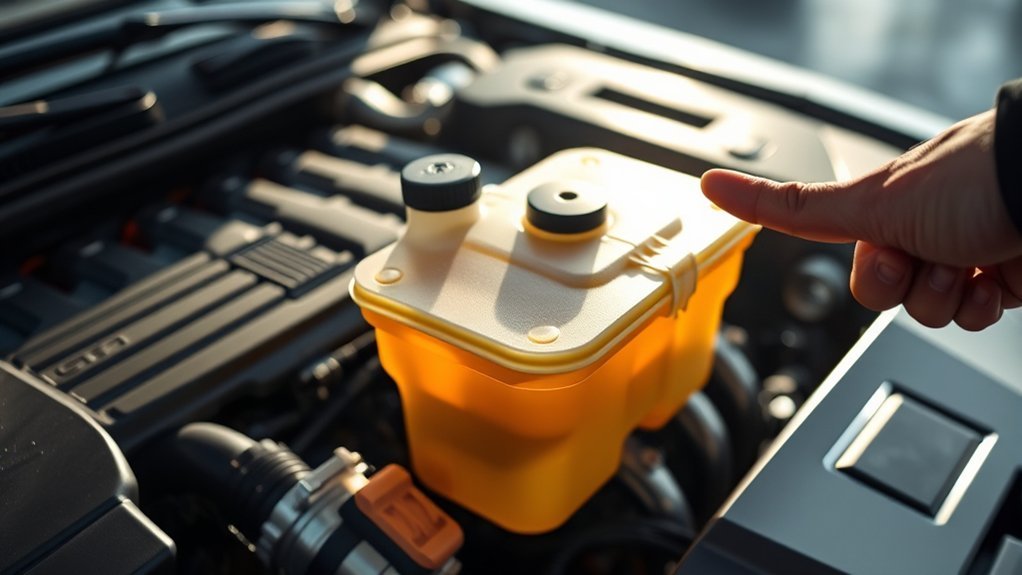
Proper brake fluid maintenance is essential for ensuring your Toyota Supra’s braking system operates efficiently. Avoid these top mistakes to prevent brake fluid mismanagement and performance degradation:
- Neglecting Regular Changes: Change your brake fluid every two years or 20,000 miles to prevent moisture buildup that can lead to brake failure.
- Using the Wrong Type: Always use DOT3 or DOT4 glycol-based brake fluid to maintain maximum braking efficiency.
- Ignoring Warning Signs: Don’t overlook warning lights or a spongy brake pedal; they can signal low fluid levels and potential issues.
- Skipping Fluid Testing: Regularly test your brake fluid condition to catch moisture contamination early, ensuring the hydraulic system remains reliable.
Stay proactive to keep your Supra’s brakes in peak condition!
How to Maintain Optimal Brake Performance for Your Supra
To maintain ideal brake performance in your Toyota Supra, regular maintenance is essential. Change the brake fluid every two years or 20,000 miles to prevent moisture buildup, ensuring peak performance. For track day preparation, consider upgrading to higher temperature brake fluid, like Endless RF650, to minimize brake fade during intense driving. Always monitor the condition of your brake fluid; bleeding the brakes after multiple track events can help maintain consistent performance. Use a professional brake fluid tester to check fluid quality, especially in humid climates where moisture absorption is heightened. Pay attention to warning signs, such as increased pedal pressure or a spongy feel, indicating low brake fluid levels and the need for immediate maintenance.
Frequently Asked Questions
What Kind of Brake Fluid Does a Toyota Supra Take?
Your Toyota Supra requires DOT3 or DOT4 brake fluid for peak performance. For effective brake system maintenance, change it every two years or 20,000 miles, ensuring you check fluid levels regularly to prevent moisture-related issues.
How Often Should You Change the Brake Fluid in a Toyota?
If you drive frequently in humid conditions, you should change your brake fluid every two years or 20,000 miles. Regular brake fluid maintenance guarantees peak brake system performance, preventing potential failures and costly repairs.
At What Interval Should Brake Fluid Be Changed?
You should change your brake fluid every two years or 20,000 miles. Regular brake fluid maintenance guarantees ideal brake system performance, preventing reduced efficiency and potential failures that could compromise your safety on the road.
Conclusion
In the world of performance vehicles, like your Toyota Supra, brake fluid isn’t just a detail; it’s the lifeblood of your braking system. Regular changes and the right fluid type guarantee you maintain peak performance, especially on the track. Think of it as the oil in an engine—vital for longevity and safety. By staying vigilant about your brake fluid, you’re not just preserving your ride; you’re enhancing every thrilling turn and straightaway. Keep your Supra ready for the road ahead.