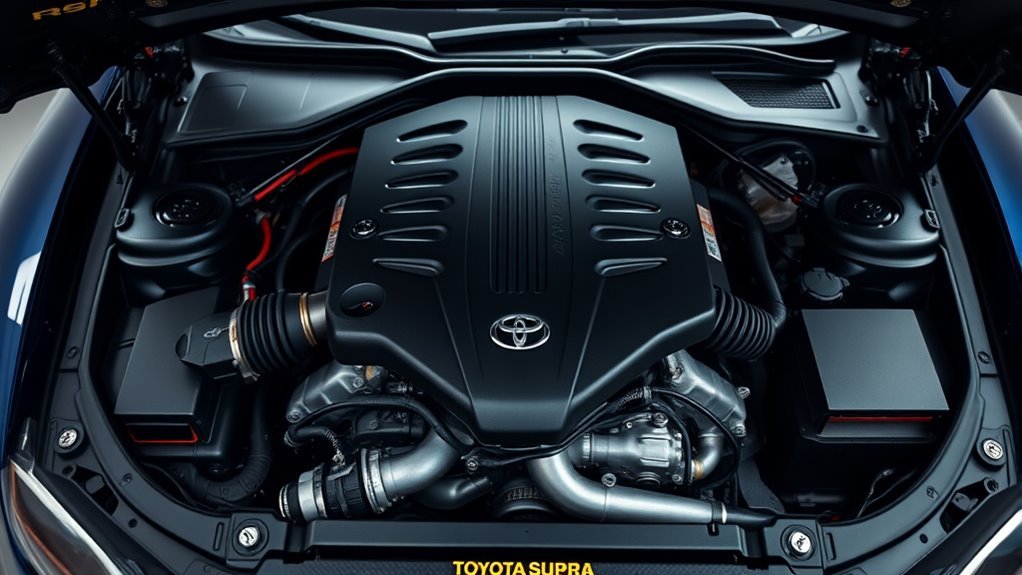
If you own a 2021 Toyota Supra, normal oil consumption is about 500ml every 2,500 miles. However, factors like driving style can greatly impact this rate; aggressive driving might lead to higher consumption. It’s essential to monitor oil levels regularly to catch any issues early. Using synthetic oil can enhance efficiency and reduce excessive use as well. Stick around to discover how to address any potential oil consumption concerns effectively.
How Much Oil Does the 2021 Toyota Supra Use?
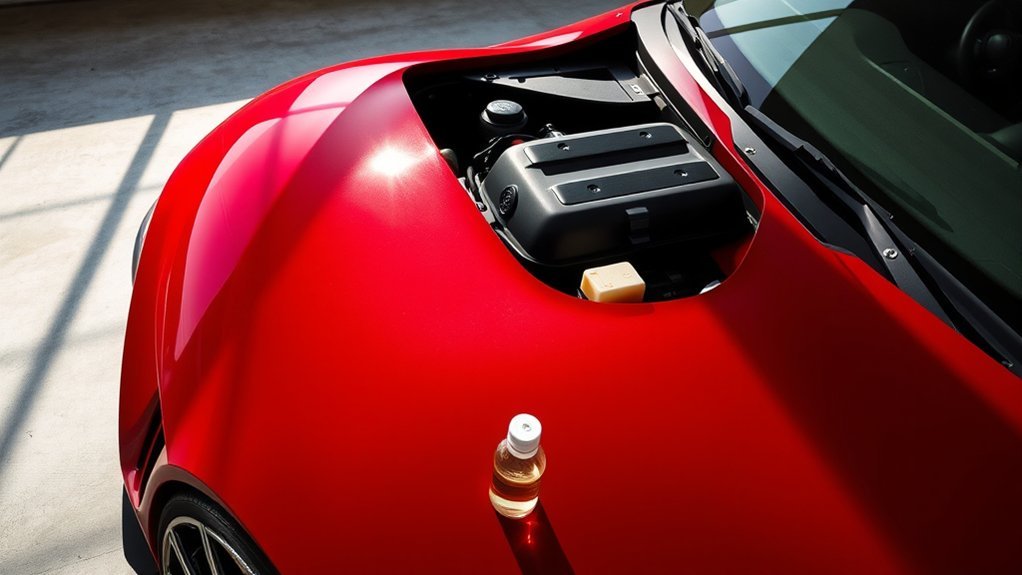
When considering the oil consumption of the 2021 Toyota Supra, you’ll find that it’s equipped with a high-output 3.0L turbo engine, which typically consumes around 500ml of oil every 2,500 miles. For performance vehicles like this, such consumption is often deemed normal. Manufacturers, including BMW, indicate that turbocharged engines might use up to 1 quart every 1,200 miles, highlighting variability in oil performance. Regular oil checks are essential; some drivers report no oil loss after 4,000 miles, emphasizing the importance of monitoring. The choice of synthetic oil can enhance engine efficiency and reduce excessive consumption. Significantly, your driving style matters—aggressive driving can spike oil usage, while steady cruising tends to keep it in check.
Key Factors Affecting Oil Consumption in the Toyota Supra
Oil consumption in the Toyota Supra isn’t just a matter of engine design; several key factors influence how much oil your vehicle uses. Turbo engines, like the one in your Supra, can consume oil at rates between 1 quart every 1,200 to 5,200 miles, influenced by your driving habits. If you’re aggressive on the track, expect higher consumption, while steady driving minimizes oil use. Regular monitoring of oil levels is crucial, especially since some models rely on electronic sensors instead of dipsticks. Following proper break-in procedures and using high-quality oil additives can enhance engine performance and reduce future oil consumption issues. Staying proactive guarantees a smoother, more liberated driving experience.
Signs of Excessive Oil Consumption?
How can you tell if your Toyota Supra is consuming oil excessively? Look out for key oil warning signs that may indicate trouble. If you notice significant drops in oil levels between changes or see blue smoke emanating from your exhaust at any RPM, it’s time to investigate further. These symptoms can suggest that your engine is burning oil at an abnormal rate. Aggressive driving can exacerbate this issue, especially under boost, so consider adjusting your driving style. Regularly monitoring your oil levels is essential for performance vehicles like the Supra. If you suspect excessive consumption, a compression test can reveal underlying engine problems, particularly if readings fall below 148 psi. Stay vigilant to keep your engine healthy.
Best Oils and Change Intervals for Your Supra

When it comes to keeping your Toyota Supra running smoothly, choosing the right oil is essential. Full synthetic oil is your best bet for peak performance, and you’ll want to stick to change intervals of 7,500 to 10,000 miles. Don’t forget to check your owner’s manual for specific recommendations tailored to your model.
Recommended Oil Types
To keep your Toyota Supra running at its best, selecting the right oil type and adhering to recommended change intervals is crucial. Full synthetic oil is your go-to choice, as it guarantees peak performance and longevity. With its superior oil viscosity, synthetic oil offers enhanced protection, especially for high-output turbo engines.
| Oil Type | Viscosity Rating | Change Interval |
|---|---|---|
| Full Synthetic | 0W-20 or 5W-30 | 7,500 – 10,000 miles |
| Conventional | 5W-30 | 3,000 – 5,000 miles |
| High-Mileage | 5W-30 | 5,000 – 7,500 miles |
Refer to your owner’s manual for specific specifications and always prioritize regular checks to maintain engine health.
Change Frequency Guidelines
Choosing the right oil type is just the beginning; understanding change frequency guidelines is essential for keeping your Toyota Supra performing at its peak. For the 2021 model, aim for an oil change every 3,000-5,000 miles with conventional oil or 7,500-10,000 miles with synthetic oil. Full synthetic is your best bet, offering superior protection and minimizing sludge issues. Regular oil changes aren’t just maintenance tips; they’re crucial for preventing engine overheating and ensuring smooth operation. If you own an older model, consider high-mileage oil to reduce wear and address oil consumption concerns. Sticking to these intervals and using quality oils can greatly enhance the longevity and performance of your turbocharged engine.
Insights From the Supra Community on Oil Consumption

While many enthusiasts celebrate the performance of the Toyota Supra, oil consumption remains a hot topic within the community. Community experiences reveal a wide range of oil consumption, with some users reporting normal rates of about 500ml every 2,500 miles in their 3.0L turbo engines. Many agree that a certain level of oil consumption is expected in high-performance turbo vehicles. Aggressive driving and track use can greatly increase oil usage, while steady driving often results in minimal consumption. Regular oil level checks are vital, especially since some models lack dipsticks. Here’s a quick overview of community insights:
| Driving Style | Oil Consumption (approx.) | Comments |
|---|---|---|
| Steady Driving | Little to None | Less stress on engine |
| Aggressive Driving | Increased (varies) | Track use impacts greatly |
| New Engines | Variable | Follow break-in procedures |
| BMW Guidelines | 1,200 miles | Normal for turbo engines |
| Regular Checks | Essential | Electronic sensors used |
How to Address Excessive Oil Consumption?
Excessive oil consumption can be frustrating, especially for Toyota Supra owners who expect top performance from their engines. To tackle this issue, start by regularly monitoring your oil levels, especially if you have a turbo engine. If you notice considerable consumption, consider performing engine diagnostics, like a compression test; consistent readings above 148 psi across cylinders suggest good health. Inspect your PCV system for excessive blow-by and check valve seals or piston rings for potential leaks. Shifting to higher-quality oils, such as full synthetic, can enhance lubrication and resist thermal breakdown. Finally, adjust your driving habits—aggressive driving and boost usage can markedly increase oil consumption. You might also explore oil additives to help manage consumption levels.
When to Consult a Mechanic About Oil Consumption?
If you notice your Toyota Supra consuming more than 1 quart of oil every 1,200 miles, it’s essential to consult a mechanic. Regular oil monitoring is vital, especially after aggressive driving or track use. Here are some signs that indicate it’s time for professional engine diagnostics:
| Signs to Consult a Mechanic | Importance |
|---|---|
| Blue smoke from the exhaust | Indicates possible oil consumption issues |
| Frequent oil warnings | Signals potential engine problems |
| Rapid decrease in oil level | May lead to engine damage |
| Unusual oil consumption post break-in | Affects long-term performance and health |
Addressing these issues promptly can help maintain your Supra’s performance and longevity. Don’t hesitate to seek professional help if you notice these symptoms!
Frequently Asked Questions
What Amount of Oil Consumption Is Normal?
Normal oil consumption for turbo engines ranges from 1 quart every 1,200 to 5,200 miles. Monitor for signs of oil leaks, as excessive consumption can indicate engine wear, impacting performance and longevity. Stay vigilant!
How Much Oil Consumption Is Normal for Toyota?
For your Toyota, normal oil consumption ranges from 1 quart every 1,200 to 5,200 miles. Regular oil changes enhance engine performance, so monitor levels closely to guarantee peak functionality and longevity in your vehicle.
How Much Oil Does a Supra Need?
Your Supra needs about 6.5 quarts of oil for an oil change. Keeping up with this guarantees peak engine health, so regularly check levels and consider synthetic oil for the best performance and longevity.
Conclusion
In the world of the Toyota Supra, understanding oil consumption is like tuning a finely crafted engine—essential for performance. If you notice your Supra thirsting for oil more than expected, it’s time to investigate. Stay informed, choose the right oil, and keep an eye on those indicators. Just like a symphony, your car’s health relies on harmony between its parts. So, nurture it, and your Supra will reward you with exhilarating drives for miles to come.