Locking the 4Runner’s center differential at the wrong time can make the truck harder to steer and stress the drivetrain. Use it when traction is poor, such as deep snow, ice, mud, loose gravel, steep climbs, ruts, or slow off-road sections. Keep it off on dry, hard pavement because the tires need room to slip slightly when the front and rear axles turn at different speeds. This guide shows you when to lock it, when to leave it open, and how to avoid binding, understeer, and driveline windup.
Key Takeaways
- Lock the center differential when the surface is loose, slick, uneven, or steep enough to cause wheel slip.
- Leave it unlocked on dry pavement, parking lots, tight paved turns, and other high-grip surfaces.
- Engage the lock before you enter deep snow, mud, rocks, or a slow technical climb.
- Use low range when you need slow speed, better control, and more torque at the wheels.
- Disengage the lock once traction improves, then confirm the indicator turns off.
Quick Answer: When to Lock the Center Diff on Your 4Runner
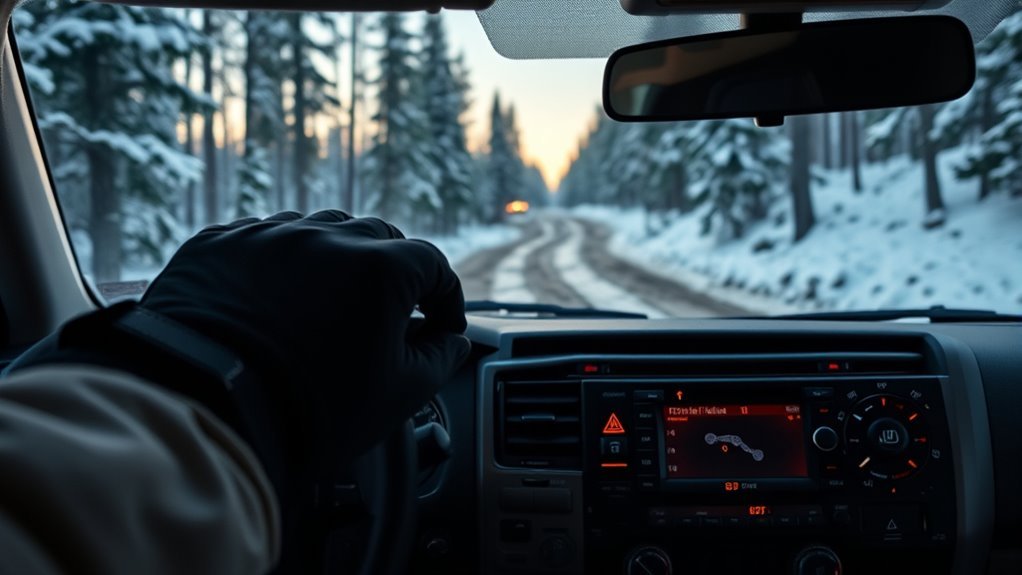
Lock the center differential when your 4Runner needs more predictable traction between the front and rear axles. Good examples include deep snow, ice, loose gravel, mud, ruts, sand, steep climbs, and narrow off-road sections where one axle may lose grip.
The lock helps both axles share torque more evenly, which can reduce wheel spin and help the truck keep moving. Use steady throttle and avoid sudden steering or hard acceleration, especially on slick ground.
Don’t lock the center differential on dry, hard pavement. High-grip surfaces can cause driveline windup, tight steering, tire scrub, and extra stress on drivetrain parts. For slow technical obstacles, use the center diff lock with low range when your 4Runner allows it.
Warning: If the truck binds, hops, or pushes wide in a turn, unlock the center differential before you keep driving.
Checklist: Unlocked Full-Time 4WD vs Locked 4WD: Decide in 30 Seconds
Need a fast choice? Look at the surface first. Dry, firm, and grippy roads call for normal unlocked full-time four-wheel drive (4WD). Slick, loose, steep, or uneven ground may call for locked 4WD.
Need traction? In 3 seconds: dry and grippy means unlocked. Slick, loose, steep, or uneven means lock 4WD for more control.
Use this quick checklist:
- Check the surface: Use unlocked 4WD on dry pavement. Consider locked 4WD on gravel, mud, snow, ice, sand, or rocks.
- Watch for wheel slip: Stay unlocked if the tires grip well. Lock the center diff if slip continues.
- Check the grade: Stay unlocked on gentle roads. Lock it before steep, loose, or technical climbs.
- Judge the distance: Use locked 4WD for long off-road sections or deep snow. Stay unlocked for short paved sections.
- Return to normal: Unlock the center differential before you drive back onto dry, firm pavement.
You want traction without stress. Use normal unlocked 4WD for most roads, then lock the center differential when the terrain truly demands it.
How to Engage and Disengage the Center Diff Lock Step by Step
Slow down before you lock the center differential. If you’re entering rough terrain, stop or crawl forward, then choose the correct range before you press the center diff lock button. Always follow your model’s owner’s manual because controls and limits can vary by year and trim.
Engage it this way:
- Slow down: Bring the vehicle to a crawl before the loose or slick section.
- Select low range if needed: Use low range for rocks, steep grades, deep mud, or slow technical trails.
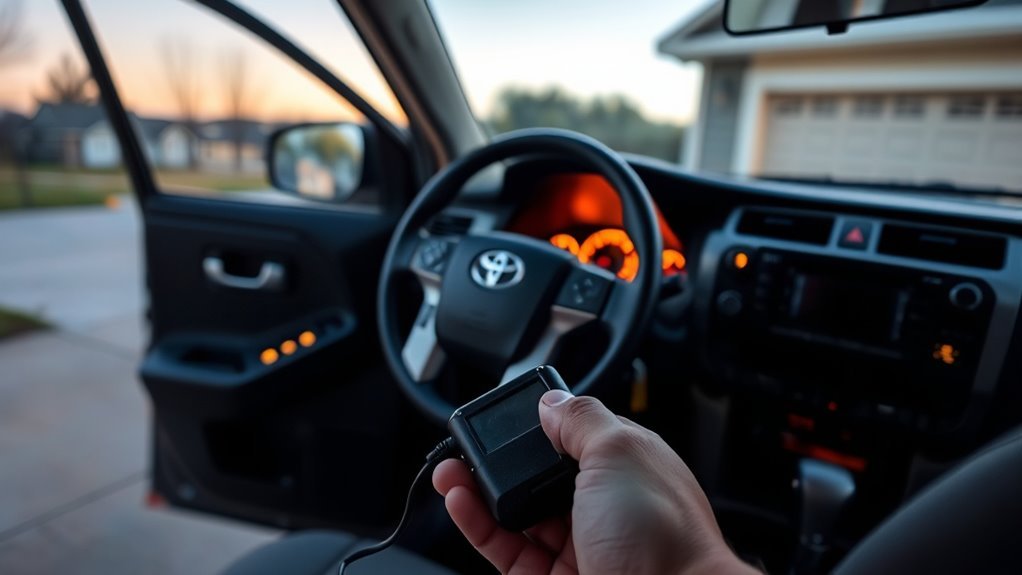
- Press the center diff lock button: Wait for the indicator to confirm engagement.
- Drive smoothly: Use light throttle and avoid sharp steering inputs.
Disengage it this way:
- Press the button again once the trail or road surface improves.
- Drive slowly forward or backward a short distance if the indicator keeps flashing.
- Confirm the indicator turns off before you return to hard pavement.
| Step | Action | Verify |
|---|---|---|
| 1 | Slow down or stop | Vehicle feels settled |
| 2 | Choose the right range | 4H or 4LO selected |
| 3 | Press the lock button | Indicator confirms status |
Lock for traction. Unlock for smooth turning, lower stress, and normal road use.
How Driveline Windup, Understeer, and Damage Feel: And How to Avoid Them
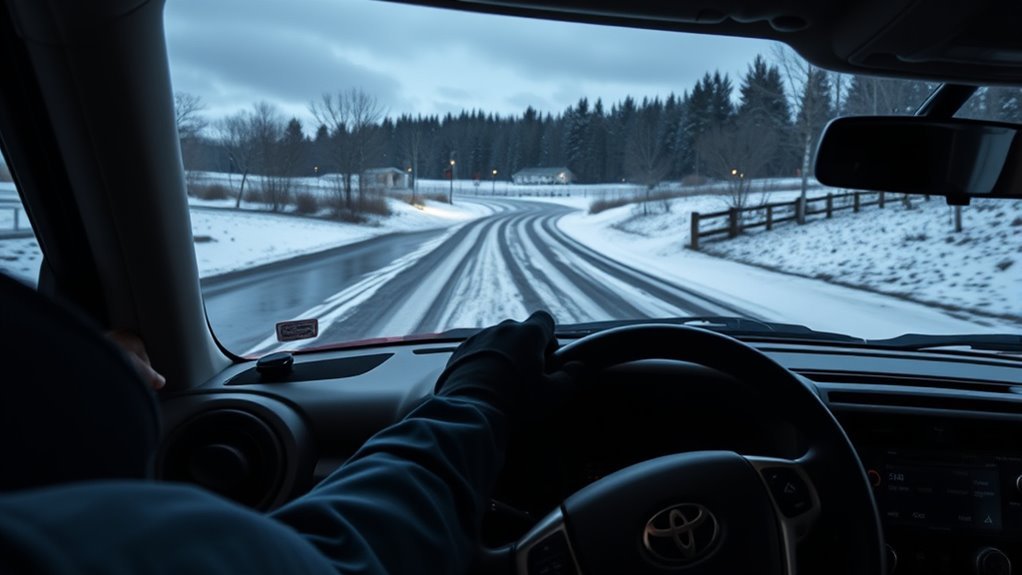
When you lock the center differential on a hard, high-traction surface, the drivetrain can bind. You may feel tight steering, tire scrub, hopping, juddering, or a heavy push through the wheel. These signs mean the front and rear axles can’t release the speed difference they need during turns.
You may also feel understeer. The 4Runner may resist turning and push wider than expected because the drivetrain is fighting the turn. Stop, unlock the center differential, then drive slowly in a straight line until the system releases.
Avoid this problem by unlocking before plowed roads, dry pavement, concrete, and tight paved parking maneuvers. Use the lock only where loose or slick ground lets the tires slip slightly and release drivetrain tension.
Real Scenarios: Modes, Speeds, and Timing for Snow, Mud, and Rocks
Use the center diff lock before the obstacle, not after you’re already stuck. Early engagement gives the truck a better chance to keep momentum without digging holes or spinning one axle.
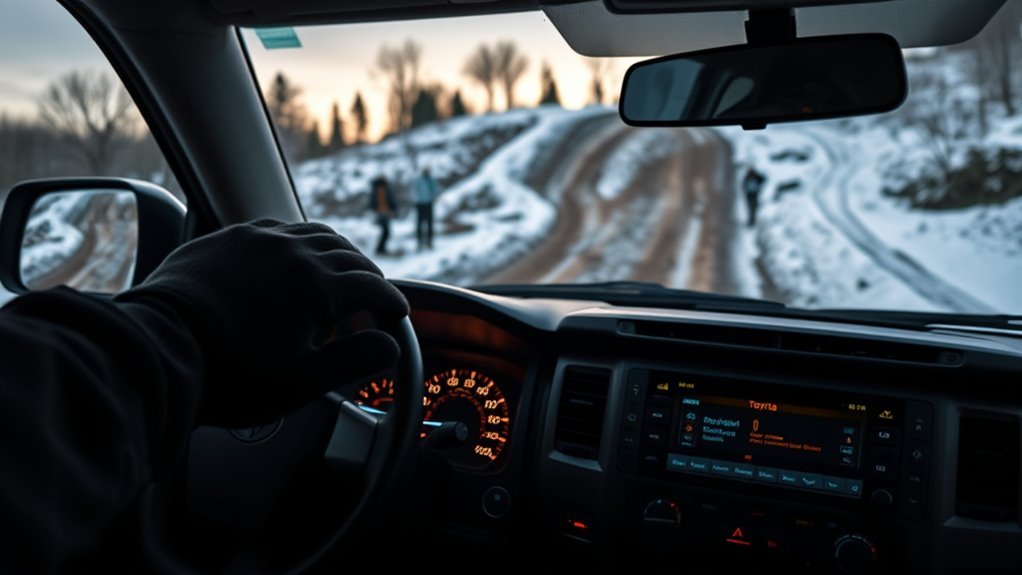
- Deep snow: Lock before deep drifts, icy climbs, or unplowed sections. Keep your speed low and your throttle smooth.
- Light snow on pavement: Leave it unlocked unless the tires keep slipping or the surface becomes deep and loose.
- Mud: Lock before ruts or soft ground. Hold steady throttle and avoid sharp steering.
- Loose gravel: Lock it for steep climbs, washouts, or long loose grades. Unlock when the road firms up.
- Rocks: Lock before the obstacle and use low range for slow control. Crawl instead of bouncing over rocks.
- Sand: Lock when soft sand causes wheel spin. Keep smooth momentum and avoid sudden throttle changes.
For steep inclines, engage the lock while stopped or moving very slowly. Low range gives better control and reduces the need for aggressive throttle. Never keep the locker on after you return to dry, hard surfaces.
Common Mistakes to Avoid With the Center Diff Lock
Many drivers wait too long before using the center diff lock. If you lock only after the truck stops moving, the tires may already sit in holes or packed mud. Lock before the hard section whenever traction looks poor.
Another common mistake is leaving the lock engaged after the trail ends. That can make the truck feel tight and heavy on pavement. Build a habit: lock before loose ground, unlock before solid ground.
Don’t confuse the center differential lock with axle lockers. The center diff lock manages torque between the front and rear axles. Front or rear axle lockers, where equipped, manage torque side to side on the same axle.
Frequently Asked Questions
Is It Bad to Drive With the Center Diff Lock On?
It’s bad to drive with the center diff lock on dry pavement or other high-grip surfaces. Use it only when the tires can slip slightly, such as snow, mud, gravel, sand, or rocks. Unlock it when normal traction returns.
Should I Lock Center Diff in Snow?
Lock the center diff in deep snow, icy climbs, or unplowed sections where the tires may lose grip. Leave it unlocked on lightly snowy paved roads unless the truck struggles for traction. Unlock before you reach cleared pavement.
Can You Turn With the Center Diff Locked?
You can turn with the center diff locked on loose or slick ground, but keep your steering smooth. Avoid tight turns on dry pavement because the drivetrain can bind. If the truck hops or pushes wide, unlock it.
Do You Need 4LO With the Center Diff Lock?
You don’t need low range for every locked-center-diff situation. Use 4LO for rocks, steep climbs, deep mud, deep snow, or any section that needs slow control. Use the range that gives you the safest throttle response.
What If the Center Diff Lock Light Keeps Flashing?
A flashing light often means the system hasn’t fully engaged or disengaged yet. Drive slowly in a straight line, or move forward and backward a short distance to release drivetrain tension. Check your owner’s manual if the light stays on or flashes after several attempts.
Safety Disclaimer: This article gives general driving information only. Trail conditions, tires, vehicle year, and trim can change the safest choice, so follow your owner’s manual and use professional help if the drivetrain acts abnormally.
Conclusion
The main rule is simple: lock the 4Runner’s center differential when poor traction can stop forward motion, then unlock it when grip returns. Use it for deep snow, loose mud, gravel climbs, sand, rocks, and slow technical trails. Keep it off on dry pavement, tight paved turns, and high-grip roads to avoid driveline windup and harsh understeer. Before each surface change, check your speed, watch the indicator, and choose the mode with intent. That habit keeps your 4Runner moving when traction is low and protects the drivetrain when the road firms up.