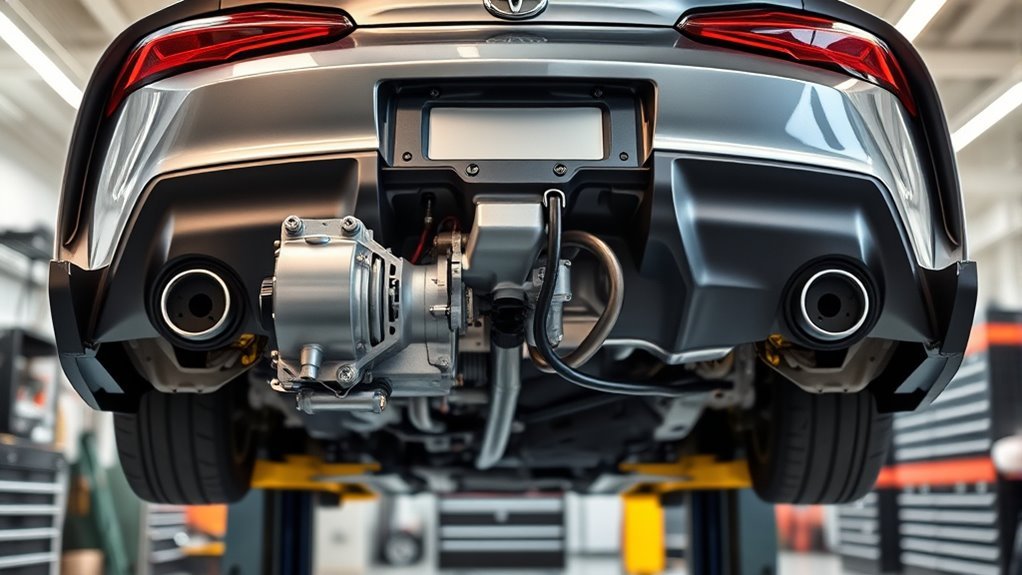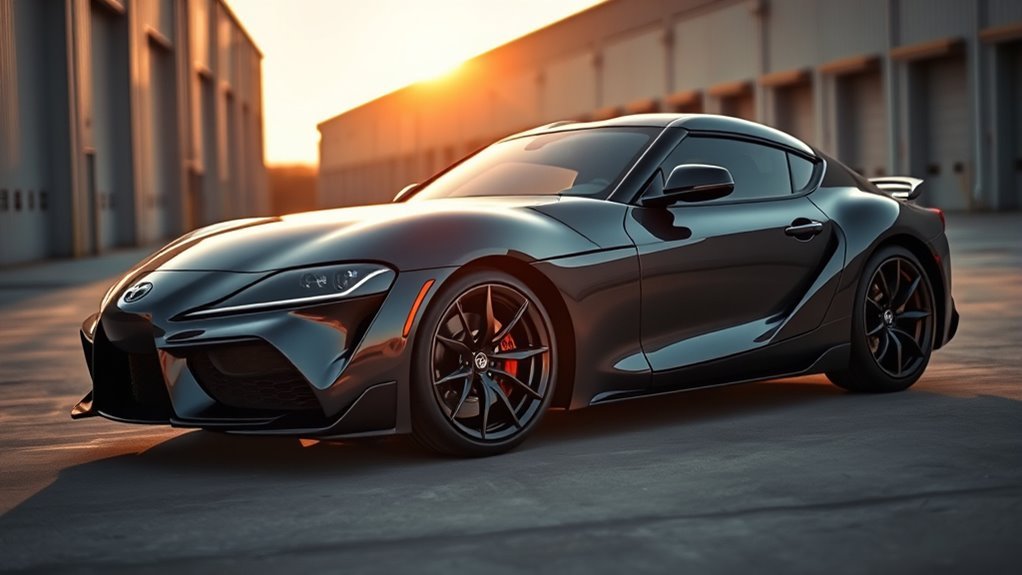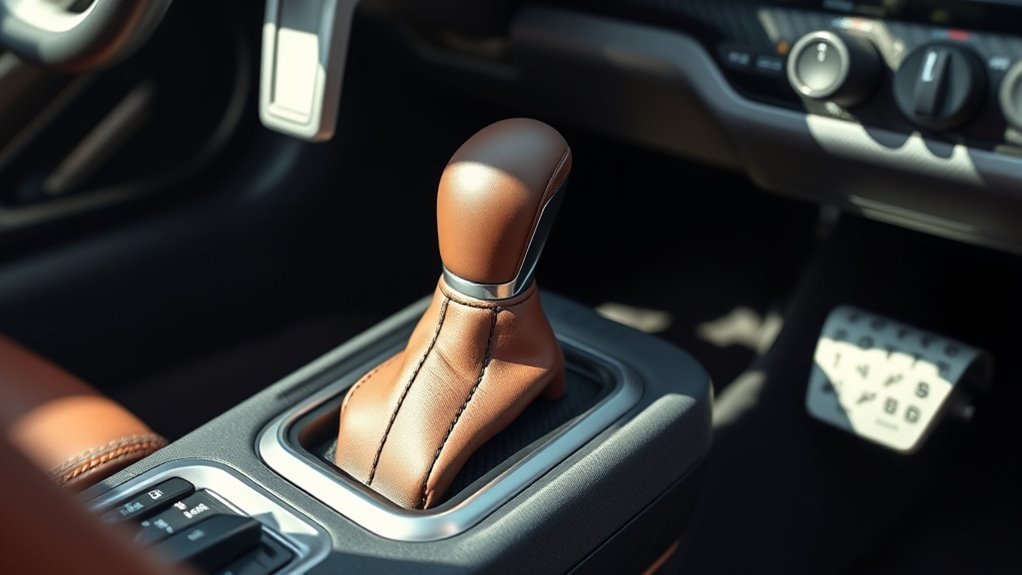
You get a lightweight, BMW‑based 6‑speed manual in the Supra that trims nearly 40 pounds from the drivetrain and uses a shorter 3.46:1 final drive to sharpen throttle response and acceleration. Toyota reworked the ZF layout with a lighter lever and tuned synchros for quicker, cleaner shifts, plus automatic rev‑matching for smoother downshifts. It sacrifices about 5 mpg and emits more CO2, but rewards driver involvement—keep going and you’ll find specific trade‑offs, numbers, and ownership tips.
Why Toyota Added the 6‑Speed Manual Supra
Because Toyota wanted to rekindle the Supra’s appeal to driving purists, it added a lightweight 6‑speed manual that trims nearly 40 pounds from the drivetrain while sharpening responsiveness with a taller 3.46:1 final drive; the result is a more engaging car that still posts a competitive 0–60 mph of 4.2 seconds—just 0.2 seconds off the automatic. You’ll notice enthusiast demand drove that decision: buyers wanted direct control and tactile feedback. The manual reduces rotating mass, improves weight distribution, and leverages the taller final drive to deliver crisper acceleration and shift feel. You gain heightened driving engagement without sacrificing measurable performance. Toyota’s move liberates how you interact with the car, prioritizing emotion and driver-centered dynamics over pure lap-time supremacy.
Manual Gearbox: Toyota’s Take on the BMW ZF Unit
You’ll notice Toyota retained the ZF architecture but reworked internals and fitted a new shift lever to sharpen feel and cut weight. The gearbox uses a shorter 3.46:1 final drive to boost acceleration versus the automatic’s 3.15:1 ratio. An automatic rev‑matching system (iMT) is standard for smoother downshifts, and you can switch it off when you want a rawer engagement.
Reworked ZF Architecture
Think of the Supra’s six-speed manual as Toyota’s surgical rewrite of BMW’s ZF architecture: engineers kept the core proven layout but reworked internals, added a new shift lever, and stripped nonessential bits to shave weight and sharpen response. You’ll notice the rework prioritizes crisp shifting dynamics and heightened driver engagement: gates remain defined, engagement points precise, yet there’s slight rubberiness in lever feel you can learn to live with. Toyota removed redundant components to reduce mass and tuned synchronization for quicker, cleaner gear changes. An iMT auto rev-matching system accompanies the package, smoothing aggressive shifts without diluting control. The result feels familiar to enthusiasts but liberated—more immediate inputs, faster responses, and a manual that rewards decisive, engaged driving.
Shortened Final Drive
A shorter final drive gives the manual Supra a noticeably sharper edge: Toyota swaps the automatic’s 3.15:1 ratio for a 3.46:1 unit, trading top-end gearing for quicker acceleration and more immediate throttle response. You’ll feel the effect in every shift—the shortened gearing multiplies torque at the wheels, so launches and midrange bursts come alive without revving to the limiter. That 3.46:1 also pairs with a lighter, reworked ZF six-speed, shaving nearly 40 pounds versus the auto and sharpening the car’s inertia response. Analytically, this is a deliberate trade: you sacrifice some top-speed spread to gain conspicuous acceleration benefits and a more connected, liberated driving experience. Shift action stays refined, but the manual’s intent is unmistakable.
Auto Rev‑Matching Enabled
Because Toyota wanted to blend BMW’s proven ZF architecture with its own driver-focused tweaks, the Supra’s six-speed manual ships with integrated auto rev‑matching (iMT) to smooth downshifts and keep revs aligned for immediate torque delivery. You’ll feel BMW’s tactile feedback tempered by Toyota’s calibration: iMT blips the throttle precisely so you can concentrate on line and intent, freeing you from perfect heel‑and‑toe without surrendering control. This elevates driving dynamics and preserves enthusiast appeal by making performance accessible, not diluted. The close pedal spacing and exclusive 3.0‑liter inline-six fitment reinforce that intent: liberation through control, not automation.
| Benefit | Effect |
|---|---|
| Smooth downshifts | Reduced shock |
| Immediate torque | Faster exits |
| Preserved feedback | Engaging feel |
| Easier heel‑and‑toe | Accessibility |
| Enthusiast appeal | Driver empowerment |
What the Manual Feels Like: Clutch, Shifts, and Rev‑Matching
Engagement comes through the 2023 Supra’s six-speed manual: the clutch pedal sits close enough for reliable heel‑and‑toe work, the throws are slightly longer yet crisply defined, and Toyota’s iMT auto rev‑matching smooths downshifts so you can carry speed confidently through turns. You’ll notice balanced clutch feedback that’s a touch rubbery but still communicative, and shift engagement that rewards precise inputs. The manual’s character liberates you to control momentum and line.
- Tight pedal spacing aids heel‑and‑toe consistency
- Auto rev‑match reduces rev hang and stabilizes exits
- Longer throws encourage deliberate, confident shifts
- Tactile, BMW‑inspired shift action enhances mechanical connection
- Reduced weight sharpens steering and transient response
You’ll feel empowered, technical control without compromise.
Performance Trade‑Offs: 0–60, Gearing, Weight, and Fuel Economy
After you’ve felt how the clutch and shifts let you shape a corner, it’s worth looking at how that mechanical involvement affects straight‑line numbers and day‑to‑day usability. You’ll note the manual Supra posts a 0–60 mph near 4.2 seconds—only 0.2s behind the automatic—thanks to a shorter 3.46:1 final drive that sharpens low‑end torque delivery. The six‑speed’s slower shift times are offset by a roughly 40‑lb weight reduction to 3,343 lb, which sharpens turn‑in and real‑world responsiveness. Quarter‑mile times around 12.4s keep the manual competitive in performance metrics, yet EPA ratings drop to 19 city / 27 highway—about 5 mpg worse than the auto. You gain control and engagement in the driving experience at a modest efficiency cost.
Ownership Realities for the Manual Supra: Fuel, Emissions, and Reliability
Ownership of the six‑speed Supra brings a clear set of trade‑offs you should factor into any purchase decision: the manual’s 19/27 mpg EPA rating runs about 5 mpg worse than the automatic, and its higher CO2 output (225 g/km vs. 188 g/km) drives a substantially larger Clean Car fee ($4,887.50 vs. $2,760). You’ll gain engagement but lose some fuel efficiency and incur greater emissions impact costs.
- Expect roughly 5 mpg lower combined economy versus the automatic, affecting running costs.
- Higher CO2 elevates tax/fee exposure and environmental footprint.
- Reliability should align with Toyota norms, though clutch wear depends on use.
- Driving style and maintenance cadence will dictate long‑term durability.
- Balance emotional liberation from a manual with quantifiable operational penalties.
Who Should Buy the Manual Supra : Use Cases and Buying Tips
If you prize driver involvement above marginal straight‑line gains, the six‑speed Supra is for you: it trades about 5 mpg and a small time-to-60 advantage for a tactile, mechanically direct experience that rewards skill on twisty roads. You’ll choose the manual when enthusiast preferences favor engagement over lap‑time numerics — the 40‑pound weight saving sharpens turn‑in and transient response, enhancing your everyday driving experience. At a $53,595 base, it’s a cost-effective path to liberated, analog control without a heavy premium. Accept the 21 mpg combined rating and a 0.2s slower 0–60 if you prioritize clutch feel, precise rev‑matching, and the satisfaction of executing clean heel‑toe shifts. Buy it if you want involvement, not just velocity.
Frequently Asked Questions
What Are Common 6 Speed Manual Problems?
You’ll face clutch issues, gear grinding, synchronizer wear, slipping, linkage misalignment, fluid leaks, and bearing noise; diagnose promptly, prioritize repairs, and reclaim control by addressing worn components, seals, and adjustments to restore reliable shifting performance.
Is the Supra Manual Worth Buying?
Yes — with a 0.2s 0–60 penalty, you’ll choose engagement: the driving experience is visceral, mechanical, and liberating; expect slightly varied resale value, but the analytical payoff and emotional connection often justify the buy for purists.
What Transmission Does the Manual Supra Have?
The manual Supra uses a reworked BMW-derived six-speed manual transmission; you’ll master shifting techniques and transmission maintenance to free yourself from dependency, enjoying lighter weight, shortened final drive and precise, engagement-focused control.
Conclusion
You’ll get a visceral, driver-focused tool with the Supra’s 6-speed: it’s not just for show but a purposeful alternative to the BMW auto, offering crisper shifts, a heavier clutch and better rev-matching for engagement. Expect modest performance and economy trade-offs, plus simpler ownership and familiar Toyota reliability. If you value control over convenience, this gearbox gives you the keys—just know it’s a calculated compromise, not a silver bullet, and worth the asking price.