
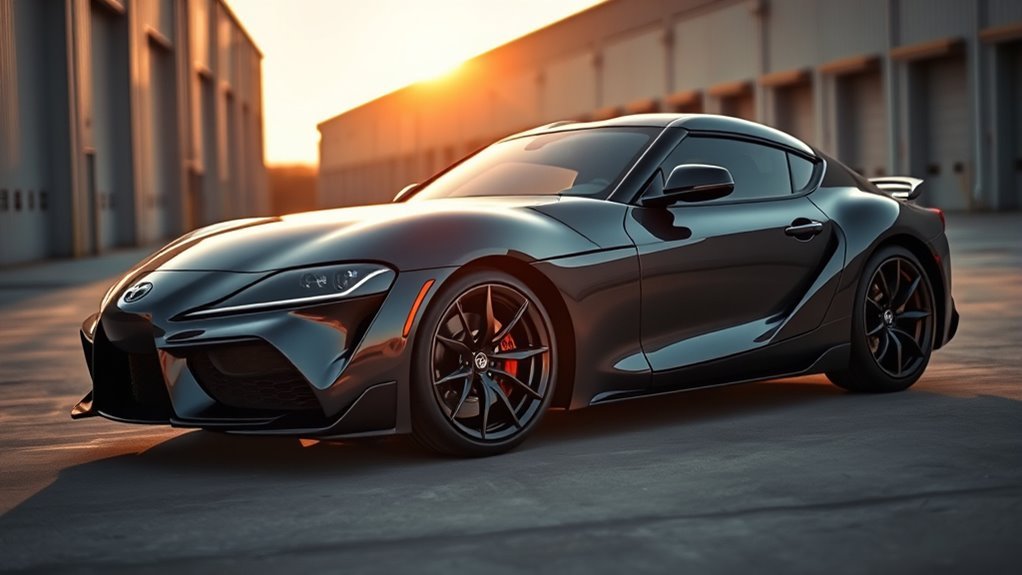
Choosing between Toyota GR Supra configurations is easier when you separate current trims from earlier used-market models. The latest U.S. lineup centers on the 3.0-liter inline-six, while older listings may still show the lighter 2.0 model and several limited editions. This guide explains what each badge, trim, and model-year change means before you shop.
Quick Answer
For current U.S. shoppers, the main Toyota GR Supra configurations are 3.0, 3.0 Premium, and MkV Final Edition. The 2.0 is an earlier used-market option. Choose 3.0 for core performance, 3.0 Premium for more comfort tech, or MkV Final Edition for the most collectible factory package.
Key Takeaways
- The current U.S. GR Supra lineup lists 3.0, 3.0 Premium, and MkV Final Edition.
- The 2.0 four-cylinder Supra matters for used buyers, but it is not part of the current U.S. trim list.
- Manual transmission availability began with 2023 six-cylinder models, including 3.0, 3.0 Premium, and A91-MT.
- Special editions such as A91, A91-MT, 45th Anniversary, and MkV Final Edition mainly add rarity, appearance details, and selected hardware upgrades.
- Always compare by model year because Supra equipment, power, trim names, and transmission options changed during the MkV generation.
Understanding Toyota GR Supra Configurations
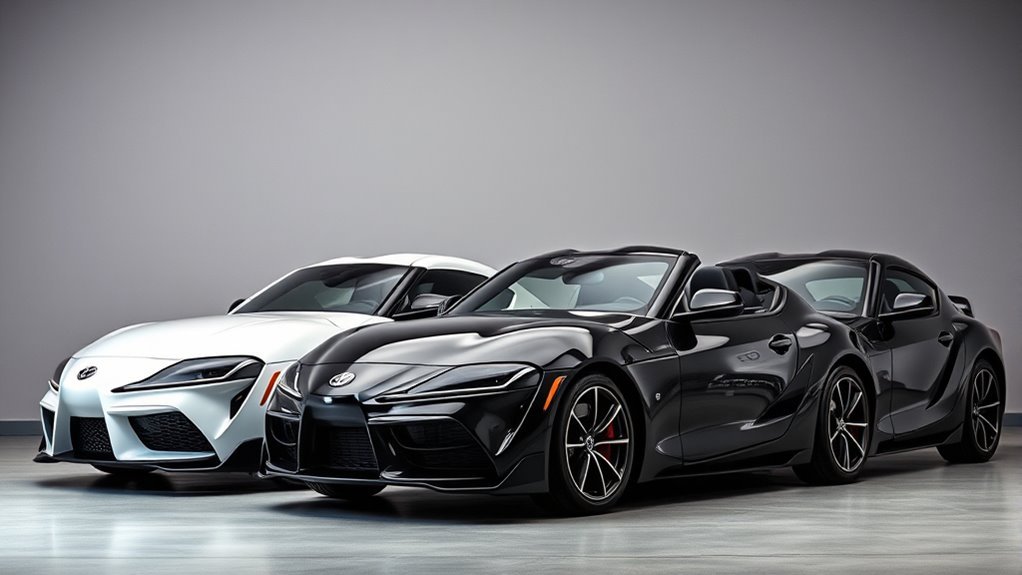
A Supra configuration is the exact factory mix of engine, transmission, suspension, brake hardware, interior equipment, and special-edition content. On the current U.S. Toyota GR Supra, the official trim choices shown are 3.0, 3.0 Premium, and MkV Final Edition.
Used listings can look more complicated because earlier MkV Supras included the 2.0 four-cylinder model and several limited editions. That is why you should read every listing by model year, engine, transmission, and equipment instead of relying only on the trim name.
Note: Toyota states that specifications, colors, options, and availability can vary. Confirm the exact window sticker, build sheet, or dealer listing before you treat any feature as standard.
Current GR Supra Trims Compared
The current U.S. lineup uses Toyota’s 3.0-liter turbocharged inline-six engine across the trims shown on Toyota.com. Toyota lists a 0-60 mph time of 3.9 seconds and a choice of a 6-speed manual transmission or 8-speed automatic transmission for the model line.
| Configuration | Main Difference | Best For |
|---|---|---|
| GR Supra 3.0 | Core inline-six performance with Adaptive Variable Sport suspension and the essential driver-focused hardware. | Drivers who want the cleanest performance value. |
| GR Supra 3.0 Premium | Adds comfort and technology features such as 14-way heated power-adjustable leather-trimmed sport seats and a 12-speaker JBL audio system. | Daily drivers who want more cabin comfort with the same core performance. |
| GR Supra MkV Final Edition | Adds limited-run details, upgraded performance dampers, enhanced suspension tuning, and larger front brake calipers and rotors. | Collectors and enthusiasts who want the most special factory MkV package. |
The Meaning of MkV, A90, A91, and GR
MkV means the fifth-generation Supra. This generation brought the Supra name back with a turbocharged engine, rear-wheel drive, compact proportions, and modern electronic control systems.
A90 and A91 are common MkV Supra identifiers you may see in owner communities, listings, and special-edition names. A91 usually points to later or limited MkV packages, such as A91, A91-CF, and A91-MT. These names matter most when you compare used cars because they can affect rarity, equipment, and buyer demand.
GR refers to Toyota Gazoo Racing, Toyota’s performance and motorsport identity. A GR Supra is not just a cosmetic trim. It is Toyota’s performance version of the Supra nameplate, with chassis, engine, and control-system tuning aimed at serious driving.
Model-Year Changes That Affect Your Choice
The best Supra configuration for you depends heavily on the model year. Toyota changed power output, equipment, special editions, and transmission availability during the MkV run.
| Model Year / Era | What Changed | Why It Matters |
|---|---|---|
| 2020 launch cars | Early U.S. cars focused on the 3.0-liter inline-six and 8-speed automatic transmission. | These appeal to buyers who want an early MkV example. |
| 2021 update | Toyota added the 2.0 four-cylinder model and increased the 3.0 output to 382 horsepower. | Used buyers should confirm whether they are looking at the lighter 2.0 or the stronger 3.0. |
| 2023 update | Toyota introduced a 6-speed manual option for 3.0, 3.0 Premium, and A91-MT models. | Manual shoppers should focus on 2023 and newer six-cylinder cars. |
| 2024 special edition | The 45th Anniversary Edition was built on the 3.0 Premium grade and limited to 900 U.S. units. | It adds rarity and distinctive styling for collectors. |
| Current lineup | Toyota lists 3.0, 3.0 Premium, and MkV Final Edition. | The MkV Final Edition is the most notable current limited-run configuration. |
Decoding Real Supra Trim Names
Do not judge a Supra by generic Toyota trim letters such as X, L, E, S, SE, or XSE. Those letters may appear across other Toyota models, but they do not explain the modern U.S. GR Supra lineup well.
For Supra shopping, focus on the names that actually appear in Toyota materials and used-car listings:
- 2.0: Earlier four-cylinder model with lower weight and lower power than the 3.0.
- 3.0: Six-cylinder performance trim and the core Supra choice for most enthusiasts.
- 3.0 Premium: Six-cylinder trim with more interior technology and comfort features.
- A91: Limited-edition naming used on certain MkV Supra releases.
- A91-CF: Carbon Fiber Edition with exclusive aero and appearance content.
- A91-MT: Limited manual-transmission edition for the 2023 model year.
- 45th Anniversary Edition: 2024 special edition with distinctive styling and limited U.S. production.
- MkV Final Edition: Current limited-run configuration with upgraded brakes, suspension tuning, and exclusive details.
Performance Badges: GR, TRD, and GRMN
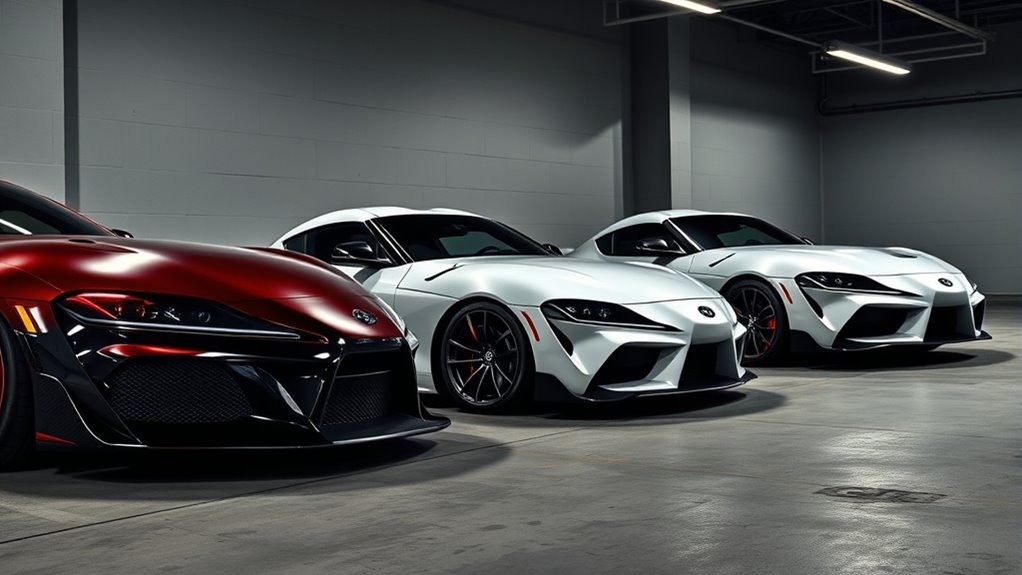
The GR badge is the one that matters most for the modern Supra. It identifies the car as part of Toyota Gazoo Racing’s performance lineup.
TRD and GRMN can appear in Toyota performance discussions, but you should not treat them as current U.S. GR Supra trim levels. TRD often refers to Toyota Racing Development parts or accessories in other Toyota contexts. GRMN has been used for more extreme Gazoo Racing projects in some markets, but it is not part of the current Toyota.com U.S. GR Supra trim list.
Warning: Be careful with modified Supras advertised as “track,” “TRD,” or “GRMN-style.” Suspension, brake, tire, and engine changes can affect warranty coverage, safety, emissions compliance, and resale value. Ask for receipts, part numbers, and inspection records.
Core Supra Trims: Comparing Capability
You can divide Supra choices into two groups: current new-car configurations and earlier used-market configurations. Current buyers should compare 3.0, 3.0 Premium, and MkV Final Edition. Used buyers may also compare 2.0, A91, A91-CF, A91-MT, and 45th Anniversary cars.
[Products Worth Considering]

These ceramic front brake pads are designed for smooth, quiet braking and dependable stopping power across a range of compatible Toyota and Lexus vehicles. The chamfered, multi-layer construction helps reduce noise and brake dust while supporting stable performance in demanding driving conditions. Built for consistent braking response, they offer confident pedal feel and long-lasting reliability.
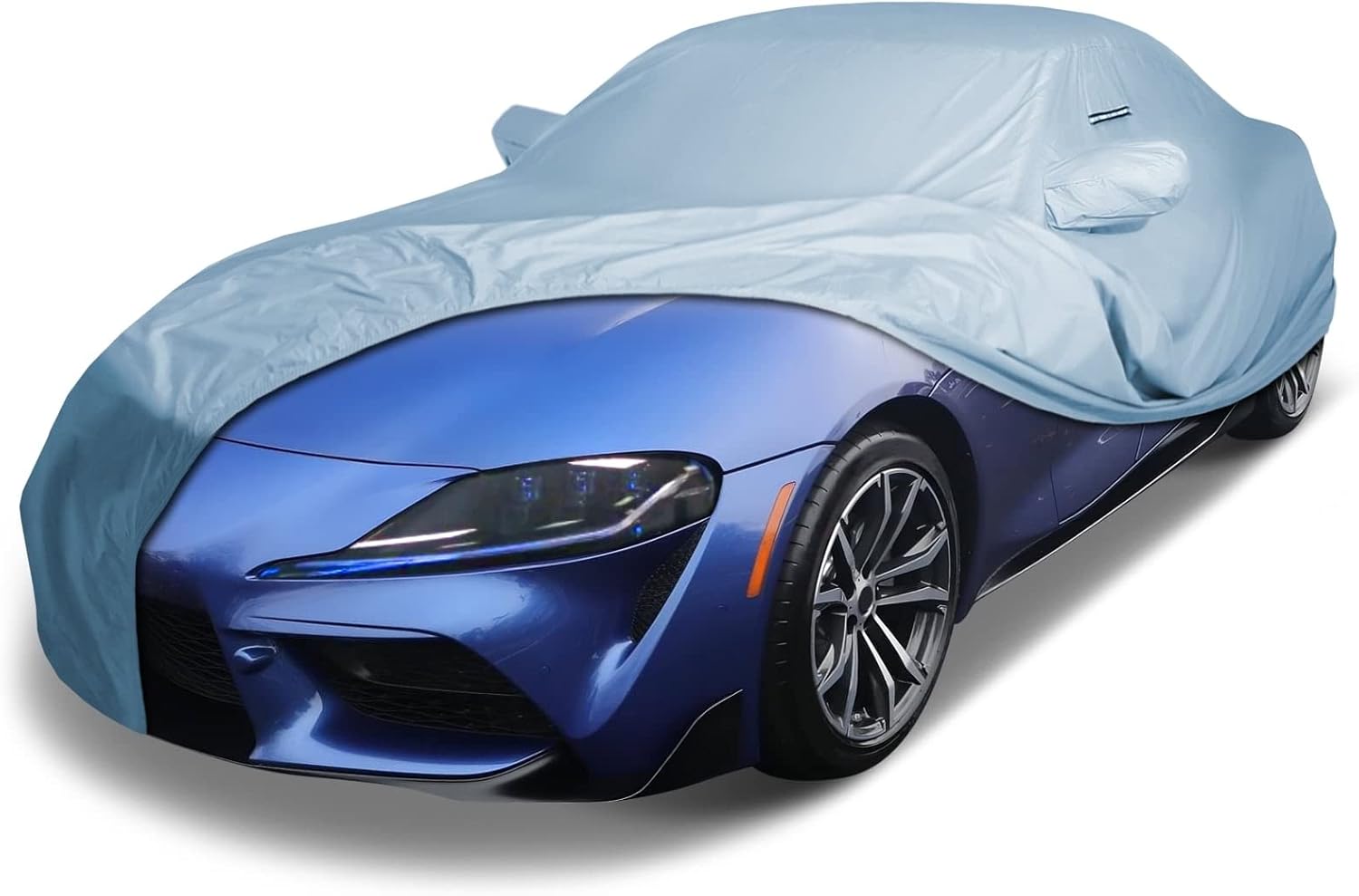
Protect your 2020-2026 Toyota GR Supra with a precision custom-fit cover designed to hug the vehicle’s contours for a secure, reliable fit. Built for all-weather use, it helps guard against rain, snow, sun, and other outdoor elements while the soft inner lining helps reduce the risk of scratches. Added straps, waterproof seams, and ventilation provide dependable protection and everyday convenience.

KUST Custom Fit Trunk Mat is designed for 2020-2026 Toyota GR Supra models to help protect the cargo area from dirt, spills, and daily wear. Its TPE construction offers a fresh, odor-free feel, while the raised-edge design adds extra coverage for all-weather protection. Lightweight and easy to remove, it makes cleaning simple and helps keep the trunk neat and protected.
Used-Market 2.0 vs 3.0
The Supra 2.0 uses a 2.0-liter turbocharged four-cylinder engine rated at 255 horsepower. It gives you lower weight and a lower entry cost on the used market, which can make it appealing for daily driving or back-road use.
The Supra 3.0 uses a 3.0-liter turbocharged inline-six rated at 382 horsepower in later model years. It feels stronger in highway passing, hard acceleration, and track driving. If you want the classic modern Supra experience, the 3.0 is usually the better target.
3.0 vs 3.0 Premium vs MkV Final Edition
The 3.0 is the clean driver’s choice. It gives you the main performance hardware without paying mainly for luxury or rarity.
The 3.0 Premium is better if you plan to drive the car often and want more cabin comfort. Features such as heated leather-trimmed sport seats, memory settings, premium audio, and convenience tech make it easier to live with every day.
The MkV Final Edition is the enthusiast and collector choice. It adds special trim content and performance-focused upgrades, including larger front brake hardware and upgraded dampers. It may cost more, but it gives you the most distinctive factory package in the current lineup.
Differences in Mechanical Hardware
Performance changes are not only about horsepower. Suspension tuning, brake hardware, tire setup, transmission choice, and differential behavior all change how the Supra feels.
Six-cylinder models bring stronger torque and higher output than the earlier 2.0. Manual cars add driver involvement, while automatic cars can feel quicker and easier in traffic. The MkV Final Edition adds extra hardware for drivers who care about braking confidence and sharper track behavior.
Manual vs Automatic Transmission
Most earlier MkV Supra models used an 8-speed automatic transmission. Toyota added a 6-speed intelligent Manual Transmission for the 2023 model year on 3.0, 3.0 Premium, and A91-MT models.
Pick the manual if you want more driver involvement and enjoy shifting for yourself. Pick the automatic if you want the easiest daily driving experience, quick shifts, and less effort in traffic. Either way, confirm the exact transmission on the listing because trim names alone do not always tell you the gearbox.
[Products Worth Considering]
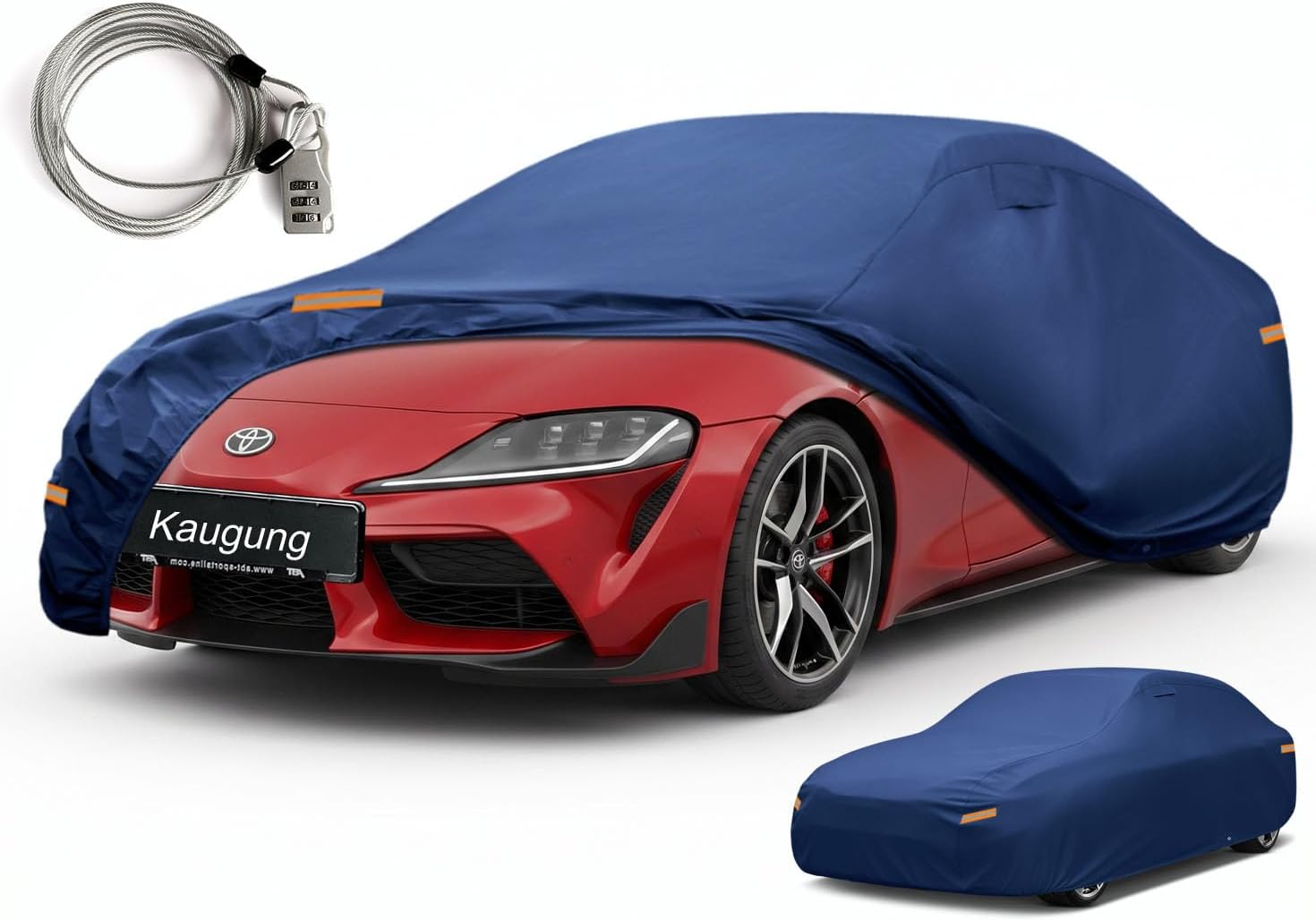
This custom-fit car cover is designed for Toyota Supra and GR Supra models, offering dependable all-weather protection for both indoor and outdoor use. Built with durable Oxford fabric and a soft cotton lining, it helps shield your vehicle from rain, sun, snow, dust, and UV exposure while protecting the paint finish. Windproof straps, dual air vents, reflective details, and included security accessories add convenience and peace of mind.

This A-Premium engine air filter is designed to help maintain clean airflow for compatible Lexus and Toyota vehicles, supporting better engine performance and efficiency. It uses fine filtration media to capture debris while minimizing airflow restriction, making it a practical replacement for routine maintenance. With fitment for multiple popular models and a convenient boxed single-pack design, it offers a straightforward solution for keeping your engine protected.

These carbon fiber door cup protector films help shield your car’s door handle cups from scratches caused by fingernails, rings, and keys while adding a clean, sporty look. The self-adhesive stickers are water resistant, durable across extreme temperatures, and designed for easy removal without residue. Sized for most vehicles with pull-out handles, they offer simple protection and a quick exterior style upgrade.
How Trims Impact Driving Feel
A 2.0 Supra feels lighter at the front and easier to place on tight roads. It can suit drivers who care more about balance, simplicity, and cost than maximum straight-line speed.
A 3.0 Supra feels more muscular. The inline-six gives you stronger acceleration and a more serious performance character. It is the better match if you plan to attend track days, drive mountain roads, or keep the car as a long-term enthusiast purchase.
The 3.0 Premium does not change the core character as much as it changes the ownership experience. It feels like the same sports car with more comfort features. The MkV Final Edition adds a more special feel because of its rarity and hardware upgrades.
Resale Value and Trim Popularity
Supra resale value depends on mileage, accident history, service records, color, transmission, model year, and local demand. Special editions and manual-transmission cars often attract enthusiast attention, but no trim guarantees a specific resale result.
If resale matters to you, prioritize an original, well-documented car over a heavily modified one. Factory special editions can be appealing, but condition still matters more than the badge on a neglected car.
Pro Tip: When comparing used Supras, ask for the VIN, original window sticker, service history, and photos of the brake, wheel, tire, and interior options. Trim names alone do not tell the full story.
Choosing the Best Trim for Your Needs
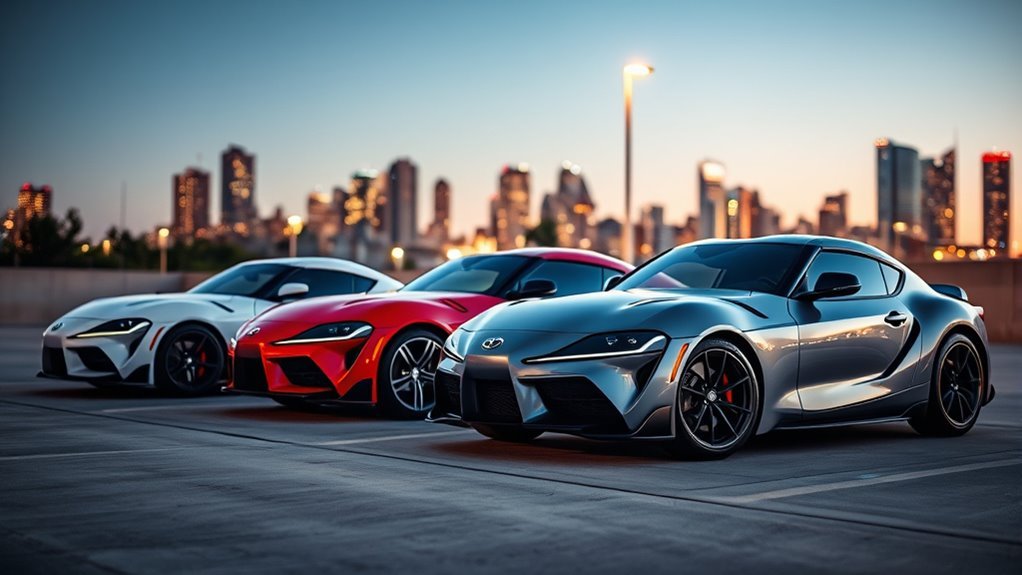
Choose the 2.0 only if you are shopping used and want a lighter, lower-cost Supra. It can be fun, but it does not offer the same power or collector interest as the six-cylinder trims.
Choose the 3.0 if you want the strongest balance of price, power, and driver focus. It is the trim most shoppers should start with because it gives you the core Supra experience.
Choose the 3.0 Premium if you want the same performance with a nicer cabin. It makes sense if you commute, take road trips, or want a sports car that still feels refined.
Choose a special edition if rarity matters to you. A91, A91-CF, A91-MT, 45th Anniversary, and MkV Final Edition cars can be more interesting to enthusiasts, but you should still inspect condition and confirm the original equipment.
[Products Worth Considering]

Bendix Premium Ceramic Front Brake Pads are engineered to match original equipment fit, form, and function for a straightforward replacement. Built with durable materials to help resist wear and corrosion, they support consistent braking performance and reduced brake fade for everyday driving. These pads are a dependable choice for compatible Pontiac, Scion, Toyota, and related vehicles.

Armor All Extreme Wheel and Tire Cleaner is a powerful spray designed to cut through stubborn dirt, grease, tar, and brake dust on wheels and tires. It is safe for use on factory and aftermarket finishes, including alloy, steel, chrome, and plastic wheel trims, while its fast-acting formula works in just seconds. The deep-cleansing action helps reach hard-to-clean areas and leaves wheels looking clean and shiny.

This Matchbox 2023 Toyota RAV4 TRD replica brings the rugged look of the real SUV into a compact 1:64 scale diecast collectible. Its deep green finish, detailed styling, and official licensing make it a standout choice for display or play. Packaged new in box, it is a great addition for diecast collectors and Toyota fans alike.
Frequently Asked Questions
What are the current Toyota GR Supra trim options?
For the current U.S. lineup, Toyota lists 3.0, 3.0 Premium, and MkV Final Edition. Earlier used-market listings may also include 2.0 and special editions such as A91, A91-CF, A91-MT, and 45th Anniversary.
Is the Supra 2.0 still a good choice?
The Supra 2.0 can be a good used-car choice if you want lower weight and a lower purchase price. Choose the 3.0 if you want stronger acceleration, more enthusiast demand, and the most recognizable modern Supra experience.
Which Toyota GR Supra trims offer a manual transmission?
Toyota introduced the 6-speed manual option for 2023 GR Supra 3.0, 3.0 Premium, and A91-MT models. If you want a manual Supra, focus on 2023 and newer six-cylinder cars and confirm the transmission on the exact listing.
What is the difference between 3.0 and 3.0 Premium?
Both use the same core six-cylinder performance formula. The 3.0 Premium adds more comfort and technology features, including upgraded seating and premium audio content, which makes it better for daily use.
Is the MkV Final Edition worth choosing?
The MkV Final Edition makes sense if you want the most special current factory Supra configuration. It adds limited-run details, upgraded dampers, enhanced suspension tuning, and larger front brake hardware. If you only want the best value, compare it against the regular 3.0 first.
Conclusion
The best Toyota GR Supra configuration depends on whether you are shopping new or used. For current U.S. buyers, start with the 3.0, 3.0 Premium, and MkV Final Edition. For used buyers, add the 2.0 and earlier special editions to your comparison.
Choose the 3.0 for the strongest all-around performance value, the 3.0 Premium for extra comfort, and the MkV Final Edition for rarity and factory upgrades. Before you buy, confirm the model year, transmission, original equipment, service history, and modification record.
Sources
- Toyota GR Supra official page — current trims, engine, transmission, performance highlights, and MkV Final Edition details.
- Toyota GR Supra specifications — official Toyota specification and availability details.
- Toyota USA Newsroom: 2021 GR Supra update — 2.0 introduction, 3.0 power increase, and A91 Edition context.
- Toyota USA Newsroom: 2023 manual transmission announcement — manual availability, A91-MT, suspension tuning, and 3.0 details.
- Toyota USA Newsroom: 2024 45th Anniversary Edition — limited production, transmission options, and 3.0 Premium-based special edition details.

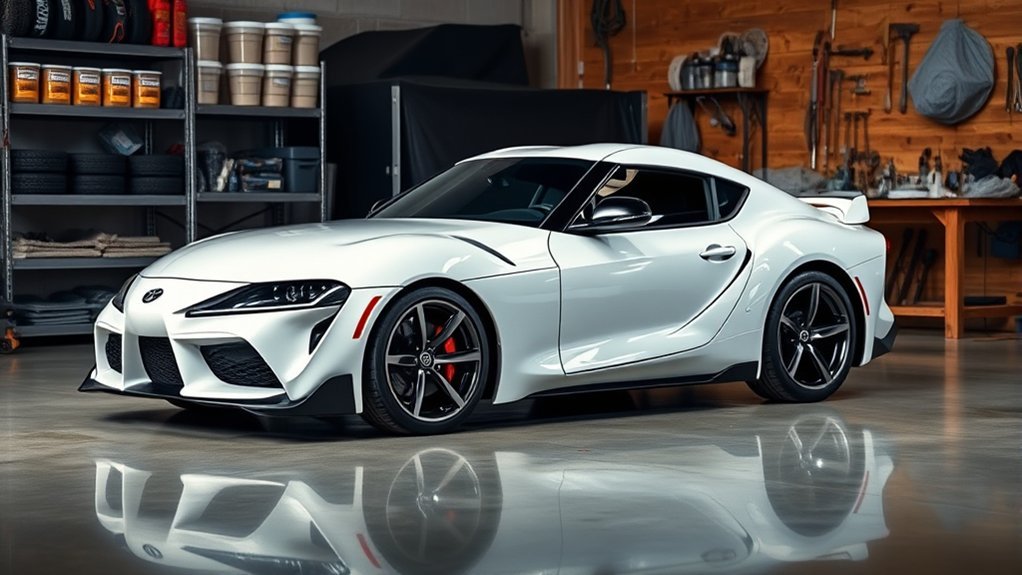

[…] For a broader explanation of model-year and trim differences, see the GR Supra trim guide. […]
[…] This guide uses 2020 3.0 for the original two-port configuration and 2021+ updated 3.0 for the 382-hp six-port vehicles. Specific limited editions are referenced by their official titles: A91 Edition, A91-CF Edition, and A91-MT Edition. For the complete lineup history, see the Toyota Supra trim-level guide. […]
[…] Rev-matching is tied to the manual GR Supra’s iMT system. At the 2023 U.S. launch, Toyota listed the manual on the GR Supra 3.0, 3.0 Premium, and limited A91-MT Edition. Toyota’s 2026 GR Supra page still lists a six-speed manual. For a broader trim-by-trim view, see the site’s Toyota Supra trim guide. […]