Last updated: July 14, 2026
The Toyota Supra manual transmission is worth choosing if driver involvement matters more to you than the quickest factory acceleration estimate or the best fuel economy. For the 2026 GR Supra, Toyota estimates 0–60 mph in 4.2 seconds with the 6-speed manual and 3.9 seconds with the 8-speed automatic. EPA data rates the manual at 21 mpg combined and the automatic 3.0 at 25 mpg combined. The manual’s real advantage is not a stopwatch number. It is the control and satisfaction of operating the clutch and choosing every gear yourself.
Quick Answer
Buy the Toyota GR Supra manual if you want the most involving version of the car and enjoy managing the clutch, gear selection, and downshifts yourself. Choose the automatic if you want quicker manufacturer-estimated acceleration, easier commuting, and better EPA fuel economy. The manual uses a Toyota-tuned 6-speed iMT gearbox, automatic rev-matching, and a shorter 3.46:1 final drive.
Key Takeaways
- Toyota offered the U.S.-market GR Supra manual for model years 2023 through 2026 and paired it with the 3.0-liter inline-six.
- Toyota estimates 0–60 mph in 4.2 seconds for the 2026 manual and 3.9 seconds for the automatic.
- The manual’s 3.46:1 final drive is shorter than the automatic’s 3.15:1 ratio, which helps low-speed and in-gear response.
- EPA data rates the 2026 manual at 19 city, 26 highway, and 21 combined mpg. The 3.0 automatic is rated at 22 city, 29 highway, and 25 combined mpg.
- Toyota announced that fifth-generation Supra production would end in spring 2026, so shoppers should confirm actual dealer or used-car availability.
- Used buyers should judge clutch operation, shift quality, maintenance records, modifications, tires, and brakes before focusing on the manual badge.
Editorial scope: This guide compares Toyota engineering information, EPA fuel-economy ratings, current model-year details, and practical used-car inspection points. It does not claim a long-term ownership test or an instrumented road test by AutoReviewNest.
| 2026 comparison | 6-speed manual | 8-speed automatic |
|---|---|---|
| Toyota-estimated 0–60 mph | 4.2 seconds | 3.9 seconds |
| EPA city/highway/combined | 19/26/21 mpg | 22/29/25 mpg |
| Final-drive ratio | 3.46:1 | 3.15:1 |
| Driver workload | Clutch pedal and driver-selected shifts | Automatic shifts with manual paddle control available |
| Better fit | Weekend roads, skill development, driver involvement | Traffic, quickest easy acceleration, lower fuel use |
Why Did Toyota Add a 6-Speed Manual to the Supra?
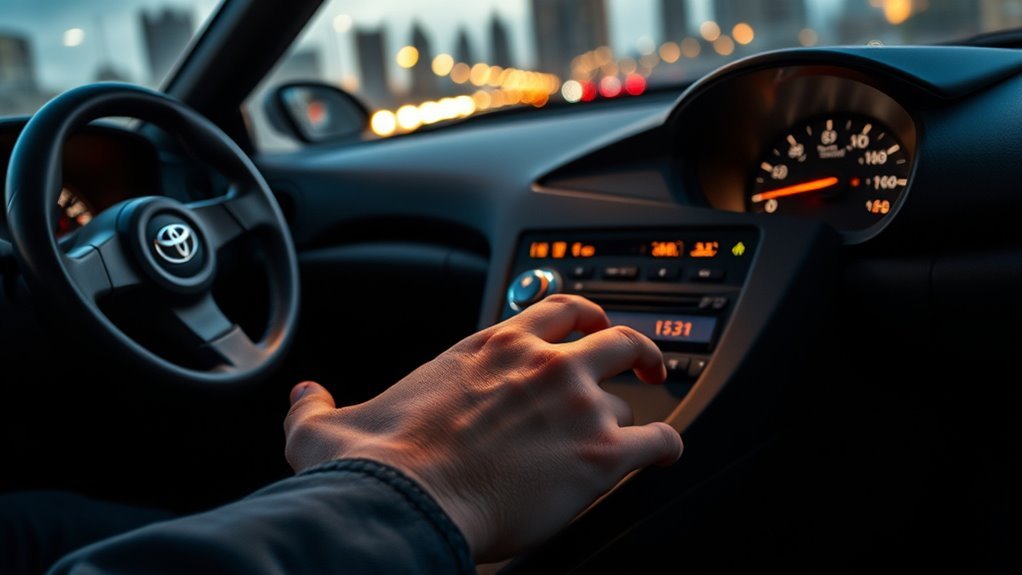
The fifth-generation GR Supra launched with an 8-speed automatic. That transmission delivered quick shifts and made the car easy to drive rapidly, but some buyers wanted a clutch pedal and direct control over every gear.
For model year 2023, Toyota introduced a 6-speed intelligent Manual Transmission for the 3.0-liter GR Supra. Toyota said the gearbox and its supporting hardware were developed around the power and torque of the coupe’s inline-six rather than installed as an unchanged off-the-shelf package.
The manual was not intended to beat the automatic in every acceleration test. Its purpose was to give drivers more control over launches, corner entry, gear selection, and engine speed. Toyota continued offering both transmissions through the final 2026 model year.
Buyer takeaway: The manual is the higher-involvement Supra, not the easier or objectively quicker one. Choose it because you want to participate in each shift.
How Did Toyota Engineer the Supra Manual Transmission?
Toyota says its engineers modified an existing transmission housing, driveshaft, and gear set. They also removed components that were not required, including parts of the acoustic package, to reduce weight.
Toyota’s U.S. engineering release does not identify the manual transmission’s supplier. For that reason, this guide does not assign a supplier or gearbox model code without a supporting primary source.
Reworked Gearbox Architecture
Toyota fitted a newly engineered large-diameter clutch with a reinforced diaphragm spring. The larger friction area and stronger spring were designed to handle the output of the 3.0-liter turbocharged engine.
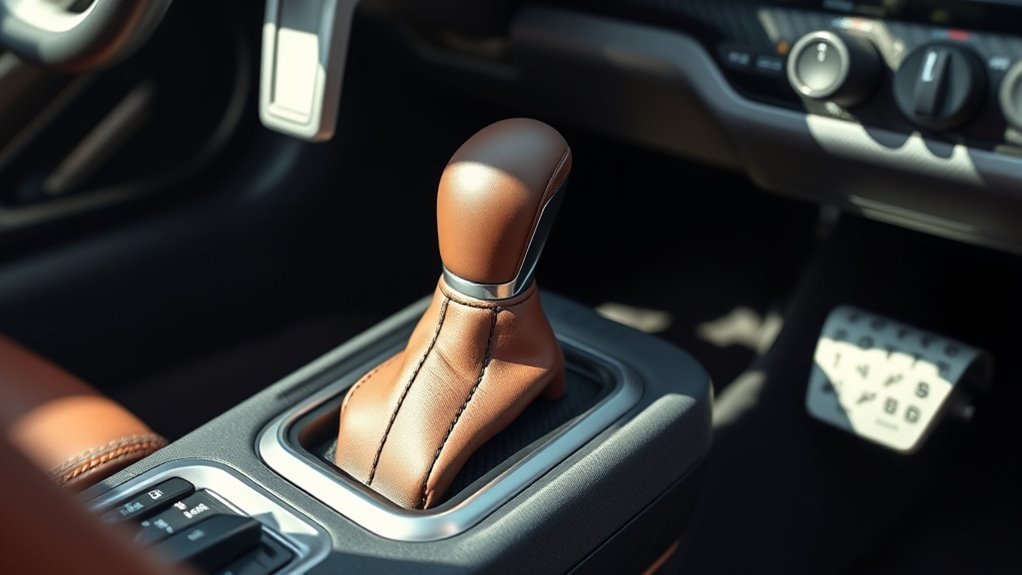
The company also tuned the shift lever ratio, reverse engagement effort, and cockpit layout. Toyota specified a 200-gram shift knob and created 1.7 inches of clearance between the knob and the control panel.
Why Does the Manual Use a Shorter 3.46:1 Final Drive?
The manual Supra uses a 3.46:1 final drive instead of the automatic’s 3.15:1 ratio. Because 3.46 is numerically higher, it is described as a shorter final drive.
Toyota says it selected the shorter ratio to avoid sluggish takeoff and weak in-gear acceleration. The ratio multiplies torque more aggressively, helping the manual respond when pulling away or accelerating from a slower corner.
Note: A shorter final drive does not describe the physical size of the differential. It describes gearing that produces more engine revolutions for a given wheel speed.
Does the Manual Supra Have Automatic Rev-Matching?
Yes. Toyota’s iMT software manages engine torque around shifts and automatically matches engine speed during downshifts. This helps make downshifts smoother and reduces the precision required from a driver who has not mastered heel-and-toe technique.
The iMT function is enabled by default. Toyota says the driver can switch it off in Sport mode. For a deeper explanation of the controls and behavior, see the Toyota Supra rev-matching system guide.
| Manual feature | Toyota-documented function | Buyer takeaway |
|---|---|---|
| 6-speed iMT gearbox | Adds a driver-operated clutch and direct gear selection | More involvement than the automatic |
| 3.46:1 final drive | Improves takeoff and in-gear response relative to the 3.15:1 automatic ratio | Sharper response with lower EPA economy |
| Automatic rev-matching | Matches engine speed during downshifts | Makes smooth downshifts easier to repeat |
| Revised clutch and shift hardware | Supports the power and torque of the 3.0-liter engine | More than a simple pedal-and-shifter conversion |
What Does the Manual Supra Feel Like to Drive?
The manual changes the driver’s workload rather than the engine’s output. You control clutch engagement, choose the gear, and decide when each shift occurs. The iMT system can smooth downshifts, but it does not remove the need to coordinate the clutch, throttle, and shifter.
Clutch bite, pedal weight, and shifter effort are subjective. Test-drive the car when it is cold and again after the drivetrain has warmed. A short drive in one traffic condition may not tell you whether the transmission suits your commute or preferred roads.
- The clutch gives you direct control during starts and low-speed maneuvering.
- The 6-speed layout requires more involvement during acceleration and corner entry.
- Automatic rev-matching makes smooth downshifts easier for less experienced manual drivers.
- The 3.46:1 final drive supports responsive low- and mid-speed acceleration.
- Heavy traffic requires more left-leg and shift input than the automatic.
The manual is most rewarding when shifting is part of why you are driving. The automatic remains the easier choice for congestion, frequent stop-and-go trips, and drivers who want repeatable acceleration with less effort.
Toyota Supra Manual vs Automatic: Which Is Faster and More Efficient?
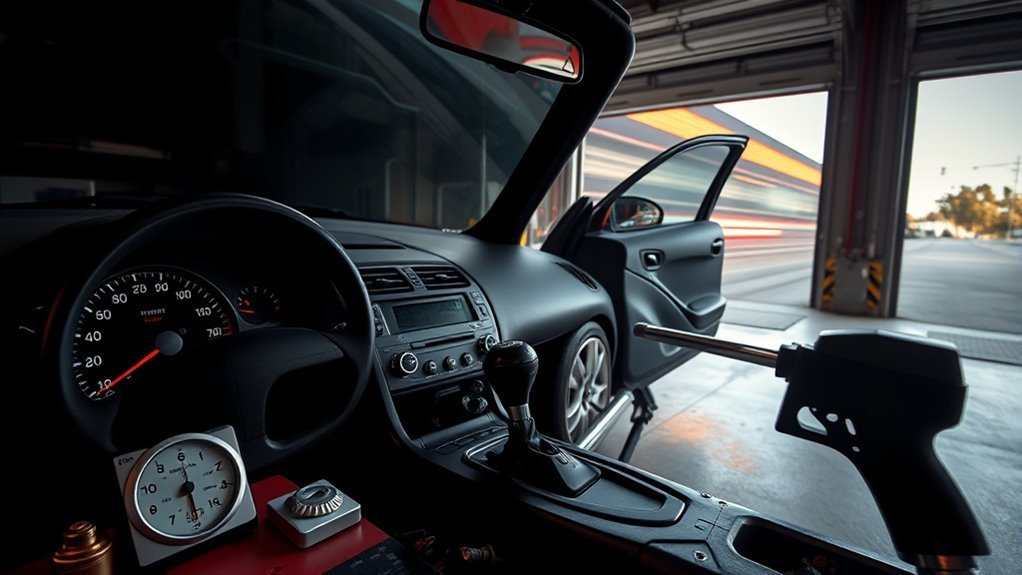
The 8-speed automatic is the quicker factory-rated configuration. Toyota estimates that the 2026 automatic reaches 60 mph in 3.9 seconds, while the manual takes 4.2 seconds. Independent test results can differ because of tires, surface conditions, temperature, rollout, and test procedure.
The manual counters with direct gear control and its shorter final-drive ratio. Those features can make the car feel responsive without making it faster in Toyota’s official standing-start estimate.
Fuel economy also favors the automatic. EPA data for the 2026 GR Supra rates the manual at 19 city, 26 highway, and 21 combined mpg. The 3.0 automatic is rated at 22 city, 29 highway, and 25 combined mpg.
Measured as fuel consumption, the manual uses 4.8 gallons per 100 miles on the EPA cycle. The automatic uses 4.0 gallons per 100 miles, creating a difference of 0.8 gallon for every 100 miles under the standardized test.
| Category | 6-speed manual Supra | 8-speed automatic Supra |
|---|---|---|
| Best for | Driver involvement, weekend roads, manual skill development | Quickest factory estimate, daily ease, lower fuel use |
| 2026 Toyota-estimated 0–60 mph | 4.2 seconds | 3.9 seconds |
| Final drive | 3.46:1 | 3.15:1 |
| 2026 EPA combined MPG | 21 mpg | 25 mpg |
| EPA fuel use | 4.8 gallons per 100 miles | 4.0 gallons per 100 miles |
| Ownership concern | Driver-operated clutch wear varies with use | No driver-operated clutch, but the automatic remains a complex transmission |
Pro Tip: Compare acceleration figures only when the source, rollout method, tires, weather, surface, and vehicle configuration are clear. A manufacturer estimate and an independent instrumented test are not interchangeable.
[Products Worth Considering]

This LISEN MagSafe car mount charger combines wireless charging and a magnetic phone holder in one compact solution for everyday driving. With both dashboard and vent mounting options, a strong magnetic hold, and broad compatibility for popular iPhone and MagSafe-supported Android phones, it helps keep your device secure, accessible, and powered on the road.

This wireless portable CarPlay screen brings Apple CarPlay and Android Auto to almost any vehicle for safer, hands-free driving and easier access to navigation, calls, music, and messaging. It features a vivid IPS touchscreen, fast wireless performance, OTA updates, multiple audio output options, and an integrated backup camera to improve convenience and parking safety. Plug-and-play setup makes installation simple without dashboard modifications, while steering wheel control support helps keep driving focused and intuitive.
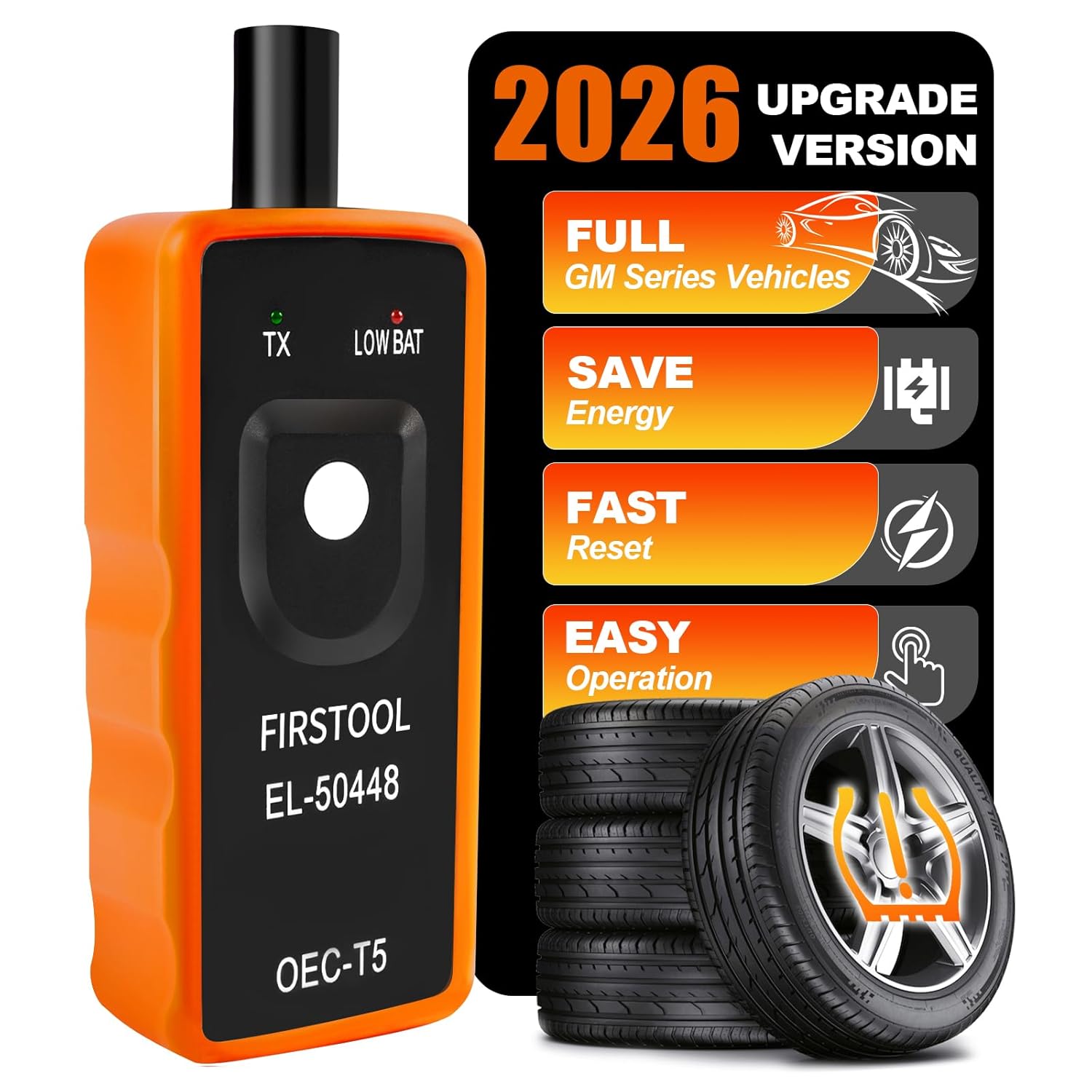
This EL-50448 TPMS relearn tool helps quickly activate and reset tire pressure sensors so your vehicle’s monitoring system stays accurate after tire rotations, sensor replacement, or seasonal tire changes. Designed for many GM-related vehicles and compatible with common 315 and 433 MHz TPMS systems, it offers simple one-button operation and reliable performance for clearing warning lights and relearning sensor positions.
What Are the Manual Supra’s Ownership Trade-Offs?
The most measurable day-to-day penalty is fuel use. Both 2026 transmission configurations use premium gasoline, but the manual’s EPA rating is four combined MPG lower than the automatic 3.0.
The manual also adds a driver-operated clutch. Clutch life cannot be predicted from mileage alone because launches, hill starts, traffic, modifications, track use, and driving technique affect wear. A well-used clutch can need attention sooner than one driven smoothly over longer highway mileage.
- Fuel: Plan around premium gasoline and the manual’s lower EPA rating.
- Clutch: Judge operation and service history rather than assuming one universal replacement interval.
- Tires and brakes: Spirited or track driving can accelerate wear, especially when the car uses performance tires.
- Modifications: Tunes, downpipes, altered clutch hardware, and suspension changes can affect drivability, emissions compliance, and warranty discussions.
- Track history: Track use is not automatic proof of neglect, but it raises the importance of fluid, brake, tire, and maintenance documentation.
- Availability: Toyota announced that fifth-generation GR Supra production would end in spring 2026. Confirm actual dealer inventory rather than assuming factory orders remain open.
Current-model note: The 2026 model page may remain online after production activity changes. Read the Toyota Supra Final Edition guide for the model-run context, then verify availability with a VIN-specific listing or dealer inventory record.
[Products Worth Considering]

This trailer coupler lock provides visible, dependable protection for your trailer with a rugged all-metal build and bright yellow finish that helps deter theft. Its universal adjustable design fits common coupler sizes and offers multiple locking positions for a secure, convenient setup. Built for all-weather use, it features protective rubber caps and anti-corrosion plating to help keep the locking mechanism working reliably.

The TOPDON BT100 helps you quickly check the health and charge status of 12V lead-acid batteries with clear analytical results, including state of health, state of charge, voltage, and cranking performance. It supports a wide range of battery types and vehicles, making it a practical tool for diagnosing starting and charging issues at home or in the shop. Compact and easy to use, it provides fast, reliable testing without needing to charge the device first.

Premium Transmission Clutch Kit Set Compatible with 3 2007-2013 2.3L L4, Hatchback 4-Door; 6 2006-2007 2.3L L4 Sedan 4-Door; 2.3L 2260CC l4 GAS DOHC Turbocharged
Who Should Buy a Manual Supra?
Buy the manual if operating the car is part of the reward. It suits drivers who enjoy timing shifts, choosing a gear before a corner, and improving manual-transmission technique.
Choose the automatic if you spend most of your time in congestion, want Toyota’s quickest acceleration estimate, or prioritize fuel economy. The automatic is not an inferior enthusiast choice. It simply emphasizes repeatable speed and convenience over three-pedal involvement.
| Your priority | Better fit | Reason |
|---|---|---|
| Daily stop-and-go traffic | Automatic | No repeated clutch operation |
| Quickest Toyota 0–60 estimate | Automatic | 3.9 seconds versus 4.2 seconds |
| Best EPA fuel economy | Automatic | 25 combined mpg versus 21 |
| Maximum shift involvement | Manual | You control the clutch and gear selection |
| Learning manual technique | Manual | iMT can support smoother downshifts |
| Weekend back-road driving | Manual, if you enjoy shifting | The extra workload becomes part of the experience |
[Products Worth Considering]

Fitment: for Toyota 4Runner SR5 SR5V 6 Cyl 3.0L 6 Cyl 3.4L 1991-2001, for Toyota Pickup SR5 6 Cyl 3.0L 1991-1995, for Toyota Supra 6 Cyl 3.0L 1989-1992.
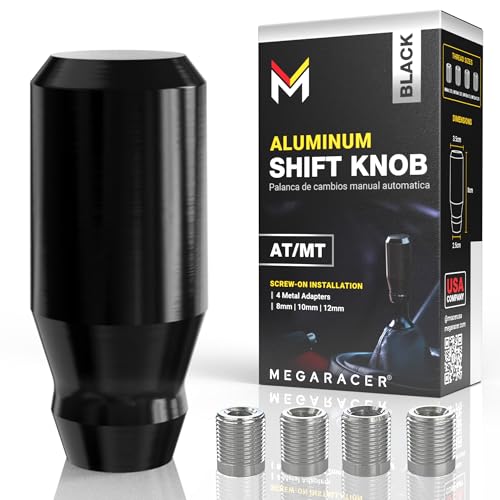
Premium Black JDM Style Shift Knob Upgrade: Add an instant performance-inspired look to your interior with this cool JDM-style aluminum shift knob designed for daily driving, spirited runs, and show-car builds.
Best Use Cases for the Manual Supra
- Weekend back-road drives
- Manual-transmission skill development
- Autocross or track instruction where rules and conditions permit
- Drivers who value shift involvement over convenience
- Owners who want to keep a discontinued three-pedal sports car long term
What Should You Check Before Buying a Used Manual Supra?
Judge the vehicle’s condition before paying extra for rarity or transmission choice. For broader generation and trim context, review the Toyota Supra A90 vs A91 comparison.
Use a consistent inspection order so you can compare several cars fairly:
- Start it cold: Listen for abnormal mechanical noise and check for warning lights before the seller warms the car.
- Test low-speed engagement: Pull away smoothly and watch for shuddering, burning odor, or an unusually difficult engagement point.
- Check for clutch slip: Under safe conditions, use moderate throttle in a higher gear and watch for engine speed rising without matching acceleration.
- Shift when cold and warm: Check every forward gear and reverse. Note grinding, refusal to engage, or behavior that worsens after warm-up.
- Inspect records: Look for routine oil service, brake-fluid records where relevant, tire replacement, alignment work, and modification documentation.
- Inspect tires and brakes: Uneven wear, vibration, cracked rotors, or heavily worn pads can indicate hard use or deferred maintenance.
- Review modifications: Identify tunes, intake or exhaust changes, downpipes, clutch upgrades, suspension parts, and altered electronic coding.
- Arrange an independent inspection: Use a technician familiar with the GR Supra platform when the car is modified, tracked, or poorly documented.
Warning: A modified or track-used Supra is not automatically a bad purchase. Price it according to its current mechanical condition, workmanship, records, and remaining legal or warranty considerations rather than the manual-transmission badge alone.
Frequently Asked Questions
What years did the Toyota GR Supra offer a manual transmission?
Toyota introduced the 6-speed manual in the U.S. for model year 2023 and continued offering it through the final 2026 model year. It was paired with the 3.0-liter inline-six rather than the four-cylinder configuration.
Is the Supra manual worth buying?
Yes, if you value clutch control, direct gear selection, and manual-transmission involvement more than the automatic’s quicker factory acceleration estimate and better fuel economy. Test-drive both because traffic, pedal preference, and intended use can change the right choice.
What transmission does the manual Supra have?
The manual GR Supra uses a Toyota-tuned 6-speed intelligent Manual Transmission for the 3.0-liter inline-six. Toyota documents a reinforced large-diameter clutch, iMT shift software, and a 3.46:1 final-drive ratio. Toyota’s U.S. engineering release does not name the manual gearbox supplier.
Is the manual Supra faster than the automatic?
Not according to Toyota’s 2026 estimates. Toyota lists 0–60 mph in 4.2 seconds for the manual and 3.9 seconds for the automatic. Independent tests can produce different results because testing methods and conditions vary.
Does the manual Supra have rev-matching?
Yes. Toyota’s iMT system automatically matches engine speed during downshifts to help make them smoother. The feature is enabled by default, and Toyota says it can be switched off in Sport mode.
What should you inspect on a used manual Supra?
Check clutch engagement, possible slipping under load, shuddering, burning odor, shift quality when cold and warm, reverse engagement, leaks, warning lights, modifications, tire wear, brake condition, and maintenance records. These are inspection symptoms and risk indicators, not proof that every manual Supra develops the same faults.
Conclusion
The 6-speed manual makes the GR Supra more involving, but it does not make it quicker or more fuel-efficient in Toyota and EPA comparisons. The automatic delivers the quicker manufacturer estimate, better MPG, and easier traffic use. The manual gives you clutch control, direct gear selection, automatic rev-matching, and a shorter final-drive ratio.
Test-drive both transmissions before buying. When shopping used, compare cars with similar mileage, condition, records, and modification history. A well-documented automatic can be a better purchase than a neglected manual, while a carefully maintained manual can be the right choice for a driver who values every shift.
Sources
- Toyota USA Newsroom: GR Supra Adds Manual Transmission for 2023 — manual launch, clutch engineering, iMT operation, shift-knob details, cockpit clearance, and final-drive ratios.
- Toyota USA Newsroom: 2026 GR Supra MkV Final Edition — 2026 transmission availability, manufacturer-estimated acceleration, and production-end timing.
- Toyota: 2026 GR Supra Official Page — current U.S. model-year lineup, engine, transmissions, trims, and model highlights.
- FuelEconomy.gov: 2023 Toyota GR Supra — EPA ratings for the first U.S. model year with the manual transmission.
- FuelEconomy.gov: 2026 Toyota GR Supra — EPA city, highway, combined MPG, fuel type, and gallons-per-100-miles figures.