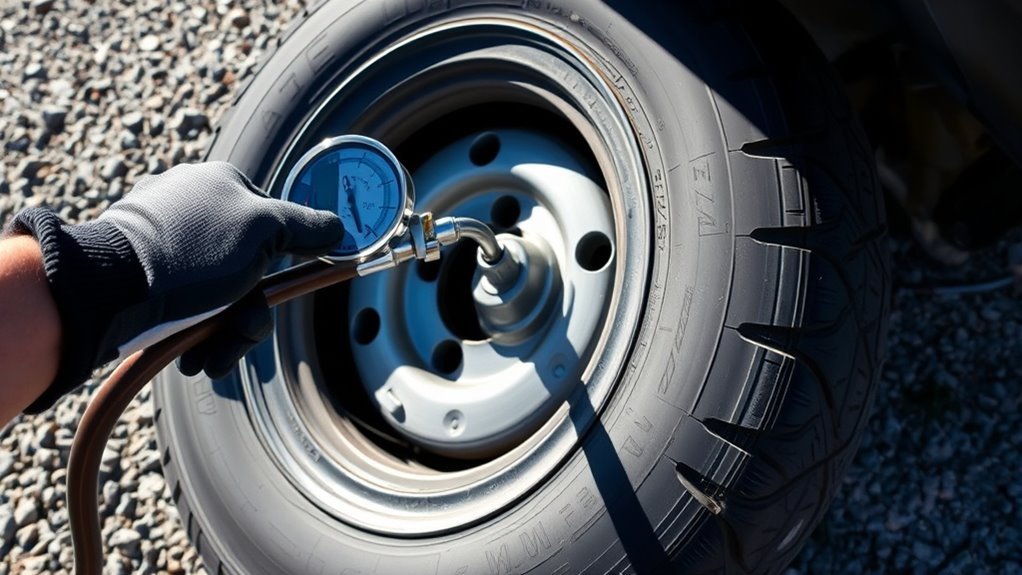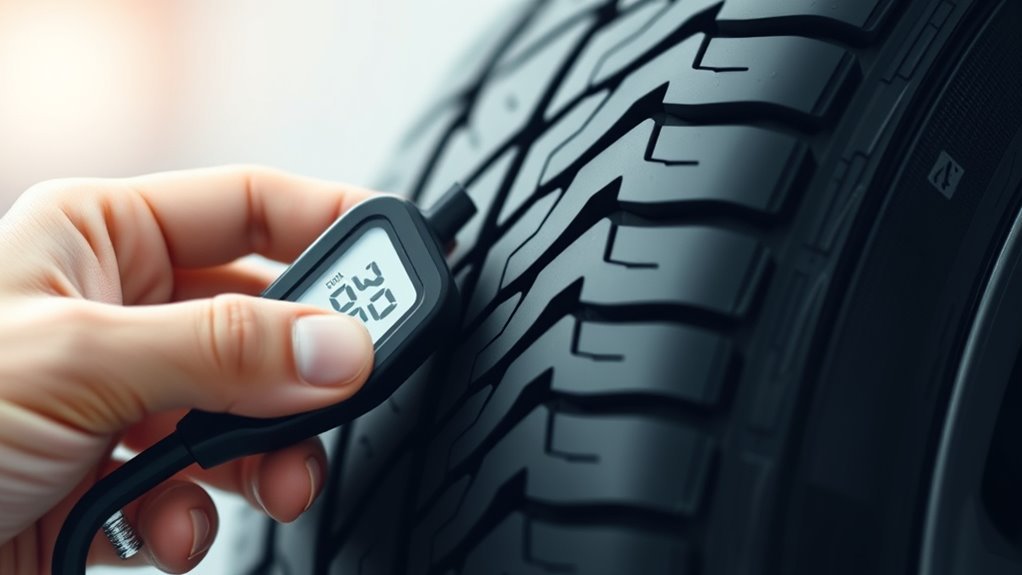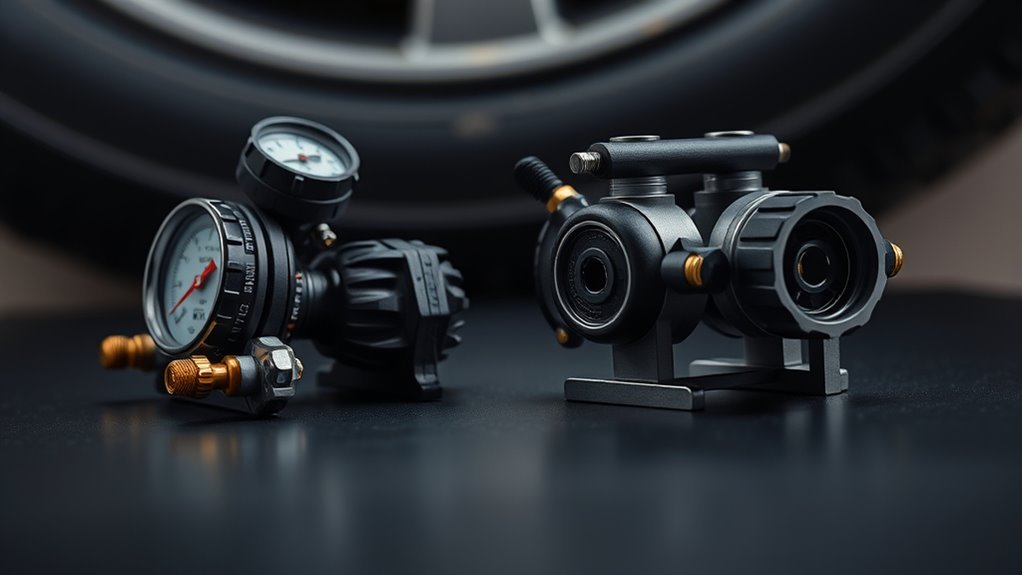
When choosing between single and twin cylinder tire inflators, consider speed, power, and your needs. Twin cylinder inflators inflate tires almost twice as fast and can run continuously, making them perfect for off-road situations or larger tires. In contrast, single cylinder models are great for casual users and smaller tires, but they take longer to inflate. Think about how often you’ll use it and what you’ll inflate, and you’ll uncover the ideal option for your vehicle.
Why You Need a Tire Inflator
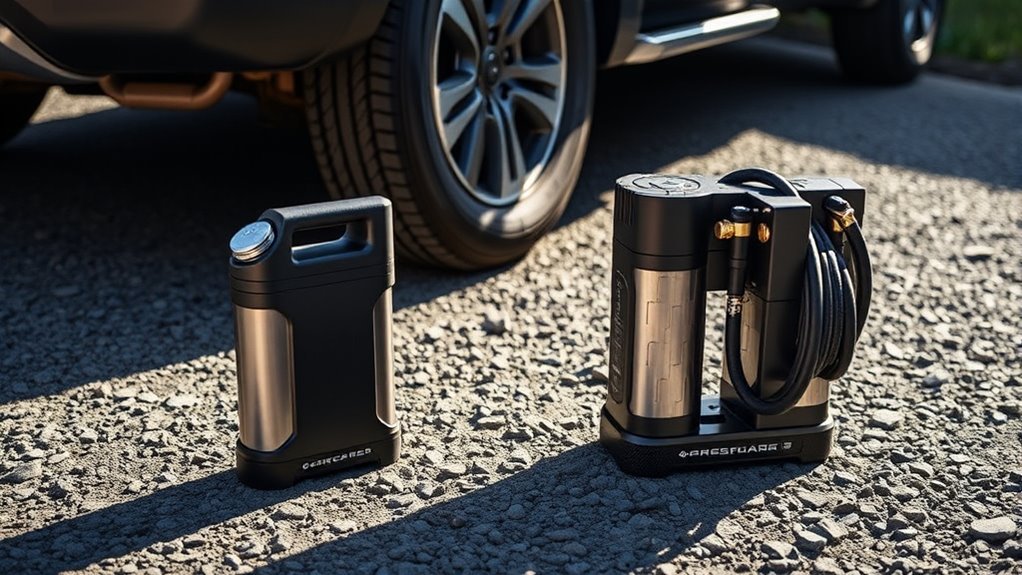
When you’re out on the road, you can’t always predict when you’ll face a flat tire or low pressure, which is why having a tire inflator is essential. A portable air compressor not only saves you from the hassle of roadside assistance but also empowers you to handle tire emergencies swiftly. With a tire inflator, you can inflate tires at home or on-the-go, saving both time and money on maintenance. Plus, these versatile tools can inflate your RV, truck, bicycle, or sports equipment, making them a valuable addition to your gear. Regular use helps maintain ideal tire pressure, enhancing your vehicle’s performance and fuel efficiency. Embrace the freedom of being prepared—get your tire inflator today!
What Are the Key Differences Between Single and Twin Cylinder Inflators?
When choosing between single and twin cylinder inflators, speed and power output are essential factors to evaluate. Twin cylinder models inflate tires nearly twice as fast and deliver higher airflow, making them ideal for various applications. In contrast, single cylinder inflators are better suited for lighter tasks, particularly with smaller tires, but may require more downtime.
Inflation Speed Comparison
Although both single and twin-cylinder tire inflators serve the same purpose, their inflation speeds reveal significant differences that can impact your efficiency. If you’re inflating tires regularly or dealing with larger sizes, the twin-cylinder model is your best ally. It can inflate four tires in roughly 6-7 minutes, compared to the 15-16 minutes it takes the single-cylinder variant. This speed is largely due to the higher airflow (CFM) that twin-cylinder compressors deliver, making them ideal not just for tires but also for powering air tools. The ability to work continuously without the need for cooling breaks further enhances their efficiency. Embracing a twin-cylinder compressor means less waiting and more freedom to tackle your tasks swiftly.
Power Output Differences
Power output sets single and twin-cylinder tire inflators apart, making it essential to understand their differences. When you’re choosing between these compressors, consider the following key points:
- CFM Output: Twin cylinder inflators have higher CFM, leading to faster inflation.
- Inflation Time: A twin cylinder can inflate a tire in about 90 seconds, while a single cylinder takes 15-16 minutes.
- Duty Cycle: Single cylinder models require a 30-minute cool down after use, while twins can operate continuously.
- Durability: The shared workload in twin cylinder models reduces strain, enhancing longevity.
Evaluating Performance of Tire Inflators
How do you determine which tire inflator is right for your needs? Evaluating performance hinges on speed, duty cycle, and versatility. Single compressors, like the ARB model, can inflate four tires in about 15-16 minutes but require a 30-minute cooldown after half an hour of use. In contrast, dual compressors inflate a tire in roughly 90 seconds and can run continuously, making them ideal for frequent use. If you tackle larger tires or employ air tools, the dual compressor’s higher CFM output will serve you better. Ultimately, your choice should reflect how often you inflate tires and the additional tasks you require, ensuring your inflator aligns with your lifestyle and demands.
How Speed Affects Your Tire Inflation Choices
When choosing a tire inflator, speed can be a game changer, especially in emergencies or off-road situations. A dual-cylinder model can pump up your tires in about 90 seconds each, compared to 15-16 minutes for a single-cylinder inflator. This time savings not only keeps you moving but also helps you tackle urgent tire issues more efficiently.
Inflation Time Comparison
While you might not think about it often, the speed of your tire inflator can greatly impact your overall efficiency, especially if you’re frequently on the go. Choosing the right type can save you valuable time and energy. Here’s a quick comparison of inflation times:
- Single-cylinder inflator: Takes about 15-16 minutes for four tires.
- Dual-cylinder compressor: Completes the same task in approximately 6 minutes.
- Duty cycle: Single-cylinder has a 50% duty cycle; dual-cylinder operates continuously.
- Cool down: Single-cylinder requires a 30-minute cool down after 30 minutes of use.
If you need quick air-ups or frequently inflate larger tires, the dual-cylinder compressor offers significant advantages in inflation time and efficiency.
Impact on Off-Roading
The speed of your tire inflator plays a significant role in off-roading scenarios, where every second counts. A twin-cylinder tire inflator can inflate tires about twice as fast as a single-cylinder model, letting you get back on the trail quickly. With a higher CFM output, it easily handles larger tires typically found on off-road vehicles, enhancing your efficiency. In situations where prolonged stops might lead to safety risks or delays, the speed of inflation is critical. Plus, unlike single-cylinder inflators that require a 30-minute cool down, a twin-cylinder option keeps you moving. This versatility also extends to air tools, making it a smart choice for dedicated off-road enthusiasts ready to liberate their adventures.
Best Uses for Tire Inflators: Scenarios for Single and Twin Cylinder Options
Choosing the right tire inflator can greatly impact your experience, especially when considering how often you’ll use it. Here’s a quick guide to help you decide between single-cylinder tire inflators and twin-cylinder inflators:
- Occasional Use: Single-cylinder inflators are perfect for inflating standard tires at home or during rare emergencies.
- Speed & Efficiency: Twin-cylinder inflators excel for off-road enthusiasts, inflating larger tires quickly—about twice as fast as singles.
- Air Tool Compatibility: If you plan to use air tools, twin options are your best bet due to higher CFM output.
- Compact Design: Single-cylinder models are ideal for those prioritizing portability and ease of installation.
What’s Best for Your Vehicle: Single vs Twin Cylinder Inflators?
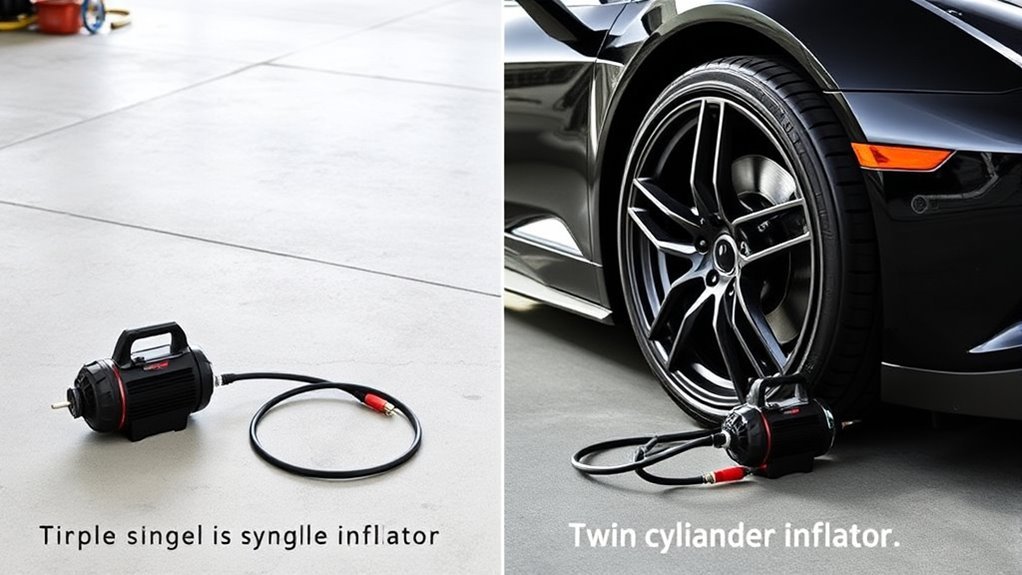
Determining whether a single or twin cylinder tire inflator suits your vehicle best hinges on several factors, including your tire size and how often you inflate. If you have larger tires or frequently need to inflate, twin cylinder tire inflators are your go-to. They inflate tires in about 90 seconds each and offer a 100% duty cycle, making them efficient for regular use. On the other hand, single cylinder tire inflators work well for occasional tasks, handling tire sizes like 295s but requiring a cool down after 30 minutes. If you need higher CFM output for air tools, twin inflators are essential. Ultimately, consider your specific needs to choose the inflator that empowers your driving experience.
Frequently Asked Questions
What Is Better, a Single Stage or Two Stage Air Compressor?
A two-stage air compressor’s better for higher pressure levels and enhanced compressor efficiency. It handles demanding tasks with ease, while a single-stage model suits lighter jobs. Choose based on your specific needs and applications.
What Is the Advantage of a Twin Tank Air Compressor?
Imagine a racecar with two engines—this twin tank air compressor boosts your compressor efficiency, delivering faster inflation and longer durability. Enjoy the twin tank benefits, as it effortlessly handles demanding tasks with ease and speed.
Which Is Better Twin Screw or Single Screw Compressor?
If you need speed and power, twin screw compressors offer significant benefits over single screw models. They’re more efficient for frequent use, while single cylinder options suit lighter tasks. Choose based on your needs and usage frequency.
What Is the Difference Between Single and Twin Compressor?
A twin compressor inflates tires roughly twice as fast as a single compressor. While single compressors suit smaller tires, twins excel in airflow, making them ideal for larger setups and demanding air tools.
Conclusion
So, whether you fancy a single cylinder for those leisurely flat tires or a twin for when speed is of the essence—because who doesn’t want to inflate their tires faster than a cheetah on caffeine?—the choice is yours. Just remember, while both options will get you rolling, your driving adventures deserve the right kind of support. Choose wisely, or you might find yourself in a tire-tastrophe! Now, inflate your tires and hit the road with confidence!