The Toyota Supra stands as a hallmark of performance engineering, blending a rich, decades-long heritage with the modern precision of its current GR generation. Whether you seek a classic project car or a track-ready daily driver, the Supra offers a unique balance of tunability and power. This guide covers the evolution, performance specifications, and ownership insights you need to understand this iconic sports car.
Quick Answer
The Toyota Supra is a high-performance rear-wheel-drive sports car known for its turbocharged inline-six engines and excellent handling balance. The 2026 model produces 382 horsepower, features a near 50/50 weight distribution, and offers both manual and automatic transmissions. It remains a top choice for enthusiasts who value reliable power and extensive modification potential.
Why the Toyota Supra Remains a Performance Icon
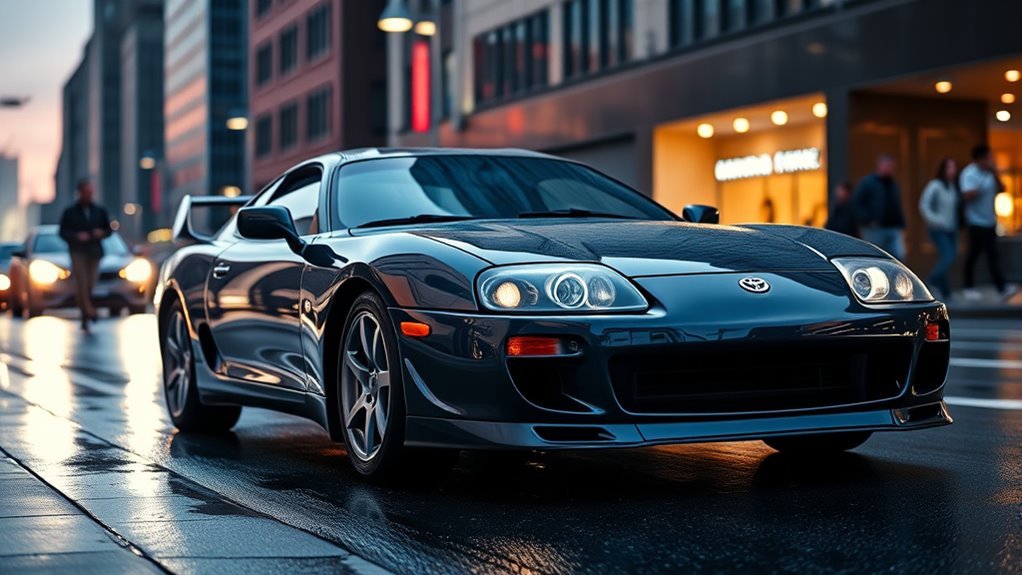
The Toyota Supra has challenged sports car standards since its 1978 debut. It combines engineering precision with race-ready capability. The name, which translates to “to surpass,” reflects the vehicle’s focus on stiff chassis design and responsive engines. Enthusiasts value the Supra because it offers a platform that rewards both spirited daily driving and competitive track performance.
Its cultural footprint also separates the Supra from other sports cars. From iconic movie appearances to the global tuner scene, the model serves as a canvas for mechanical expression. You can modify and tune these cars with predictable results, maintaining their status as both reliable tools and performance statements.
2026 Toyota Supra Final Edition Specifications
The 2026 Final Edition features a 3.0-liter turbocharged inline-six engine producing 382 horsepower and 368 lb-ft of torque. Drivers choose between a six-speed manual or an eight-speed automatic transmission. The car reaches 60 mph in roughly 3.7 to 3.9 seconds, depending on the configuration. Prices for this final iteration begin at $69,745.
Engine Power and Efficiency
The 3.0-liter turbocharged inline-six engine drives sharp throttle response and strong mid-range pull. You select between a six-speed manual for tactile engagement or an eight-speed automatic for efficiency. Acceleration feels both aggressive and predictable.
Fuel economy varies based on your chosen transmission. The automatic model achieves an EPA-estimated 22 city and 29 highway mpg, while the manual version returns 19 city and 26 highway mpg. This platform responds well to aftermarket engine tuning, allowing owners to increase output while maintaining everyday drivability.
Handling and Track Dynamics
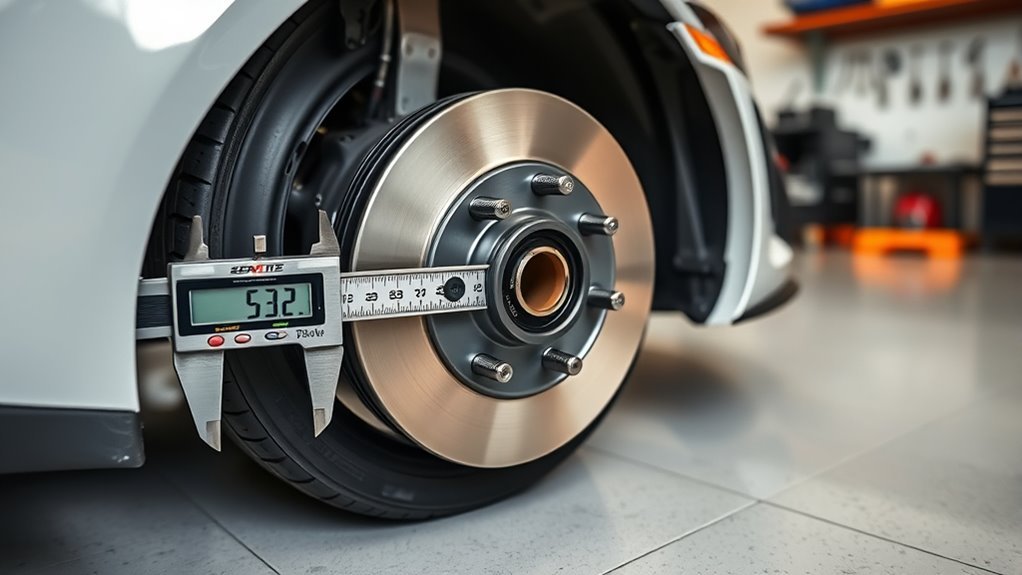
The Supra achieves a near 50/50 weight balance, which ensures neutral behavior during cornering. Revised differential mapping and large Brembo brake discs provide consistent stopping power even under heavy track use. The suspension tuning prioritizes stability, allowing you to rotate the car predictably through tight turns.
The chassis stays composed under pressure, often forgiving minor driver errors while rewarding high levels of commitment. Precise steering and adjustable transmission modes allow you to tailor the vehicle to your specific driving style.
| Spec | Value | Effect |
|---|---|---|
| Power | 382 hp | Strong thrust |
| Torque | 368 lb-ft | Midrange shove |
| 0-60 | 3.7–3.9 s | Quick launches |
| Balance | 50/50 | Neutral handling |
| Brakes | Brembo | Confidence late-braking |
Driver Features and Technology
The interior focuses on the driver, featuring 14-way power seats and a cockpit layout that emphasizes visibility. Controls remain tactile and easy to reach while you maintain a low, performance-oriented seating position. Note that larger drivers may find the cabin space snug during long trips.
Standard safety systems include automated emergency braking with pedestrian detection and lane-departure warnings. Advanced connectivity options support smartphone integration and built-in telemetry for tracking your performance sessions. Carbon fiber trim and matte black wheels complete the aggressive aesthetic of the Final Edition.
Ownership Considerations
Before buying a Supra, evaluate your total costs. New models range from approximately $58,700 to $69,745. You must also account for premium fuel, insurance rates common for sports cars, and routine maintenance. While the car offers modern tech and safety, taller drivers should verify cockpit fit during a test drive to ensure comfort.
Budgeting for Maintenance and Insurance
Reliability remains a strong point for the Supra, helping keep long-term costs manageable compared to many exotic rivals. Toyota provides a 3-year/36,000-mile basic warranty and a 5-year/60,000-mile powertrain warranty. Budget for premium gasoline, as high-performance engines require high-octane fuel to run correctly.
- Insurance: Rates reflect the vehicle’s high performance and repair costs; shop for quotes based on your specific location and driving history.
- Fuel: Frequent spirited driving significantly reduces fuel efficiency; estimate your annual mileage before committing to the budget.
- Maintenance: Routine service intervals are standard, but parts availability remains excellent through the Toyota service network.
Is the Supra Practical for Daily Driving?
The Supra functions well as a daily driver if you appreciate a firm, communicative ride. The hatchback configuration offers a surprising amount of usable cargo space for a two-seat coupe. Standard driver-assist packages further improve safety during highway commutes.
Always consult a qualified professional before making final purchasing decisions, especially regarding financing or long-term service contracts.
History of the Supra (1978–2026)
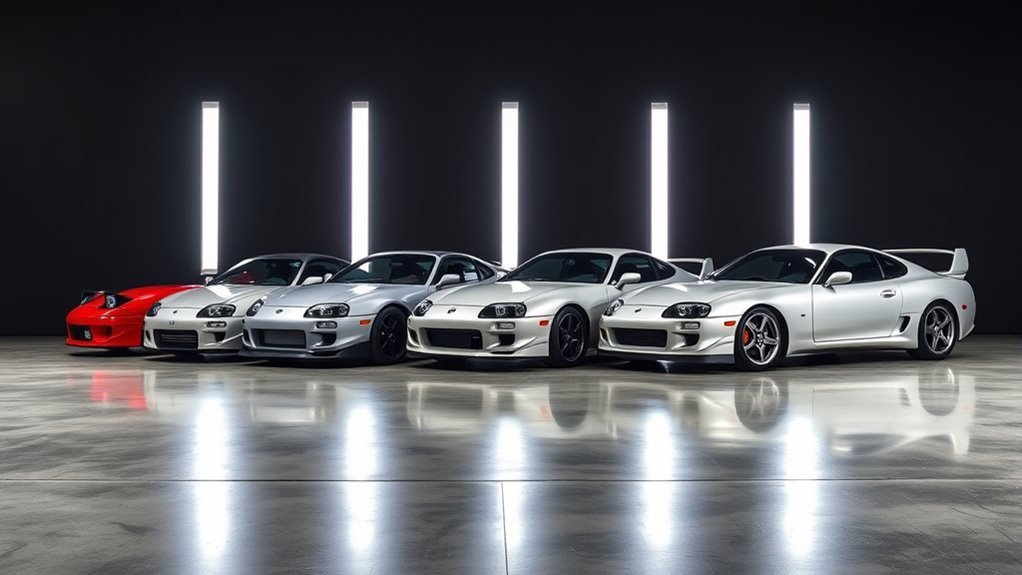
The Supra evolved from a trim level of the Celica into a standalone performance halo over five distinct generations. Each iteration pushed the boundaries of engine technology and chassis tuning. This progression solidified the model’s reputation for reliability and high-speed potential.
- 1980s: The Supra transitioned to a dedicated platform, introducing the world to turbocharged inline-six power.
- 1990s: The fourth generation (MkIV) featuring the 2JZ-GTE engine became a global icon for its immense power potential.
- 2020–2026: The GR Supra modernized the lineup with advanced electronics, a rigid chassis, and the Final Edition hardware.
Gen 1 and A60 Origins
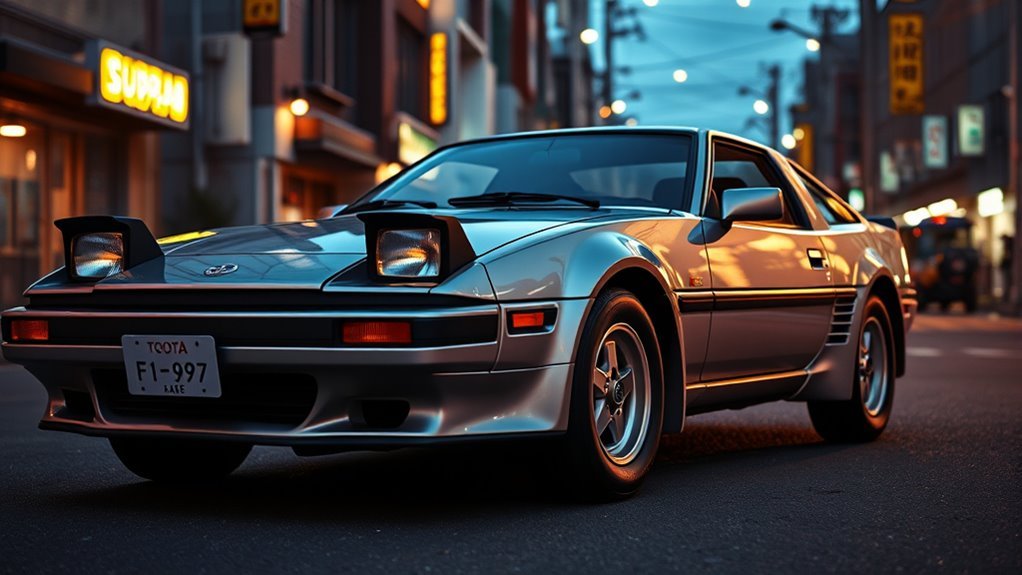
The Celica XX (1979–1985) marked the start of the Supra lineage. Toyota stretched the Celica platform to accommodate larger six-cylinder engines, creating a unique grand tourer. This generation established the baseline for later models by offering distinct trim levels that catered to both luxury and performance buyers.
The Shift to a Standalone Identity
By extending the chassis and adding creature comforts like power windows, Toyota positioned the Celica XX against established sports coupes. The introduction of the 2.8L 5M-GE engine with fuel injection significantly improved throttle response and reliability. These early engineering choices gave Toyota the confidence to eventually split the Supra into its own distinct product line.
Development of Engine Technology
Toyota offered a variety of engines to suit different driving goals. The 2.0L straight-six focused on agility, while the 2.6L and 2.8L variants emphasized smooth torque for highway driving. These engines set a technical standard for future generations, prioritizing the smooth power delivery of the inline-six configuration.
Defining P-type and L-type Trims
The A60 generation introduced a clear split between the Performance (P-type) and Luxury (L-type) models. The P-type offered a stiffer suspension and sportier interior for those seeking engagement. The L-type prioritized comfort features like upgraded seating and climate control, proving that sports cars could also provide long-distance comfort.
The Golden Era: A70 and A80 Generations
The A70 and A80 generations transformed the Supra into a legendary performance machine. The A70 introduced a 3.0L turbo inline-six that set a new performance ceiling. The A80 followed with the iconic 2JZ-GTE engine, a power plant renowned for its ability to handle significant power increases. These models dominated drift and circuit racing, cementing the Supra’s place in automotive history.
Modern Revival: The GR Supra
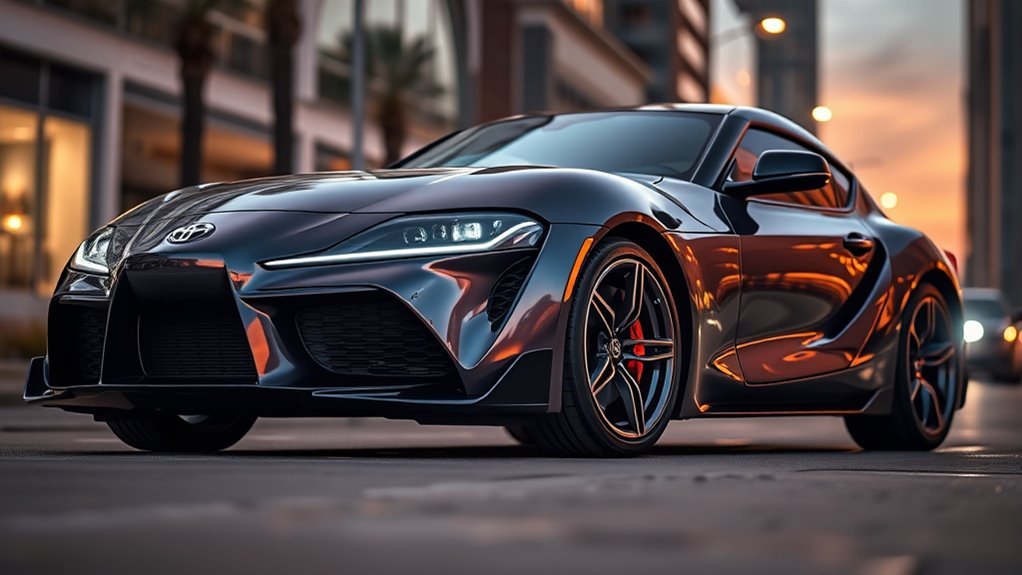
The MkV Supra revived the nameplate through a strategic partnership with BMW. While it shares a platform, Toyota’s Gazoo Racing (GR) division recalibrated the suspension, steering, and engine tuning to ensure a distinct character. The 2021 update increased the 3.0L engine output to 382 horsepower, significantly improving responsiveness and track performance.
Developed with BMW roots, the MkV Supra refines a turbo inline-six with GR tuning for focused, usable performance.
Signature Design and Engineering Traits
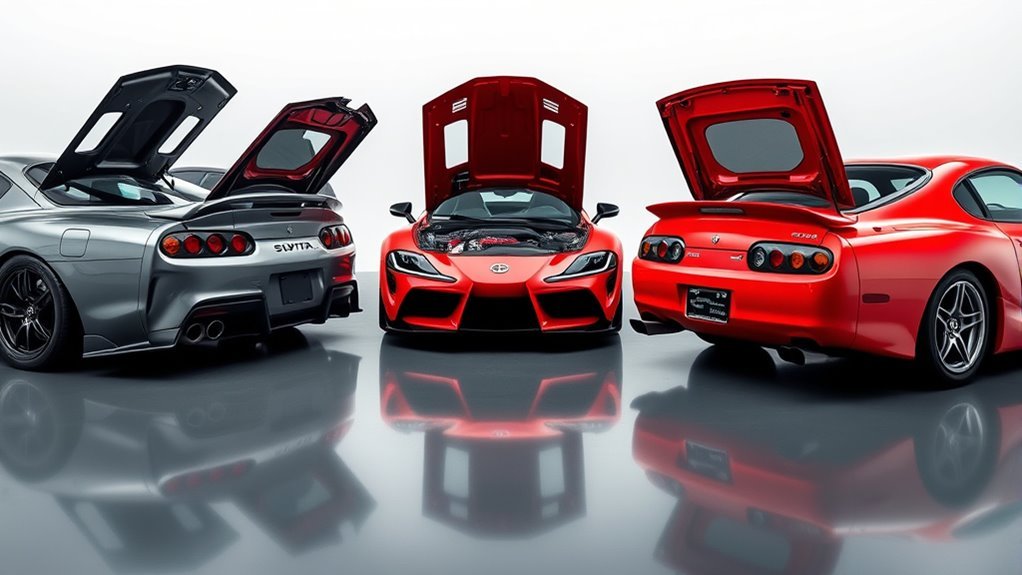
Across all generations, the Supra emphasizes rear-wheel-drive dynamics and sport-tuned suspension. Designers consistently used integrated spoilers and sculpted profiles to aid aerodynamics. These elements create a visual language that links the earliest Celica-based models to the modern GR Supra.
Performance and Modification Potential
The current Supra provides accessible power with a 0-60 time of roughly 3.9 seconds. Its 50/50 weight distribution makes it an excellent candidate for track days. Enthusiasts often focus on three key areas for upgrades:
- Suspension: Installing firmer springs or adjustable dampers sharpens chassis response.
- Exhaust: High-flow systems reduce backpressure to enhance throttle feel.
- Tuning: ECU optimization unlocks additional boost and improves fueling for higher peak power.
Competitive Landscape
When comparing the Supra to rivals like the BMW M2, Nissan Z, and Porsche Cayman, prioritize your goals. The M2 offers a similar power profile, while the Nissan Z serves as a lower-cost alternative. The Porsche Cayman provides the unmatched precision of a mid-engine layout. The Supra wins in infotainment tech and long-distance fuel efficiency.
Frequently Asked Questions
Is the new Supra just a BMW Z4?
While the models share a platform and engine, Toyota designs and tunes the Supra for a specific balance of performance and driver feedback. The steering feel, suspension geometry, and visual design remain unique to the Toyota model.
Is Toyota making a 2026 Supra?
Yes, the 2026 model year represents a final iteration of the current MkV generation, featuring updated braking and suspension components.
What are common Supra problems?
Older models may suffer from fuel system or electrical issues due to age. The modern MkV is generally reliable, but owners should follow factory-recommended maintenance intervals for the turbocharger and transmission.
What are the key facts about the Supra?
The Supra has evolved over five generations since 1978. It is defined by its inline-six engine configuration, rear-wheel-drive layout, and high tuning potential.
Final Thoughts
The Toyota Supra successfully balances its history as a grand tourer with its current role as a precision sports car. By choosing this vehicle, you join a legacy defined by mechanical reliability and genuine driving engagement. Explore your local enthusiast groups to learn more about how you can personalize your experience with this iconic platform.