What’s in This Article
- Why Your Toyota Tacoma AC Feels Inconsistent
- How the Toyota Tacoma AC Cooling Cycle Works
- Top Causes of Toyota Tacoma AC Temperature Swings
- 5 Quick Checks to Try Before the Shop Visit
- Before You Work on Refrigerant, Know the Safety Limits
- Step-by-Step Troubleshooting for Poor Cooling or No Airflow
- When to Stop DIY and Call a Pro
- What Toyota Technicians Will Check and Fix
- Maintenance Tips to Keep Your Tacoma’s AC Reliable
- Frequently Asked Questions
- Conclusion
Your Tacoma’s AC can feel random on hot days when airflow, refrigerant pressure, or electrical controls fall out of balance. A small leak, dirty cabin filter, weak compressor control, bad sensor, or blower issue can turn steady cold air into weak airflow or warm bursts.
You can check a few low-risk items before you book a shop visit. You should leave refrigerant recovery, leak repair, and charging to a certified technician because those jobs need the right tools and legal handling.
Quick Answer
Your Toyota Tacoma AC usually feels inconsistent because the system can’t move enough air or can’t keep the right refrigerant pressure. Start with the cabin filter, vents, fuses, blower speeds, and visible leak signs. If the air stays warm, cycles on and off, or shows oily residue near AC parts, let a qualified technician test the system.
Key Takeaways
- Check airflow first because a clogged cabin filter can make good cooling feel weak.
- Look for oily residue near AC lines, fittings, condenser areas, and compressor parts.
- Don’t add refrigerant blindly because overcharging can reduce cooling and damage parts.
- Call a technician when you see leaks, constant hot air, odd compressor noise, or no blower response.
- Follow your Tacoma owner’s manual for cabin filter and AC inspection intervals.
Why Your Toyota Tacoma AC Feels Inconsistent

Most Tacoma AC problems start with two basic issues: the system can’t move enough air, or it can’t absorb enough heat. Toyota lists dirty cabin filters, low refrigerant, compressor faults, condenser restriction, and electrical issues as common causes of weak or warm AC output.
Start with refrigerant leaks. Low charge can lower cooling capacity, trigger short cycling, and cause temperature fluctuations under load. You may notice warm air at idle, cooler air while driving, or oily residue near fittings and AC lines.
Next, check airflow. A clogged cabin filter restricts vent output, makes the blower work harder, and can hide a deeper AC issue. A dirty condenser can also reduce heat transfer at the front of the truck.
Electrical faults can create the same random symptoms. A failing temperature sensor, pressure sensor, corroded connector, damaged wire, or blend door actuator can send the wrong signal to the HVAC control system. That fault can make the air shift from cold to warm without a clear pattern.
How the Toyota Tacoma AC Cooling Cycle Works
Your Tacoma’s AC removes cabin heat through a closed refrigerant loop. The system depends on the compressor, condenser, expansion device, evaporator, blower, sensors, and duct controls.
When one part loses efficiency, the whole loop can feel unstable. You may still hear the blower and feel air from the vents, but the air may not stay cold.
Refrigerant Compression Cycle
When you turn on the AC, the compressor raises refrigerant pressure and sends hot refrigerant to the condenser. The condenser releases heat at the front of the truck, then the refrigerant moves toward the expansion device.
The pressure drops before the refrigerant reaches the evaporator. That pressure drop lets the refrigerant absorb heat from cabin air as the blower pushes air across the evaporator fins.
You should not mix refrigerants or guess the charge amount. Use the refrigerant type listed on your Tacoma’s under-hood label and confirm charge specs in the correct Toyota service information.
Evaporator Heat Exchange
The evaporator sits inside the HVAC case and absorbs cabin heat. Warm air passes over the evaporator fins, and refrigerant inside the coils pulls heat out of that air.
A weak blower, clogged filter, blocked drain, dirty fins, or low refrigerant charge can reduce this heat exchange. When the evaporator can’t absorb heat well, the vents may blow cool air for a short time and then warm up.
Keep the cabin filter clean and watch for water dripping under the truck after AC use. Normal condensation should drain outside, not soak the passenger floor.
Compressor Clutch Operation
Many Tacoma AC systems use compressor control to manage pressure and cooling output. Depending on model year and system design, a clutch or control valve may engage the compressor and adjust refrigerant flow.
If the compressor does not engage, cycles too fast, makes grinding noise, or runs with the wrong pressure, the vents can blow warm air. You can listen for obvious changes, but a technician needs gauges and scan data to confirm the fault.
Inspecting compressor noise early can prevent higher repair costs. Don’t keep running the AC if the compressor makes sharp grinding or rattling sounds.
Top Causes of Toyota Tacoma AC Temperature Swings
Temperature swings usually point to refrigerant, airflow, sensor, or actuator problems. Work from simple checks toward technical tests so you don’t replace good parts.
The most useful clues include vent temperature changes, fan speed changes, compressor noise, oily residue, and whether the issue happens at idle, highway speed, or both.
[Products Worth Considering]

The Pigenius windshield sunshade protects your Tundra's interior from heat and UV damage while keeping the cabin cool. Its accordion design folds easily for storage and quick setup, and the triple‑laminate construction provides durable, reflective protection. Ideal for long trips and daily commutes, it guards dashboards, seats, and steering wheels from sun‑related wear.

Upgrade your vehicle's interior with a stylish boho‑inspired center console cover that adds comfort and a striking visual appeal. Made from premium polyester fiber, anti‑skid cloth, and a plush 5 mm sponge, it provides soft support while reducing hand fatigue during long drives. The anti‑slip adhesive backing keeps it securely in place, and the elastic straps ensure a snug fit on most cars, trucks, SUVs, and vans.

Upgrade your vehicle's cargo capacity with these heavy‑duty aluminum roof crossbars that lock securely and reduce wind noise. The aerodynamic design and adjustable width provide a quiet, stable platform for luggage up to 260 lb, while the easy‑install kit and labeled front and rear bars simplify setup. Ideal for Toyota Grand Highlander and Lexus TX models from 2024‑2026 with flush side rails.
Refrigerant Leak Signs
If your Tacoma’s AC temperature keeps changing, a refrigerant leak deserves attention. Low charge can reduce heat absorption and may trigger system protection controls.
Look for oily residue around hoses, fittings, condenser areas, compressor seals, and service ports. Oil can travel with escaping refrigerant, so these marks can help a technician find the leak area.
A shop can confirm the issue with pressure checks, leak dye, an electronic leak detector, and recovery equipment. The U.S. Environmental Protection Agency (EPA) prohibits intentional refrigerant venting, so don’t open the system at home.
Faulty Temperature Sensor or Blend Door Readings
A bad cabin temperature sensor, evaporator temperature sensor, or blend door actuator can make the HVAC control system misread cabin needs. You may feel cold air, then warm air, even though the AC button stays on.
You may also notice clicking behind the dash, poor response when you change temperature settings, or short compressor cycling. These symptoms need targeted testing, not guesswork.
A technician can compare sensor readings with live scan data and physical temperature readings. That test helps separate a sensor fault from a refrigerant or compressor fault.
Electrical Faults and Sensor Problems
Electrical issues can cause random warm air blasts, weak airflow, or total blower loss. Start with simple power and fuse checks before you suspect expensive AC parts.
- Check HVAC fuses and relays, then confirm they fit firmly in the fuse box.
- Inspect visible wiring near the blower, compressor, pressure switch, and condenser fan areas.
- Test every fan speed so you can spot a blower motor, resistor, or control module issue.
- Check pressure sensor connectors and grounds if the compressor shuts off at random.
Document what works and what fails. Clear notes help a technician find the fault faster.
5 Quick Checks to Try Before the Shop Visit
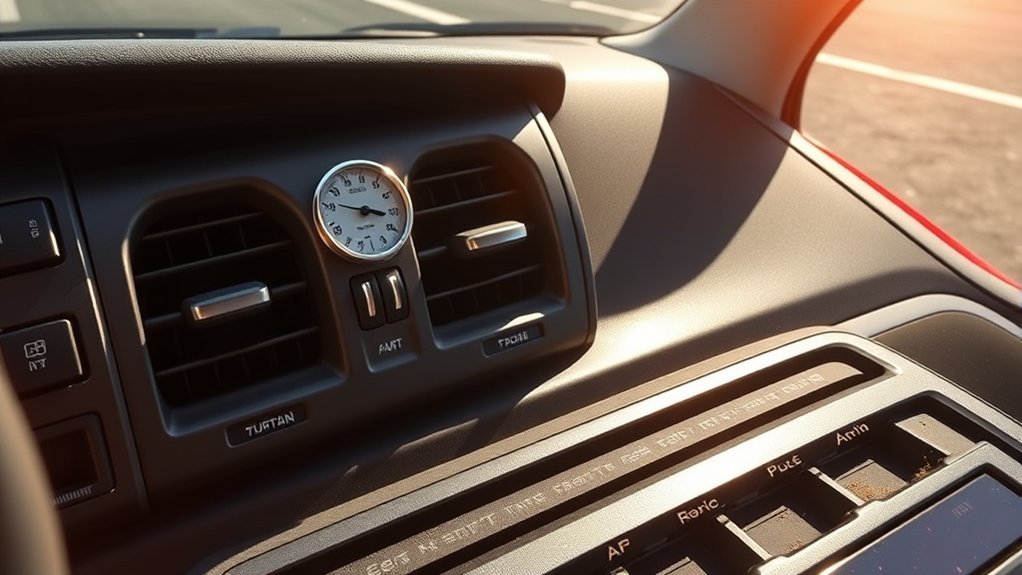
Before heading to the shop, run a few low-risk checks. These steps can rule out simple causes and help you explain the problem clearly.
- Inspect the cabin air filter. Remove it carefully, check for dust and leaves, and replace it if it looks dirty or clogged.
- Clear the cowl and outside intake area. Remove leaves, dust, and debris near the windshield intake and front condenser area.
- Test all blower speeds. Weak or missing airflow on certain speeds can point to a blower, resistor, fuse, or control issue.
- Listen for compressor changes. Grinding, rattling, or no engagement sound can point to a compressor or electrical control fault.
- Look for leak signs. Check visible AC lines, condenser areas, and fittings for oily residue, but don’t open any refrigerant connection.
These checks don’t replace pressure testing. They help you find simple airflow problems and give the shop a better starting point.
[Products Worth Considering]

Protect your car key with this premium TPU cover that offers 360-degree protection against drops, shocks, scratches and dust while adding a stylish, slim profile. The integrated metal‑textile keychain keeps keys secure and easy to carry for both men and women. Compatible with a wide range of Toyota models from 2016 to 2025, it ensures a snug fit and a premium look. Lifetime customer service guarantees a hassle‑free experience.

Upgrade your Toyota's interior with CKE's premium aluminum paddle shifter extensions, offering a sporty look and enhanced grip. The double‑sided tape ensures a secure, residue‑free installation, while the durable metal texture adds a sleek, movement‑inspired finish. Compatible with multiple Camry, Corolla, RAV4, Crown, and Avalon models, this set provides a seamless, non‑slip feel for precise gear changes.
Before You Work on Refrigerant, Know the Safety Limits
Refrigerant work carries legal and safety risks. The EPA says paid motor vehicle AC service requires Section 609 certified technicians, approved equipment, and proper refrigerant recovery.
Warning: Don’t vent refrigerant, mix refrigerants, or charge the system by guess because you can damage the AC system and violate refrigerant handling rules.
You can safely inspect the cabin filter, fuses, vents, and visible leak signs. Leave evacuation, vacuum testing, refrigerant charging, dye tracing, and sealed-component replacement to a qualified technician.
Note: Some 2021-2022 Tacoma vehicles had a Toyota service bulletin for poor AC cooling linked to a compressor pressure relief valve leak.
Step-by-Step Troubleshooting for Poor Cooling or No Airflow
When your Tacoma’s vents deliver weak or no cool air, follow a clear diagnostic order. Start with airflow, then move to refrigerant and control checks.
- Inspect and replace the cabin filter first. A clogged filter chokes airflow and can make the AC feel weak even when the refrigerant loop works.
- Check the outside airflow path. Clear leaves or dirt from the cowl intake and look for debris blocking the condenser.
- Test blower output. Change fan speeds and listen for a weak motor, blown fuse, or speed-control fault.
- Watch compressor behavior. Listen for engagement changes and stop using the AC if you hear harsh grinding or rattling.
- Look for visible leak clues. Oily residue near AC lines or fittings can point to a leak that needs professional testing.
- Schedule pressure and scan testing. A technician can compare low-side and high-side pressure, vent temperature, sensor data, and compressor command.
Work through these steps in order. Each check narrows the fault and reduces the risk of buying parts you don’t need.
When to Stop DIY and Call a Pro
After you check the filter, fuses, blower speeds, intake areas, and visible leak signs, know when to stop. Constant hot air, changing vent temperatures, visible oily residue, no blower response, or loud compressor noise need professional testing.
A technician has calibrated gauges, recovery equipment, leak detection tools, and scan tools. Those tools help protect the AC system and prevent unsafe refrigerant handling.
| Symptom | Likely Cause | Action |
|---|---|---|
| Constant hot air | Low refrigerant, leak, compressor fault, or control fault | Book a professional diagnostic |
| Intermittent warm blasts | Sensor, pressure, blend door, or electrical issue | Request scan and pressure testing |
| Weak or no airflow | Clogged filter, blower fault, fuse issue, or duct blockage | Check filter first, then call a pro if airflow stays weak |
Stop at your safe limit. You’ll save time and protect the truck when you let the right tool handle the right job.
What Toyota Technicians Will Check and Fix

A good AC diagnostic checks pressure, airflow, electrical controls, and refrigerant containment. Toyota’s AC guidance points to low refrigerant, dirty filters, condenser blockage, compressor faults, and electrical faults as common areas to inspect.
The technician may recover and weigh refrigerant, compare pressure readings, inspect hoses and seals, check compressor command, and test blower output. They may also use dye or an electronic detector to find leaks.
- Measure recovered refrigerant and compare it with the correct model-year specification.
- Leak-check hoses, seals, fittings, condenser areas, evaporator areas, and compressor parts.
- Assess compressor engagement, cycling behavior, noise, and pressure response.
- Test blower motor operation, cabin air movement, fuses, relays, and control signals.
- Inspect the cabin air filter and condenser for restriction, dirt, and debris.
This process gives you clear findings and helps prevent random parts replacement. Ask the shop to explain the test results before you approve repairs.
Maintenance Tips to Keep Your Tacoma’s AC Reliable
You can reduce AC trouble with simple habits between shop visits. Follow your owner’s manual, check the cabin filter on schedule, and inspect airflow sooner if you drive in dusty areas or heavy traffic.
Keep the condenser area clean and avoid blocking airflow at the front of the truck. Use only HVAC-safe cleaners as directed, and don’t spray harsh chemicals into intake vents or electrical parts.
| Task | Frequency | Effect |
|---|---|---|
| Cabin filter inspection | At regular service, or sooner in dust | Helps restore airflow |
| Cabin filter replacement | When dirty or when the manual calls for it | Improves vent output |
| AC performance check | When cooling drops or before heavy AC use | Finds leaks and weak cooling early |
| Condenser cleaning | When debris builds up | Improves heat transfer |
| Refrigerant service | Only when testing shows a need | Protects pressure and cooling performance |
Don’t treat refrigerant as a routine top-off item. A low charge usually means the system needs leak testing and repair.
Frequently Asked Questions
Can cabin insulation upgrades improve AC performance in a Tacoma?
Cabin insulation can reduce heat transfer and help the cabin stay cooler after the AC starts working. It won’t fix weak airflow, low refrigerant, or compressor faults, so diagnose the AC system first.
Can I use a different refrigerant in my Tacoma?
Use only the refrigerant type listed on your Tacoma’s under-hood label and service information. The EPA requires approved refrigerants and proper fittings, and mixing refrigerants can damage the system.
How does altitude affect my Tacoma’s AC efficiency?
High altitude can reduce air density, which can reduce heat transfer across the condenser. Heat, heavy loads, slow traffic, and dust can make the effect feel worse.
Will a windshield sunshade reduce AC load?
A windshield sunshade can reduce cabin heat while the truck sits in direct sun. It helps the AC cool the cabin faster, but it won’t repair a weak blower or low refrigerant issue.
Can overcharging refrigerant improve cooling temporarily?
No. Overcharging usually raises system pressure, reduces cooling efficiency, and can stress the compressor. A technician should charge the system by the correct weight after leak testing and evacuation.
Safety Disclaimer: This article is for informational purposes only and does not replace professional automotive diagnosis or repair. Refrigerant can cause injury and must follow legal handling rules. Always consult a qualified automotive technician before servicing sealed AC components.
Conclusion
Your Tacoma’s inconsistent AC usually comes down to airflow, refrigerant pressure, compressor control, or sensor input. Start with the safe checks you can do yourself: cabin filter, vents, blower speeds, fuses, and visible leak signs.
If the air stays warm, the compressor sounds rough, or you spot oily residue, schedule a professional diagnostic. A clear test result beats guesswork and helps your Tacoma deliver steady cooling when cabin heat builds fast.
References
- Troubleshooting Common Car AC Issues, Toyota, accessed 2026
- Regulatory Requirements for MVAC System Servicing, U.S. Environmental Protection Agency, accessed 2026
- Toyota Technical Service Bulletin T-SB-0052-22: Poor Air Conditioning Cooling Performance, Toyota Motor Sales via NHTSA, 2022
- Toyota Tacoma Maintenance Schedule, South Dade Toyota, accessed 2026