Tacoma Heater Core Coolant Flow: Symptoms, Checks, and Repair Signs
What’s in This Article
- Quick Answer: Is Your Tacoma Heater Core the Problem?
- How the Tacoma Coolant Circuit Is Laid Out
- Where the Heater Core Sits and How Coolant Flows Through It
- Why the Thermostat Temperature Matters for Heat
- How the Water Pump and Hoses Move Coolant: Signs of Failure
- How the Radiator and Cap Affect Engine and Cabin Heat
- How the Heater Core Warms the Cabin, Step-by-Step
- Is Your Heater Core Failing? Common Symptoms and Causes
- Inspect the Heater System: Basic Safe DIY Checks
- When to Replace the Heater Core or Call a Pro
- Frequently Asked Questions
- Conclusion
A Tacoma heater problem can feel simple at first, but it can point to several cooling-system faults. If the heater blows cold air, the cabin smells sweet, the passenger floor feels damp, or coolant keeps dropping, the heater core or cooling system needs attention. Start with safe checks: coolant level, heater hoses, engine temperature, visible leaks, and trapped air. Do not open the radiator cap or coolant reservoir cap when the engine is hot.
Model note: This guide gives general Tacoma heater-core troubleshooting help. Hose routing, thermostat specs, heater-valve design, and repair steps can vary by Tacoma year, engine, trim, and replacement part. Always confirm repair details for your exact truck before you take parts apart.
Quick Answer: Is Your Tacoma Heater Core the Problem?
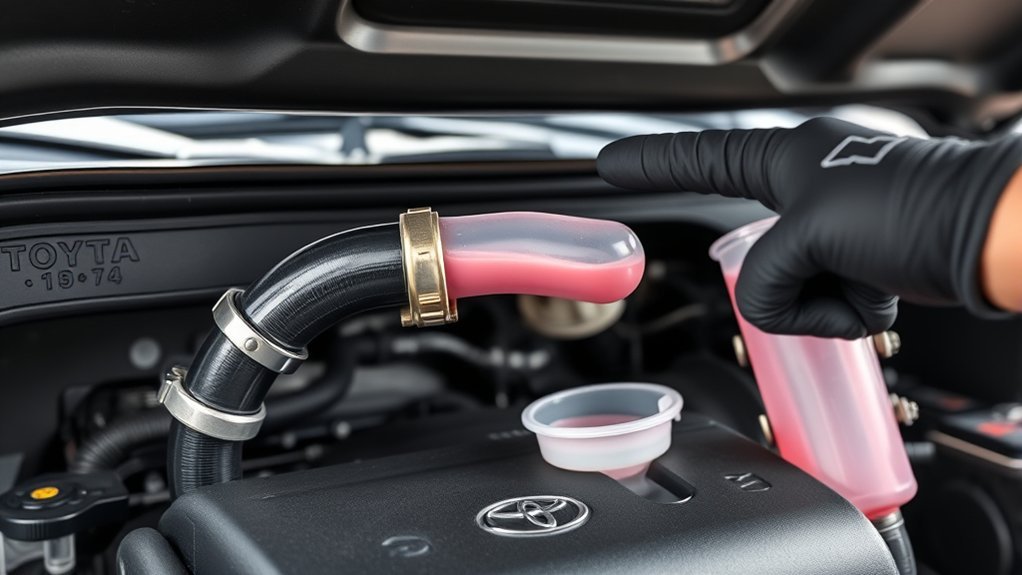
Your Tacoma heater core may have a problem if you smell coolant in the cabin, find damp carpet, see oily window fog, or lose coolant with no clear outside leak. Check coolant level only when the engine feels cold. After warm-up, carefully compare both heater hoses. One hot hose and one much cooler hose can point to restricted heater-core flow, trapped air, or another coolant-flow problem.
If the heater only blows cold air, don’t assume the core has failed right away. Low coolant, trapped air, thermostat faults, blocked hoses, blend-door problems, and water-pump issues can cause similar symptoms.
| Symptom | Possible Cause | First Safe Check |
|---|---|---|
| Sweet smell inside cabin | Possible coolant leak at heater core | Check passenger footwell and coolant level when cold |
| No heat, engine warms normally | Air pocket, clogged core, or blend-door issue | Feel both heater hoses after warm-up |
| Engine overheats and heater blows cold | Low coolant, thermostat issue, pump issue, or blocked flow | Stop driving and check coolant only after cooling |
| Foggy windows with oily film | Possible coolant vapor inside HVAC case | Schedule a pressure test or inspection |
Warning: Stop driving if the temperature gauge rises, warning lights appear, steam comes from the engine bay, or coolant leaks heavily.
Hot coolant can cause burns. Let the engine cool fully before you open any part of the cooling system.
Key Takeaways
- Check coolant level only when the engine feels cold.
- Compare both heater hoses after warm-up to judge heater-core flow.
- Watch for sweet odor, oily window fog, damp carpet, and steady coolant loss.
- Do not replace the heater core until you rule out low coolant, trapped air, thermostat faults, and blend-door issues.
- Call a mechanic if coolant enters the cabin or the engine temperature rises.
How the Tacoma Coolant Circuit Is Laid Out
Start by tracing coolant through the engine cooling system. The water pump moves coolant through the engine, radiator, heater hoses, heater core, and reservoir path. The radiator removes heat from the coolant, while dedicated heater hoses route hot coolant through the heater core so the blower can send warm air into the cabin.
The radiator cap and reservoir help control pressure and coolant expansion. According to Toyota owner guidance, you should check coolant at the reservoir when the engine feels cold and follow the coolant type listed for your vehicle. Low coolant, air pockets, weak pressure, clogged hoses, or poor pump output can reduce cabin heat and raise engine temperature.
Engine To Radiator Flow
When the thermostat opens, coolant moves through the radiator path so the engine can shed heat. Many thermostats open around 180°F, but the correct opening temperature depends on your Tacoma’s year, engine, and replacement part. Check the service manual or part specification before you test or replace it.
You’ll follow a direct cooling loop: hot coolant leaves the engine, enters the radiator, moves through fins and tubes, and returns cooler toward the engine. Maintain coolant efficiency by checking cap condition, coolant level, hose condition, and fan operation. A weak water pump, damaged belt, clogged radiator, or trapped air can interrupt circulation and reduce cabin heat.
Heater Core Bypass Path
After you follow coolant from the engine through the radiator path, check the heater-core path. The heater core uses two heater hoses: one carries hot coolant toward the core, and the other returns coolant to the engine cooling circuit. Hot coolant reaches the heater core through dedicated heater hoses connected to the engine cooling system. The heater core does not simply receive coolant from the upper radiator hose.
A heater-core bypass connects the inlet and outlet heater hoses so coolant can keep circulating without passing through the heater core. Treat a bypass as a temporary repair step, not normal maintenance. Use it only when you understand the hose routing for your exact Tacoma, or let a mechanic handle it. Incorrect routing or loose clamps can cause coolant loss, overheating, and engine damage.
Reservoir And Pressure Routing
Because the coolant circuit forms a closed, pressurized loop, the reservoir and radiator cap work together to control system pressure and handle thermal expansion. The cap helps the system hold pressure, and expanded coolant can move into the overflow reservoir as temperatures rise. As the system cools, coolant can return from the reservoir if the cap, hose, and reservoir path work correctly.
Keep reservoir checks simple and safe. Inspect the level only when the engine feels cold. Check cap seating, hose condition, and visible leaks. When you bleed or replace coolant, follow the correct sequence for your Tacoma so you remove trapped air and protect cooling performance.
Where the Heater Core Sits and How Coolant Flows Through It
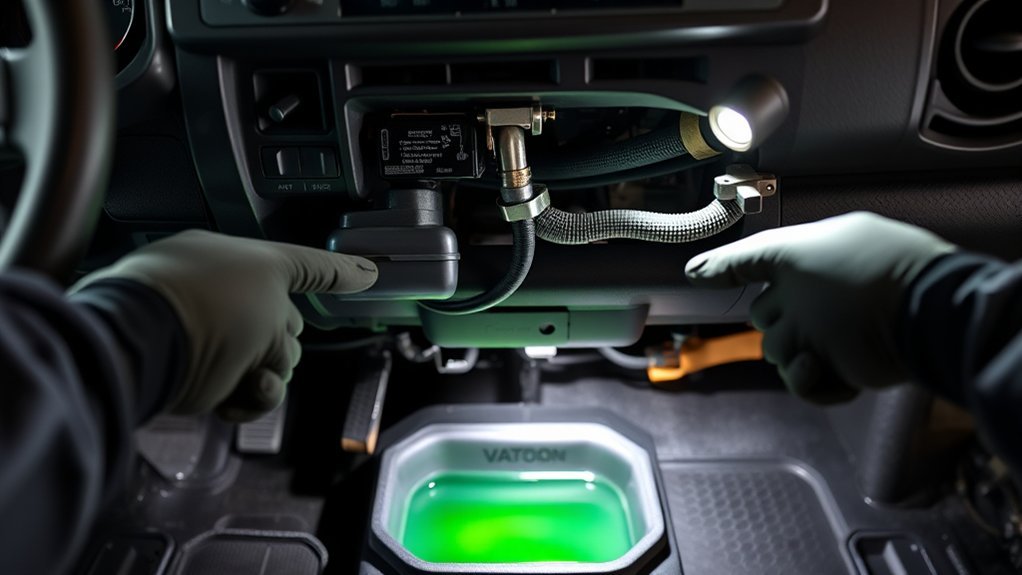
You’ll find the heater core behind the dashboard, inside the heating, ventilation, and air conditioning (HVAC) case. Coolant enters through a heater hose, passes through the core’s small tubes and fins, and exits through the return hose. The blower motor pushes air across the heated core so warm air can reach the vents.
Check inlet and outlet hose routing and connections when you troubleshoot flow or leaks. Poor heat does not always mean the heater core itself has failed. Low coolant, trapped air, thermostat behavior, a blend-door fault, or restricted coolant flow elsewhere can create the same symptom.
Location Behind Dashboard
One compact assembly behind the passenger-side dashboard houses the Tacoma’s heater core. Coolant from the engine cooling circuit runs into it through two rubber heater hoses so the cabin can receive warm air. The core sits inside the HVAC case, where seals, clips, and ducts help direct airflow.
Dashboard access can require trim panel removal, glove-box removal, lower dash work, and HVAC disassembly. This work can break clips, disturb airbags or wiring, and create coolant spills when you handle it without care. If you need to remove dashboard parts or open the HVAC case, consider a qualified mechanic.
Coolant Inlet And Outlet
When the engine reaches operating temperature, the cooling circuit sends hot coolant into the Tacoma’s heater core through the inlet hose. Coolant passes through the core’s tube-and-fin matrix, releases heat to blower air, and exits through the outlet hose back into the engine cooling circuit. Clear passages, proper coolant level, and steady system pressure help preserve heater performance.
Use these basic checks before you assume the heater core has failed:
- Inspect inlet and outlet hoses for leaks, collapse, loose clamps, or restrictions.
- Check coolant level only when the engine feels cold.
- Confirm the engine reaches normal operating temperature.
- Feel both heater hoses carefully after warm-up to compare heat.
- Look for damp carpet, sweet odor, or fogging that may point to a leak.
Why the Thermostat Temperature Matters for Heat
The thermostat helps the engine warm up and then opens to let coolant move through the cooling system. Many thermostats open near 180°F, but the exact temperature can vary by Tacoma year, engine, and part. If the thermostat sticks closed, the engine can overheat. If it opens too early or sticks open, the engine may run cooler than expected and cabin heat may feel weak.
You rely on the thermostat to help manage coolant flow and engine temperature. Once the engine reaches its designed operating range, hot coolant can support both radiator cooling and cabin heat. Your basic procedure stays simple: monitor the temperature gauge, check for steady heat after warm-up, and investigate sudden temperature changes before they create larger problems.
| Condition | What Happens | Possible Cabin-Heat Effect |
|---|---|---|
| Thermostat opens normally | Coolant circulates through the cooling system | Heater can receive steady hot coolant |
| Thermostat stuck closed | Engine may overheat | Heat may become unstable or unsafe to test |
| Thermostat stuck open | Engine may run too cool | Cabin heat may feel weak |
How the Water Pump and Hoses Move Coolant: Signs of Failure
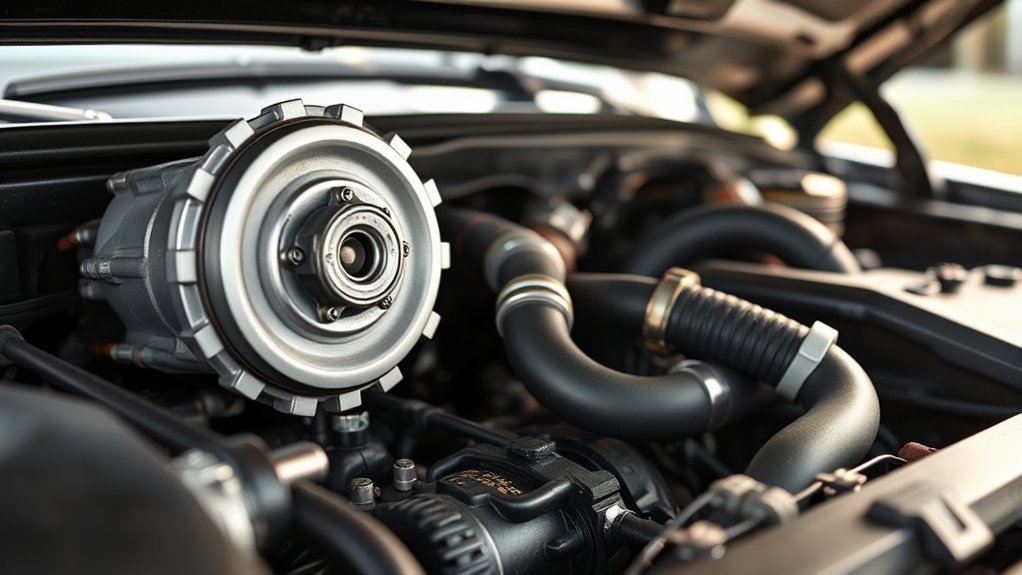
If the belt drives the water pump properly, the pump moves coolant through the engine, radiator, heater hoses, and heater core. That flow protects the engine from overheating and gives the heater core the hot coolant it needs for cabin warmth. If the pump leaks, makes bearing noise, or stops moving coolant well, the heater may blow cold and the engine may run hot.
A weak water pump or damaged hose can reduce coolant flow, cause overheating, and limit cabin heat.
Inspect hoses on a routine schedule. Feel for soft spots, swelling, hard cracks, or coolant crust around clamps. If you detect coolant pooling near the pump, hear grinding or whining, or see a collapsed hose, address the problem quickly.
- Check around the pump for leaks or dried coolant residue.
- Listen for bearing noise from the pump area.
- Inspect hoses for swelling, cracking, softness, or collapse.
- Replace damaged parts before a small leak becomes an overheating problem.
How the Radiator and Cap Affect Engine and Cabin Heat
The radiator and cap help control coolant pressure and temperature. That affects both engine protection and cabin heat. The cap helps the system hold pressure, which supports stable coolant flow and raises the boiling point. If the cap fails, the system can lose pressure, push coolant out, or pull air back in.
When the thermostat opens, hot coolant can move through the radiator path. Radiator fins shed heat, and cooled fluid returns through the system. A failed pump, blocked hose, weak cap, low coolant level, or trapped air can reduce radiator performance and starve the heater core of steady hot coolant.
| Component | Effect |
|---|---|
| Radiator fins | Increase surface area for heat exchange |
| Radiator cap | Helps maintain coolant pressure |
| Coolant flow | Supports engine protection and cabin heating |
Follow safe inspection steps. Check cap sealing only when the engine feels fully cool. Use the right pressure tester only if you have the tool and experience. Confirm hoses and pump operation before you blame the heater core alone.
Note: A weak cap can mimic larger cooling problems because it can reduce pressure and allow coolant loss.
How the Heater Core Warms the Cabin, Step-by-Step
The heater core works like a small radiator inside the dash. Hot coolant flows through its tubes. The blower motor forces air across the heated fins. That air picks up heat and moves through the vents into the cabin.
The temperature controls usually manage air movement with blend doors, and some systems may also use coolant-flow controls. The exact design can vary by Tacoma year and HVAC setup. Blockages, leaks, air pockets, or door-control problems can interrupt this heating cycle.
Coolant Flow Path
When the engine warms up, hot coolant can reach the heater core through dedicated heater hoses. As the blower pushes cabin air across the core’s fins, heat transfers from the coolant to the air. The cooled coolant then returns to the engine cooling circuit for reheating.
- Hot coolant reaches the heater core through the heater inlet hose.
- Blower-driven airflow moves across the heated fins.
- Warm air travels through the vents into the cabin.
- Coolant exits through the return hose and continues through the cooling system.
Cabin Heat Transfer
Cabin heat depends on both coolant flow and airflow. The heater core must receive hot coolant, and the blower must move enough air across the core. The blend door must also direct air through the correct path. If one part of this chain fails, the vents may blow cool air even when the engine feels warm.
Example: If both heater hoses stay cool after the engine warms up, the issue may involve low coolant, trapped air, thermostat operation, or blocked flow before the heater core. If both hoses feel hot but the vents stay cold, the problem may involve the blend door, controls, or airflow path.
Is Your Heater Core Failing? Common Symptoms and Causes
Wondering whether your Tacoma’s heater core is failing? Recognize heater-core symptoms early so you can act before coolant loss or overheating gets worse. A failing core can produce a sweet, antifreeze-like odor inside the cabin. Coolant products often contain ethylene glycol, and the Centers for Disease Control and Prevention warns that ingestion can cause serious toxicity.
Inside-window fogging, damp passenger-side carpet, or unexplained coolant loss without an outside puddle can also point to a leaking heater core. Blocked flow can reduce heat output, while a leak can lower coolant level and affect engine cooling.
- Sweet smell and interior fog: Coolant may leak into the HVAC case or cabin area.
- No heat from vents: A clogged core, air pocket, low coolant, thermostat issue, or blend-door problem may reduce heat.
- Unexplained coolant drop and rising temperature: A leak or flow problem may affect both heater performance and engine cooling.
Document the symptoms, avoid long drives if coolant keeps dropping, and plan an inspection if simple checks do not restore steady heat.
Inspect the Heater System: Basic Safe DIY Checks
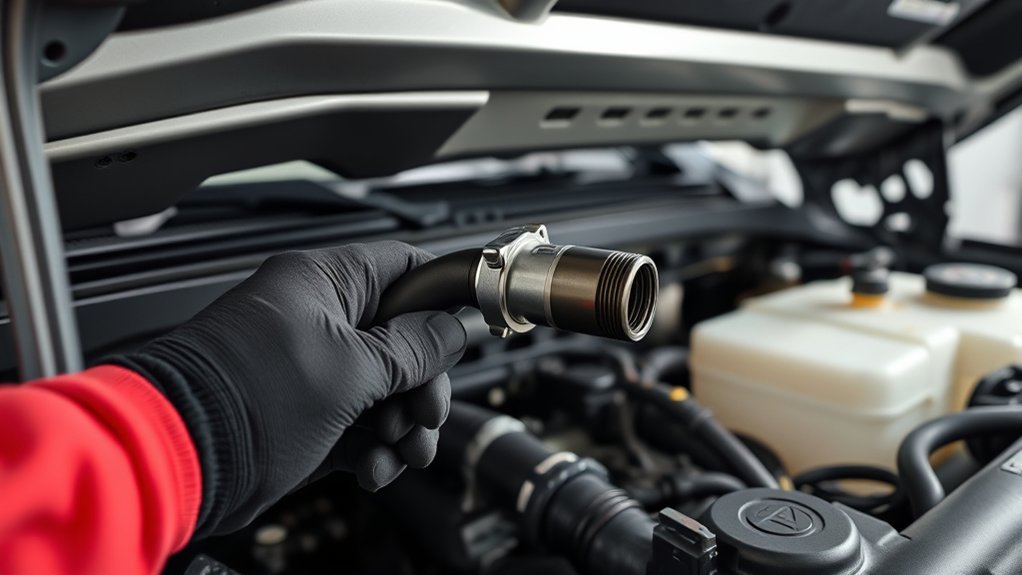
Before you call a shop, perform a few safe checks to rule out simple causes of poor heating. Start cold, with the engine off and cool. Confirm the overflow jug sits at the recommended mark. Inspect heater hoses for cracks, soft spots, loose clamps, or visible coolant stains.
Run the engine to operating temperature and verify heater performance. Carefully feel both heater hoses. Both should become warm or hot if coolant flows through the heater circuit. A large temperature difference may suggest restricted flow, trapped air, or another cooling-system problem.
Do not remove the thermostat or open pressurized cooling-system parts unless you have the right tools and experience. If you suspect trapped air, follow the proper bleeding process for your Tacoma. If the heater control, blend door, or HVAC case needs disassembly, a mechanic may give you the safer option.
| Task | What to Look For |
|---|---|
| Coolant level | At recommended mark when cold |
| Hoses | Leaks, cracks, swelling, collapse, or loose clamps |
| Engine temperature | Stable normal warm-up without overheating |
| Air pockets or controls | Poor flow, uneven hose heat, or blend-door symptoms |
When to Replace the Heater Core or Call a Pro
When should you replace the heater core or bring your Tacoma to a shop? Call a mechanic if you see coolant inside the cabin, smell a sweet odor, lose coolant repeatedly, or the temperature gauge rises. Heater-core replacement often requires dashboard work, and cooling-system pressure tests need the right tools.
If you notice sweet smells, coolant leaks, fogged windows, or sudden loss of heat, get the heater core and cooling system checked promptly.
- If you smell coolant or find damp carpet: Stop guessing and arrange a heater-core inspection.
- If cabin heat drops or temperature fluctuates: Schedule a pressure and flow check before replacing parts.
- If windows fog from moisture or dashboard removal looks necessary: Call a pro for safe disassembly and correct reassembly.
Keep the system reliable through routine coolant maintenance and inspections. Fix small leaks early, check hose condition, and avoid driving when the engine overheats.
Frequently Asked Questions
How Does Coolant Flow Through a Heater Core?
Coolant flows from the engine cooling circuit into the heater core through a heater hose. It passes through small tubes inside the core, releases heat to air moved by the blower, and returns through the outlet hose. That warm air then travels through the vents into the cabin.
Does Coolant Flow Through the Heater Core When Heat Is Off?
It depends on the Tacoma year and HVAC design. Some systems keep coolant moving through the heater core while blend doors control cabin heat. Others may use a valve to reduce coolant flow. Check your exact model before you assume coolant flow fully stops when you turn the heat off.
Does Water Flow Through the Heater Core All the Time?
Engine coolant may flow through the heater core at different times depending on the vehicle design. Many systems use coolant flow plus blend-door control to manage heat. If your Tacoma has poor cabin heat, check coolant level, trapped air, heater hoses, thermostat behavior, and HVAC controls before you replace the core.
Can a Bad Thermostat Cause No Cabin Heat?
Yes, a thermostat problem can affect cabin heat. If it sticks open, the engine may not stay warm enough for strong heat. If it sticks closed, the engine can overheat. Since symptoms overlap with other cooling-system faults, confirm coolant level and engine temperature before you replace parts.
Can Low Coolant Cause Heater-Core Symptoms?
Yes. Low coolant can reduce flow through the heater core and make the vents blow cool air. It can also create air pockets that block heat transfer. Check coolant level only when the engine feels cold, and look for leaks if the level keeps dropping.
How Hard Is Heater-Core Replacement on a Tacoma?
Heater-core replacement can take a lot of labor because the core sits inside the HVAC case behind the dashboard. The exact difficulty depends on the Tacoma year and interior layout. If you don’t feel comfortable with dash removal, coolant draining, and careful reassembly, call a mechanic.
Conclusion
A Tacoma heater problem usually starts with low coolant, trapped air, a thermostat issue, weak coolant flow, or a leaking or clogged heater core. Check the coolant only when the engine feels cold, inspect both heater hoses, and watch for sweet smell, fogged glass, damp carpet, or steady coolant loss.
If flushing, bleeding, hose checks, and simple inspections do not restore steady heat, don’t keep guessing. If coolant loss, overheating, or interior leaks continue, have a qualified mechanic pressure-test the system. Fast action can restore cabin heat and help prevent engine damage.
References
- How Often to Change Engine Coolant: Toyota, 2026
- 2005 Tacoma Owner’s Manual: Toyota, 2005
- Medical Management Guidelines for Ethylene Glycol: Centers for Disease Control and Prevention, 2014
- The Pressure Is On: Mobile Air Climate Systems Association, 2021