You can damage a Tacoma steering pump fast if you pour in the wrong fluid. Toyota manuals for many hydraulic Tacoma systems call for automatic transmission fluid (ATF) that meets Dexron II or Dexron III, not a random universal power steering fluid. This guide shows you how to choose, check, refresh, and troubleshoot the fluid before steering problems get costly.
Quick Answer: Which Power Steering Fluid Should a Toyota Tacoma Use?
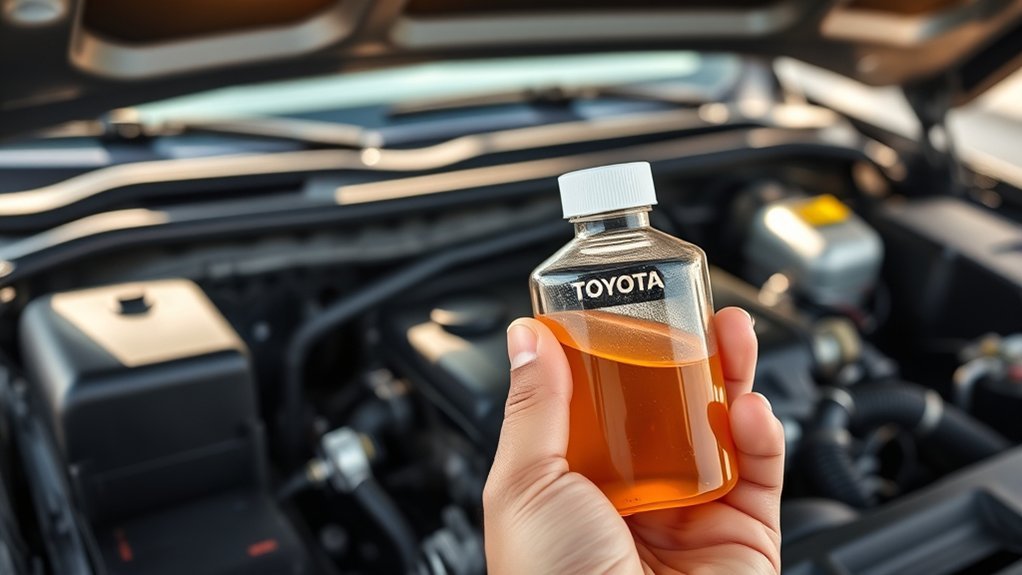
For a Toyota Tacoma with hydraulic power steering, use ATF that meets Dexron II or Dexron III. Toyota service information lists ATF Dexron II or III for hydraulic Tacoma power steering systems, and the fluid level check uses hot and cold marks on the reservoir or dipstick. If your Tacoma uses electric power steering (EPS), such as many 2024 and newer models, it does not use hydraulic power steering fluid.
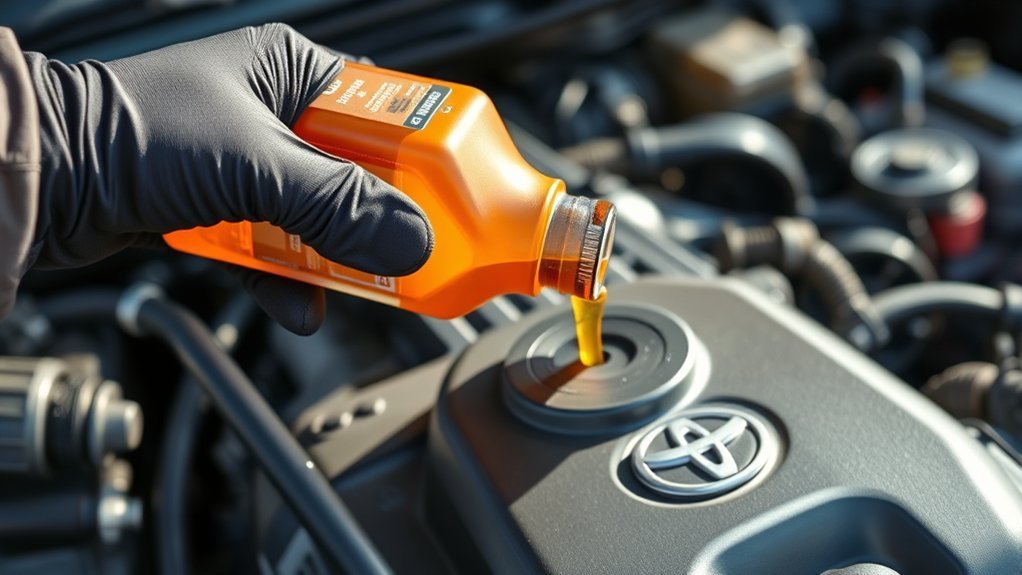
Check your owner’s manual by model year before you add fluid. Choose Toyota-specified ATF first, or use a reputable ATF that clearly lists Dexron II, Dexron III, or Dex/Merc compatibility. Avoid generic power steering fluids that do not state Dexron compatibility, and skip stop-leak additives unless a qualified technician recommends them.
Key Takeaways
- Use Dexron II or Dexron III ATF in Tacoma models with hydraulic power steering.
- Check your owner’s manual first because 2024 and newer Tacoma models may use electric power steering.
- Replace dark, burnt, cloudy, or foamy fluid before it damages the pump or rack.
- Use a common preventive service range of 50,000 to 100,000 miles, or 2 to 4 years, when your manual gives no shorter interval.
- Stop DIY work and see a shop if steering stays stiff, noisy, or unsafe after a fluid service.
Before You Start: Confirm Your Tacoma Has Hydraulic Power Steering
Open the hood and look for a power steering reservoir before you buy fluid. A hydraulic Tacoma has a fluid reservoir with hot and cold level marks, or a cap-mounted dipstick. An EPS Tacoma uses an electric assist motor instead of a hydraulic pump, so you will not service it with ATF.
This step matters because Toyota changed steering hardware on newer Tacoma models. Toyota’s 2024 Tacoma press information says both i-FORCE gas and i-FORCE MAX models use electric power steering. If your dash shows an EPS warning light or your truck lacks a fluid reservoir, do not add ATF.
When to Change Tacoma Power Steering Fluid (Intervals and Influencing Factors)
Now that you know the correct fluid, set a clear service plan. Many repair guides use 50,000 to 100,000 miles as a practical power steering fluid range when the owner’s manual does not list a shorter interval. If you drive low miles, consider a fluid refresh every 2 to 4 years.
Use that range as a guide, not a fixed rule. Towing, trail use, heat, long idle time, and stop-and-go driving can shorten fluid life. Check the fluid sooner if steering feels heavy, the pump whines, or the fluid turns dark.
- Towing or hauling adds heat and strain to the steering system.
- Off-road use exposes hoses, seals, and fluid to more dirt and heat cycles.
- City driving adds idle time and can speed up fluid oxidation.
Bright red or clear red fluid usually points to good condition. Dark brown fluid, burnt smell, cloudiness, foam, or metal particles means you should service the system soon.
How to Check Toyota Tacoma Power Steering Fluid Level and Condition
Park your Tacoma on level ground and shut the engine off. Locate the power steering reservoir near the engine bay side or firewall area, depending on your model year. Use the marks on the reservoir or the cap dipstick to compare the fluid level with the cold range.
If you check the system after driving, use the hot range instead. Toyota service information for older Tacoma models tells you to keep the vehicle level, check with the engine stopped, and use the hot or cold range based on fluid temperature. Add only the specified ATF if the level sits below the correct mark.
Check fluid color and smell at the same time. Clean ATF usually looks red, while old fluid may look brown, black, cloudy, or foamy. A burnt smell means heat has damaged the fluid, and a falling level usually points to a leak.
Warning: Do not overfill the reservoir because extra fluid can foam, leak, or make diagnosis harder.
DIY: Drain, Refill, and Simple Flush for a Tacoma (Tools, Steps, Tips)
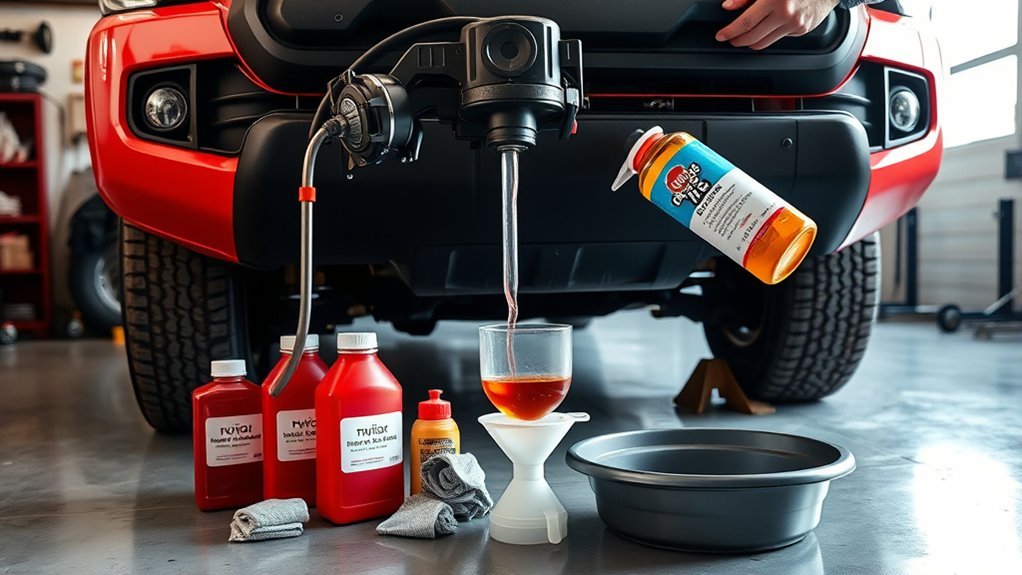
Estimated total time: 30 to 60 minutes for a reservoir refresh, or 60 to 90 minutes for a simple return-line flush.
What You’ll Need
- Dexron II, Dexron III, or Dex/Merc compatible ATF for hydraulic Tacoma models.
- A fluid syringe, turkey baster, or hand pump with small tubing.
- A drain pan and shop towels.
- Basic hand tools for hose clamps, if you plan a return-line flush.
- Nitrile gloves and eye protection.
Reservoir Drain and Refill Steps
- Park on level ground and let the engine cool enough to work safely.
- Remove the reservoir cap and note the current fluid level.
- Extract old fluid from the reservoir with a syringe or hand pump.
- Refill the reservoir with the correct ATF to the cold mark.
- Start the engine and turn the wheel gently from side to side.
- Shut the engine off, recheck the level, and top up if needed.
- Repeat the drain and refill cycle until the fluid looks cleaner.
Simple Return-Line Flush Steps
- Identify the low-pressure return hose that sends fluid back to the reservoir.
- Place a drain pan under the hose connection before you loosen it.
- Disconnect the return line and direct old fluid into the pan.
- Cap or plug the reservoir return port so fluid does not spill out.
- Add fresh ATF while a helper turns the wheel gently from side to side.
- Stop before the reservoir runs dry, because air can enter the system.
- Reconnect the return line, refill to the correct mark, and check for leaks.
Do not hold the steering wheel hard against full lock during the flush. Toyota service information warns against holding lock position for too long during pressure checks because heat and pressure can rise quickly. If the fluid foams after service, bleed the system and recheck the level.
- Use the syringe method when you want the safest home refresh.
- Use the return-line method when the fluid looks very dark.
- Use a shop when hoses look brittle, rusty, or hard to reach.
Troubleshoot Steering Issues, Risks of Neglect, and When to See a Shop
Whining while turning, a stiff wheel, leaks, or dark fluid all signal a power steering problem. Start with simple checks: confirm the fluid level, inspect hoses and clamps, and look for foam or contamination. Low or degraded fluid can raise pump wear and reduce steering assist.
If symptoms continue after a fluid refresh, get a shop to inspect pump pressure, the rack, hoses, belt condition, and trapped air. A steering problem can affect control, especially at low speeds or during parking. Do not keep driving if the wheel becomes hard to turn or the truck feels unsafe.
| Symptom | Immediate Action |
|---|---|
| Whining or groaning noise | Check fluid level, belt condition, and leaks |
| Dark or cloudy fluid | Refresh or flush fluid, then inspect for contamination |
| Foamy fluid | Bleed the system and check for air entry |
| Stiff steering | Stop driving if unsafe and schedule diagnosis |
Pro tip: Mark the reservoir level with a photo before and after service so you can spot leaks later.
Frequently Asked Questions
What Kind of Power Steering Fluid Does a Toyota Tacoma Use?
A hydraulic Toyota Tacoma uses ATF that meets Dexron II or Dexron III for the power steering system. Check your owner’s manual first because some newer Tacoma models use electric power steering and do not need hydraulic fluid.
Is Toyota ATF and Power Steering Fluid the Same?
No, ATF and power steering fluid do not mean the same thing in every vehicle. Toyota specified ATF for many hydraulic Tacoma power steering systems, so you should follow that spec instead of using a random bottle labeled power steering fluid.
Can You Use Dexron VI in a Toyota Tacoma Power Steering System?
Use Dexron VI only if the fluid label clearly states that it suits systems requiring Dexron II or Dexron III, or if Toyota guidance for your model allows it. When in doubt, choose a Dexron III or Dex/Merc compatible ATF and confirm with your manual or dealer.
Why Is My Tacoma Power Steering Fluid Foamy?
Foamy fluid usually means air has entered the system. Low fluid, loose return hoses, or a recent flush can cause this, so bleed the system and inspect for leaks.
How Often Should You Check Tacoma Power Steering Fluid?
Check the reservoir every few months, before long trips, and after heavy towing or off-road driving. Check sooner if the steering pump makes noise, the wheel feels heavy, or you see fluid under the truck.
Safety Disclaimer: This article gives general maintenance information and does not replace your owner’s manual or a qualified technician’s diagnosis. Stop driving and get professional help if your Tacoma becomes hard to steer, leaks heavily, or feels unsafe.
Conclusion
Your Tacoma needs the fluid Toyota specifies for its steering system, and many hydraulic models call for Dexron II or Dexron III ATF. Check the reservoir, watch the fluid color, and refresh old fluid before it creates pump or rack wear. Confirm your model year first because newer electric power steering systems do not use hydraulic fluid. If noise, stiffness, leaks, or foam continue after service, let a shop inspect the system before you drive farther.
References
- Tacoma Owner’s Manual, Power Steering Fluid Type, Toyota
- Toyota Tacoma Power Steering Fluid Inspection Manual, Toyota service manual excerpt, 2000
- 2024 Toyota Tacoma with i-FORCE MAX, Toyota Pressroom, 2024
- Power Steering Fluid Flush Costs and Service Guidance, Kelley Blue Book
- How to Check Power Steering Fluid and When to Change It, AMSOIL, 2022