Toyota Camry V6 Overheating on the Highway: Causes and Safe Checks
What’s in This Article
- Confirm Your Camry V6 Is Overheating on the Highway
- Emergency Steps If Your Camry Is Overheating Now
- Quick Checks You Can Do Before Visiting a Shop
- Common Highway-Speed Causes: Thermostat, Water Pump, and Radiator
- Diagnose Coolant Flow and Airlocks With Bleeding and IR Gun Checks
- Non-Invasive Tests for Head Gasket or Combustion Leaks
- Camry V6 Fans, Relays, and Sensors: When They Matter
- Repair Priorities: What to Fix First and What Can Wait
- When to Seek Professional Help
- Frequently Asked Questions
If your Camry V6 temperature gauge climbs toward the hot range at highway speed, treat it as a real warning. Highway overheating often points to poor coolant flow, weak heat transfer, low coolant, a stuck thermostat, a failing water pump, a clogged radiator, a collapsed hose, trapped air, or pressure loss. This guide shows you how to confirm the symptom, act safely, and narrow the likely cause before engine damage starts.
Quick Answer
A Camry V6 that overheats mostly on the highway usually has a coolant flow, pressure, or heat transfer problem. Start with coolant level, leaks, radiator airflow, hose condition, pressure loss, and thermostat behavior. Stop driving if the gauge keeps climbing, steam appears, coolant leaks continue, or white smoke appears after the engine warms up.
Key Takeaways
- Check coolant level only after the engine cools enough for safe inspection.
- Treat highway-only overheating as a likely flow, radiator, thermostat, pump, hose, or pressure problem.
- Use a pressure test to find leaks that may not show during a quick visual check.
- Use an infrared thermometer as a clue, not as the final diagnosis.
- Stop driving if the temperature keeps rising or if steam, leaks, or white smoke appear.
Confirm Your Camry V6 Is Overheating on the Highway

When your temperature gauge climbs above its normal range during steady highway driving, treat the warning as real until testing proves otherwise. Toyota says the engine may be overheating if the coolant temperature gauge reaches the red zone. Match the gauge behavior with clear symptoms, such as steam under the hood, a falling coolant level, a sweet coolant smell, weak cabin heat, or temperature relief when you turn the heater on high.
Watch how the gauge reacts while you drive. A steady rise during acceleration, hill climbs, or higher speeds can point to restricted coolant flow, a stuck thermostat, a weak water pump, a clogged radiator, or trapped air. A pressure test can help reveal hidden leaks, weak caps, and seal problems. If pressure testing or bubbling coolant suggests combustion gases in the system, plan a head gasket evaluation.
Emergency Steps If Your Camry Is Overheating Now
If the gauge keeps climbing while you drive, act fast and keep safety first. Slow down, turn off the air conditioner, set the heater to maximum heat, and find a safe place to pull over. Turn the engine off once you stop, then let the engine cool before you open the hood or inspect anything.
Warning: Never remove the radiator cap when the engine is hot or warm because pressurized coolant can burn you.
Look for leaks, steam, coolant odor, or fluid under the car only after the engine cools. Note the coolant color if you can see it in the overflow tank. If leaks, steam, or high temperature return after cooldown, don’t keep driving. Call roadside assistance or arrange a tow.
| Immediate action | Purpose |
|---|---|
| Slow down safely | Reduce engine heat load |
| Turn heater on high | Pull some heat from the coolant |
| Pull over and stop | Let the engine cool safely |
| Inspect after cooldown | Check for leaks, steam, or low coolant |
Quick Checks You Can Do Before Visiting a Shop
A few simple checks can help you spot the most common causes before you book a shop visit. Start with coolant maintenance. When the engine cools, check the overflow tank and radiator level if your owner’s manual allows safe access. Low coolant remains one of the most common and easiest causes to confirm.
Inspect hoses, clamps, the radiator cap area, the radiator seams, and the water pump area for visible leaks. Look for crusty residue, wet spots, split hoses, or soft hose sections that may collapse under suction. Check the radiator face for leaves, insects, mud, bent fins, or other debris that blocks airflow.
Pro tip: Take photos of leaks, coolant level, and the gauge position so the shop can diagnose the issue faster.
If you have the right tool and know how to use it, perform a cooling-system pressure test with the engine cool. This test helps find small leaks, weak caps, and pressure loss that may not appear during a quick driveway check. Record the symptoms, driving conditions, and any temperature changes before you visit the shop.
Common Highway-Speed Causes: Thermostat, Water Pump, and Radiator
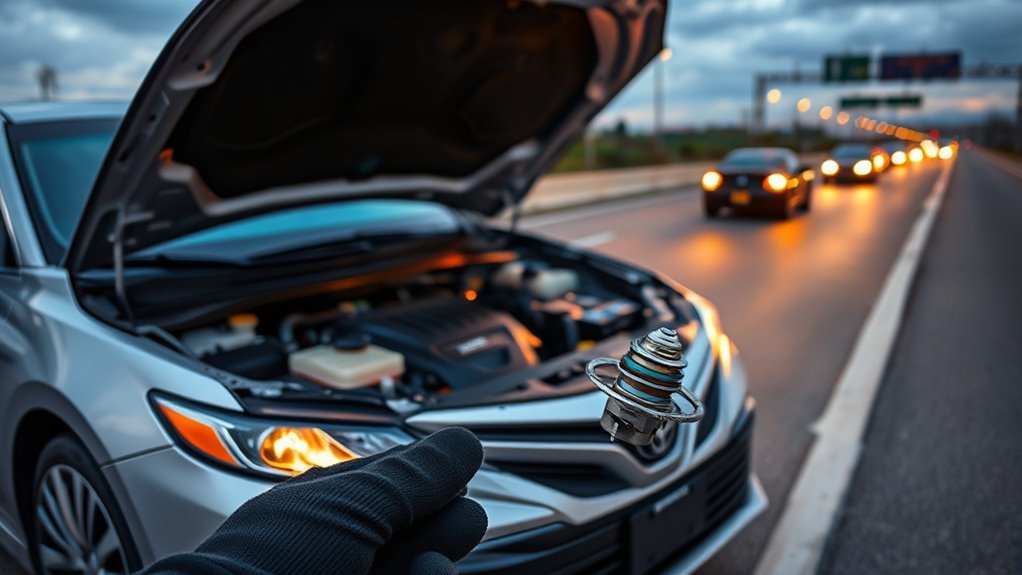
When your Camry overheats at highway speed, start with parts that control coolant flow and heat transfer. A thermostat that sticks closed or opens late can block flow through the radiator. A weak water pump, damaged impeller, loose belt, or internal restriction can reduce coolant movement when the engine works harder.
The radiator also matters. Internal clogging, bent fins, blocked airflow, or old contaminated coolant can reduce heat transfer. A small issue may stay hidden in town, then show up on the highway when the V6 makes more heat for a longer time.
[Products Worth Considering]

Ensure accurate engine cooling with Toyota's genuine water temperature sensor, designed for precise coolant monitoring and reliable performance. This OEM part fits seamlessly into your vehicle, offering durability and consistent temperature readings for optimal engine health.
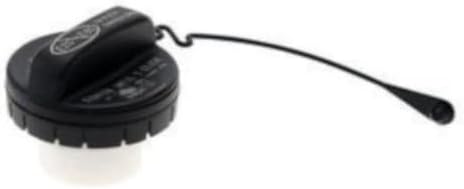
This genuine Toyota fuel tank cap assembly ensures a perfect fit for your vehicle, delivering reliable sealing and protection against fuel leaks. It meets OEM specifications, offering Toyota‑quality assurance and a manufacturer warranty for peace of mind. Ideal for drivers seeking authentic parts that maintain performance and safety.

Secure your vehicle's fuel tank with this durable ABS locking gas cap that provides a tight, waterproof seal to prevent leaks and theft. The key‑operated lock offers peace of mind while meeting OEM part numbers for a wide range of makes and models. Ideal for harsh weather conditions, it protects the tank from rust and corrosion, ensuring safe and reliable driving.
Stuck Or Faulty Thermostat
A stuck or faulty thermostat can limit coolant flow and make highway temperature climb fast. You may notice slow warm-up, sudden gauge spikes, or a temperature rise during acceleration. These symptoms suggest the valve may not open at the right time.
Use the thermostat rating for your exact Camry year and engine. Don’t judge it by one universal temperature spec. A technician can test it during a controlled warm-up or remove it for bench testing. If the thermostat sticks, replace it with the correct original equipment style part or a high-quality part that matches the factory rating.
Failing Water Pump Flow
If your Camry’s water pump loses efficiency, coolant flow drops just when engine heat rises. The thermostat and radiator can’t help enough if the pump fails to move coolant through the system. Bearing wear, impeller damage, corrosion, or belt slip can all reduce circulation.
Check for pump noise, wobble, seepage, pulley issues, and coolant movement. A shop can inspect flow, pressure, belt condition, and temperature response under load. Replace a worn pump promptly, flush contaminated coolant if needed, and verify thermostat operation after the repair.
- Verify pump condition, belt drive, and visible leakage.
- Check radiator flow and coolant condition.
- Replace the pump or thermostat if testing shows poor response.
Diagnose Coolant Flow and Airlocks With Bleeding and IR Gun Checks
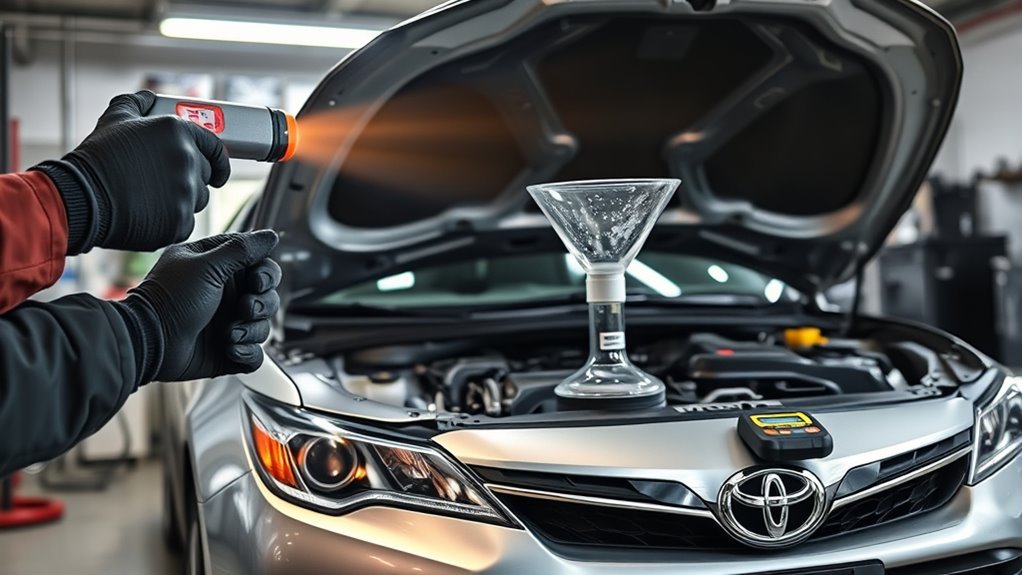
An infrared thermometer can help you compare surface temperatures across the radiator, hoses, thermostat area, and engine. Uneven hot and cold areas can suggest poor circulation, trapped air, a clogged radiator section, or a collapsed hose. Use the readings as clues, not as final proof.
Note: Surface readings can mislead you, so confirm IR gun clues with coolant level checks, pressure testing, and proper shop diagnostics.
For trapped air, follow the bleed process for your exact Camry year. In general, you warm the engine, set the heater to high, and let air escape through the correct bleed point or fill point only when safe. Watch for steady heat from the cabin vents and more even temperature readings as air leaves the system.
Inspect hoses for collapse, soft spots, and restrictions. A collapsed lower hose can limit flow at higher engine speeds. If coolant shows rust, sludge, oil, or debris, schedule a flush and deeper inspection before the restriction causes more overheating.
[Products Worth Considering]

The SCUARI Wiper Arm Removal Tool offers a durable carbon steel construction and an adjustable knob for flexible height control, making it easy to detach wiper arms on cars, SUVs, and trucks. Its rotating handle and secure locking screw ensure safe, damage‑free removal, while the compact collar fits most standard wiper arm sizes. Ideal for both DIY owners and professional mechanics seeking quick, reliable service.
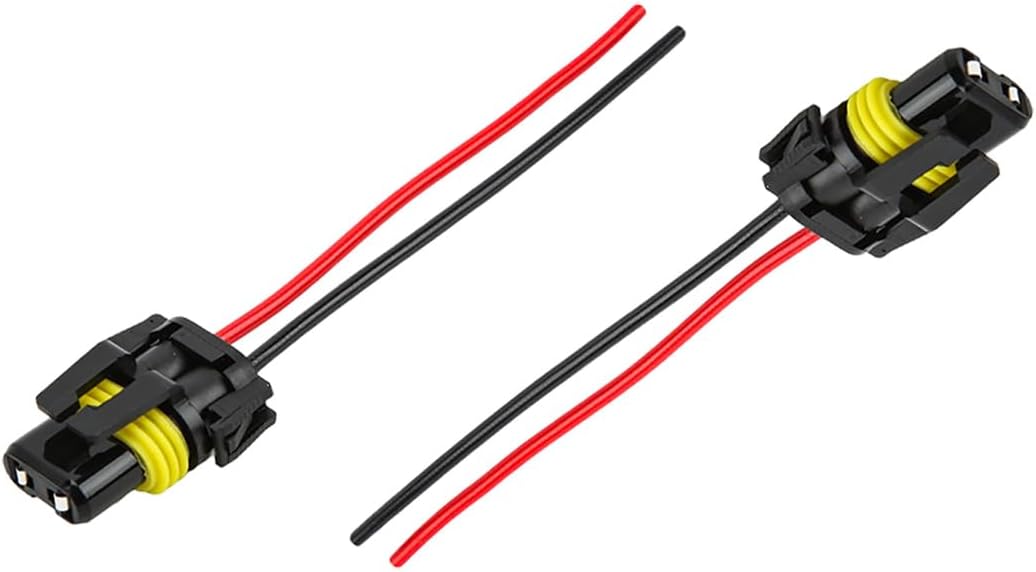
This plug‑and‑play wiring harness kit provides reliable power to headlights and fog lights on 12‑24V vehicles. Made from strong, corrosion‑resistant nylon and high‑capacity copper, it ensures stable illumination and safety. The compact, waterproof design fits multiple bulb types and offers long‑lasting durability for easy installation and maintenance.
Non-Invasive Tests for Head Gasket or Combustion Leaks
Start with a visual coolant and oil check if overheating continues after basic cooling-system repairs. Oil film in the coolant, milky engine oil, constant bubbles in the overflow tank, and white exhaust smoke can point toward a head gasket or combustion leak problem. Use these signs together, not alone.
A chemical combustion-gas test can help detect combustion gases in the cooling system. A positive result needs prompt attention because exhaust gases can raise cooling-system pressure and push coolant out. A negative result may still need follow-up if symptoms continue.
Visual Coolant Inspection
A visual coolant inspection gives you a fast, non-invasive way to screen for contamination. Look for dark coolant, oil streaks, foam, sludge, rust, or an oily film in the radiator or overflow tank. Check the dipstick and oil cap for a milky texture that may show coolant entering the oil.
- Inspect coolant color and clarity for dark residue, rust, or oil sheen.
- Watch the overflow tank for steady bubbles after the engine warms up.
- Check engine oil for a milky texture or rising oil level.
These clues don’t prove the exact failure by themselves. They tell you when chemical testing or professional diagnosis makes sense.
Combustion Gas Test
When you suspect combustion gases in the cooling system, use a combustion gas test kit according to its instructions. The test draws vapor from the radiator neck or reservoir area through a special fluid. A color change can indicate combustion gas in the cooling system.
| Test result | What it means |
|---|---|
| Fluid changes color | Combustion gases may enter the coolant |
| Fluid stays normal | The test did not detect gases at that time |
| Coolant enters tester | The test may give a false result |
| Symptoms continue | Further diagnosis still makes sense |
Ask a qualified technician to confirm any positive result. A head gasket, cracked head, or engine block issue can all create similar signs.
Oil And Exhaust Check
If you suspect a head gasket breach, check the oil and exhaust before you approve major repairs. White exhaust smoke after warm-up, coolant loss with no visible leak, milky oil, and oil in the coolant all raise concern. Pair these clues with pressure testing and a combustion-gas test.
- Chemical block test: Check for combustion gases in the cooling system.
- Coolant inspection: Look for dark, milky, rusty, or oily contamination.
- Exhaust check: Watch for white smoke that continues after the engine warms.
Camry V6 Fans, Relays, and Sensors: When They Matter
Radiator and condenser fans matter most at idle, low speed, traffic, and during heavy air conditioner use. At highway speed, airflow through the grille usually helps the radiator. Highway-only overheating often points first to coolant level, flow, radiator restriction, thermostat behavior, pump output, pressure loss, or airflow blockage.
Fan and sensor faults can still add to the problem, so don’t ignore them. Check whether the fans run when the engine warms up or when the air conditioner calls for fan operation. A failed fan motor, relay, fuse, wiring connection, or coolant temperature sensor can stop the fans from helping when the car slows down.
A scan tool can compare live coolant temperature with gauge behavior and fan commands. Restore accurate sensing and dependable fan control after you fix coolant level, leaks, and flow issues. This keeps the cooling system stable in traffic and under air conditioner load.
Note: Follow the service test for your exact Camry year before unplugging connectors or jumping fan circuits.
Repair Priorities: What to Fix First and What Can Wait
Fix the problems that can destroy the engine first. Start with coolant level, visible leaks, hose damage, radiator cap condition, and pressure loss. Low coolant and pressure leaks can trigger overheating fast, so they deserve first priority.
Start with coolant level, leaks, and pressure testing before you replace expensive parts.
- Test the thermostat and replace it if it sticks or fails to open correctly.
- Inspect the radiator for clogging, damaged fins, blocked airflow, or poor heat transfer.
- Check the water pump, drive belt, and coolant flow under operating conditions.
- Scan for diagnostic trouble codes if the gauge, sensor data, or fan commands look wrong.
Handle flow and leak repairs before cosmetic or low-risk items. After the cooling system holds pressure and moves coolant correctly, check fans, sensors, and wiring. This order helps you avoid wasted parts and protects the V6 from heat damage.
When to Seek Professional Help
Get professional help if the gauge climbs again after cooldown, coolant leaks continue, steam appears, or you see white exhaust smoke. You should also stop DIY testing if coolant mixes with oil, a combustion-gas test turns positive, or the cooling system fails a pressure test. These signs can point to expensive failures that need proper tools and safe handling.
Tow the car if the temperature rises quickly or the warning light stays on. A short drive can become an engine replacement when coolant stops circulating. A shop can test pressure, cap function, fan commands, thermostat behavior, pump output, and combustion gas signs in one visit.
Frequently Asked Questions
Why is my Toyota Camry overheating while driving?
Your Camry may overheat while driving because the cooling system can’t move heat away fast enough. Common causes include low coolant, leaks, a stuck thermostat, a weak water pump, a clogged radiator, trapped air, or a head gasket problem.
Why does my car overheat only on the highway?
Highway-only overheating often points to a coolant flow or heat transfer issue under load. Check the thermostat, water pump, radiator, lower hose, coolant level, radiator cap, and air trapped in the system.
What are common causes of overheating on a Toyota?
Common causes include low coolant, coolant leaks, thermostat failure, water pump failure, clogged radiator passages, blocked radiator fins, damaged hoses, a weak radiator cap, fan control faults, and head gasket leaks. Start with coolant level and leaks before you replace major parts.
What causes a car to overheat at high speeds?
High-speed overheating can happen when the engine creates more heat than the cooling system can reject. Restricted coolant flow, a clogged radiator, a weak pump, a stuck thermostat, trapped air, or low coolant can all cause it.
Can I drive my Camry after it cools down?
You can drive only if the temperature returns to normal, coolant level looks safe, and no leaks, steam, warning lights, or strange exhaust signs appear. If the gauge climbs again, stop driving and arrange a tow.
Safety Disclaimer: This article gives general information only and does not replace professional vehicle diagnosis. Hot coolant, steam, and pressurized cooling systems can injure you. Consult a qualified technician before you open, test, or repair a hot cooling system.
Conclusion
A Camry V6 that overheats on the highway needs fast attention because heat damage can get expensive quickly. Start with coolant level, leaks, pressure loss, thermostat behavior, water pump flow, and radiator condition. Stop driving if the gauge keeps rising or if steam, leaks, white smoke, or coolant contamination appears. With a clear test order and timely repair, you can restore safe highway driving and keep the V6 running at the right temperature.
References
- How Often to Change Engine Coolant, Toyota, accessed 2026
- Toyota Camry Owner’s Manual, Toyota, model-year manual
- How to Check Your Engine Coolant and Top It Up, The AA, 2016
- Why Pressure Test an Engine Cooling System?, Mobile Air Climate Systems Association, 2010
- What Should I Do If My Car Is Overheating?, RAC, 2026