A Camry misfire can turn a smooth engine into a rough, weak, and risky drive. You may feel shaking at idle, sputtering, poor power, worse fuel economy, or see a flashing check engine light. Use an on-board diagnostics II (OBD-II) scanner, inspect the spark plugs and ignition coils, then confirm the bad cylinder before you replace parts.
What’s in This Article
- Camry Misfire Symptoms: What to Look and Listen For
- Quick Triage: Rule Out Plugs, Wiring, and Fuel in Minutes
- Camry P030x Codes: Read and Interpret Scanner Data
- Confirm the Misfiring Cylinder With Safe Tests
- Swap Ignition Coils to Isolate a Bad Coil on a 2007 Camry
- Repair Checklist: Replace Coil, Plugs, Check Injector and Compression
- When to Stop Driving and Call a Mechanic
- Preventive Maintenance: Tips to Avoid Future Camry Misfires
- Frequently Asked Questions
- Conclusion
Quick Answer
A Toyota Camry misfire often comes from a worn spark plug, weak ignition coil, bad coil boot, fuel injector fault, vacuum leak, or low compression. Start with an OBD-II scan, check the plug and coil on the coded cylinder, then swap the coil with another cylinder while the engine is off. If the misfire follows the coil, replace the coil. If it stays on the same cylinder, test fuel, wiring, vacuum leaks, and compression.
Key Takeaways
- Scan the Camry first, because P030x codes help identify the cylinder with the misfire.
- Check spark plugs, coil boots, wiring, and connectors before replacing expensive parts.
- Swap ignition coils with the engine off to see whether the misfire follows the coil.
- Stop driving if the check engine light flashes, because severe misfires can damage the catalytic converter.
- Test injectors, vacuum leaks, and compression if the plug and coil do not fix the issue.
Camry Misfire Symptoms: What to Look and Listen For

How can you tell if your Camry has a misfire? You may feel a rough idle, shaking, sputtering, or popping from the engine. You may also notice weak acceleration, poor fuel economy, fuel smell from the exhaust, or hard starts.
A flashing check engine light points to a more serious misfire. Stop driving when you can do so safely, because unburned fuel can overheat and damage the catalytic converter. A steady check engine light still needs diagnosis, but it usually gives you more time to inspect the problem.
Use a code reader to check for P0300 or P030x codes. P0300 means random or multiple misfires. Codes such as P0301, P0302, P0303, or P0304 point to a specific cylinder.
Warning: Do not keep driving with a flashing check engine light, because severe misfires can damage the catalytic converter.
Quick Triage: Rule Out Plugs, Wiring, and Fuel in Minutes
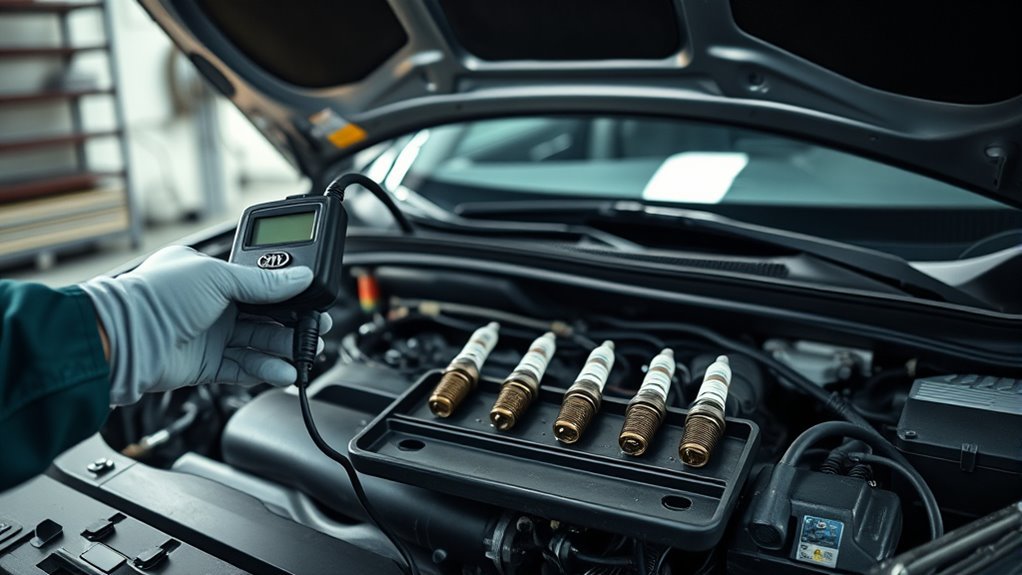
Start with the simple checks before you test deeper engine faults. Pull the spark plug from the coded cylinder and inspect it for wear, fouling, cracks, oil, or a wrong gap. Then check the coil boot, connector, and nearby wiring for heat damage, corrosion, loose pins, or arcing marks.
Next, check fuel delivery on the same cylinder. A fuel injector needs battery voltage on one side and a pulsed ground signal from the engine control module on the other side. Use a multimeter, noid light, or scan tool data when you know how to test the circuit safely.
Inspect Spark Plug Condition
If your Camry runs rough or stores a cylinder code, inspect the spark plug before deeper diagnostics. Look for cracked porcelain, heavy carbon, oil fouling, worn electrodes, or burned tips. Measure the gap and compare it with the correct specification for your engine.
Replace the plug if it shows clear wear or damage. If one plug looks much worse than the others, note that cylinder and keep testing. Oil fouling, coolant marks, or heavy fuel smell can point beyond the plug itself.
Check Ignition Wiring
Before you test the injector or engine control module, inspect the ignition wiring. Follow the harness near each coil and look for cuts, brittle insulation, loose connectors, corrosion, or heat damage. Flex the connector gently and check whether the pins fit tightly.
Use a multimeter to check grounds and continuity when the visual check does not show the problem. Poor grounds and loose connectors can cause an intermittent misfire that comes and goes. Repair damaged wiring, secure each connector, then rescan the Camry.
Verify Fuel Injector Power
When you suspect an injector-related misfire, backprobe the injector connector while cranking the engine. One terminal should show battery voltage, and the other should pulse to ground from the engine control module. Do not force probes into connectors, because spread terminals can create new faults.
- Backprobe the connector during crank and check for battery voltage.
- Use a noid light or scan data to confirm injector pulse.
- Listen for a steady injector click with a mechanic’s stethoscope.
- Check injector resistance if the service data gives a test range.
- Inspect the harness for corrosion, broken wires, or loose terminals.
Note: Injector voltage tests can vary by engine and wiring design, so use service data for your exact Camry year and engine.
Camry P030x Codes: Read and Interpret Scanner Data
Connect your OBD-II scanner and read stored, pending, and freeze-frame codes. Freeze-frame data shows the conditions when the code set, such as engine speed, load, coolant temperature, and fuel trims. This helps you see whether the misfire happens at idle, under load, during cold starts, or at highway speed.
Do not clear the codes before you record them. Once you clear the codes, you lose useful clues. After the repair, clear the codes and watch live misfire data during a test drive.
Reading Scan Tool Data
If your Camry stores P0302, the scanner points you toward cylinder two. Check live data for fuel trims, oxygen sensor activity, engine speed, and misfire counters. The pattern helps separate ignition, fuel, air leak, and mechanical faults.
- Verify the misfire count on the coded cylinder.
- Compare fuel trims at idle and under light throttle.
- Review coolant and intake air temperature in freeze-frame data.
- Check whether the misfire appears only under load.
- Record the data before you replace parts.
Good scan data saves time. It also helps you avoid replacing parts that still work.
Interpreting Misfire Counts
A P030x code identifies the affected cylinder, but the misfire count shows how often the fault happens. A few scattered counts may point to an intermittent fault. Fast-rising counts on one cylinder usually show a steady failure.
Track counts at idle, cruise, and load. If the count rises at idle, check plugs, coils, injectors, vacuum leaks, and compression. If the count rises under load, suspect a weak coil, worn plug, fuel issue, or compression problem.
Confirm the Misfiring Cylinder With Safe Tests
Confirm the bad cylinder before you buy parts. Start with the scan code, then inspect the matching plug and coil. If the fault seems ignition-related, swap the ignition coil with a known-good cylinder while the engine is off.
Restart the engine and rescan. If the code moves to the cylinder that received the suspect coil, the coil likely failed. If the misfire stays on the same cylinder, continue with the plug, injector, wiring, vacuum leak, and compression tests.
- Read all stored and pending OBD-II codes before clearing anything.
- Inspect the spark plug, coil boot, connector, and wiring on the coded cylinder.
- Swap the suspect coil with a known-good cylinder while the engine is off.
- Restart the engine, rescan, and check whether the misfire moved.
- Test injector power, vacuum leaks, and compression if the misfire stays put.
Avoid unplugging ignition coils or injectors while the engine runs unless a repair manual calls for that test. Modern ignition systems can produce high voltage, and rough testing can damage parts or create false results.
Swap Ignition Coils to Isolate a Bad Coil on a 2007 Camry
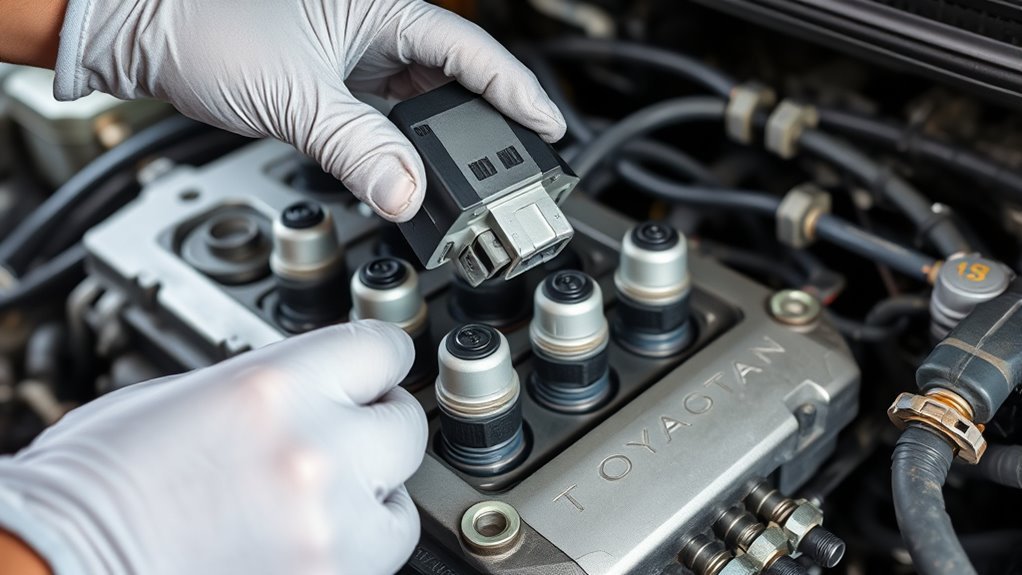
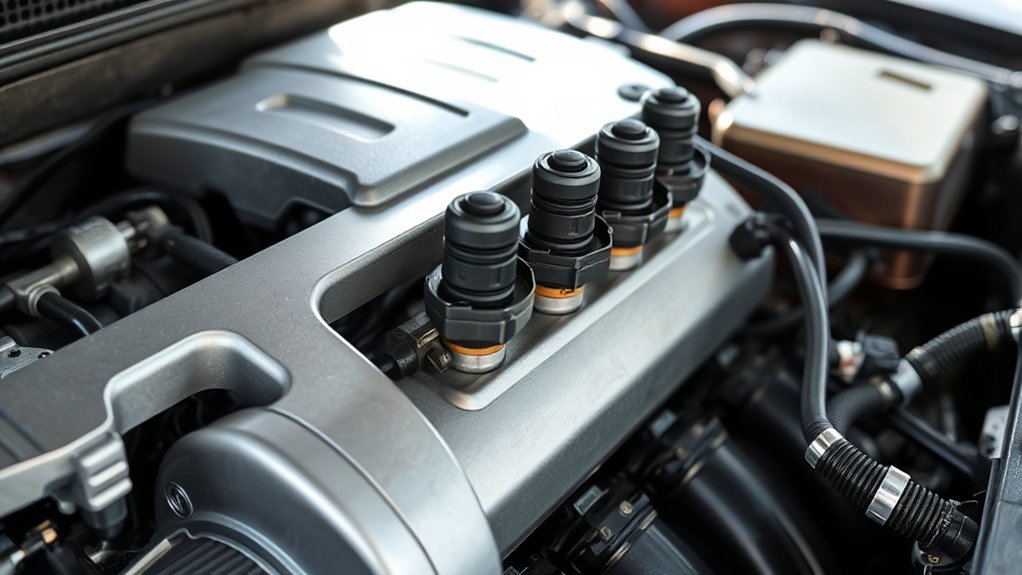
A coil swap works well on a 2007 Camry because each cylinder uses its own coil-on-plug unit. Turn the engine off, remove the key, and let the engine cool. Move the suspect coil to another cylinder, then move the known-good coil into the original spot.
After the swap, start the Camry and rescan for codes. If P0302 changes to P0303 after you move the coil from cylinder two to cylinder three, the coil likely caused the misfire. Replace the failed coil and inspect the matching spark plug, because a worn plug can stress a new coil.
If the misfire does not follow the coil, do not keep replacing coils. Test the plug, injector, connector, intake leak, and compression on that cylinder. This keeps the repair focused and prevents wasted parts.
Pro tip: Label each coil before a swap so you can track exactly where the misfire moves.
Repair Checklist: Replace Coil, Plugs, Check Injector and Compression
Begin with the part your tests identified. If the coil swap moved the misfire, replace the bad ignition coil. Seat the coil fully, lock the connector, and check the boot for oil, carbon tracking, or cracks.
If the spark plug looks worn, fouled, cracked, or incorrectly gapped, replace it with the correct plug for your Camry engine. Use the proper torque and avoid over-tightening. A damaged plug thread can turn a simple repair into a costly one.
Replace the failed part only after the test confirms it, then rescan and monitor misfire counts to verify the repair.
- Replace the ignition coil if the misfire follows it during a coil swap.
- Replace the spark plug if it has wear, fouling, damage, or the wrong gap.
- Test the injector for power, pulse, resistance, and clicking sound.
- Check for vacuum leaks near the intake manifold and hoses.
- Run a compression test if ignition and fuel checks pass.
- Clear the codes, drive the Camry, and watch for returning misfire counts.
When to Stop Driving and Call a Mechanic
Stop driving if the check engine light flashes, the engine shakes hard, or the Camry loses power in traffic. You should also stop if you smell raw fuel, hear loud knocking, or see smoke. These signs can point to a serious fuel, ignition, or mechanical fault.
Call a mechanic if the misfire returns after new plugs and coils. You may need a smoke test, injector balance test, compression test, leak-down test, or deeper wiring diagnosis. A shop can also check engine control module signals with tools most owners do not have.
Preventive Maintenance: Tips to Avoid Future Camry Misfires
After you fix the immediate misfire, keep the Camry on a steady maintenance plan. Replace spark plugs at the interval listed for your engine and driving conditions. Inspect coil boots, connectors, and wiring whenever you service the plugs.
Use quality fuel from a busy station and address fuel trim codes early. Keep air filters, vacuum hoses, and intake boots in good shape, because air leaks can lean out one or more cylinders. Scan for pending codes before a small issue becomes a rough-running engine.
Log each repair, code, and test result. A simple record helps you spot repeat failures and compare symptoms over time. It also gives a mechanic better clues if the problem returns.
Frequently Asked Questions
How do you find out what’s causing a Camry misfire?
Read the diagnostic code first, then inspect the plug, coil, wiring, injector, and vacuum lines on the coded cylinder. Swap the ignition coil with another cylinder while the engine is off. If the misfire follows the coil, replace the coil.
Can you drive a Camry with a misfire?
You should avoid driving if the check engine light flashes or the engine shakes hard. A severe misfire can send unburned fuel into the exhaust and damage the catalytic converter. If the light stays steady and the car runs mostly normal, drive only as needed before diagnosis.
What does P0302 mean on a Toyota Camry?
P0302 means the engine computer detected a misfire on cylinder two. The code does not prove the coil or plug failed by itself. You still need to inspect the plug, coil, injector, wiring, vacuum leaks, and compression.
Why does my Camry misfire only at idle?
An idle-only misfire can come from a vacuum leak, dirty injector, weak spark, carbon buildup, or low compression. Check fuel trims at idle and under light throttle. If trims improve off idle, look closely for intake leaks.
Should you replace all coils or only the bad one?
You can replace only the failed coil if the others test well and the budget is tight. If the coils are old and one has failed, replacing the full set may reduce future labor. Always replace worn spark plugs before they strain new coils.
Conclusion
A Camry misfire needs a clear test path, not guesswork. Scan the codes, confirm the affected cylinder, inspect the plug and coil, then test fuel, vacuum, wiring, and compression if needed. Replace the part your tests prove faulty, then clear the codes and monitor live data. A careful diagnosis helps your Camry run smooth again and keeps the same misfire from coming back.