If your Toyota Camry’s check engine light is flashing, stop driving immediately and pull over—this usually means a misfire that can ruin the catalytic converter. You’ll want an OBD‑II scan to capture DTCs (for example P0301) and a focused inspection of spark plugs, ignition coils, and fuel injectors. Don’t substitute parts blindly; test or swap coils and document results. If you keep going you’ll find step‑by‑step diagnostic and repair guidance to resolve the fault.
What a Flashing Check Engine Light Means for Your Camry
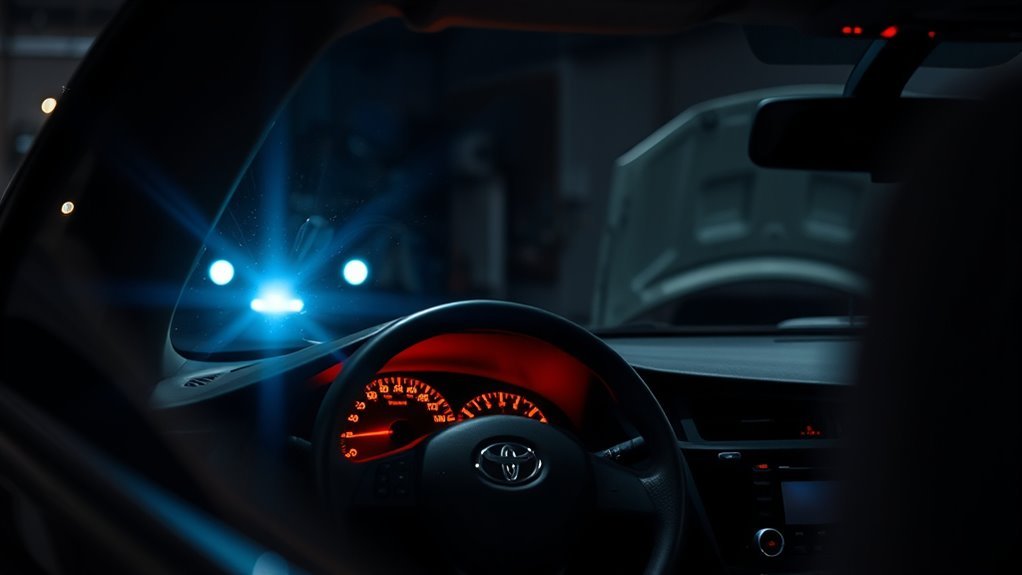
If your Camry’s check engine light is flashing, it indicates a serious problem—usually an engine misfire—that needs immediate attention because continued driving can damage the catalytic converter and other components. You’ll want to treat this as an urgent engine diagnostics issue: a flashing light often stems from faulty spark plugs, bad ignition coils, or clogged fuel injectors. Scan the car for DTCs like P0301 to pinpoint which cylinder’s misfire is occurring; the code directs your next steps. Limit driving distance and get a professional to interpret codes and run compression and coil tests to avoid cascading damage. Follow maintenance tips that free you—replace worn spark parts, clean injectors, and keep fuel and air systems serviceable so one small fault doesn’t trap you into bigger repairs. Acting fast preserves performance, prevents costly catalytic converter replacement, and keeps your Camry reliable for the trips that matter.
Safety Check: Can You Keep Driving? (When to Stop and Tow)
When should you stop and call for a tow? You’ll pull over and stop immediately if the check engine light is flashing—this signals a severe engine misfire that can destroy the catalytic converter. Follow safety precautions: move to a safe shoulder, turn off the engine, and avoid further driving.
| Symptom | Action |
|---|---|
| Flashing CEL | Stop, tow |
| Vibrations | Stop, tow |
| Loss of power | Stop, tow |
| Stalling feel | Stop, tow |
| Solid CEL only | Limited driving OK, assess |
If you feel vibrations, loss of acceleration, or imminent stalling, don’t gamble with freedom—you’ll tow to prevent catastrophic damage. A flashing light isn’t a minor alert; it demands immediate engine diagnostics by a professional. If you’re uncertain, err on caution and call for a tow. That preserves your vehicle’s longevity and your independence from expensive repairs later.
DIY Triage: Scan Codes, Check Gas Cap, Plugs, and Coils
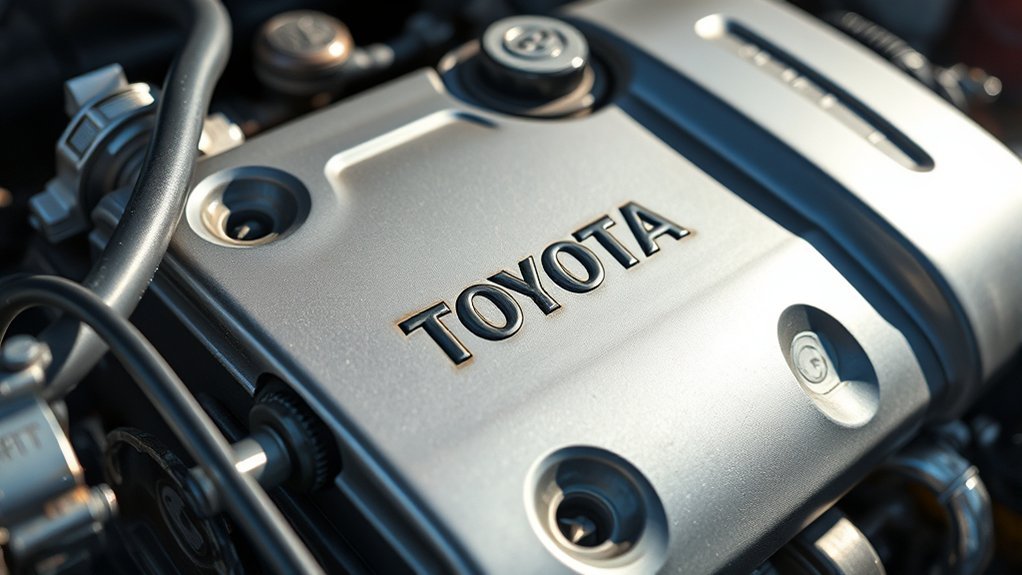
After you’ve stopped or decided limited driving is safe, start a quick DIY triage to narrow the cause: plug in an OBD-II scanner and record any DTCs, then physically inspect the gas cap for tightness and damage, pull and visually check spark plugs for fouling or electrode wear, and test or swap ignition coils to confirm firing integrity. Use portable diagnostic tools to read codes, freeze-frame data, and live misfire counters; log codes before clearing so you don’t lose evidence. If the gas cap won’t seal or the seal is cracked, replace it—it’s a free, liberating fix that eliminates a common false alarm. Remove plugs with the proper socket; look for carbon, oil, or burnt electrodes and replace to spec. For coils, swap a suspect coil with an adjacent cylinder: if the misfire moves, you’ve isolated an ignition issue. Throughout, work methodically, document findings, and avoid guessing—data forwards your freedom to fix it.
Common Camry Causes: Misfires, O2 Sensors, and Catalytic Issues
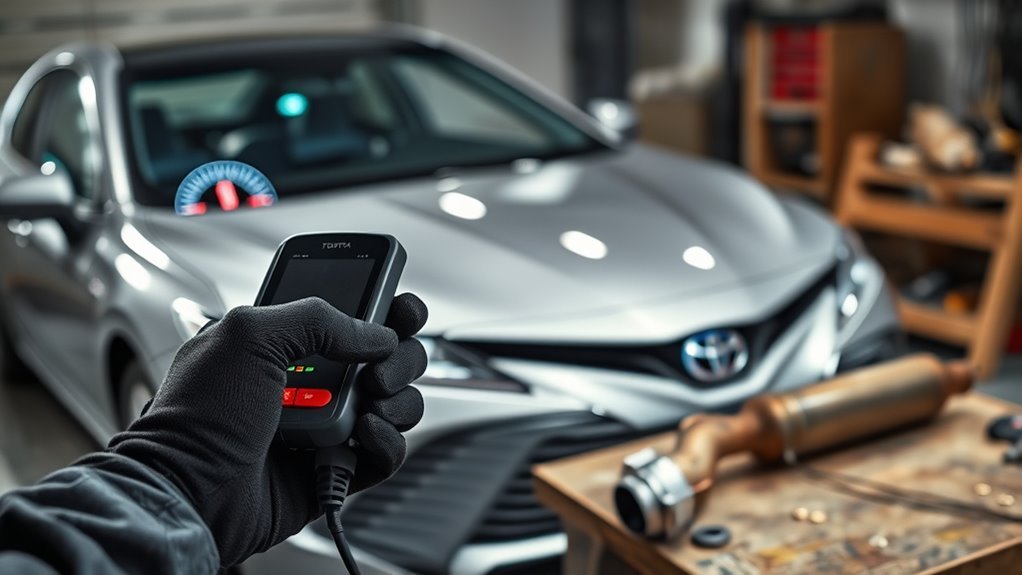
Because a Camry’s check engine light often points to combustion or emissions faults, start by focusing on misfires, oxygen sensors, and the catalytic converter. A flashing CEL usually signals a misfire that can damage the engine quickly, so act fast. Misfires stem from worn spark plugs, failed coils, or clogged injectors; prioritize spark plug maintenance and use ignition coil testing to confirm coil faults before swapping parts.
Malfunctioning O2 sensors throw codes that reveal lean/rich conditions and degrade fuel economy and emissions control; replace sensors that show slow response or out-of-range voltages. A clogged or failing catalytic converter will set codes and restrict exhaust flow, reducing power and efficiency—diagnose backpressure and monitor downstream O2 sensor readings for signs of converter failure. Regular diagnostic scans give specific trouble codes so you can target repairs and avoid unnecessary parts replacement. Take decisive, informed steps to restore performance and reclaim control of your Camry.
Repair Roadmap: Test First, Then Replace Coils, Plugs, Injectors, EGR
Start by scanning the ECU for stored codes to pinpoint the fault. Use those codes to focus your ignition diagnostics and injector testing: P030x misfire codes tell you which cylinder to inspect. Don’t swap parts blindly — test coils with an ohmmeter or scope, and replace any that fail under load to prevent catalytic damage. Pull and inspect spark plugs; worn electrodes or fouled gaps mandate replacement, especially on high-mileage Camrys. For fuel delivery, perform injector testing: check resistance, spray pattern, and for leaks; contaminated or leaky injectors must be serviced or swapped. Evaluate the EGR valve and passages for carbon buildup and correct operation; a stuck EGR can cause unstable combustion and recurring misfires. Follow a test-first, replace-as-needed workflow so you conserve resources and restore performance efficiently. You’ll reclaim control over the repair process and avoid unnecessary parts changes while ensuring emissions and drivability are corrected.
Camry Repair Costs, When to Tow, and Working With Your Mechanic
Repair decisions hinge on clear, quick diagnostics: expect a standard flashing check-engine diagnosis to cost about $88–$111, though some dealers or shops might waive that fee during a multi-point inspection. You’ll use that diagnosis to set a realistic repair budget and avoid guessing. A flashing CEL signals severe misfire risk—tow it instead of driving to prevent catalytic converter damage and larger bills. Common failures include spark plugs, ignition coils, or clogged injectors; a certified mechanic will pull codes, run targeted tests, and propose prioritized repairs so you control costs.
When you work with a mechanic, insist on written estimates, parts lists, and labor times; demand transparency and the option to source parts. Apply maintenance tips: replace plugs and coils per schedule, keep fuel system clean, and inspect ignition components after failures to reclaim vehicle autonomy. Towing, prompt professional diagnosis, and disciplined maintenance minimize downtime and protect your financial and mechanical freedom.
Frequently Asked Questions
Can a Flashing Check Engine Light Be Fixed?
Yes — you can often fix it: Flashing light causes like misfires need urgent attention. Quick fixes include checking spark plugs, coils, and connectors, but you’ll want diagnostics and professional repair to prevent catastrophic catalytic converter damage.
Conclusion
A flashing check-engine light on your Camry means an active misfire that can damage the catalytic converter—don’t ignore it. Stop driving if you smell fuel, lose power, or the engine runs rough; otherwise drive slowly to a scanner. Scan codes first, then methodically test coils, plugs, injectors, and sensors before replacing parts. Treat diagnostics like a checklist: accurate tests beat guesses. Tow if safety or emissions are compromised; get a qualified mechanic when in doubt.