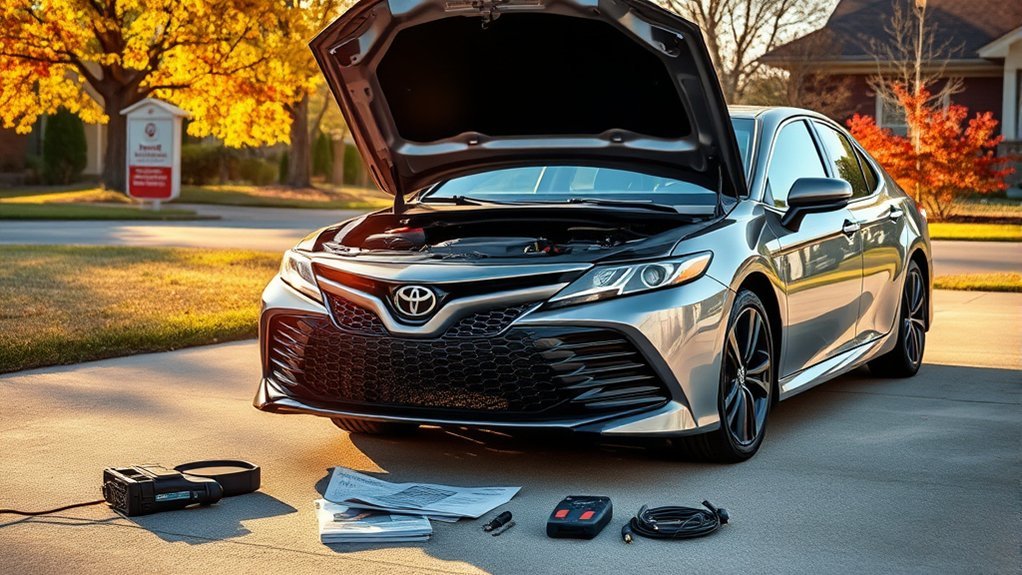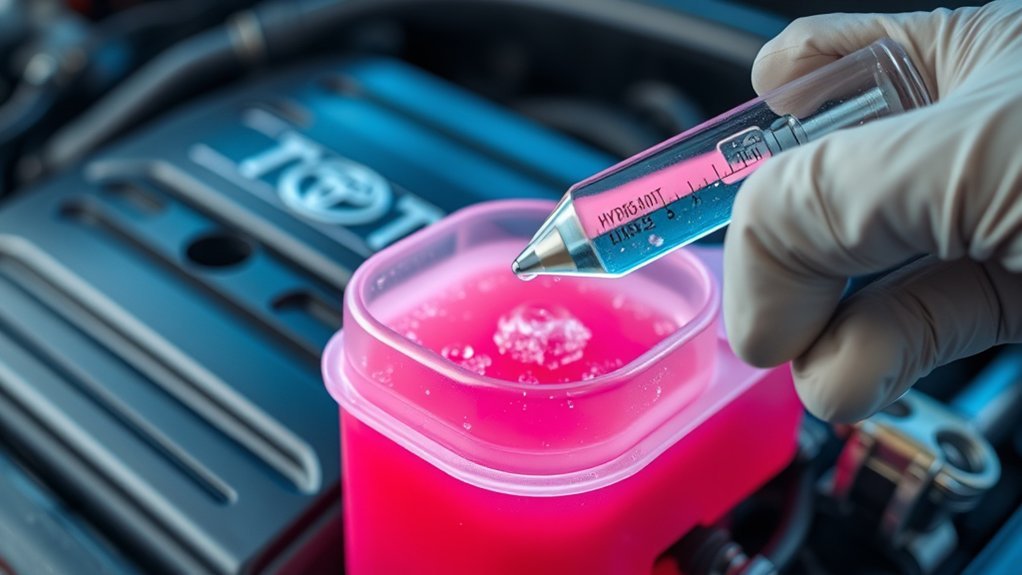
Toyota Camry Rainwater Leaks and Wet Carpet Causes
What’s in This Article
- Symptoms and Likely Causes of Wet Camry Carpet
- Before You Begin: Tools and Safety Checks
- Confirm the Leak: Quick Checks to Locate Water in a Camry
- Check and Clear the Camry A/C Drain Tube
- Inspect Camry Sunroof and Pillar Drains
- Quick DIY Fixes to Dry Carpets and Stop Leaks
- When to See a Shop or Dealer
- Frequently Asked Questions
Wet carpet in your Toyota Camry usually means water has found a path past a drain, seal, or heating, ventilation, and air conditioning (HVAC) outlet. The wet area matters, because rain leaks, sunroof drain clogs, and air conditioning (A/C) condensate problems often leave different clues. This guide helps you test the source, dry the carpet, fix common drain issues, and decide when a shop should inspect the car.
Quick Answer
If your Toyota Camry has wet carpet, start with the simplest checks: floor location, smell, recent weather, sunroof drains, windshield seals, door seals, and the A/C drain. Rain after a storm points toward body seals or sunroof drains, while water after A/C use points toward the condensate drain. Dry the carpet within 24 to 48 hours, then get professional diagnostics if the leak returns or you smell coolant.
Key Takeaways
- Check where the carpet feels wet before you remove trim or use sealant.
- Test sunroof drains, windshield seals, door seals, and the A/C drain before you blame the carpet.
- Dry the carpet and padding fast to reduce musty odors and mold risk.
- Watch for sweet coolant smell, oily film, or low coolant, because those signs point beyond rainwater.
- Get a shop inspection if water reaches wiring, returns after cleaning drains, or follows a body seam.
Symptoms and Likely Causes of Wet Camry Carpet
Start with the symptom that you can prove. A wet driver-side floor after rain often points toward a windshield seal, door seal, cowl area, or sunroof drain path. A wet passenger-side floor after A/C use often points toward the evaporator drain tube.
| Symptom | Likely Source | First Check |
|---|---|---|
| Wet floor after heavy rain | Windshield, cowl, door seal, or sunroof drain | Use a hose test and watch where water first appears. |
| Wet floor after using A/C | Blocked or disconnected A/C drain | Run the A/C and check for a steady drip under the car. |
| Musty smell with damp padding | Moisture trapped under carpet | Lift the mat and press the carpet backing. |
| Sweet smell, greasy film, or low coolant | Possible heater core or coolant leak | Check coolant level and get a cooling-system diagnosis. |
For some 2018 Camry and Camry Hybrid vehicles, Toyota published a technical service bulletin about musty odor or wetness in the right front floor area. The bulletin points technicians toward specific cowl and apron sealer checks, so owners with that model year should ask a dealer or shop to check whether the bulletin applies.
Before You Begin: Tools and Safety Checks
You can check many water leaks with basic tools, but you should avoid pulling pillar trim unless you know how to work near side curtain airbags. Gather a flashlight, towels, a wet/dry vacuum, a small cup of clean water, flexible plastic line, gloves, and a fan or dehumidifier. Skip harsh force, metal picks, and high-pressure air inside small drain hoses.
Warning: If you find soaked wiring, warning lights, coolant smell, or water near airbag trim, stop DIY work and book a professional inspection.
Before you add any sealant, clean and test the area first. Sealant can trap water if you place it over the wrong seam or drain outlet. Use temporary towels and controlled water testing so you can prove the leak path.
Confirm the Leak: Quick Checks to Locate Water in a Camry
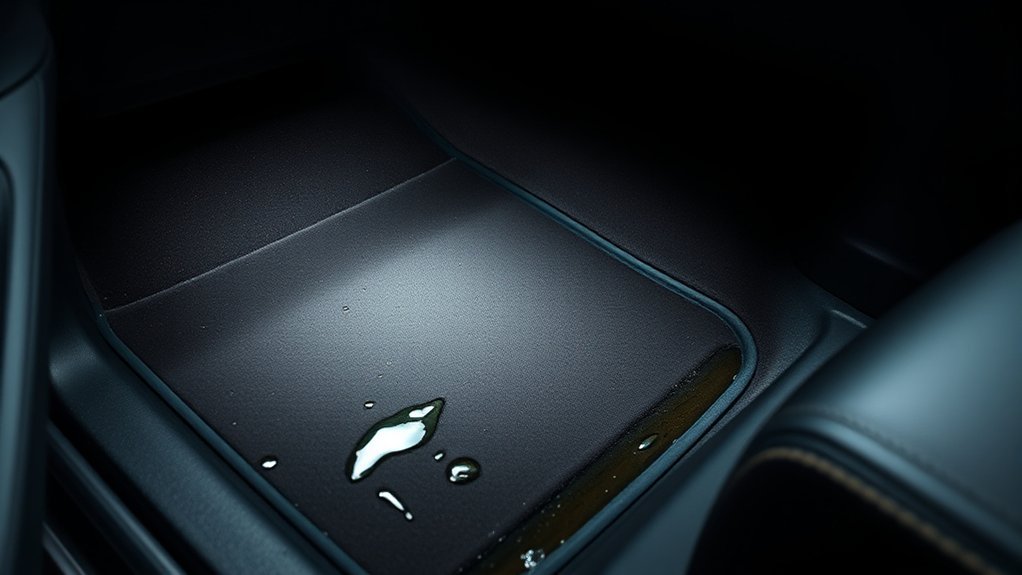
If you’re tracking down rainwater in a Camry, start with the driver-side front floorboard and the passenger-side floorboard. Remove the mat, press the carpet backing, and feel under the seat rails. Damp padding or a musty odor means water has reached below the carpet face.
Next, test one area at a time. Close the doors and windows, then run a gentle stream of water over the windshield edge, cowl area, door frame, and roof opening if your Camry has a sunroof or moonroof. Keep a flashlight inside the cabin and watch the firewall, kick panel, A-pillar trim, and lower door area.
Check the windshield perimeter and door seals for gaps, loose molding, cracked adhesive, or dirt packed under weatherstripping. If water appears near the dash after you wet the cowl, stop the test and document the exact spot with photos. Clear notes help a shop confirm the source faster.
Note: Clear water usually points to rainwater or A/C condensation, while colored fluid, oily feel, or sweet smell points toward coolant.
Check and Clear the Camry A/C Drain Tube (Stop Floor Pooling)
After you locate where water collects, check the Camry’s A/C drain tube. A blocked drain can cause passenger-side pooling, damp carpet, sloshing sounds, and musty smells. Most vehicles route the A/C drain under the passenger side near the firewall and evaporator housing, but the exact outlet can vary by model year.
Run the A/C for several minutes in humid weather, then look under the car for a steady drip. If you don’t see water dripping outside and the cabin floor keeps getting wet, inspect the outlet for dirt, leaves, road debris, or insects. Use a flexible plastic line or a short burst of low-pressure air from the outlet side only.
Work gently so you don’t push debris deeper into the evaporator case or disconnect the drain hose. After clearing the tube, run the A/C again and confirm that water drips outside the car. If the carpet still gets wet after the drain flows, return to rainwater testing and body-seal checks.
Inspect and Clear Camry Sunroof and Pillar Drains (If Equipped)
If your Camry has a sunroof or moonroof, check the corner drain paths before you blame the glass seal. Sunroof assemblies often let small amounts of water enter the tray, then drain that water through small hoses. When leaves, pine needles, or dirt block those paths, water can overflow into pillar trim and floor areas.
Open the roof glass if it works, then look for drain openings near the corners of the tray. Pour a small amount of clean water into one corner at a time and watch for discharge under the car. Slow flow, bubbling, or water backing up into the tray tells you the drain needs cleaning.
Use flexible plastic line instead of stiff wire when possible. Avoid widening the hose, puncturing it, or blowing a hose loose behind the pillar trim. If water appears near the headliner, pillar trim, or dash during the test, stop and let a shop inspect the drain hose connection.
Pro tip: Park away from trees when you can, because leaves and needles can clog roof and cowl drains fast.
Quick DIY Fixes and Tools to Dry Carpets and Block Leaks Now
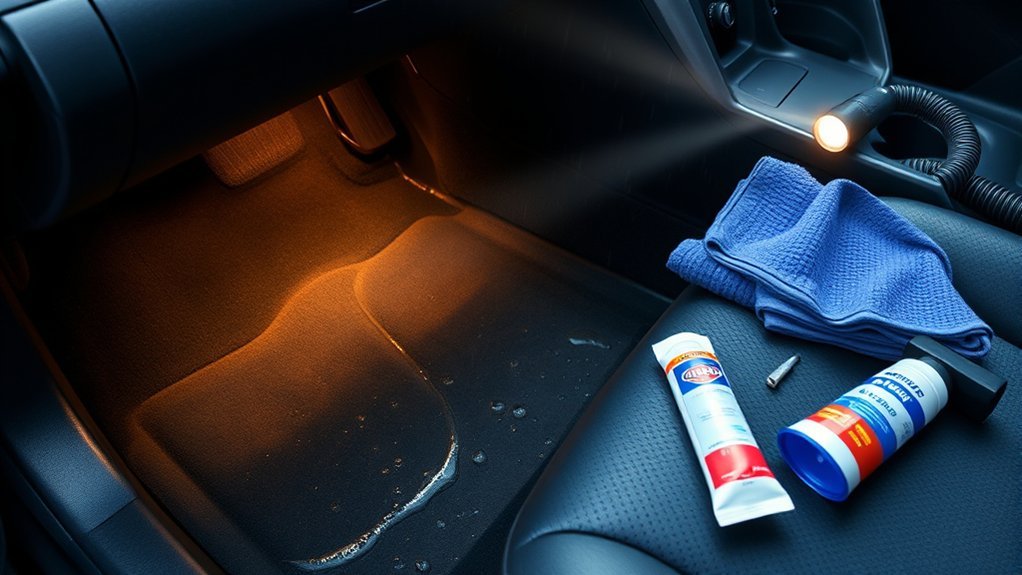
Grab a wet/dry vacuum and remove standing water from the carpet and mats right away. The U.S. Environmental Protection Agency says wet or damp items usually need drying within 24 to 48 hours to limit mold growth. Pull up removable mats, blot seams, and focus on low spots under the pedals and seats.
Use fans, open doors in dry weather, and run a dehumidifier near the cabin when you can do so safely. If the carpet pad feels soaked, surface drying may not be enough. A shop may need to lift or remove the carpet so the padding and floor pan can dry fully.
After you dry the cabin, clear sunroof corner drains, inspect cowl drains, and test the A/C drain. Check windshield and door seals for gaps, but avoid permanent sealant until you prove the leak path. A small seal gap can look obvious and still not cause the leak you see.
When to See a Shop or Dealer: Costs, Diagnostics, and What to Expect
If you find water pooling after heavy rain or after A/C use, get professional help when basic drain checks don’t solve it. Water can travel behind trim before it reaches the carpet, so the wet spot doesn’t always sit below the leak source. Shops can use controlled water testing, trim inspection, borescopes, and vehicle-specific repair information to find hidden paths.
Ask the shop to document the leak source, not just dry the floor. A clear estimate should list the failed seal, disconnected drain, clogged outlet, missing seam sealer, damaged weatherstrip, or HVAC drain problem. Labor cost depends on how much trim, carpet, or dash access the technician needs.
Dealer inspection makes sense if you own a 2018 Camry or Camry Hybrid with right-front floor wetness or musty odor, because Toyota’s bulletin T-SB-0042-18 covers a specific water-entry condition for certain vehicles. A dealer can check production details and repair criteria. For older or different Camry years, a qualified independent shop can still perform a full leak test.
Frequently Asked Questions
Why does my car carpet get wet when it rains?
Your carpet gets wet during rain when water passes a body seal, cowl area, door seal, windshield edge, or sunroof drain path. Start with a controlled hose test and watch where water first appears inside the cabin.
Why is my Toyota Camry leaking water?
Your Toyota Camry may leak water because a drain has clogged, a seal has failed, or the A/C drain has stopped sending condensation outside. Driver-side wetness often points toward rainwater entry, while passenger-side wetness after A/C use often points toward the condensate drain.
Why is water coming up through my carpet after rain?
Water may seem to come up through the carpet because the padding underneath has already soaked up moisture. Press the carpet backing, lift removable trim only if you can do it safely, and dry the pad before mold or odor spreads.
Can a clogged A/C drain make a Camry floor wet?
Yes. A clogged A/C drain can force condensation back into the cabin instead of letting it drip under the vehicle. Run the A/C and check for outside dripping before you assume the leak comes from rain.
When should I worry about coolant instead of water?
Worry about coolant if the wet area smells sweet, feels slick, leaves an oily film on the glass, or comes with low coolant. Those signs can point toward a heater core or cooling-system leak, which needs prompt diagnosis.
Conclusion
A wet Camry carpet needs two fixes: stop the leak source and dry the floor all the way down to the padding. Start with simple clues, including wet location, smell, recent rain, and A/C use. Clear drains carefully, test seals with water, and avoid permanent sealant until you confirm the entry point. If water returns, reaches wiring, or smells like coolant, book a shop inspection before small moisture turns into odor, corrosion, or electrical trouble.
References
- Mold Course Chapter 4: Dry Quickly (U.S. Environmental Protection Agency, updated 2025)
- Toyota Technical Service Bulletin T-SB-0042-18: Water Entry on RH Front Floor Area (Toyota Motor Sales, USA, 2018)
- Where Is the A/C Evaporator Drain Located? (CarParts.com, 2024)
- Signs That Your Car Heater Core Is Leaking (AutoZone)