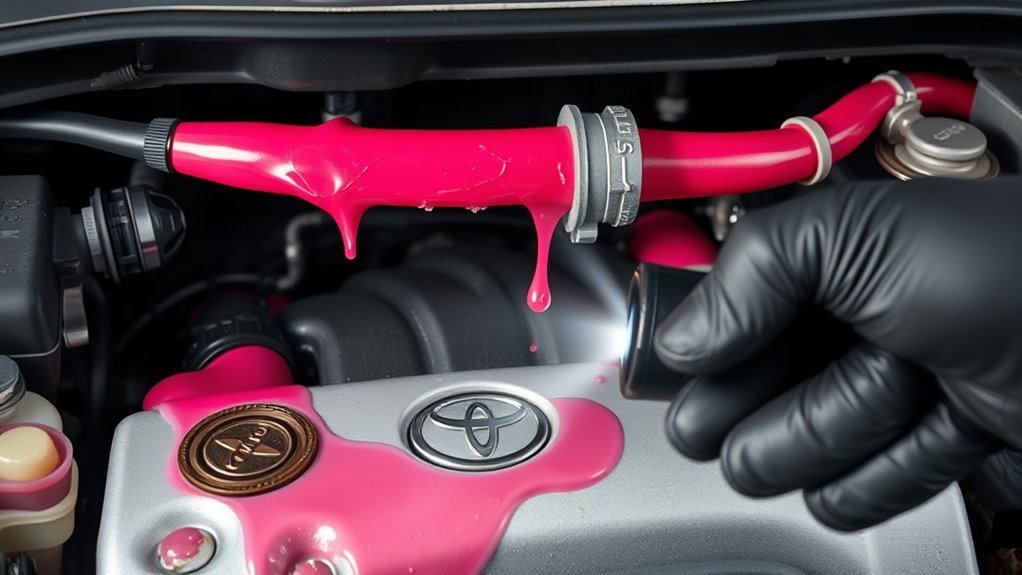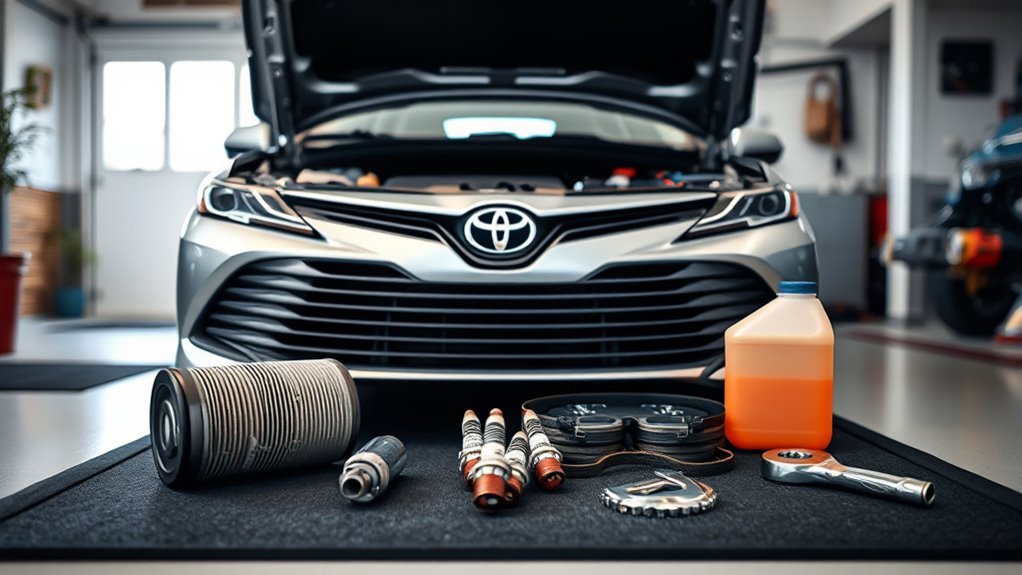
At 150,000 miles, your Camry needs more than a basic oil change. Use the owner’s manual and your service records to confirm what’s due, then focus on fluids, spark plugs, brakes, tires, belts, hoses, suspension parts, and leak checks. If your Camry uses a timing belt, replace it on schedule; many Camry engines use a timing chain instead. Keep written estimates and receipts so you can avoid repeat work and plan the next service with confidence.
Quick Answer
At 150,000 miles, service your Toyota Camry based on the factory maintenance schedule, not a one-size-fits-all checklist. Change overdue fluids, inspect wear parts, replace spark plugs if due, and check for leaks, brake wear, suspension play, and tire issues. Replace the timing belt only if your specific engine has one and the service history shows it’s due.
Key Takeaways
- Check your owner’s manual before you approve any 150,000-mile service.
- Prioritize overdue fluids, spark plugs, brakes, tires, belts, hoses, and leak checks.
- Confirm whether your Camry has a timing belt or timing chain before replacing parts.
- Ask for written estimates, saved old parts when practical, and clear service notes.
- Keep all receipts so future repairs and resale talks stay simple.
Toyota Camry 150,000-Mile Checklist: Must-Do Items First
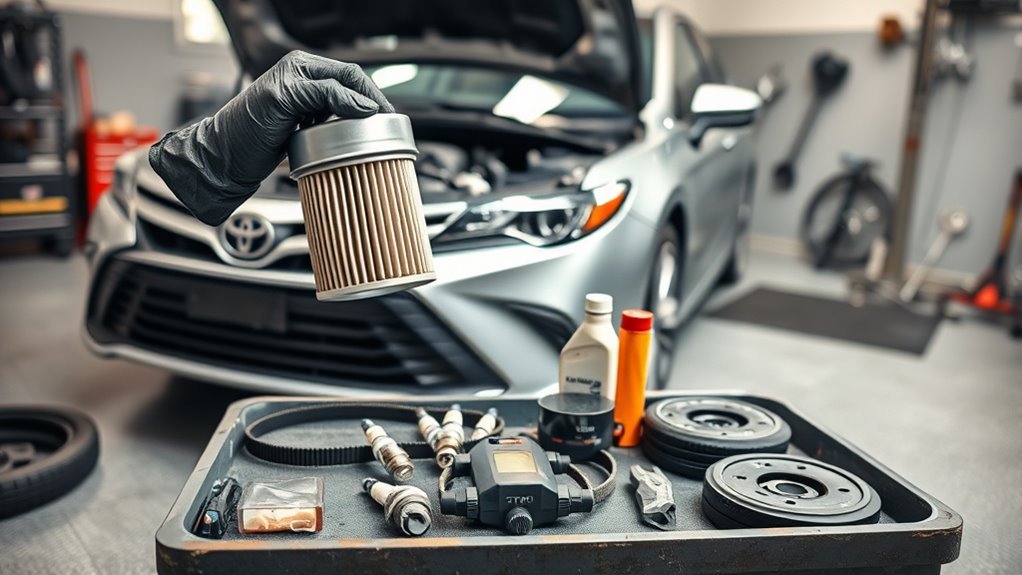
Start your 150,000-mile service with the factory maintenance schedule for your Camry’s model year, engine, and transmission. Toyota used different engines across Camry generations, so don’t approve a timing belt job until the shop confirms your engine uses one. Many Camry engines use a timing chain, which does not follow the same replacement plan.
Focus first on the systems that affect safety and long-term reliability. Ask the technician to check:
- Engine oil and filter condition
- Coolant age, level, and signs of contamination
- Brake fluid condition and brake pad thickness
- Transmission fluid level, color, odor, and service history
- Spark plugs, especially if records do not show recent replacement
- Brake lines, calipers, rotors, and parking brake operation
- Suspension joints, struts, shocks, bushings, and wheel bearings
- Engine, transmission, axle, and power steering leaks
Use genuine Toyota parts or high-quality parts that meet the correct specifications. Keep records for each service, including the date, mileage, parts used, and work performed. That paper trail helps you avoid repeat work and supports resale value.
Warning: A neglected timing belt can cause major engine damage on engines that use one, so confirm your engine type and service history before you delay it.
High-Mileage Extras: Optional but Recommended Repairs
Once you cover the required service items, look at high-mileage extras that can prevent small problems from becoming large repairs. Base these repairs on condition, service records, and how long you plan to keep the car.
Clean the mass airflow (MAF) sensor if the car has rough idle, poor fuel economy, or hesitation and the sensor needs service. Inspect drive belts and hoses for cracks, swelling, glazing, soft spots, and leaks. Replace worn parts before they fail on the road.
A transmission drain and fill may help if the fluid service history supports it and the transmission shifts normally. Avoid a harsh flush on a high-mileage transmission unless a qualified shop recommends it after inspection. Ask the shop to explain the risk before you approve the work.
Also inspect the battery, charging system, engine mounts, exhaust, tires, alignment, and air conditioning performance. These items may not appear in a basic 150,000-mile package, but they affect daily use and repair planning.
Pro tip: Ask the shop to rank repairs by safety, reliability, and comfort so you can handle the most urgent work first.
Toyota Camry 150K Costs, DIY Tips, and Dealer Specials
Service costs vary by model year, engine, region, parts quality, and shop labor rates. A simple inspection and fluid service can cost far less than a timing belt service, spark plug job, brake repair, or suspension repair. Always ask for an itemized estimate before work begins.
| Task | Typical Action |
|---|---|
| Fluids and filters | Replace only if due by schedule or condition |
| Timing belt | Replace if equipped and due |
| Spark plugs | Replace if mileage or records show they’re due |
| Inspections | Check engine, brakes, tires, suspension, seals, and sensors |
You can save money with safe do-it-yourself tasks if you have the right tools and skill. Many owners can replace cabin and engine air filters, inspect tire tread, check fluid levels, and record maintenance. Leave brake hydraulic work, timing belt service, and transmission concerns to a qualified shop if you lack experience.
Ask dealers and independent Toyota specialists about service specials before you book. Compare estimates by the same scope of work, not just the final price. A cheap quote can cost more later if it skips parts, fluids, or inspections you need.
Schedule Service: What to Bring and What to Ask

Bring your service history, owner’s manual, and a short list of symptoms to the appointment. Include noises, leaks, warning lights, hard starts, rough idle, vibration, brake feel, shifting issues, and fuel economy changes. Clear notes help the technician find problems faster.
Before you approve the work, ask the shop these questions:
- Which factory schedule items apply to my exact Camry?
- Does my engine use a timing belt or timing chain?
- Which fluids need service now, and why?
- Which repairs affect safety first?
- Which parts and fluids will you use?
- What warranty covers parts and labor?
- Can I get the estimate and recommended follow-ups in writing?
Request clear notes on replaced parts, inspection findings, and future service needs. Keep the final invoice with your records. Good documentation helps you plan repairs and answer buyer questions later.
After Service: Monitoring, Intervals, and Warning Signs
After the service, track how the Camry starts, idles, brakes, steers, shifts, and cools. Check for new leaks under the car after the first few drives. Watch the dashboard for warning lights and note any change in fuel use.
Follow the maintenance interval in your owner’s manual. Many Camrys need routine checks around every 5,000 miles or six months, but your model year and driving conditions can change that schedule. Severe driving, short trips, heat, cold, dust, and stop-and-go traffic can shorten service intervals.
Act fast if you notice warning signs. Don’t ignore:
- New grinding, knocking, humming, or squealing sounds
- Brake pedal vibration or a longer stopping distance
- Burning smells or excessive exhaust smoke
- Coolant temperature changes or overheating
- Red, brown, green, or pink fluid leaks
- Hard shifting, slipping, or delayed gear engagement
Stop driving if the engine overheats, oil pressure light comes on, or the car loses braking power. Tow the car instead of risking engine damage or a crash.
How Climate and Driving Style Change 150K Service Needs
Your climate and driving habits can change what your Camry needs at 150,000 miles. Heat strains the cooling system, battery, hoses, and belts. Cold weather can expose weak batteries, thick fluids, tire pressure loss, and hard-start issues.
Dusty roads can shorten air filter life, while wet or salty roads can speed up corrosion. City driving adds brake wear and transmission heat. If you tow, idle often, drive short trips, or sit in heavy traffic, ask the shop to apply the severe-service schedule.
Frequently Asked Questions
How does climate affect my Camry’s 150K maintenance needs?
Extreme heat, cold, humidity, dust, and road salt can increase wear. Ask the shop to check the cooling system, battery, belts, hoses, seals, brakes, and corrosion if you drive in harsh conditions.
Are extended warranties transferable after 150,000 miles?
Extended warranty transfer rules depend on the contract, provider, mileage limit, and ownership terms. Read the contract before you assume coverage continues or transfers to a buyer.
Can I use aftermarket parts without hurting reliability?
Yes, if the parts meet the correct specifications and come from a reputable brand. Use the right fitment, follow the service manual, and keep receipts for every part you install.
How will maintenance affect resale value at 150K miles?
Good maintenance records can make a high-mileage Camry easier to sell. Buyers often feel more confident when you can show oil changes, fluid service, brake repairs, tire records, and major parts replacement.
Should I change my driving habits after 150,000-mile service?
Drive smoothly and avoid hard acceleration, harsh braking, and long idle time when possible. Gentle driving can reduce stress on the engine, transmission, brakes, tires, and suspension.
Conclusion
A 150,000-mile Camry can stay dependable when you service the right parts at the right time. Start with the factory maintenance schedule, then use inspection results and service records to decide what needs work now. Get written estimates, keep receipts, and fix safety issues first. With steady care, your Camry can keep giving you reliable miles without surprise repairs controlling your budget.
References
- Toyota Warranty and Owner’s Manuals — Toyota
- Toyota Maintenance Schedule — Toyota
- Vehicle Recalls Search — National Highway Traffic Safety Administration