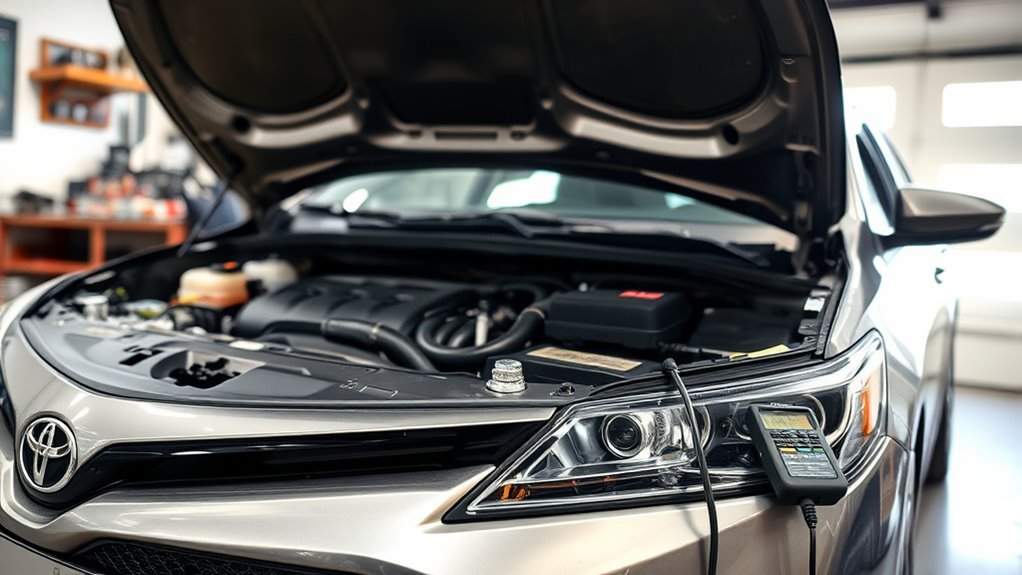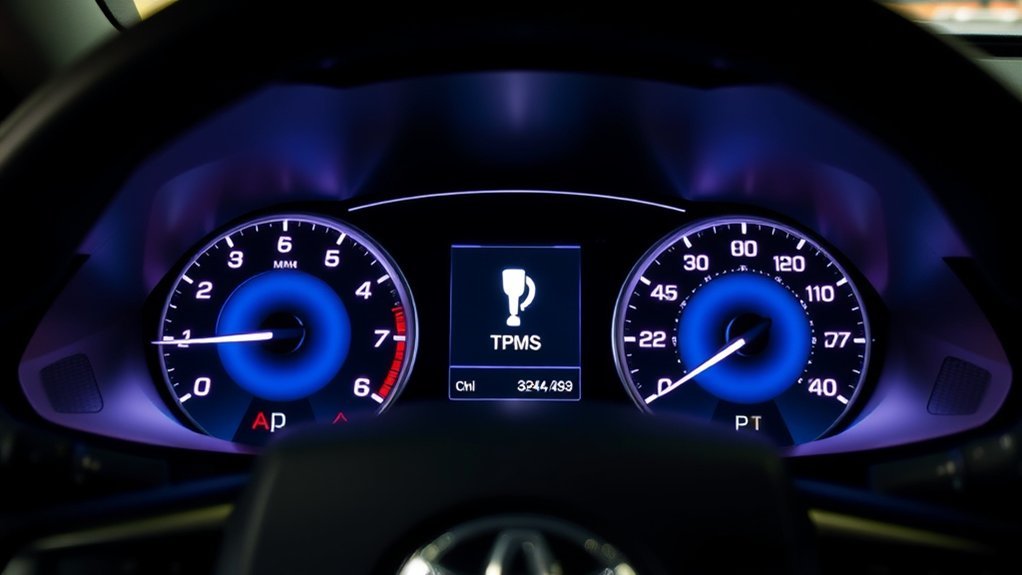
The Toyota Camry’s Tire Pressure Monitoring System (TPMS) is an essential safety feature that uses direct sensors in each tire to provide real-time pressure readings. You’ll see tire light indicators alerting you to significant pressure changes. While newer models (2018+) have self-programming sensors, older ones may require dealership assistance for sensor replacement. If you’re experiencing persistent warning lights or other issues, understanding the mechanics behind your TPMS can help you maintain safety and performance. There’s more to explore about enhancing your TPMS experience.
What Is the Toyota Camry TPMS and How Does It Work?
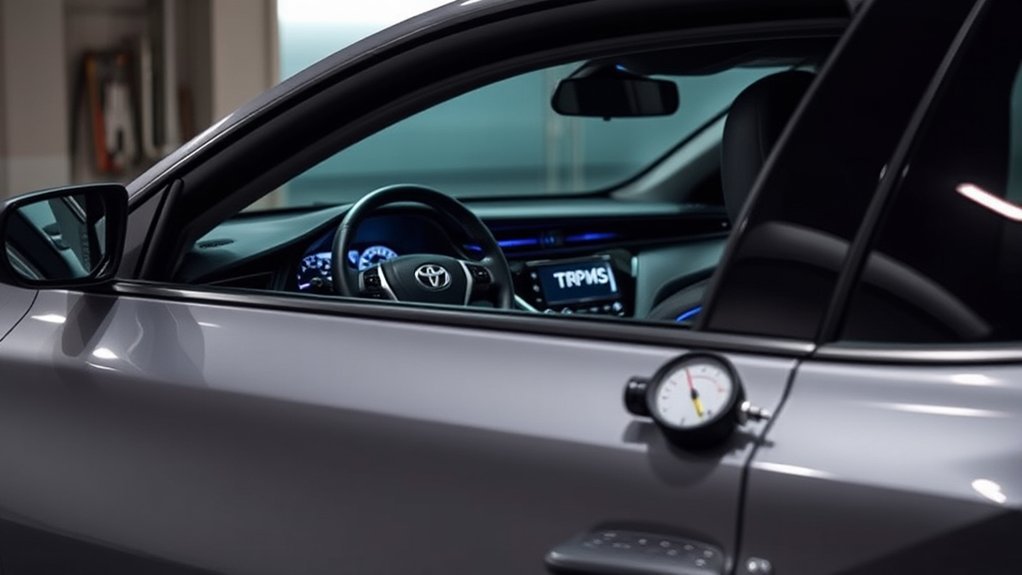
The Toyota Camry’s Tire Pressure Monitoring System (TPMS) is an essential safety feature designed to keep you informed about your tire health. This system uses direct TPMS technology, equipped with sensors inside each tire to provide accurate, real-time pressure readings. By wirelessly communicating with a receiver in the C-pillar, it alerts you to any significant pressure changes, enhancing your safety on the road.
Maintaining proper tire pressure is vital, and the TPMS helps you achieve that by illuminating solid tire light indicators for low pressure or sensor issues. A flashing light signifies system malfunctions that need your attention, even after correcting tire pressures. Newer models from 2018 onward simplify tire maintenance; they feature self-programming sensors, reducing your dependence on dealership services. With this system, you’re empowered to take control of your tire health, ensuring a safer driving experience every time you get behind the wheel.
Common Issues With TPMS Sensors in the Camry
When you’re dealing with your Toyota Camry’s TPMS sensors, you might encounter a few common issues. Battery depletion can lead to sensor failures, while older models may pose programming challenges after a replacement. Plus, you may find persistent warning lights even after adjusting tire pressures, which can be frustrating and confusing.
[Products Worth Considering]

Ensure accurate engine cooling with Toyota's genuine water temperature sensor, designed for precise coolant monitoring and reliable performance. This OEM part fits seamlessly into your vehicle, offering durability and consistent temperature readings for optimal engine health.
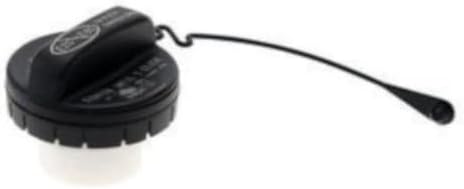
This genuine Toyota fuel tank cap assembly ensures a perfect fit for your vehicle, delivering reliable sealing and protection against fuel leaks. It meets OEM specifications, offering Toyota‑quality assurance and a manufacturer warranty for peace of mind. Ideal for drivers seeking authentic parts that maintain performance and safety.

Secure your vehicle's fuel tank with this durable ABS locking gas cap that provides a tight, waterproof seal to prevent leaks and theft. The key‑operated lock offers peace of mind while meeting OEM part numbers for a wide range of makes and models. Ideal for harsh weather conditions, it protects the tank from rust and corrosion, ensuring safe and reliable driving.
Common Sensor Failures
While you enjoy the smooth ride of your Toyota Camry, it’s important to stay vigilant about the potential failures of its Tire Pressure Monitoring System (TPMS) sensors. Common issues stem from battery depletion, typically occurring after a sensor lifespan of 10-15 years. If you own an older model (2007-2008), be cautious—sensors may seize during removal, complicating replacements. After replacing pre-2018 sensors, remember that dealership programming is essential for proper functionality. Also, steer clear of aftermarket sensors; compatibility issues can lead to malfunctions. If you see persistent tire light warnings from 2011-2019 models, this may indicate a sensor failure or misdiagnosis. Following these replacement tips will help maintain your Camry’s TPMS efficiency.
Programming Challenges
Programming challenges with the TPMS sensors in your Toyota Camry can complicate even the simplest maintenance tasks. If you’re replacing sensors from models pre-2018, be prepared for dealership requirements; they need specific programming to function correctly. On the other hand, newer TPMS sensors feature auto-programming, streamlining the process. However, if stubborn tire lights persist after correcting pressures—particularly in 2011-2019 models—misdiagnosis could be the culprit. Additionally, removing older sensors can be tricky due to corrosion, leading to broken components. It’s essential to choose original equipment manufacturer (OEM) sensors over aftermarket options, as compatibility issues often result in malfunctions. By understanding these challenges, you can better navigate the complexities of your Camry’s TPMS system.
Persistent Warning Lights
Persistent warning lights on your Toyota Camry can be frustrating, especially when you’ve already confirmed your tire pressures are correct. This issue often stems from sensor miscommunication or programming glitches, particularly in models from 2011-2019. A solid tire light may indicate low pressure or a faulty sensor, while a flashing light signals serious system failure. To combat warning light persistence, you might need to guarantee proper sensor calibration. If you’ve replaced your TPMS sensors, remember that older models often require dealership programming, whereas 2018 and newer sensors can self-program. Regular maintenance checks and using original equipment sensors can help keep your TPMS functioning effectively, reducing those pesky warning lights and enhancing your driving experience.
Troubleshooting Common TPMS Issues in Your Camry
If your Toyota Camry’s tire pressure light is on, it could signal low tire pressure or a sensor malfunction. You might also notice persistent issues even after adjusting tire pressures, especially in models from 2011 to 2019, which may require a TPMS reset. Understanding these common sensor problems will help you troubleshoot effectively and keep your Camry running safely.
[Products Worth Considering]

Protect your vehicle's cup holders with premium silicone coasters that resist scratches and extreme temperatures. The honeycomb design absorbs moisture while keeping colors vibrant, and the textured grooves prevent slippage for a stable, stylish interior.

The CARTIST 420D car cover offers custom fit protection for Toyota RAV4 and Honda CRV models from 1994 to 2026, featuring a durable Oxford fabric that repels moisture while allowing breathability. Reflective safety strips and a driving‑side zipper enhance visibility and convenience, and four buckles with elastic hem secure the cover against strong winds and rain. This all‑weather cover shields against rain, snow, UV rays, and scratches, making it a reliable choice for year‑round vehicle care.
Common Sensor Problems
When dealing with the TPMS in your Toyota Camry, you might encounter several common sensor problems that can complicate your driving experience. The typical sensor lifespan is around 10-15 years, leading to battery replacement needs. Misdiagnosis can happen, particularly in older models where sensors may seize during removal. If your tire pressure lights stubbornly stay on after correcting pressures, it could signal a sensor malfunction or the need for programming updates, especially in models from 2011-2019. After replacing sensors in pre-2018 Camrys, dealership programming is often necessary. Using aftermarket sensors can create compatibility issues, so sticking with original equipment is essential for effective tire pressure monitoring and reliable sensor maintenance, including warning light resets.
Tire Pressure Light Issues
Understanding tire pressure light issues in your Toyota Camry is essential for maintaining safety and performance. A solid tire pressure light usually means low pressure or a potential sensor problem, while a flashing light indicates a TPMS malfunction. If the light stays on after correcting tire pressures, you might be facing sensor failure or misdiagnosis, especially in models from 2011-2019. Regular tire pressure troubleshooting is key—always check your pressures and confirm sensors are functioning correctly. If you need to replace a sensor, follow sensor replacement tips to prevent complications, like seizing during removal. By staying informed, you can avoid confusion and keep your Camry performing at its best.
Understanding Direct vs. Indirect TPMS Technology
While many drivers may not realize it, the technology behind tire pressure monitoring systems (TPMS) can considerably impact vehicle safety and performance. In your Toyota Camry, the Direct TPMS employs sensors inside each tire, providing real-time and accurate tire pressure readings. This system communicates wirelessly with the vehicle’s receiver, ensuring you get immediate alerts for low tire pressure. The TPMS benefits are clear: enhanced safety and reliability without the risk of false readings.
In contrast, Indirect TPMS relies on ABS wheel speed sensors to infer tire pressure changes based on wheel rotation, making it less reliable. This method can’t match the sensor accuracy of Direct TPMS. Plus, the durable sensors in your Camry come with batteries that last about 10-15 years, ensuring you won’t need frequent replacements. Ultimately, choosing Direct TPMS means you’re prioritizing your safety and the performance of your vehicle.
Resetting Your Toyota Camry’s TPMS Light

Resetting your Toyota Camry’s TPMS light is a straightforward process that guarantees your tire pressure monitoring system functions correctly. First, verify all tires are inflated to the recommended pressure, which you can find on the driver’s side door jamb sticker. Once your tire calibration is complete, turn the ignition to the “ON” position without starting the engine. Then, press the TPMS reset button, typically located under the steering wheel or near the dashboard.
Keep your vehicle stationary for about 20 minutes, allowing the system to recalibrate and recognize the new tire pressures. If the TPMS light continues to flash or stays illuminated after this TPMS reset, there might be a malfunction in the sensors or system, requiring diagnostic assistance. Regularly checking tire pressures will not only enhance safety but also minimize the need for frequent resets.
Essential Maintenance Tips for Your Toyota Camry TPMS
Maintaining your Toyota Camry’s TPMS is essential for guaranteeing peak performance and safety on the road. Here are some key tips to keep your system running smoothly:
Maintaining your Toyota Camry’s TPMS is crucial for optimal performance and safety while driving.
- Check tire pressures monthly for maximum inflation.
- Be mindful of dashboard indicators; a solid light means low pressure or sensor issues, while a flashing light indicates a TPMS malfunction.
- If the tire light remains after adjustments, consult a dealership, especially for 2011-2019 models that may need special reset procedures.
- Remember that direct TPMS sensors typically last 10-15 years; proactively replace them if your Camry is over a decade old to guarantee sensor longevity.
- Always use original TPMS sensors for replacements to avoid compatibility issues that could lead to malfunctions.
What Do Those TPMS Warning Lights Really Mean?
Have you ever wondered what those TPMS warning lights on your Toyota Camry really mean? A solid tire light indicates low tire pressure in one or more tires, or it could signal a potential issue with the TPMS sensor itself. On the other hand, a flashing tire light suggests a malfunction within the TPMS system, often triggered by extreme tire pressure levels, like readings over 150 psi.
Regular tire pressure checks are essential for your tire safety, helping you avoid confusion over warning signals. If the tire lights persist after you’ve corrected the pressure, especially in models like the 2011-2019 Sienna, you might need a system reset or diagnostics. Understanding the difference between a solid and flashing light can empower you to address tire issues promptly or seek professional assistance when necessary, keeping your driving experience safe and informed.
Choosing the Best TPMS Sensors for Your Camry
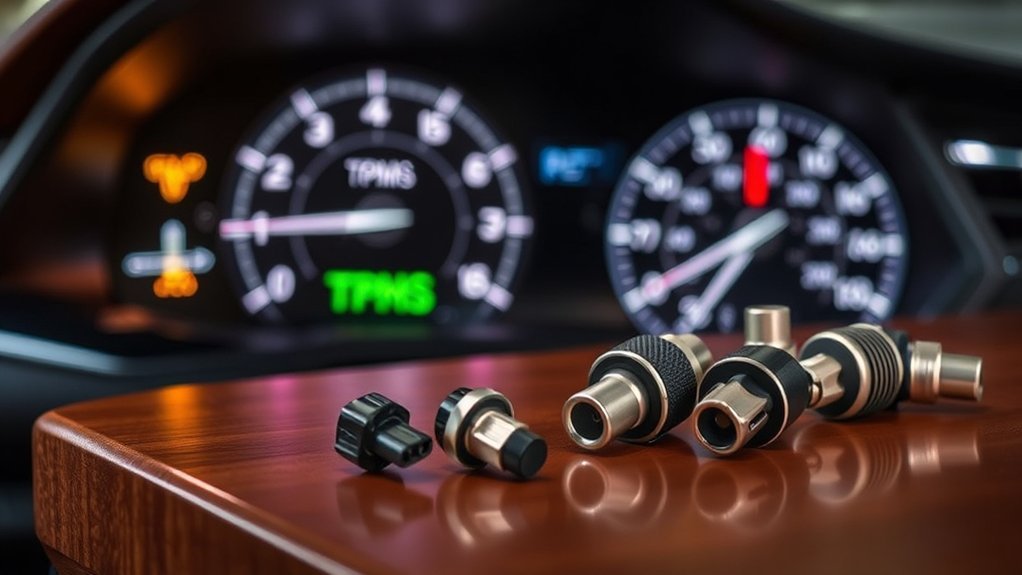
Understanding your TPMS warning lights sets the stage for making informed choices about tire pressure monitoring systems. Choosing the right sensors for your Toyota Camry is essential for safety and performance. Here are some key points to take into account:
- Opt for OEM sensors for guaranteed sensor compatibility.
- Remember, models before 2018 need dealership programming after installation.
- Direct TPMS sensors offer precise tire pressure readings.
- Check the battery life; replace sensors every 10-15 years.
- Make sure replacement sensors come with separate rubber stems for easy air filling.
Frequently Asked Questions
How Does the Toyota TPMS System Work?
Your Toyota’s TPMS uses sensors to monitor tire pressure, sending real-time data to the computer. If tire pressure drops, a warning light activates, alerting you to potential issues that could impact your safety.
How Do You Know Which Tire Is Low on a Toyota Camry?
Think of your dashboard as a vigilant guardian. When the tire pressure warning light shines, check the TPMS display; it reveals which tire’s pressure is low, ensuring your journey stays safe and smooth.
How Much Does TPMS Repair Usually Cost?
TPMS repair usually costs between $50 and $200 per sensor, depending on your repair options. Direct sensors can be pricier, while aftermarket ones might save you money, though compatibility issues could arise.
Conclusion
As you drive your Toyota Camry, keep an eye on that TPMS light—it could be the difference between a smooth ride and an unexpected roadside stop. Understanding how your TPMS works and knowing how to troubleshoot issues can save you from headaches down the road. Don’t underestimate the importance of regular maintenance; a small oversight might lead to bigger problems. So, stay informed, and remember: your Camry’s health is in your hands. What will you do next?