Your Toyota Camry brakes can feel simple from the driver’s seat, but several parts work together every time you press the pedal. Current U.S. Camry models use power-assisted disc brakes, electronic brake controls, and safety systems that help you stop with more control. This guide explains the main brake parts, how they work, and which warning signs need quick service.
Quick Answer
Your Toyota Camry braking system uses Brake fluid, calipers, pads, rotors, and electronic safety controls to slow the car. Current U.S. Camry models use ventilated front disc brakes and solid rear disc brakes. If you hear grinding, feel a soft pedal, see a brake warning light, or notice longer stopping distance, schedule a brake inspection right away.
Key Takeaways
- Check your exact model year before buying brake parts because Camry brake hardware can vary.
- Replace worn brake pads early to protect the rotors and keep stopping distance under control.
- Take brake warning lights, fluid leaks, grinding, or a soft pedal seriously.
- Use your owner manual and a qualified technician for safety-critical brake work.
Getting to Know Your Toyota Camry Brake System
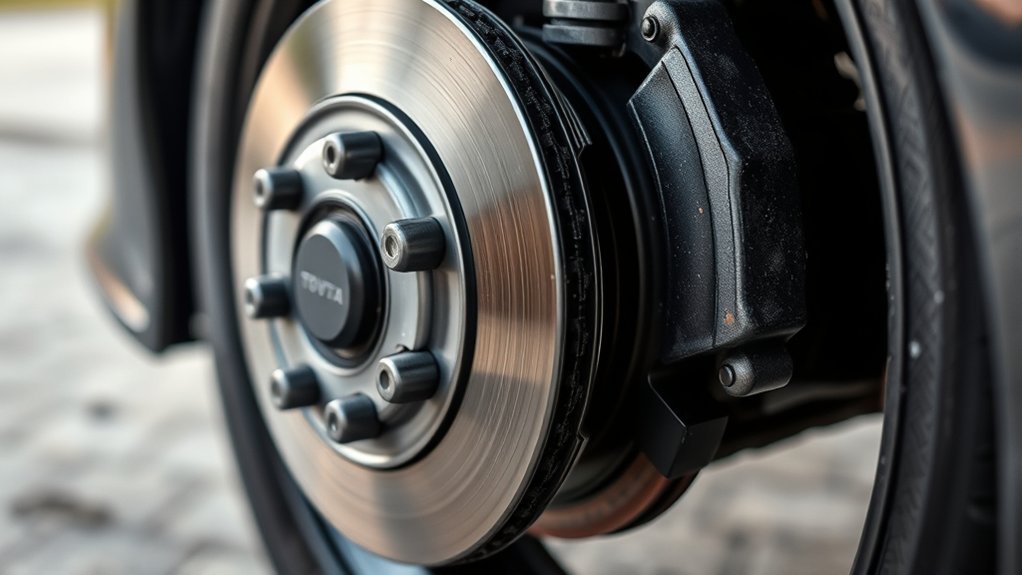
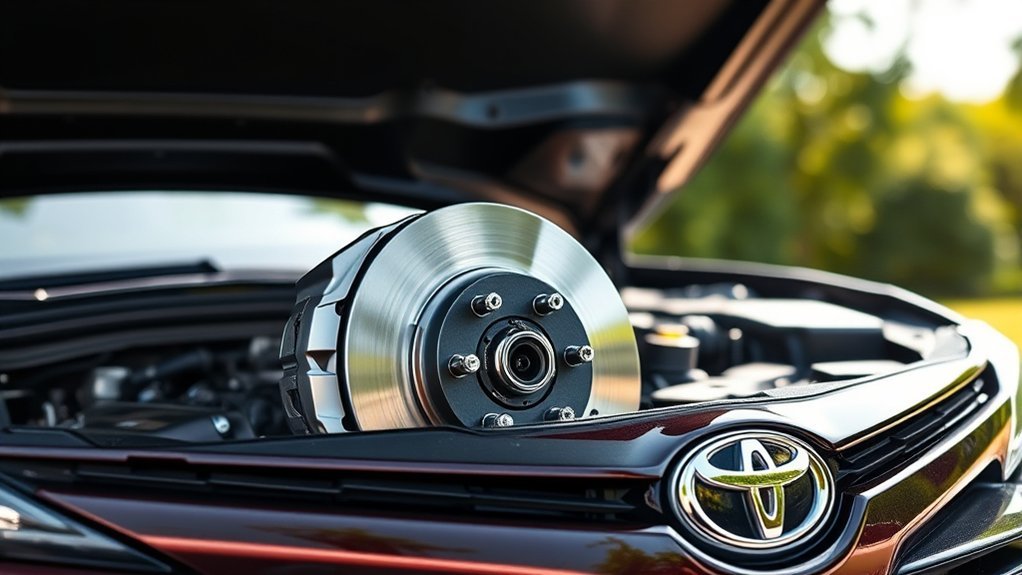
Understanding your Toyota Camry’s braking system helps you spot problems before they become unsafe. According to Toyota’s current Camry specifications, newer U.S. models use power-assisted ventilated front disc brakes and solid rear disc brakes. Hybrid Camry models also use an Electronically Controlled Braking (ECB) system with integrated regenerative braking.
When you press the brake pedal, the system sends force through brake fluid and electronic controls. Calipers press brake pads against rotors, and that friction slows the wheels. Your Camry may also use anti-lock brakes and stability systems to help you keep steering control during hard stops.
Always confirm the correct parts for your year, trim, and market before you service the brakes. Your owner manual gives the most accurate information for your exact Camry.
Toyota Camry Disc Brakes and Older Drum Brake Designs
Modern Camry brake discussions often mention disc brakes and drum brakes. Current U.S. Camry models use disc brakes at the front and rear, but older vehicles or non-U.S. versions may differ. That’s why you should check your owner manual or ask a Toyota parts counter before ordering pads, shoes, rotors, or drums.
What Brake Hardware Does a Camry Use?
Disc brakes use pads, calipers, and rotors. When you press the pedal, the caliper squeezes the pads against the rotor to create friction. This design handles heat well and gives steady braking in daily driving.
Drum brakes use brake shoes inside a drum. They cost less to build and can work well in some vehicles, but they usually shed heat less effectively than disc brakes. If your Camry has drum brakes, follow the service steps for that exact model.
How Disc Brakes Affect Stopping Performance
Disc brakes usually deliver stronger and more consistent stopping power than drum brakes. They also cool faster, which helps reduce brake fade during repeated stops. Your tires, road surface, brake condition, and speed still play major roles in real stopping distance.
The Role of Hydraulic and Electronic Systems in Brake Performance
Brake fluid helps move force from your pedal to the brake parts at each wheel. In newer hybrid Camry models, electronic controls also help manage braking force and regenerative braking. These systems need clean fluid, sealed lines, and working sensors.
- Force transfer: Brake fluid helps move pedal force through the brake system.
- Brake fluid condition: Low or contaminated fluid can reduce braking performance.
- Brake booster support: The booster helps you stop with less pedal effort.
- System inspection: Regular checks help find leaks, worn parts, and warning-light causes.
Why Regular Brake Maintenance Matters
Regular brake maintenance protects your Camry’s stopping power and helps prevent bigger repair bills. Worn pads can damage rotors if you ignore them for too long. Low brake fluid or a leak can also create a serious safety risk.
How Brake Maintenance Supports Safer Stops
Good brake maintenance helps your Camry respond when you need a quick stop. It also helps safety systems, such as anti-lock brakes and traction control, work as intended. Focus on these checks:
- Pad and rotor wear: Inspect pads and rotors before noise or vibration gets worse.
- Brake fluid level: Check the reservoir and look for signs of leaks.
- Pedal feel: Treat a soft, sinking, or spongy pedal as a warning sign.
- Warning lights: Use your owner manual and get the vehicle checked when brake warnings stay on.
Cost-Effective Preventive Care
Brake maintenance often costs less than repairing damage caused by neglect. Fresh pads can protect rotors, and early leak checks can prevent more serious brake failure. Follow Toyota’s maintenance guidance for your model year and driving conditions.
City driving, steep hills, heavy traffic, and frequent short trips can wear brakes faster. If you drive in those conditions, ask a technician whether your Camry needs more frequent brake checks.
How Anti-Lock Brakes and Traction Control Enhance Safety
Toyota’s Star Safety System includes Vehicle Stability Control (VSC), Traction Control (TRAC), Anti-lock Brake System (ABS), Electronic Brake-force Distribution (EBD), Brake Assist (BA), and Smart Stop Technology (SST). These systems help you accelerate, steer, and stop with more control, especially on slick roads.
- ABS: Helps reduce wheel lock-up during hard braking so you can keep steering.
- TRAC: Helps reduce wheel spin when you accelerate on low-grip surfaces.
- EBD: Helps adjust braking force between wheels for better balance.
- VSC: Helps reduce skidding by adjusting engine output and braking selected wheels.
These systems support you, but they don’t replace safe driving. Tires, road grip, speed, and brake condition still decide how quickly your Camry can stop.
The Importance of Brake Boosters for Performance
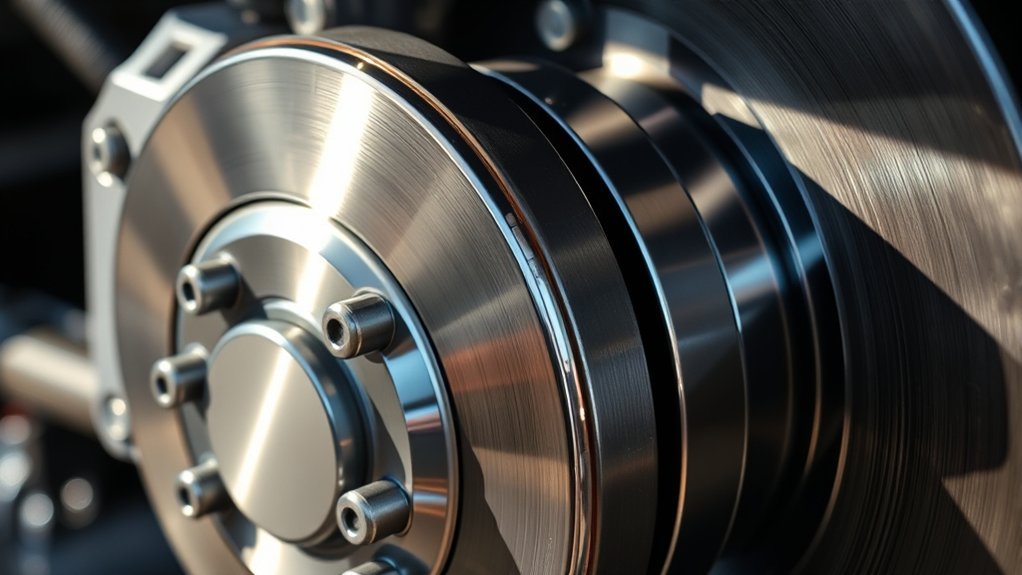
The brake booster helps reduce the pedal effort you need to stop your Toyota Camry. When it works correctly, you get smoother and more confident braking. When it fails, the pedal may feel hard, and stopping can take more effort.
A brake booster problem can feel scary because the brake pedal may still move, but the car may not slow as expected. Schedule service if your pedal gets hard, your stopping distance grows, or you hear a hissing sound near the pedal area.
How to Identify and Resolve Common Brake Problems
Unusual brake sounds, pedal changes, and warning lights can point to problems that need fast attention. Don’t wait for a small symptom to become a dangerous failure. Use these signs as your first checklist:
- Squeaking or squealing: Your brake pads may have reached their wear indicator.
- Grinding: Metal-to-metal contact may damage the rotors and reduce stopping power.
- Spongy pedal: Air, moisture, low fluid, or a leak may affect the hydraulic system.
- Vibration while braking: Rotor wear or rotor thickness variation may cause pedal pulsation.
- Pulling to one side: Uneven pad wear, a stuck caliper, or tire issues may cause pulling.
Warning: If the brake warning light stays on, the pedal sinks, or brake fluid leaks, stop driving and get professional help.
Frequently Asked Questions
How does the Toyota Camry brake system work step by step?
When you press the brake pedal, the system sends force through brake fluid and brake controls. Calipers press pads against rotors, and friction slows the wheels. Safety systems such as ABS can adjust brake pressure during hard stops.
What is the difference between ABS and VSC?
ABS helps reduce wheel lock-up when you brake hard. VSC helps reduce skids by adjusting engine power and applying brake force to selected wheels. Both systems help control, but they can’t overcome unsafe speed or poor road grip.
Does every Toyota Camry use rear drum brakes?
No. Current U.S. Camry models use rear disc brakes, not rear drum brakes. Older vehicles and market-specific versions can vary, so confirm your exact model before you buy parts.
How often should you inspect Toyota Camry brakes?
Follow the maintenance guide for your exact model year. You should also inspect the brakes sooner if you hear grinding, feel vibration, see a warning light, or notice longer stopping distance.
Safety Disclaimer: This article gives general information and does not replace advice from a qualified mechanic. Always follow your Toyota owner manual and get professional service before making safety-critical brake repairs.
Conclusion
Your Toyota Camry brake system keeps you safer when each part works as it should. Learn the warning signs, check your owner manual, and act quickly when the pedal feel, noise, or warning lights change. A timely brake inspection can protect your rotors, your tires, and your passengers. Keep your brakes in good shape, and every stop will feel more controlled.
References
- 2026 Toyota Camry Specifications — Toyota Motor Sales, U.S.A., 2026
- Toyota Camry eBrochure — Toyota Motor Sales, U.S.A., 2026
- Toyota Safety Hub and Star Safety System — Toyota Motor Sales, U.S.A., 2026
- Toyota Owner’s Manuals and Warranty Resources — Toyota Motor Sales, U.S.A., 2026