The Toyota Camry brake system combines hydraulic friction brakes, electronic brake controls, and, on current U.S. models, regenerative braking. When you press the pedal, the system calculates the requested braking force, recovers energy when conditions allow, and applies the friction brakes as needed. ABS, Electronic Brake-force Distribution, Brake Assist, and stability control can also adjust braking during hard stops or loss of traction.
By: Auto Review Nest Editorial Team
Last updated: July 16, 2026
Quick Answer
Your Toyota Camry braking system uses brake fluid, a brake booster or actuator, calipers, pads, rotors, wheel-speed sensors, and electronic controls. Current U.S. Camrys are hybrids, so regenerative braking works with the friction brakes. Confirm replacement parts with the VIN, model year, trim, drivetrain, market, and production information before ordering. If you notice reduced braking, a sinking pedal, a fluid leak, grinding, or a red brake warning, stop driving and arrange professional help.
Key Takeaways
- Current U.S. Camrys blend regenerative braking with hydraulic friction braking.
- Confirm brake parts by VIN and exact vehicle configuration, not only by model year.
- Treat reduced braking, fluid leaks, grinding, a sinking pedal, or a red brake warning as urgent.
- Use the owner manual for your exact Camry and rely on a qualified technician for safety-critical work.
How Does the Toyota Camry Brake System Work?
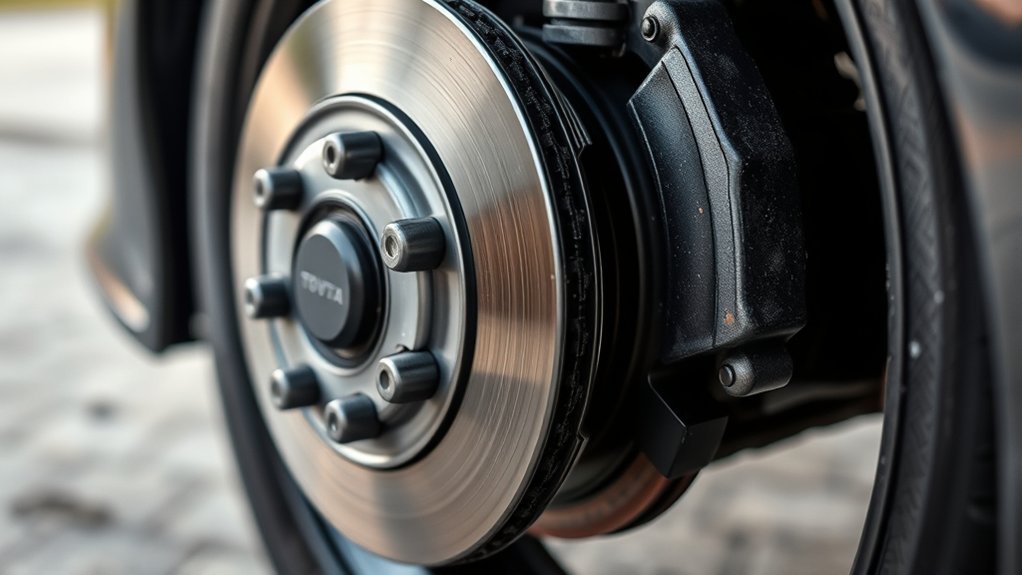
Understanding your Toyota Camry’s braking system helps you recognize changes before they become unsafe. The system combines friction brakes at the wheels with hydraulic pressure, electronic controls, sensors, and power assistance. On current U.S. Camry models, regenerative braking also helps slow the vehicle while returning energy to the hybrid battery.
When you press the brake pedal, the Camry interprets how much braking you request. The system can use regenerative deceleration when conditions allow, then blend in the friction brakes to provide the required stopping force. The calipers press the pads against the rotors, and the resulting friction slows the wheels.
ABS, Electronic Brake-force Distribution, Brake Assist, and stability control can adjust brake pressure during a hard stop or loss of traction. These systems support the driver, but they cannot overcome unsafe speed, worn tires, poor road grip, or neglected brake parts.
Do Toyota Camrys Use Disc Brakes or Drum Brakes?
Camry brake hardware varies across generations, trims, powertrains, and markets. Modern Camry service information commonly refers to pads, calipers, and rotors, while some older vehicles or market-specific versions may use different rear-brake designs. Do not order brake parts based only on a general Camry description.
Confirm compatibility with the VIN, model year, trim, drivetrain, market, production information, and Toyota parts data. Marketplace fitment labels can be useful for screening options, but they should not replace model-specific verification.
[VERIFY: Confirm the exact 2026 front and rear rotor construction in Toyota’s live trim specification table before publishing a model-specific hardware statement.]
What Brake Hardware Does a Camry Use?
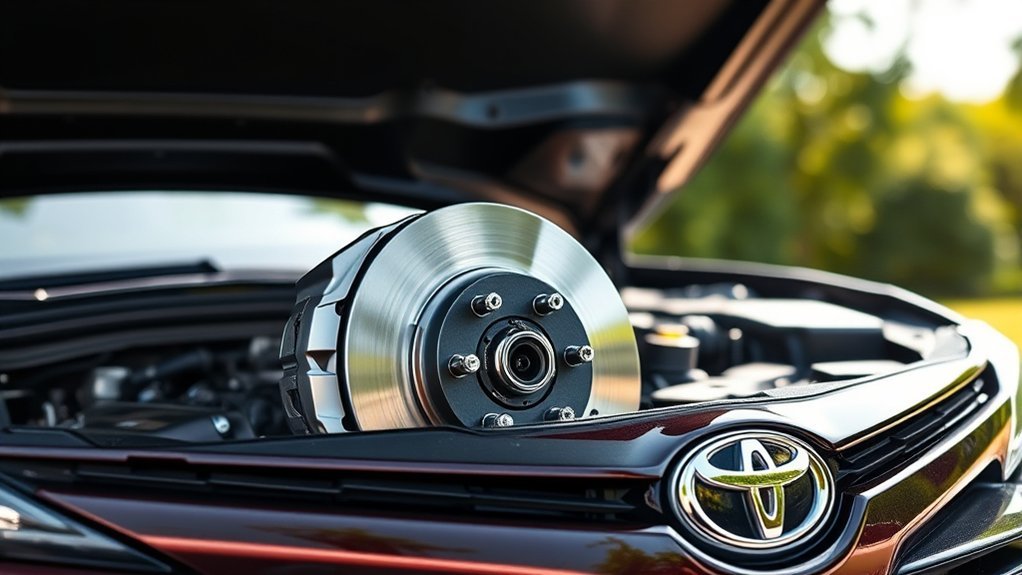
Disc brakes use pads, calipers, and rotors. When you press the brake pedal, the caliper squeezes the pads against the rotor to create friction. Disc brakes generally manage heat well, which helps maintain consistent braking during repeated stops.
Drum brakes use brake shoes inside a drum. Some older vehicles and market-specific configurations may use them. If your Camry has drum brakes, follow the inspection and service information for that exact vehicle rather than using a general disc-brake procedure.
How Do Disc Brakes Affect Stopping Performance?
Disc brakes usually manage heat better than drum brakes, which can help them maintain more consistent performance during repeated stops. Actual stopping distance still depends heavily on tire grip, speed, road conditions, vehicle load, brake condition, and driver input.
How Do the Hydraulic and Electronic Brake Systems Work Together?
Brake fluid transfers force through the hydraulic side of the system. Electronic controls use sensor information to manage brake assistance, wheel slip, vehicle stability, and, on hybrid models, the balance between regenerative and friction braking. These systems require sealed hydraulic circuits, suitable fluid condition, working sensors, and correct calibration.
- Force transfer: Hydraulic pressure helps apply the friction brakes at the wheels.
- Brake fluid condition: Low fluid, contamination, or a leak can affect braking and requires inspection.
- Power assistance: A booster or electronically controlled actuator reduces the effort needed at the pedal.
- Electronic control: Sensors and control modules help manage ABS, stability functions, and hybrid brake blending.
How Does Regenerative Braking Work in a Hybrid Camry?
Current U.S. Camrys use a hybrid powertrain, so normal deceleration can involve both regenerative braking and conventional friction brakes. During regenerative braking, the electric motor works as a generator. This slows the vehicle and returns some energy to the hybrid battery.
The friction brakes still handle part of normal braking and provide additional stopping force when regenerative braking alone is not enough. The control system blends the two methods according to pedal input, vehicle speed, battery conditions, available tire grip, and other operating factors.
A slight transition in pedal feel can occur as the system changes the balance between regenerative and friction braking. However, a new persistent change, reduced braking, a warning light, grinding, a sinking pedal, or an unusually hard pedal needs professional inspection.
Why Does Regular Toyota Camry Brake Maintenance Matter?
Regular brake maintenance helps preserve predictable pedal response and stopping performance. Worn pads can damage rotors when left in service too long. A hydraulic leak, unsuitable fluid condition, sticking caliper, sensor fault, or actuator problem can also affect how the system works.
[Products Worth Considering]
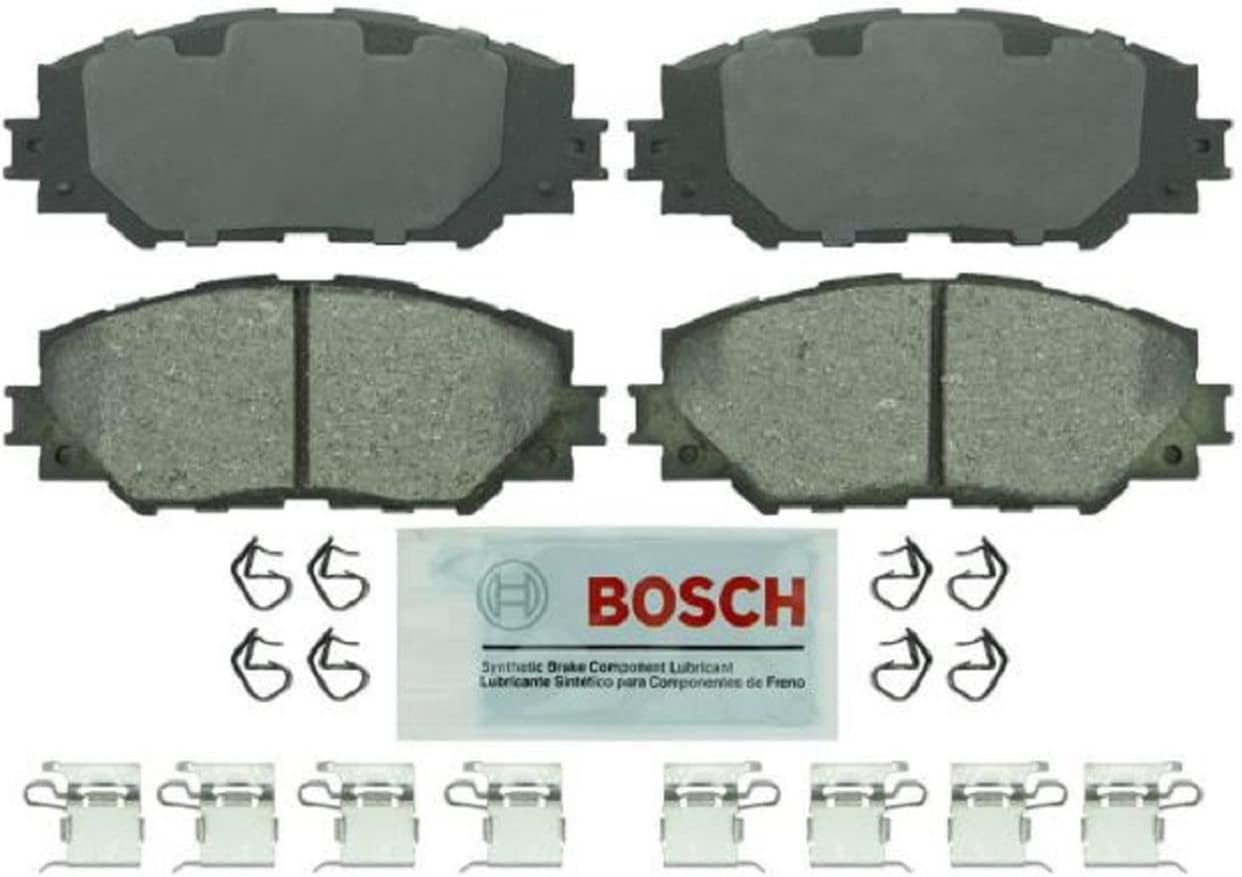
Bosch Blue ceramic front brake pads deliver dependable stopping power with platform-specific friction material designed for select Lexus, Pontiac, Scion, and Toyota vehicles. OE-style shims, slots, and chamfers help promote quiet braking, while the rust-inhibitive coating supports long-lasting performance and cleaner operation. The set includes hardware and synthetic lubricant for easier installation on one axle.

Bendix Premium Ceramic Front Brake Pads are engineered to match original equipment fit, form, and function for a straightforward replacement. Built with durable materials to help resist wear and corrosion, they support consistent braking performance and reduced brake fade for everyday driving. These pads are a dependable choice for compatible Pontiac, Scion, Toyota, and related vehicles.

COMPATIBLE VEHICLES : 8PCS Brake Pads For Toyota Camry 2018-2020
Which Brake Items Should You Monitor?
Use the maintenance guide for your exact Camry and inspect the system sooner when its behavior changes. Important checks include:
- Pad and rotor condition: Look for wear before noise, vibration, or reduced performance becomes severe.
- Brake fluid level: Check the reservoir as directed in the owner manual and investigate an unexplained drop.
- Pedal feel: Treat a soft, sinking, unusually hard, or persistently changed pedal as a warning.
- Warning indicators: Match the light with the exact owner manual rather than relying only on a generic dashboard guide.
- Visible leaks: Do not drive when brake fluid appears to be leaking.
How Can Preventive Care Reduce Repair Costs?
Early pad replacement may prevent avoidable rotor damage. Prompt inspection of a leak, sticking caliper, damaged hose, or warning light can also prevent a more serious failure. Follow Toyota’s maintenance guidance for your model year and driving conditions.
Heavy traffic, repeated short trips, steep roads, towing where permitted, aggressive braking, and severe operating conditions can increase brake wear. Ask a qualified technician whether your driving pattern calls for more frequent inspections.
What Do ABS, VSC, EBD, and Brake Assist Do?
Toyota’s Star Safety System includes Vehicle Stability Control (VSC), Traction Control (TRAC), the Anti-lock Brake System (ABS), Electronic Brake-force Distribution (EBD), Brake Assist (BA), and Smart Stop Technology (SST). These technologies help the driver accelerate, steer, and stop with more control, especially during emergency maneuvers or reduced traction.
- ABS: Helps reduce wheel lock during hard braking so the driver has a better chance of maintaining steering control.
- TRAC: Helps reduce excessive drive-wheel spin during acceleration.
- EBD: Helps manage braking force distribution for improved balance.
- VSC: Can adjust engine output and apply braking at selected wheels when it detects a loss of directional control.
- Brake Assist: Can increase braking support when the system identifies emergency-style pedal input.
- Smart Stop Technology: Can help reduce engine power when the accelerator and brake pedals are pressed at the same time under specified conditions.
ABS and VSC modify vehicle behavior during braking or loss of stability. Toyota Safety Sense functions, such as the Pre-Collision System, are separate driver-assistance features that may provide warnings or automatic braking under specific operating conditions. None of these systems replaces attentive driving, safe speed, suitable tires, or proper brake maintenance.
What Does the Toyota Camry Brake Booster or Actuator Do?
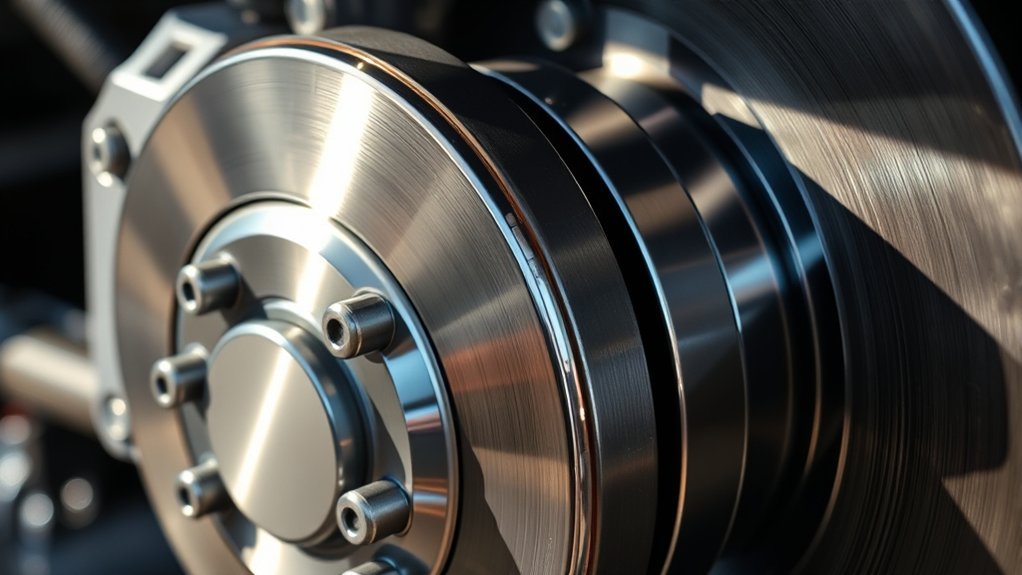
The brake booster or electronically controlled brake actuator helps reduce the pedal effort needed to slow the Toyota Camry. The exact design depends on the model year and powertrain. Hybrid braking systems can use electronic and hydraulic components that require model-specific diagnostic and service procedures.
Schedule an inspection if the pedal becomes unusually hard, braking requires more effort, stopping distance increases, a warning appears, or you hear a persistent pump, hissing, or actuator-related sound that was not present before. A technician should diagnose the cause rather than replacing parts based only on a symptom.
[Products Worth Considering]

Replace Part Number:46310-33010 4631033010.
Which Toyota Camry Brake Symptoms Need Immediate Attention?
Brake sounds, pedal changes, fluid leaks, warning indicators, vibration, and pulling can point to different problems. The table below helps you judge urgency, but it does not diagnose the vehicle.
| Symptom | Possible Inspection Areas | Urgency | Recommended Action |
|---|---|---|---|
| Reduced braking, sinking pedal, or visible fluid leak | Hydraulic system, hoses, lines, master cylinder, actuator, or calipers | Stop and tow | Stop in a safe place and arrange professional recovery. |
| Red brake-system warning | Parking-brake status, fluid level, hydraulic system, or electronic brake control | Immediate attention | Stop safely, consult the exact owner manual, and do not continue if braking is reduced or the warning remains active. |
| Grinding | Pads, rotors, calipers, shields, or trapped debris | Prompt inspection | Avoid routine driving until the source is identified. |
| ABS or other amber brake-related warning | Wheel-speed sensors, wiring, actuator, control module, or related system | Prompt inspection | Reduce risk, check the exact owner manual, and arrange service. Do not assume all brake-assistance functions remain available. |
| Vibration or pedal pulsation | Rotor condition, wheel installation, suspension, or ABS operation | Inspect soon | Arrange an inspection, especially if the symptom is new or worsening. |
| Pulling to one side | Caliper operation, pad wear, tire condition, alignment, or suspension | Inspect soon | Reduce speed and arrange diagnosis before the condition worsens. |
| Light squeak without other symptoms | Pad wear indicator, surface rust, contamination, hardware, or pad material | Monitor and inspect | Schedule an inspection if it persists, becomes louder, or appears with reduced performance. |
Warning: Treat reduced braking, a sinking pedal, a visible brake-fluid leak, or a persistent red brake-system warning as an immediate safety issue. Stop in a safe place and arrange professional help.
[Products Worth Considering]
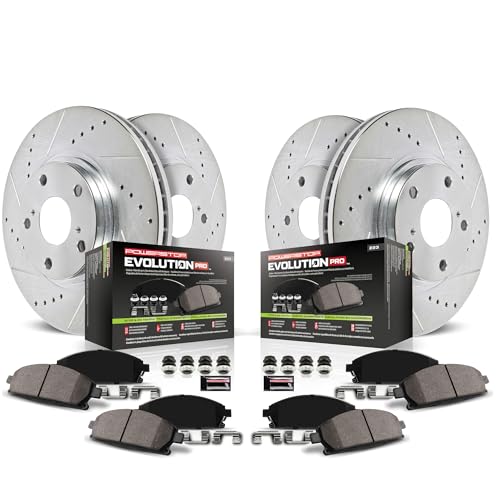
PLEASE CONFIRM YOUR FITMENT: Using the Amazon Confirmed Fit bar at the top of the page or check the Product Description to confirm your vehicle fitment. Item packaging may differ from image shown

PLEASE CONFIRM YOUR FITMENT: Using the Amazon Confirmed Fit bar at the top of the page or check the Product Description to confirm your vehicle fitment. This may be delivered in multiple boxes

PLEASE CONFIRM YOUR FITMENT: Using the Amazon Confirmed Fit bar at the top of the page or check the Product Description to confirm your vehicle fitment. This may be delivered in multiple boxes
Frequently Asked Questions
How does the Toyota Camry brake system work step by step?
When you press the brake pedal, the system determines how much braking force you request. On a hybrid Camry, it can use regenerative braking when conditions allow and blend in hydraulic friction braking as needed. Calipers press pads against the rotors, while systems such as ABS and EBD can adjust brake pressure during hard stops or changing traction.
What is the difference between ABS and VSC?
ABS helps reduce wheel lock during hard braking so you have a better chance of steering. VSC helps address a detected skid or loss of directional control by adjusting engine output and applying braking at selected wheels. Neither system can overcome excessive speed, poor tires, or limited road grip.
Does every Toyota Camry use rear drum brakes?
No. Brake hardware varies across Camry generations, trims, powertrains, and markets. Confirm the exact rear-brake design and replacement parts with the VIN and model-specific Toyota information before ordering components.
How often should you inspect Toyota Camry brakes?
Follow the maintenance guide for your exact model year and driving conditions. Inspect the system sooner when you hear persistent noise, feel vibration, notice a pedal change, see a warning indicator, find a fluid leak, or experience longer stopping distance.
Why does a hybrid Camry brake pedal sometimes feel different?
A hybrid Camry blends regenerative braking with friction braking, so pedal response can change slightly as the system transitions between them. A new persistent change, reduced braking, a warning light, a sinking pedal, or an unusually hard pedal is not something to ignore and needs inspection.
Can you drive with a Toyota Camry brake warning light?
Do not continue normal driving when a red brake-system warning remains on, braking is reduced, the pedal sinks, or fluid is leaking. Stop safely and consult the owner manual for the exact vehicle. An ABS or other amber safety-system warning also needs prompt inspection because some assistance functions may be unavailable.
Safety Disclaimer: This guide summarizes general Toyota brake-system information and does not replace the owner manual, a vehicle-specific diagnosis, or advice from a qualified technician. Do not open hydraulic lines, service high-voltage hybrid components, or attempt safety-critical brake repairs without the correct training, tools, and service information.
Conclusion
Your Toyota Camry relies on friction brakes, hydraulic pressure, electronic controls, and, on current U.S. models, regenerative braking. Learn the normal behavior of your vehicle and act when the pedal feel, stopping performance, sounds, fluid level, or warning indicators change.
If braking is reduced, the pedal sinks, fluid is leaking, or a red brake warning remains active, stop in a safe place and arrange professional help. For other changes, compare the symptom with the owner manual for your exact Camry and schedule an inspection before it becomes more serious.
References
- 2026 Toyota Camry Specifications — Toyota Motor Sales, U.S.A., 2026
- Toyota Safety Hub and Star Safety System — Toyota Motor Sales, U.S.A., 2026
- Toyota Dashboard Warning Lights — Toyota Motor Sales, U.S.A., 2026
- Toyota Owner’s Manuals and Warranty Resources — Toyota Motor Sales, U.S.A., 2026
- 2026 Toyota Camry Nightshade Road Test — Car and Driver, 2026