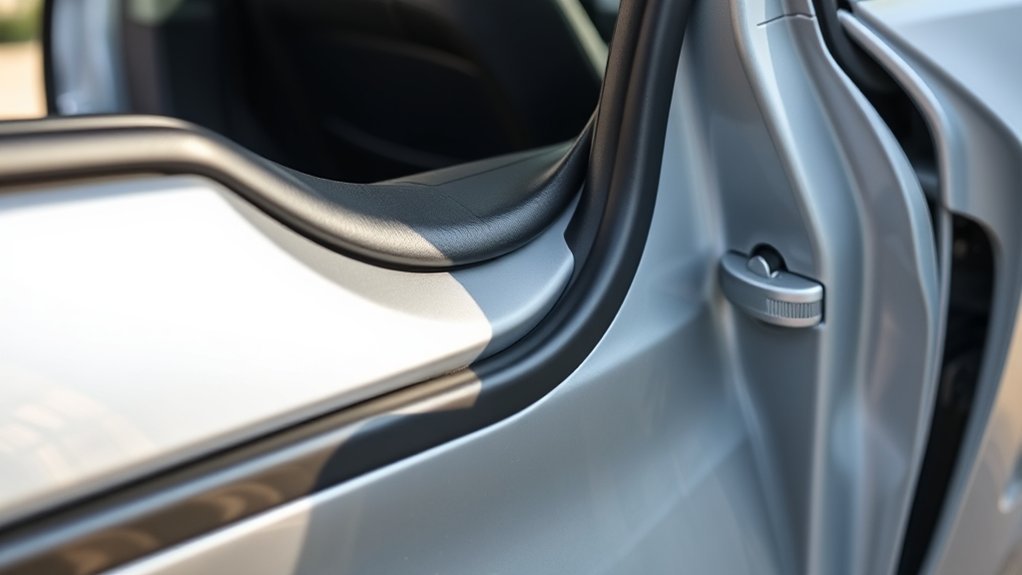
Most parents don’t think about the rear child safety locks on their Camry until a door swings open at the wrong moment. Each rear door has a small mechanical switch on its inner edge, near the latch. Flip it down to lock, flip it up to unlock, and you’re done. This guide walks you through the exact steps to set and unset the locks, fix a stubborn switch, and keep the mechanism in good working order.
What’s in This Article
- Where Camry Rear Child Safety Locks Are Located
- Before You Begin
- How to Set the Rear Child Safety Locks
- How to Unlock the Rear Doors to Restore Normal Use
- In-Car Safety Practices While Child Locks Are Active
- Troubleshooting: What to Do If a Child Lock Won’t Move or Work
- When to Enable, Disable, or Get Professional Help
- Simple Maintenance Checks to Keep Rear Child Locks Working
- Frequently Asked Questions
Quick Answer
The rear child safety locks on a Toyota Camry sit on the inner edge of each rear door, near the latch. Flip the small switch down to engage the lock (preventing the door from opening from inside) and up to restore normal operation. Each door has its own switch, so you set them one at a time. No tools needed — the whole process takes under two minutes.
Key Takeaways
- Each rear door has its own mechanical child safety switch on the door’s inner edge, near the latch.
- Flip the switch down to lock (blocking interior opening) and up to restore normal use.
- Test engagement by pressing the interior handle while the door is open — it should not release the door.
- Child locks only prevent opening from inside. Adults can always open the door from outside.
- If a switch feels stiff or won’t move, clear debris first, then apply a small amount of penetrating lubricant to the pivot points only.
Where Camry Rear Child Safety Locks Are Located
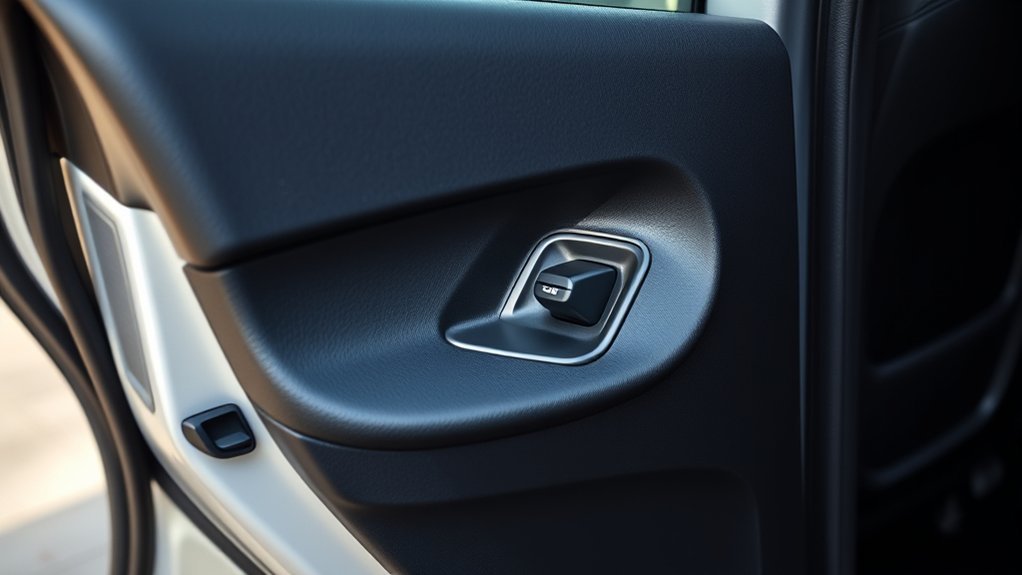
Open either rear door on a Toyota Camry and look at the door edge near the latch. You’ll find a small switch mounted directly on that exposed edge. Set it down to lock and up to restore normal interior opening.
Each rear door has its own switch, and there’s no shared control between the two. You inspect and set each one individually. The switch uses a simple up/down action — no tools, no wiring, no settings menu.
Make this check part of your regular safety routine. Knowing exactly where each switch sits means you can verify or change the setting in seconds.
Before You Begin
Time needed: About 2 minutes total (under 1 minute per door).
Tools required: None.
Prerequisites: Park the vehicle on level ground. Open each rear door fully — the door must be completely open to access the switch on the door edge.
How to Set the Rear Child Safety Locks
Follow these steps to engage the rear child safety locks on a Toyota Camry. Work one door at a time and repeat the full sequence for both rear doors.
- Open the rear door fully. The door must be completely open to expose the switch on the door edge.
- Find the switch. Look at the inner edge of the door near the latch. You’ll see a small lever or tab — many Camry models also mark it with a lock icon.
- Flip the switch down. Apply firm, controlled pressure. You should feel a subtle click when it seats in the locked position.
- Test the interior handle. Press the interior door handle while the door is still open. It should move without releasing the door. If the door opens, the switch isn’t fully engaged — reset it and test again.
- Close the door and repeat. Move to the opposite rear door and run through the same four steps.
Pro tip: Always test the interior handle before closing the door — it’s far easier to re-engage the switch while the door is open than to pull over and recheck after you’ve driven away.
How to Unlock the Rear Doors to Restore Normal Use
To turn off the child locks, open each rear door and flip the switch upward. You’ll feel a click when it reaches the open position. Confirm the switch is fully up before closing the door.
After restoring both doors, test the interior handles to confirm they open the doors normally. Check both rear doors so you don’t end up with one locked and one unlocked by mistake.
Add a quick visual check of the switches to your regular vehicle maintenance routine. It takes seconds and keeps you confident the doors behave exactly as expected.
In-Car Safety Practices While Child Locks Are Active
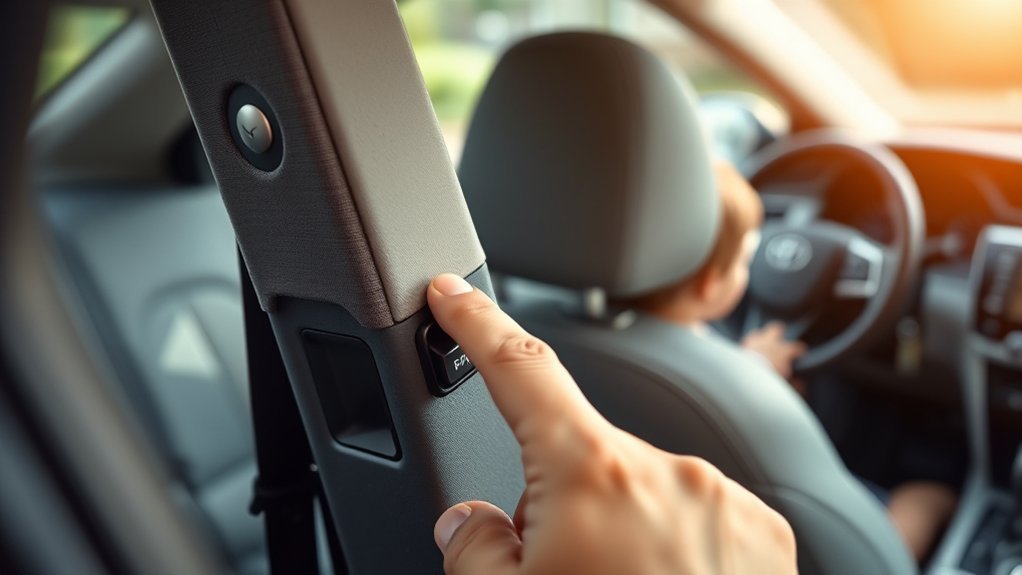
Setting the child locks changes how the rear doors behave. Build a few habits around that change to keep every trip safe and predictable for everyone in the car.
- Confirm: Engage both rear child locks and test each door from inside before every trip with young children.
- Educate: Tell older children why the locks are on and when you’ll restore normal door use. A quick explanation builds better habits than silence.
- Clear: Remove loose bags or items near the rear doors to prevent accidental pressure on the handles.
As children get older, adjust your approach. You can start disabling the locks on one side once a child reliably follows your instructions about doors. The change is reversible and takes under a minute.
Troubleshooting: What to Do If a Child Lock Won’t Move or Work
Start with the obvious. Open the rear door fully and look at the switch area for visible dirt, grime, or debris blocking movement. Partial door closure can also prevent full engagement, so confirm the door is completely open before anything else.
Use a flashlight to get a clear view of the mechanism. A slim pick or toothpick can dislodge particles stuck in the pivot point. Don’t force the switch if it resists.
Warning: Never force a stiff child safety switch — forcing it can snap the lever or damage the latch mechanism, turning a simple fix into a costly repair.
If the switch still feels stiff after clearing debris, apply a small amount of penetrating lubricant precisely to the pivot points. Don’t saturate the surrounding trim or the latch itself. Work the switch back and forth several times to spread the lubricant, then retest.
If the lock still won’t engage or release after these steps, take the car to a Toyota dealer or qualified mechanic for professional diagnosis. Don’t drive with a malfunctioning child lock if you regularly transport young passengers.
When to Enable, Disable, or Get Professional Help
Enable the rear child locks any time you transport young children who might try to open the doors. Disable them once those children are old enough to consistently follow door-safety rules. Train all regular caregivers on how the locks work so no one is caught off guard.
When to Enable
Base your decision on who is in the car, not just how old they are. A five-year-old who follows instructions may not need the lock; a curious eight-year-old in an unfamiliar situation might.
- Enable when passengers include toddlers or any child who doesn’t consistently follow safety instructions about doors.
- Disable when children are mature enough to reliably leave the doors alone while the vehicle moves.
- Re-enable if new younger passengers board, or if you haven’t tested the locks recently.
Run a quick functional check before departure. If the mechanism doesn’t feel right, check the owner’s manual or ask a mechanic before driving.
When to Seek Professional Help
Act quickly when lock operation becomes uncertain. A switch that won’t move or won’t stay in position is a safety issue, not a cosmetic one.
| Condition | Action |
|---|---|
| Young children present | Enable locks and verify engagement |
| Older, responsible occupants only | Disable locks and confirm normal handle operation |
| Mechanism failure or intermittent function | Get professional diagnosis and repair |
If a child lock fails to engage or disengage, book a professional inspection right away. Keep a simple log of any checks or repairs so you can track recurring issues and give accurate information to a technician.
Simple Maintenance Checks to Keep Rear Child Locks Working
Check both rear child safety locks every few months. Look for debris around the switch, feel for smooth travel in both directions, and confirm the mechanism clicks cleanly into each position.
Pro tip: A quick check at every oil change takes under two minutes and catches debris or stiffness before it becomes a stuck switch.
Clear any visible buildup with a soft brush or compressed air. If the switch feels sluggish, apply a small amount of lubricant to the pivot points only — not the latch. Work the switch a few times to spread it evenly.
- Verify switch travel and feel in both the locked and unlocked positions.
- Clear debris with a soft brush or compressed air; apply minimal lubricant if the switch is stiff.
- Log results and schedule a follow-up if anything feels off.
Escalate any unresolved issue to a technician rather than forcing the mechanism. Consistent checks keep the locks reliable and catch small problems early.
Frequently Asked Questions
Can Child Safety Locks Prevent Parents From Opening Rear Doors in Emergencies?
No. Child safety locks block the interior handle only. You can still open the rear doors from outside the vehicle at any time. External access is always available, so adults are never locked out in an emergency.
Do Child Locks Affect Child Seat Installation or LATCH Access?
No. Child locks have no effect on LATCH anchor access or child seat installation. You can install and secure a car seat normally with the lock engaged. After installation, engage the lock and verify the seat is correctly anchored and tethered.
Are Aftermarket Child Lock Systems Compatible With Toyota Camry Doors?
Many aftermarket systems fit Camry rear doors, but compatibility varies by model year. Check actuator alignment, wiring requirements, and whether installation affects your warranty before buying. A reversible installation that doesn’t modify the door panel is the safest choice.
Can the Child Lock Be Engaged Remotely or via Vehicle Settings?
No. The standard Camry child safety lock is a manual mechanical switch on each rear door. No remote or in-car menu option exists to engage it. You set it by hand every time.
Do Child Safety Locks Interfere With Rear Door Airbags or Sensors?
No. Child safety locks are purely mechanical and only affect the interior handle. Airbag deployment and door sensors operate independently. Engaging the child lock doesn’t change how any other safety system functions.
Conclusion
Setting or unsetting the Camry’s rear child locks takes under two minutes and requires no tools. Flip the switch on the inner door edge, test the handle while the door is open, and repeat for the other door. If a switch sticks, clear debris before reaching for lubricant, and call a mechanic if basic steps don’t resolve it.
Use the locks whenever young children ride in the back, and check both switches as part of your regular maintenance routine. A quick check every few months is enough to keep the mechanism working reliably.