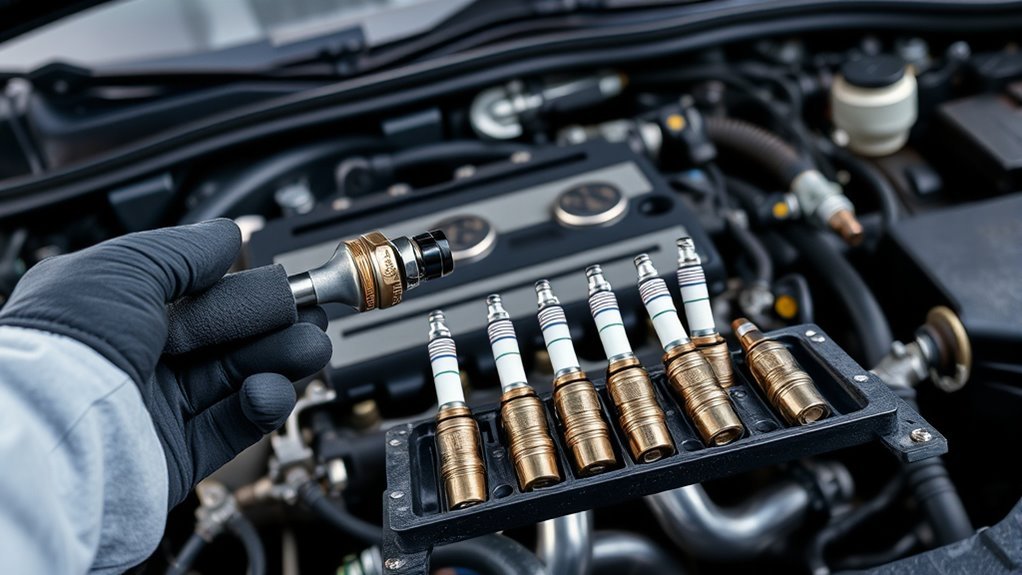
Worn spark plugs can make a Toyota Camry feel weak long before the engine refuses to start. The factory interval depends on the engine, and harsh driving can shorten plug life. This guide explains when to replace Camry spark plugs, what warning signs to watch for, and what to ask your Toyota service advisor.
Quick Answer
Most Toyota Camry models need spark plug replacement at about 120,000 miles or 144 months. Some 3.5L V6 service schedules call for replacement at about 60,000 miles or 72 months, so check your model year and engine. Replace them sooner if you notice rough idle, misfires, poor fuel economy, hard starts, or a check engine light.
Key Takeaways
- Check your Camry maintenance guide because the spark plug interval can vary by engine.
- Most iridium spark plugs last longer than copper plugs, but they still wear over time.
- Replace plugs early when rough idle, misfires, hard starts, or poor fuel economy appear.
- Use the correct plug type, heat range, and gap for your exact engine.
- Ask for inspection notes, gap measurements, and condition photos before approving service.
What’s in This Article
- Toyota Camry Spark Plug Replacement Interval
- Why Camry Uses Iridium Plugs
- Factory Schedule vs. Common Owner Practices
- Driving Conditions That Require Earlier Changes
- Symptoms of Bad Camry Spark Plugs
- How Technicians Inspect Spark Plugs
- Replacement Time and Cost
- OEM vs. Aftermarket Spark Plugs
- When to Schedule Service
- Frequently Asked Questions
Toyota Camry Spark Plug Replacement Interval
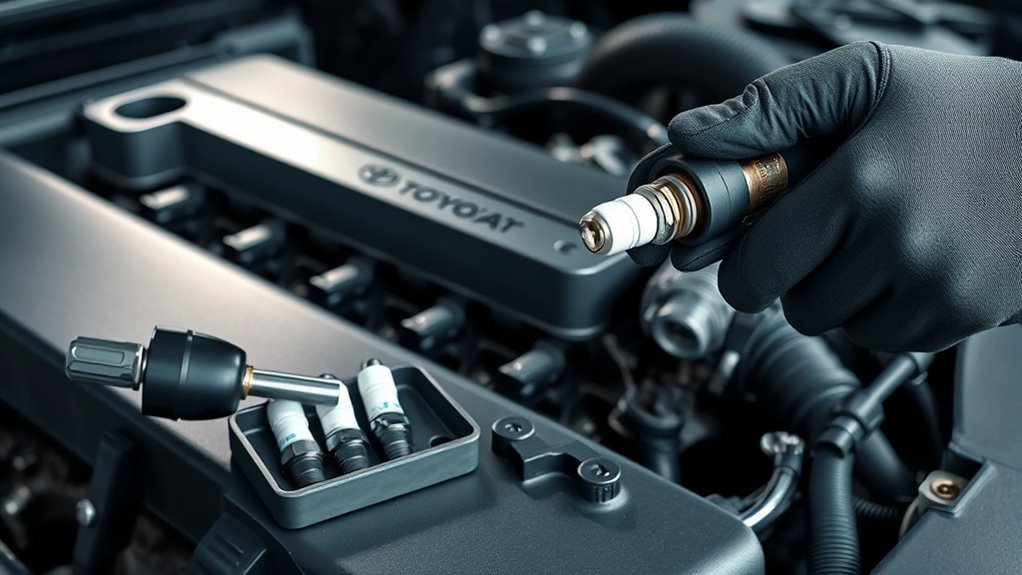
For many Toyota Camry models, you should replace the spark plugs at about 120,000 miles or 144 months. Some 3.5L V6 schedules use a shorter interval of about 60,000 miles or 72 months. Your owner’s maintenance guide remains the best source for your exact model year and engine.
Use the mileage interval as a baseline, then inspect plug condition during regular service. Watch fuel efficiency, idle quality, acceleration, and starting behavior. If those areas decline, inspect the plugs before the scheduled interval.
Harsh driving, stop-and-go traffic, towing, long idling, or frequent short trips can speed up wear. Ask your technician to check the gap, electrode wear, deposits, and ceramic insulator. Replace the plugs by mileage or symptoms, whichever comes first.
Why Camry Uses Iridium Plugs and What That Means for Lifespan
Toyota uses iridium spark plugs in many Camry engines because they last longer than older copper designs. A fine-wire iridium tip helps create a steady spark with less wear. That helps support clean combustion, steady idle, and fuel economy.
Iridium plugs can also reduce strain on ignition coils because they need less voltage than worn or poorly matched plugs. Their hard electrode material resists erosion, so they can support longer service intervals. That’s why many Camry schedules reach 120,000 miles under normal driving.
Long life does not mean no maintenance. A plug can still foul, crack, or wear early when the engine runs rich, burns oil, or sees harsh service. Treat the factory interval as a guide, not a promise.
Factory Schedule vs. Common Owner Practices for Camry Plugs
Toyota’s factory schedule reflects the durability of the specified plug type under normal use. Many owners still replace plugs earlier, often between 60,000 and 100,000 miles, to reduce misfire risk and keep performance steady. That choice depends on your engine, driving style, and tolerance for risk.
Early replacement can make sense when you already have the intake removed for other work or when symptoms appear. But early changes do not always create a major fuel economy gain. A healthy plug near the end of its service life may still work well.
Use evidence instead of guesswork. Ask for plug gap readings, photos, diagnostic trouble codes, and cylinder-specific notes. Good records help you decide whether to follow the schedule or replace the plugs sooner.
Note: Different Camry model years and engines can use different spark plug intervals, so confirm your exact schedule before buying parts.
Driving Conditions That Require Earlier Camry Spark Plug Changes
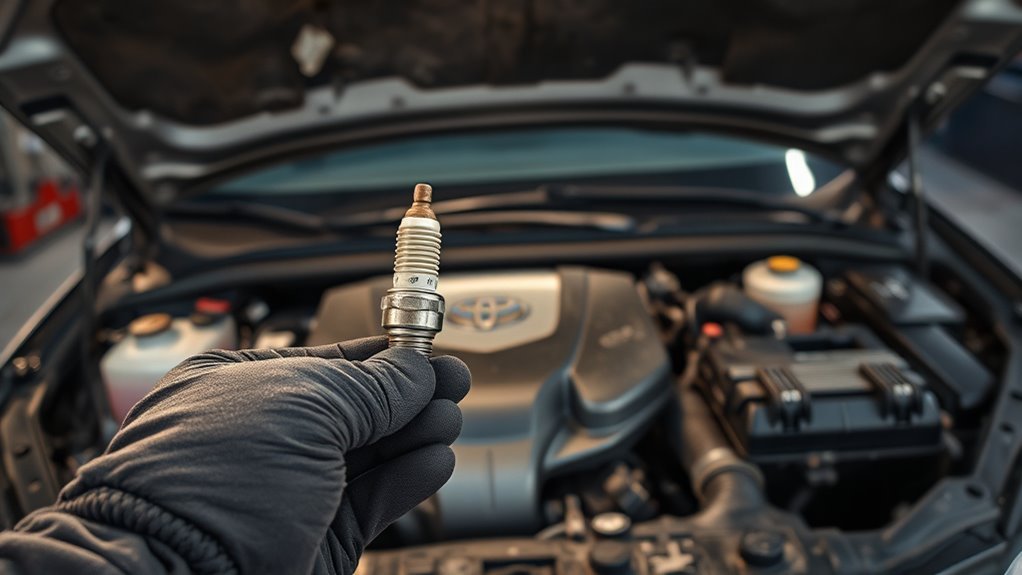
If you drive mostly in stop-and-go traffic, tow heavy loads, use poor fuel, or take frequent short trips, spark plugs can wear faster. Long idling and cold starts also prevent the engine from reaching ideal combustion conditions. Plan earlier inspections when these conditions describe your normal driving.
- Stop-and-go traffic increases heat cycles and electrode wear.
- Towing heavy loads raises cylinder temperatures and ignition demand.
- Poor or contaminated fuel can leave carbon deposits on the plug tip.
- Short cold trips can prevent the plug from burning deposits away.
- Extreme heat or cold can make ignition parts work harder.
Adjust your maintenance rhythm based on how you use the car. Check records, inspect plugs during other service, and replace them sooner when harsh conditions become routine.
How to Tell a Camry Spark Plug Is Failing
Bad spark plugs often show up through drivability symptoms before a complete failure. You may feel rough idle, weak acceleration, hard starts, or shaking under load. A check engine light can also appear when the engine detects a misfire.
Do not ignore symptoms that appear together. A misfire can stress the catalytic converter, ignition coils, and other engine parts. Scan the codes and inspect the plugs as soon as the symptoms become consistent.
Check Engine Light
When your Camry’s check engine light turns on, ignition or combustion faults may have triggered it. Spark plugs, ignition coils, wiring, fuel delivery, or engine compression can all cause misfire codes. A scan tool can help narrow the cause.
- Code P0300 can point to random or multiple-cylinder misfires.
- Codes P0301 through P0306 can point to a misfire in a specific cylinder.
- Hard starting can signal weak spark or poor fuel delivery.
- Poor acceleration can happen when a cylinder does not fire cleanly.
- Unusual engine noise can occur when misfires become severe.
Replace spark plugs when inspection confirms wear, fouling, cracks, or incorrect gaps. If the plugs look healthy, test the coils, injectors, and compression before replacing more parts.
Rough Idle and Poor Performance
Failing spark plugs can make your Camry idle rough because the fuel mixture does not ignite cleanly. You may feel vibration at stoplights or hesitation when you press the accelerator. Hard starts can also point to weak spark.
Poor combustion wastes fuel and can reduce your driving range. Misfires, knocking sounds, or shaking under load call for prompt inspection. Pair symptom checks with diagnostic codes before you approve repairs.
Warning: Driving with repeated misfires can damage the catalytic converter and raise repair costs.
How Technicians Inspect Camry Spark Plugs and What the Report Shows
A technician usually starts with a visual inspection after removing the ignition coil and plug. The report should note carbon buildup, electrode wear, oil deposits, gap size, and cracked insulators. These details help separate normal wear from deeper engine issues.
The technician may also run compression, coil, or firing tests when the engine misfires. Those tests show whether the problem comes from the plug, coil, injector, or cylinder sealing. Ask for results by cylinder so you can see the pattern.
Visual Electrode Inspection
A visual electrode inspection helps a technician judge spark plug wear and engine condition. The color, gap, deposits, and ceramic condition all matter. A clear report lets you approve targeted repairs instead of guessing.
- Check the electrode tip for rounded edges, pitting, or erosion.
- Look for light brown or gray color, which often points to normal combustion.
- Watch for black, oily, or wet deposits that may point to fuel or oil problems.
- Measure the electrode gap against the Toyota specification for your engine.
- Inspect the ceramic insulator for cracks that can cause misfires.
Compression and Firing Tests
Visual inspection gives clues, but compression and firing tests give stronger diagnostic proof. Compression testing measures pressure in each cylinder. Low or uneven readings can point to worn rings, valve problems, or head gasket issues.
Firing tests check whether the plug and ignition coil create a strong spark under load. Good compression with weak spark often points to an ignition fault. Poor compression points the technician toward mechanical engine repair instead.
Typical Time and Cost to Replace Camry Spark Plugs
If your Camry needs new spark plugs, plan on about 30 minutes to two hours of labor. Four-cylinder engines usually take less time because access stays simpler. V6 engines can take longer when the intake or brackets block the rear plugs.
Parts and labor often fall between $100 and $300, but local labor rates and engine layout can move the price higher. DIY replacement can save labor, but you need the right tools and torque specs. Cross-threading or over-tightening a plug can damage the cylinder head.
- Inspect plug wells and coil boots before removal.
- Use a spark plug socket, extension, and torque wrench.
- Expect more labor when intake parts must come off.
- Plan for delays if old plugs stick from carbon buildup.
- Install the plug type and gap listed for your exact engine.
Pro tip: Replace worn coil boots or damaged seals while the plugs are out if inspection shows cracks, oil, or carbon tracking.
OEM vs. Aftermarket: Which Spark Plugs Are Best for a Camry?
The best spark plugs for your Camry depend on engine spec, service interval, and budget. Genuine Toyota parts match the required heat range, electrode design, and fit. That reduces the chance of misfires caused by the wrong plug.
Aftermarket plugs can work well when they match Toyota’s required specification. Choose a reputable brand that lists your exact model year, engine, plug type, and gap. Avoid bargain plugs with unclear specs or the wrong electrode material.
If you want the safest choice, use the original equipment manufacturer (OEM) plug type listed for your engine. If you choose aftermarket, match the material, heat range, reach, and gap exactly. Do not install a plug because it “fits” the hole.
When to Schedule Service and What to Ask Your Toyota Advisor

Schedule spark plug service when your Camry approaches the interval listed in your maintenance guide. Ask for an earlier inspection if you notice rough idle, hard starts, misfires, or lower fuel economy. Heavy stop-and-go driving or towing can also justify earlier checks.
Bring your maintenance history and ask direct questions. Request the plug type, gap readings, cylinder notes, and condition photos. Also ask whether the technician inspected ignition coils, coil boots, oil leaks, and fuel system symptoms.
- Ask for inspection photos.
- Verify plug gap and plug type.
- Track maintenance history by date and mileage.
- Set mileage and calendar reminders.
- Confirm parts and labor warranty details.
Frequently Asked Questions
How Do You Know if Your Spark Plugs Are Bad on a Toyota Camry?
You may notice misfires, rough idle, hard starts, weak acceleration, or higher fuel use. A check engine light can also appear when the engine detects a misfire. Inspect the plugs and scan the codes before replacing parts.
How Long Does a Toyota Spark Plug Last?
Many Toyota iridium spark plugs can last about 100,000 to 120,000 miles under normal driving. Some Camry engines use shorter spark plug intervals, so confirm your model year and engine. Harsh driving can require earlier replacement.
What Is the 100,000-Mile Service on a Toyota Camry?
A 100,000-mile service usually includes a broad inspection of fluids, belts, filters, brakes, tires, and engine systems. Spark plugs may also come due around this range, depending on your engine and schedule. Your maintenance guide lists the exact items for your car.
Can You Replace Camry Spark Plugs Yourself?
You can replace Camry spark plugs yourself if you have the right tools and clear access. Use the correct plug socket, extension, and torque wrench. Stop and seek help if a plug feels stuck or the threads do not start smoothly.
Should You replace ignition coils with spark plugs?
You do not need to replace ignition coils every time you replace spark plugs. Inspect the coils and boots for cracks, carbon tracking, oil, or misfire history. Replace only the damaged or weak parts unless your technician finds a broader issue.
Conclusion
Your Camry’s spark plugs should follow the correct schedule for your engine, but symptoms can move that service date forward. Check your maintenance guide, watch for misfires or rough idle, and ask for a documented inspection before approving repairs. Use the correct plug type and torque procedure to protect the cylinder head and ignition system. Timely spark plug service helps your Camry start cleanly, run smoothly, and stay ready for the next drive.