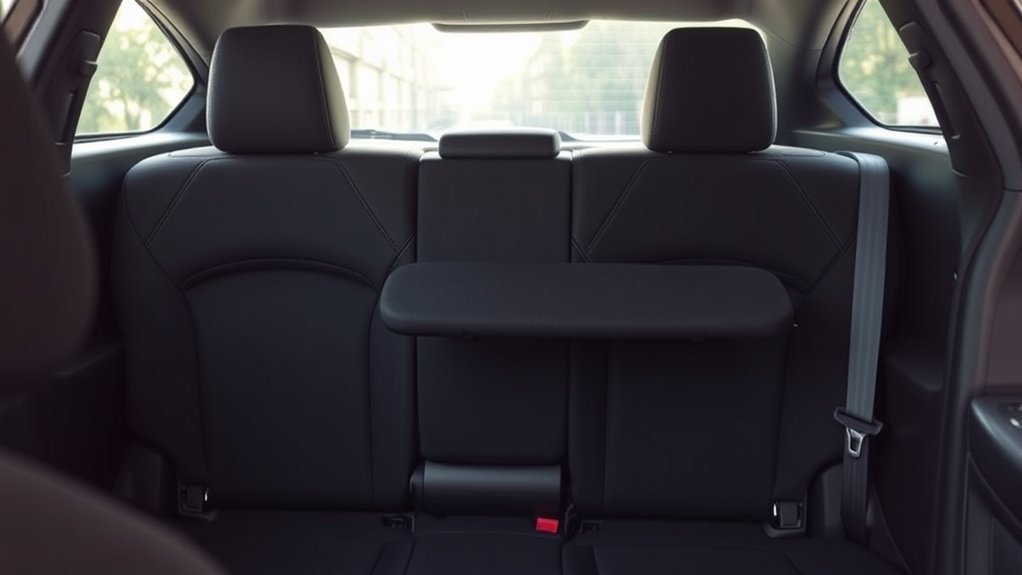
You’ll release the Camry’s rear seatbacks from the trunk by pulling the two small left and right release handles, then fold each backrest forward until it clicks to create a secure pass‑through for long items. Clear the area first, push seats firmly to verify locks engage, and inspect handles and latches for wear or debris. Lubricate pivots and tighten bolts as needed; if problems persist, a dealer can diagnose or replace parts — continue for full step‑by‑step tips.
Quick Answer: Fold Camry Rear Seats
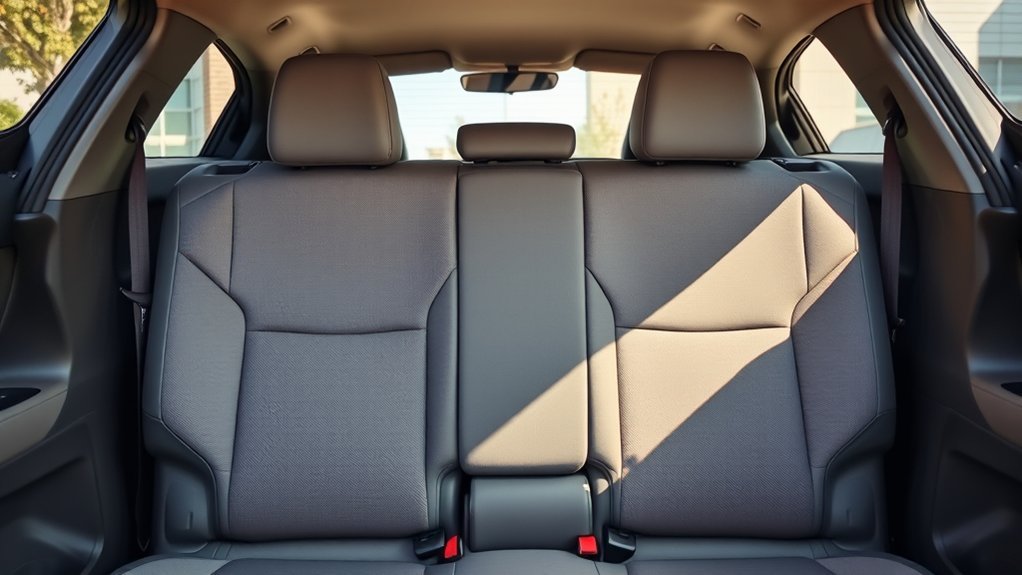
Locate the two small handles inside the trunk on the right and left sides, then pull them to release the rear seatbacks; make sure the area is clear before you fold the seats, and after lowering them push each seat back until you hear a click to confirm the lock. You’ll free up a flat plane that boosts cargo efficiency, so you can carry longer or bulkier items without compromise. Before folding, remove loose objects and check for child seats to protect seat comfort and safety. Pull each handle with a firm, controlled motion; don’t force it if there’s resistance — inspect the latch for wear and clear any obstruction. After folding, test each seat by pushing it back into place until it clicks; that audible lock is your assurance the mechanism engaged. Regular inspections keep the system reliable and support your freedom to adapt the cabin between passengers and cargo quickly and confidently.
Locate the Trunk Handles That Release the Rear Seats
Inside the trunk, you’ll find two small release handles mounted on the left and right walls; pull either one toward you to disengage its corresponding rear seatback so you can fold it down. When you open the trunk, scan the sidewalls for compact, molded handles—they’re designed for easy trunk access and clear operation. Grip a handle firmly and pull toward yourself; pulling from the seat won’t activate the mechanism, so trunk access is essential for reliable release. Each handle links to a locking assembly that secures the backrest once you fold it, maintaining seat functionality during transit. After you fold and reposition a backrest, push it until you hear a distinct click—that click confirms the lock engaged. Periodically inspect the handles and locking components for wear, corrosion, or loose connections so they’ll perform when you need freedom to reconfigure the cabin. Knowing the handle locations and their role gives you confident control over rear seat functionality without fuss.
Fold the Rear Seats From the Trunk : Step by Step
Now that you know where the trunk release handles are, folding the rear seats is a quick three-step task you can do from the trunk. Stand at the trunk, keep the area clear, and reach the two small handles on the left and right. Pull a handle toward you to release the corresponding backrest; do the same on the other side to free both. Push each backrest forward until you hear a click, ensuring it locks into place for safe cargo organization and preserved seat comfort when restored.
| Step | Action | Tip |
|---|---|---|
| 1 | Clear trunk | Remove obstructions |
| 2 | Pull handle | Use steady pull |
| 3 | Fold seat | Push until click |
| 4 | Inspect | Check handles/locks |
You’ll feel liberated by the expanded space. Regularly inspect handles and locks for wear to keep the system reliable and maintain smooth folding and unfolding.
Verify the Seat Locking Mechanism After Folding
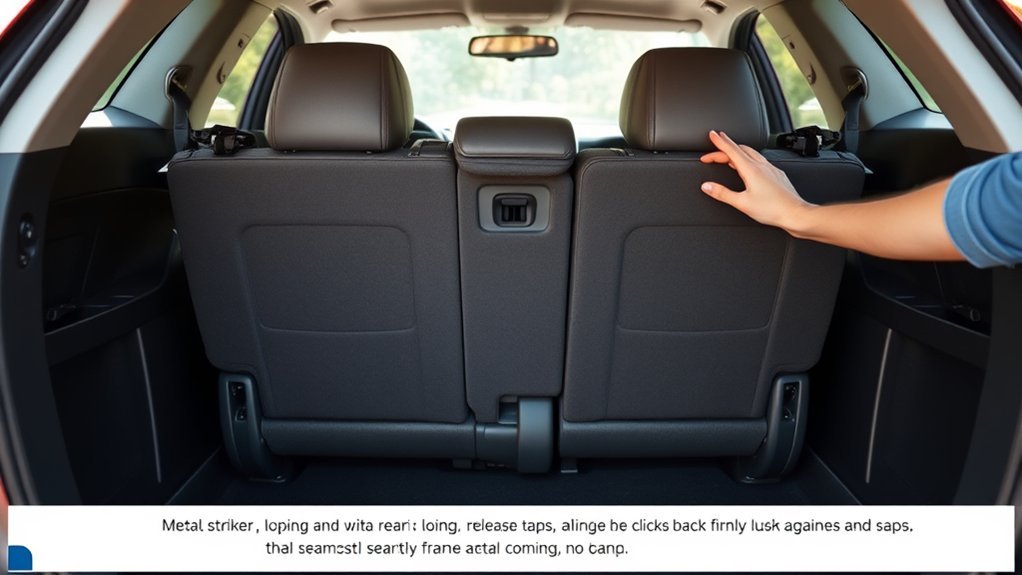
Push each folded backrest firmly toward the seat base until you hear a distinct click, confirming the latch on the left and right sides has engaged. You’re verifying seat safety and asserting control over your space; don’t accept a partial engagement. Test each side individually and listen for that familiar click so you know the locking mechanism has done its job.
- Push firmly and listen for the click on both left and right locks.
- Visually inspect the locking mechanism for wear, dirt, or obstruction.
- If a lock fails to engage, clear debris and retest; seek repair for mechanical faults.
- Repeat these checks regularly to maintain reliable seat safety during transit.
Act deliberately: a secure lock prevents unexpected movement, protects passengers, and frees you from worry. Learning the sound and feel of a proper lock gives you confidence on the road and preserves the integrity of your Camry’s rear seats.
Use the Pass‑Through and Folded Seats for Long Items
Open the trunk and pull the two handles on the right and left toward you to release the rear seatbacks. Fold the seats down and push them back until you hear the click so the locking mechanism secures them. With the pass‑through open and locks engaged, load longer items like sports gear or small furniture, and check handles and locks regularly for wear.
Open Trunk Handles
If you need extra length for cargo, reach into the trunk and pull the small handles on the right and left sides toward you to release and fold the rear backrests. You’re freeing space intentionally: this simple motion opens a clean pass‑through and extends cargo capacity for long items while supporting trunk organization and seat maintenance. Do it confidently, then use the pass‑through to slide gear through the cabin.
- Locate both handles inside the trunk before loading.
- Pull each handle toward you firmly to fold the corresponding backrest.
- Push folded seats back until you hear a click to confirm secure engagement.
- Inspect handles and locks regularly to guarantee reliable operation.
These steps give you liberated cargo flexibility without compromising safety or function.
Secure Seat Locks
When you fold the rear seats using the trunk handles, make sure you push each seat back until it clicks so the right‑and‑left locking mechanisms engage and keep the seats from moving during transit; regularly inspect those locks for wear or debris so they’ll hold reliably when you use the pass‑through to carry long items. You’re in control: pull the trunk handles, drop the seatbacks, then press each into place until the click confirms engagement. Check both locking mechanisms visually and by hand before loading. Clean out grit that could prevent full latching. Proper seat safety means those locks must resist bumps and shifts, freeing you to transport oversized gear without fear. If a lock feels loose, service it before relying on the pass‑through.
Load Longer Items
Start by pulling the two trunk handles toward you to drop the rear seatbacks and create a continuous pass‑through into the cabin; then push each seat back until you hear the click so the locks engage and the expanded cargo area will securely hold longer items. Use that space to load lumber, sporting gear, or furniture pieces without compromise. Keep weight centered and low, and avoid overhanging hazards.
- Inspect the trunk release and folding latches before each trip for reliable cargo organization.
- Slide long items through the pass‑through, aligning them with the centerline to maintain balance.
- Push each folded seat until it clicks; this is essential seat maintenance to prevent movement.
- Secure items with straps or soft padding to protect seats and stabilize your load.
You’ll free yourself to carry more, safely and confidently.
Safety Checklist: Clear Area, Latch Check, Secure Cargo
Before you fold the rear seats, clear the surrounding area of people, pets, and loose items to prevent damage or injury. Verify each latch and folding handle in the trunk works properly, and after folding push the seat until the lock clicks to confirm engagement. Finally, secure any cargo so it can’t shift into the passenger area during transit.
Clear The Surrounding Area
- Check the area around the rear seat and trunk before folding to keep movement free and safe. Clear loose items, sweep debris, and embrace the freedom of a tidy space. Confirm trunk organization so nothing blocks the fold path or jams the mechanism.
- Inspect both trunk-side handles for accessibility and function; reach in and operate each once.
- Secure any cargo with straps or nets so loads don’t shift when the seat moves.
- Remove small items from seat creases and trunk corners that could obstruct hinges or rails.
- Visually scan for debris, clothing, or tools that might catch during folding.
Do these steps every time you fold the rear seat; they protect you, your passengers, and your ability to travel unburdened.
Verify Latch Engagement
Check that both seat latches fully engage after you fold the rear seats by listening for a clear click and giving each seat a firm push to confirm it’s locked; do this every time to guarantee safety and freedom on the road. Use simple engagement techniques: pull handles, fold, push until the click. Inspect locks on both sides for wear as part of latch maintenance, and clear obstructions before folding. Secure cargo in the trunk to prevent shifting. If a latch feels loose, don’t ignore it—repair or replace it.
| Step | Action |
|---|---|
| 1 | Clear area |
| 2 | Fold seat |
| 3 | Listen for click |
| 4 | Push to test |
| 5 | Inspect locks |
Keep Handles and Locks Working (Care, Inspection, Lubrication)
Inspect the folding seat handles and locks regularly to make sure they operate smoothly and lock securely. You’ll practice handle maintenance and understand the locking mechanism so you can rely on freedom of movement and safe cargo control. Check for dirt, rust, or loose fasteners; clean the area and tighten bolts as needed. Lubricate pivot points and latch surfaces with a light spray lubricant specified in your manual, wiping excess to avoid attracting debris. Keep the trunk clear so parts aren’t obstructed during folding.
- Test each handle and lock after cleaning to confirm a positive click and full engagement.
- Apply lubricant sparingly to hinges, pivots, and latch tongues to prevent wear.
- Remove debris from tracks and the trunk area to maintain consistent operation.
- Refer to the vehicle manual for recommended products and service intervals.
You’ll inspect, clean, and lubricate on a schedule that keeps the rear seat system reliable without unnecessary repairs.
Troubleshoot Camry Rear‑Seat Folding & Lock Problems
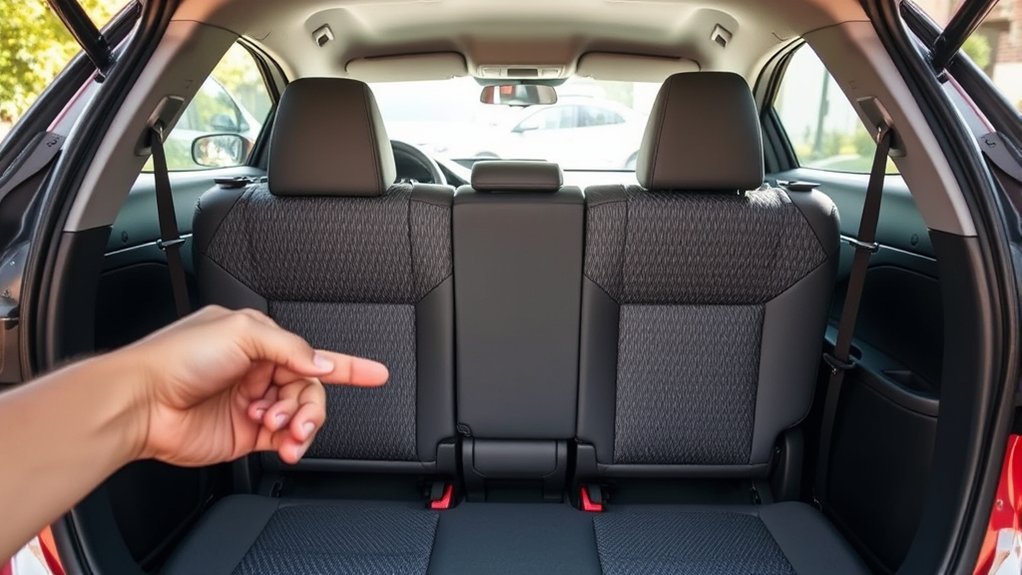
After keeping handles and locks clean and lubricated, you’ll troubleshoot any folding or locking failures by working through a few targeted checks. First, open the trunk and fully pull the two small release handles toward you; make sure the path is clear so the folding mechanism can move without obstruction. Next, fold each rear seat using deliberate seat adjustment movements and push the backrests until you hear a firm click—this confirms the locks engage. If a seat doesn’t lock, inspect the corresponding handle and latch for debris, wear, or misalignment that could block engagement. Clean and lightly lubricate pivot points, then retry the folding mechanism to see if normal function returns. Check both left and right locks; unequal locking often indicates a localized obstruction or a bent component. If you need further guidance, consult the owner’s manual for model-specific steps or seek professional help to restore safe operation.
When to See a Dealer or Replace Parts for Seat Issues
When your rear seats won’t fold smoothly, make unusual noises, or fail to latch securely despite clearing obstructions and lubricating pivots, you should see a dealer for a professional assessment or plan to replace worn components. You want dependable seats so you can move freely; ignore persistent binding, grinding, or loose catches. Prioritize seat maintenance to prevent sudden failures and protect occupants.
- If handles or locks resist or don’t work, get a dealer inspection to diagnose damaged linkages.
- When folding produces grinding or clunking, suspect worn gears or rusted pivots; replace parts if corrosion’s present.
- If seats don’t click securely after repeated checks, swap faulty latches or cables to restore safe operation.
- Replace fabric or seat structure showing significant wear to maintain comfort, safety, and function.
A timely dealer inspection saves time and empowers you to act—repair or replace what’s necessary and reclaim freedom of use.
Frequently Asked Questions
Why Is My Toyota Camry Telling Me to Check the Rear Seat?
Your rear seat isn’t locking properly, so the warning light’s activating; check both latches, push seats until you hear clicks, clear obstructions, and inspect handles—fixing this restores safety and frees you from worry.
Conclusion
Like the old adage says, measure twice, cut once — check before you haul. You’ve learned where the trunk release handles are, how to fold seats from the trunk, confirm locking engagement, use the pass‑through for long loads, and follow a simple safety checklist. Keep handles clean, inspect and lubricate latches, and troubleshoot binding or misalignment. If locks still fail, see a dealer or replace parts promptly to keep passengers and cargo secure.