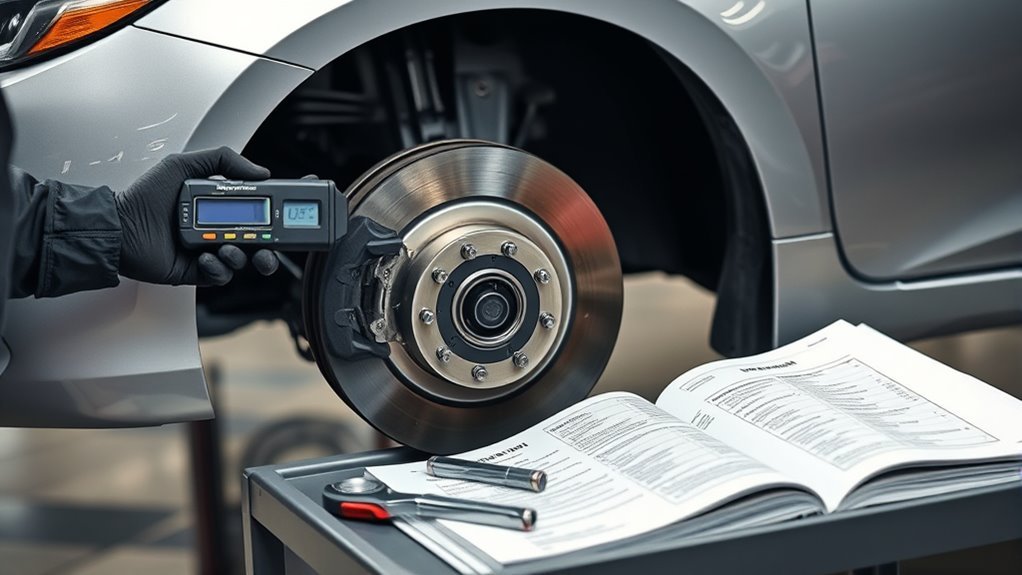
You should inspect your Toyota Camry’s brakes every 5,000 miles or six months, checking pad thickness, rotor surface, caliper operation, and system integrity. Do quick at‑home checks through the wheel openings for uneven pad wear, listen for squeals or grinding, verify firm pedal feel, and confirm brake fluid level and clarity. Have a technician measure pads (min 0.25 in), scan ABS, and inspect hoses; replace fluid at ~20,000 miles. Continue below for detailed steps and timing.
Recommended Camry Brake Inspection Intervals (Miles & Time)
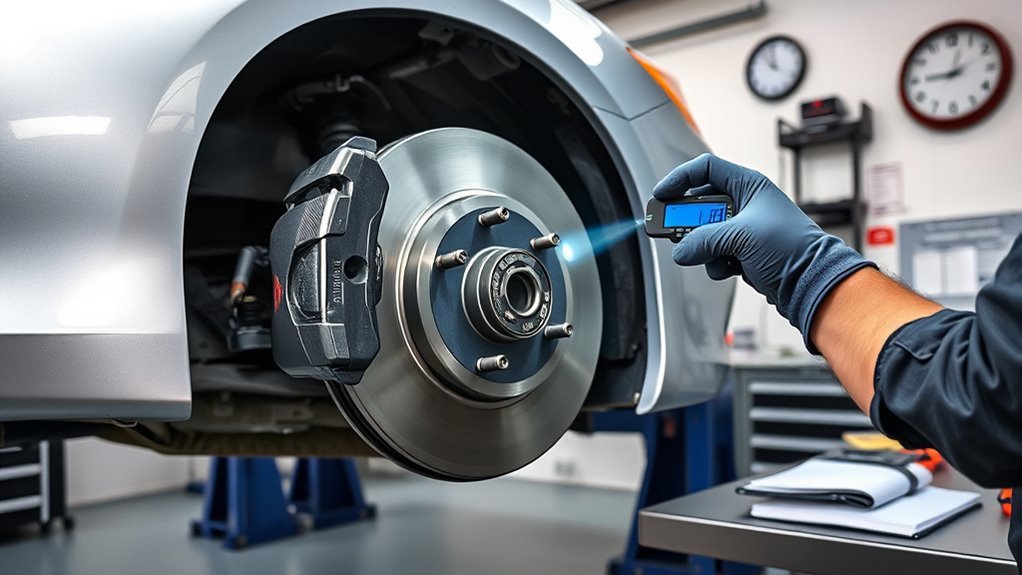
Every 5,000 miles or every 6 months, you should get a thorough brake inspection—typically aligned with oil changes—to verify pad thickness, rotor condition, caliper operation, and basic system integrity. You’ll maintain predictable brake performance by observing this inspection frequency as a baseline; it’s a deliberate habit that prevents degradation and preserves your control. At 10,000 miles annually, you should include a focused check of brake lines and hoses for leaks, chafing, or swelling, since compromised lines undermine hydraulic consistency. At 20,000 miles, plan brake fluid replacement to restore hydraulic effectiveness and prevent moisture-related corrosion. Follow the vehicle manual for adjustments based on your driving style and environment; aggressive urban or mountainous use calls for tighter intervals. Regular, methodical inspections uncover wear indicators and latent faults before they escalate into costly repairs or safety failures. You’ll gain freedom from unexpected breakdowns by treating inspection frequency as a disciplined, liberating maintenance ritual.
[Products Worth Considering]

Ensure accurate engine cooling with Toyota's genuine water temperature sensor, designed for precise coolant monitoring and reliable performance. This OEM part fits seamlessly into your vehicle, offering durability and consistent temperature readings for optimal engine health.
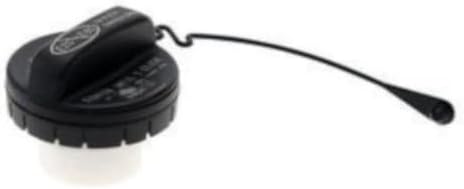
This genuine Toyota fuel tank cap assembly ensures a perfect fit for your vehicle, delivering reliable sealing and protection against fuel leaks. It meets OEM specifications, offering Toyota‑quality assurance and a manufacturer warranty for peace of mind. Ideal for drivers seeking authentic parts that maintain performance and safety.

Secure your vehicle's fuel tank with this durable ABS locking gas cap that provides a tight, waterproof seal to prevent leaks and theft. The key‑operated lock offers peace of mind while meeting OEM part numbers for a wide range of makes and models. Ideal for harsh weather conditions, it protects the tank from rust and corrosion, ensuring safe and reliable driving.
Quick At‑Home Camry Brake Checks (Pads, Pedal, Noises)
Alongside scheduled inspections, you can perform quick at‑home checks between service visits to catch emerging brake issues early. Inspect visually through the wheel openings: confirm pad thickness—new pads measure about 0.39–0.59 inches and you should plan replacement if they drop below 0.25 inches. Note uneven wear between inner and outer pads; that asymmetry flags caliper or hardware faults.
Listen and operate the controls deliberately. A high‑pitched squeal suggests worn pads nearing service; grinding means pads are likely metal‑on‑metal and require immediate attention. Test pedal feel at low speed in a safe area: a consistently spongy pedal may indicate air in the lines or degraded fluid; a hard pedal could point to brake booster problems. Check brake fluid level and clarity; degraded fluid reduces performance and often merits replacement near 20,000‑mile intervals.
- Visually measure pad thickness through wheel gaps.
- Compare inner vs. outer pad wear patterns.
- Detect noises: squeal versus grinding.
- Assess pedal feel and fluid level promptly.
Technician Brake Inspection Checklist: Pads, Rotors, Fluid, ABS
When you bring your Camry in for a technician inspection, they’ll methodically check pad thickness (keeping a minimum of 0.25 in.). You’ll see a focused brake pad inspection: measurements, wear patterns, and backing-plate condition recorded. Technicians perform rotor surface evaluation for grooves, rust rings, runout, and uneven contact that signal resurfacing or replacement.
They test brake fluid level and clarity, noting contamination; fluid that’s dark or laden with particulates prompts replacement—typically every 20,000 miles as a preventive interval. The ABS is scanned for codes, sensor integrity, pump and valve operation, and visible damage; technicians confirm wheel-speed sensor connectors and tone rings are intact.
Brake lines and hoses get a pressure- and visual-check for cracks or leaks that would erode stopping authority. You leave knowing exact thresholds and corrective actions, empowered to refuse unnecessary work and insist on only what restores safe, liberating control of your Camry.
[Products Worth Considering]
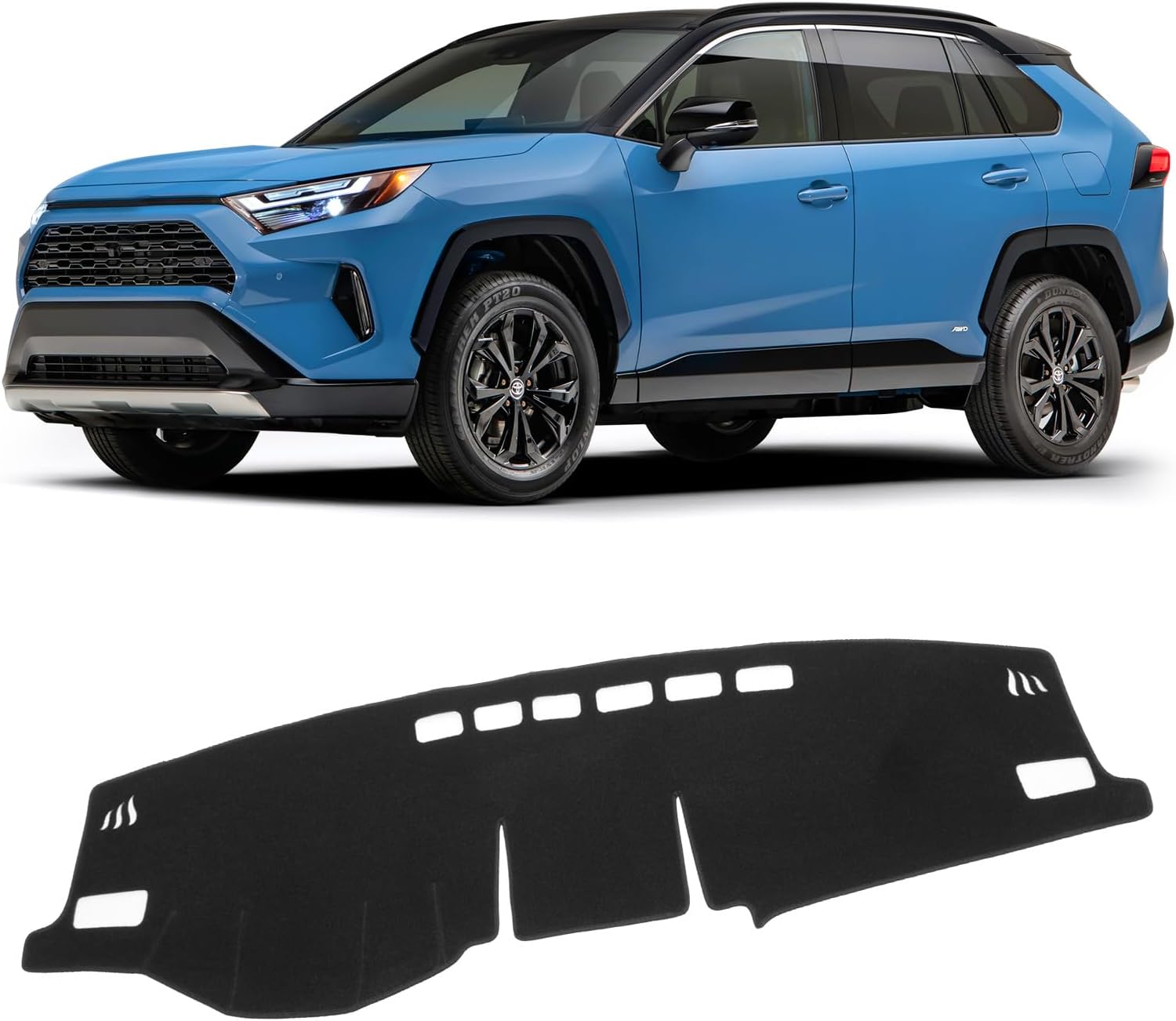
The KUST Black Dashboard Cover Mat offers a custom, eco‑friendly fit for Toyota RAV4 models from 2019 to 2025, protecting the dash from UV damage, scratches, and glare. Made from post‑consumer recycled polyester with a silicone anti‑slip underside, it stays soft, breathable, and odorless while securely adhering to the surface. Installation is quick and reversible, and the foldable design allows easy storage when not in use.

These valve stem caps feature a durable die‑cast construction with an electroplated finish that resists rust and wear, providing a sleek look for your wheels. The built‑in rubber O‑ring ensures a tight seal to prevent air loss, while the tool‑free design lets anyone install or remove them in seconds. Ideal for a wide range of Toyota models, they combine style, safety, and easy maintenance.
When to Stop DIY and Book a Pro (Urgent Warning Signs)
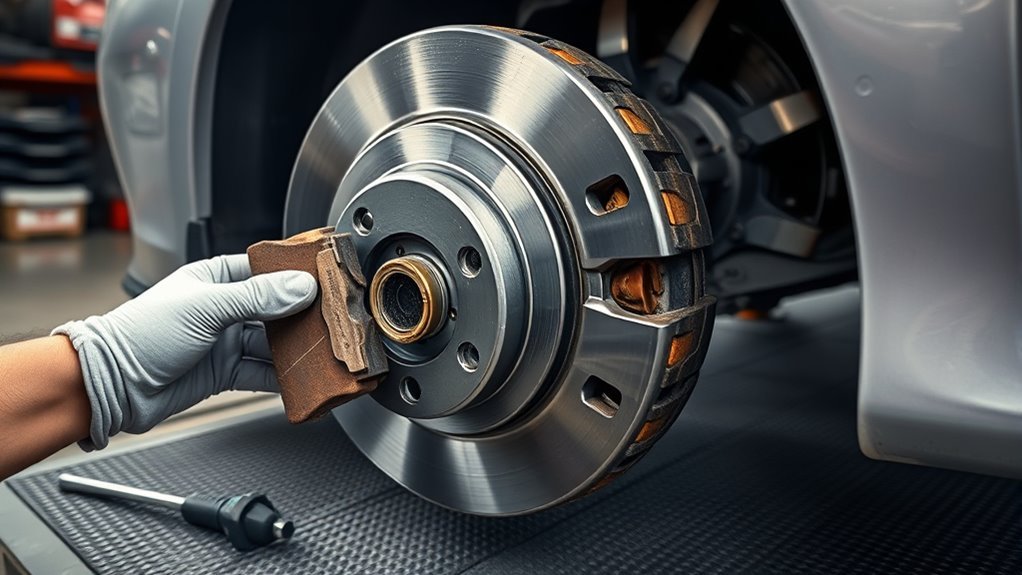
You’ve just had a technician checklist walk you through pad thickness, rotor condition, fluid clarity, ABS codes and hose integrity — that baseline helps you recognize what you can do at home and what you shouldn’t. When warning signs appear, stop tinkering and book a pro. Squeaky brakes that turn into a high-pitched squeal or grinding mean pads are critically worn; driving risks rotor damage and brake failure. A spongy pedal suggests air in lines or degraded fluid — those are hydraulic faults you shouldn’t attempt without proper tools and bleeding equipment. If the car pulls during braking or the pedal pulsates, rotors or calipers are likely compromised and demand expert inspection. Any red brake warning light requires immediate service.
- Squeaky brakes evolving to grinding: stop driving, tow recommended.
- Spongy pedal under load: avoid routes, seek urgent diagnostics.
- Pulling to one side while braking: don’t trust steering corrections.
- Pulsating pedal or warning lights: book a qualified technician now.
How to Plan Brake Maintenance: Parts, Costs, and Scheduling
Set a maintenance rhythm: inspect your brakes every 5,000 miles or six months, replace brake fluid at 20,000 miles, and plan pad replacement based on wear (typically 25,000–65,000 miles). You’ll take control by scheduling inspections, tracking mileage, and choosing parts that free you from uncertainty. Use genuine Toyota brake components for fit and predictable performance. Budget $150–$300 per axle for professional service; expect $50–$100 for DIY parts. Prioritize hydraulic health: fresh brake fluid prevents moisture, corrosion, and spongy pedals.
| Item | Recommendation |
|---|---|
| Inspection interval | 5,000 miles / 6 months |
| Brake fluid change | 20,000 miles |
| Pad replacement | 25,000–65,000 miles |
Maintenance tips: log dates, set calendar reminders, and inspect pads at every oil change. If you want liberation from roadside risk, act on wear signs early and swap fluid on schedule. That methodical approach minimizes cost, maximizes safety, and keeps your Camry responsive.
Frequently Asked Questions
How Often Do Brakes Need to Be Changed on a Camry?
You should change Camry brakes every 25,000–65,000 miles, adjusting for brake wear; inspect annually, replace pads below 0.25 inches, flush fluid ~20,000 miles, and follow maintenance tips to stay free from unexpected failures.
How Often Should I Get a Brake Inspection?
Get a brake inspection every 5,000 miles or biannually; sooner if a brake warning appears. You’ll follow a methodical schedule, prioritize inspection importance, swap fluid at 20k, and act fast for freedom and safety.
Conclusion
You’ve got a clear schedule and checklist, and by coincidence the next service milestone often lines up with your oil change—so use that stop to inspect pads, rotors, fluid, and ABS. Do quick at‑home checks between visits: listen for noises, feel pedal travel, spot uneven wear. If you notice vibration, grinding, or soft pedal, don’t wait—book a technician. Plan parts, costs, and appointments methodically to keep braking performance reliable.