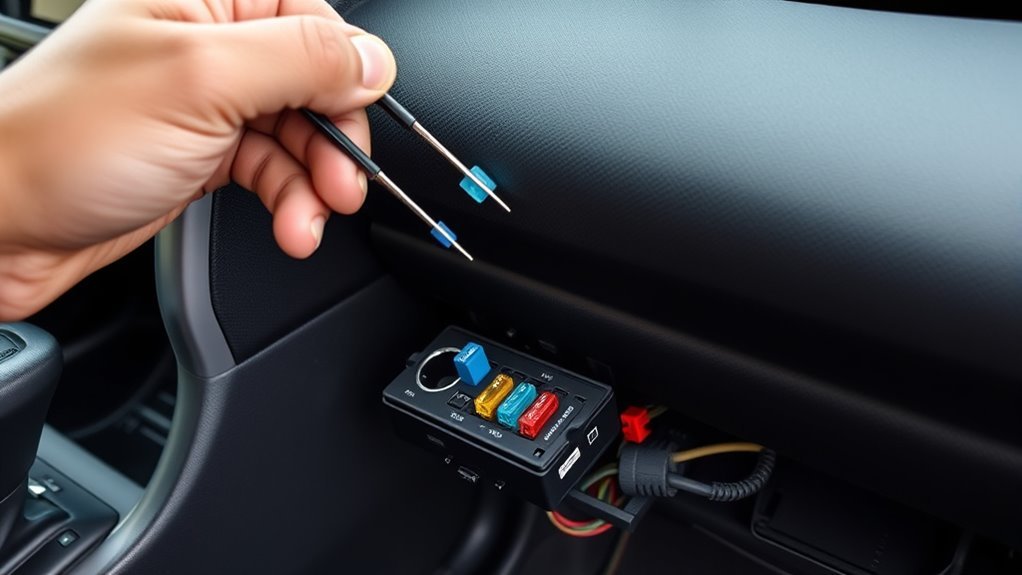
If you drive a Toyota RAV4 Prime, or the newer RAV4 Plug-in Hybrid name used from 2025 onward, the best mode depends on what you want to save: battery, fuel, or driver effort. EV Mode is best for quiet, short, lower-load driving when you can use stored plug-in electricity. HV Mode is better for highways, long trips, steep grades, towing, cold-weather heat demand, or anytime you want the gasoline engine and electric motors to share the work.
Quick Answer
Use EV Mode for short city trips, errands, school runs, and commutes within the battery range. Use HV Mode for highway cruising, long-distance driving, mountains, towing, low battery, or heavy climate-control use. Use Auto EV/HV when your route mixes city and freeway driving.
Key Takeaways
- EV Mode uses the traction battery and electric motors first, making it ideal for short, low-speed trips where you can avoid using gasoline.
- HV Mode works like a strong hybrid system, blending the gasoline engine and electric motors for steady power and longer range.
- Auto EV/HV Mode is the easiest setting for mixed routes because the vehicle decides when electric or hybrid operation makes more sense.
- Charge Mode can add battery charge while driving, but it usually costs extra fuel, so it should be used only when you have a specific reason to save EV range for later.
At a Glance
| Best EV Use | Short city driving, errands, school runs, commuting, quiet neighborhoods |
| Best HV Use | Highway travel, hills, towing, low battery, heavy heat or defrost use |
| Best Default | Auto EV/HV for mixed city and freeway routes |
| Main Goal | Use electric miles where they help most, then let hybrid mode handle sustained load |
Who This Guide Is For and What It Answers
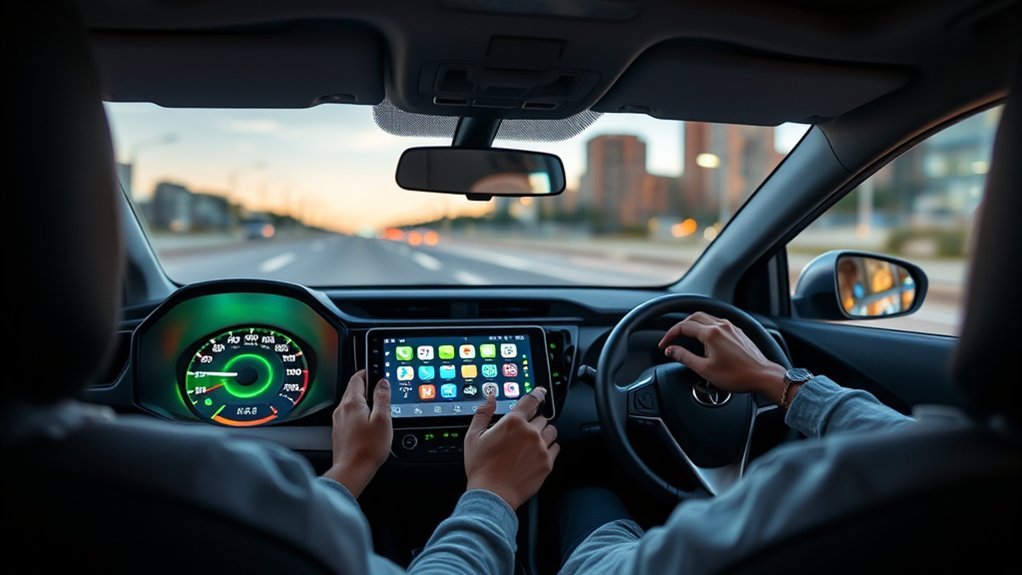
This guide is for RAV4 Prime owners, used shoppers, and prospective buyers who want a practical answer to one question: when should I use EV Mode versus HV Mode? Toyota changed the U.S. name from RAV4 Prime to RAV4 Plug-in Hybrid for the 2025 model year, but the basic mode strategy is similar for 2021–2025 models. For 2026, Toyota introduced a new-generation RAV4 Plug-in Hybrid with a higher manufacturer-estimated electric range, so always check your own owner’s manual for exact model-year details.
You’ll learn how each mode fits trip length, speed, hills, towing, winter driving, charging access, and battery state of charge. The goal is not to micromanage every mile. The goal is to make simple tactical choices so the vehicle works with your route instead of wasting fuel or battery at the wrong time.
EV vs HV Mode: Simple Comparison
| Mode | What It Does | Best For | Avoid When |
|---|---|---|---|
| EV Mode | Runs on plug-in battery power as much as conditions allow. | Short trips, local errands, city commutes, quiet driving. | Long climbs, high-speed travel, towing, low battery, heavy heating demand. |
| HV Mode | Blends gasoline-engine and electric-motor power like a hybrid. | Freeways, road trips, steep grades, heavier loads, preserving EV range. | Very short local trips where a full battery can cover the route. |
| Auto EV/HV | Lets the vehicle choose between electric and hybrid operation. | Mixed city/freeway driving and drivers who prefer less switching. | When you intentionally want to save battery for a later low-speed zone. |
| Charge Mode | Uses the gasoline engine to add charge to the traction battery. | Saving EV range for a later city, campsite, neighborhood, or restricted area. | Routine driving, steep climbs, or situations where plugging in is available soon. |
When to Use EV vs HV in the RAV4 Prime
Choose EV Mode when your trip is short enough to fit comfortably within the available battery range and you expect moderate power demand. That usually means local commuting, stop-and-go traffic, parking-lot speeds, neighborhood driving, errands, and predictable urban routes. The 2025 RAV4 Plug-in Hybrid is rated by FuelEconomy.gov at 94 MPGe on electricity and 38 MPG on gas only, with an all-electric range shown as 0–42 miles under EPA test conditions.
Choose HV Mode when the trip is longer, faster, heavier, colder, or more demanding. Toyota’s 2025 RAV4 Plug-in Hybrid information says the vehicle can drive as an efficient hybrid on long drives and use EV-only driving for local travel; it also lists 42 miles of manufacturer-estimated EV range and 38 MPG combined in hybrid mode. In plain English: use the battery where it gives you the biggest payoff, then let the engine help where sustained power is more efficient.
Pick EV for short, quiet, low-load drives. Pick HV for sustained speed, long distance, steep grades, towing, and battery preservation.
[Products Worth Considering]

Protect your Toyota RAV4 interior with this custom‑fit windshield sun shade that blocks 99% of harmful UV rays and reduces cabin heat. The mirror cut‑out ensures a seamless fit without gaps, while durable 240T polyester and bendable wire keep it sturdy through repeated use. Foldable and stored in a convenient pouch, it offers easy installation and removal for everyday comfort.

The Autovir windscreen shade offers full windshield coverage for Toyota RAV4 models from 2019 to 2026, blocking up to 99.95% of UV rays and reducing interior heat. Its multi‑layer reflective material provides SPF 100 and UPF 80+ protection while keeping the dashboard, seats, and steering wheel cooler. The foldable design installs quickly and stores conveniently in the glove box, and reinforced stitching ensures long‑lasting durability for daily use.
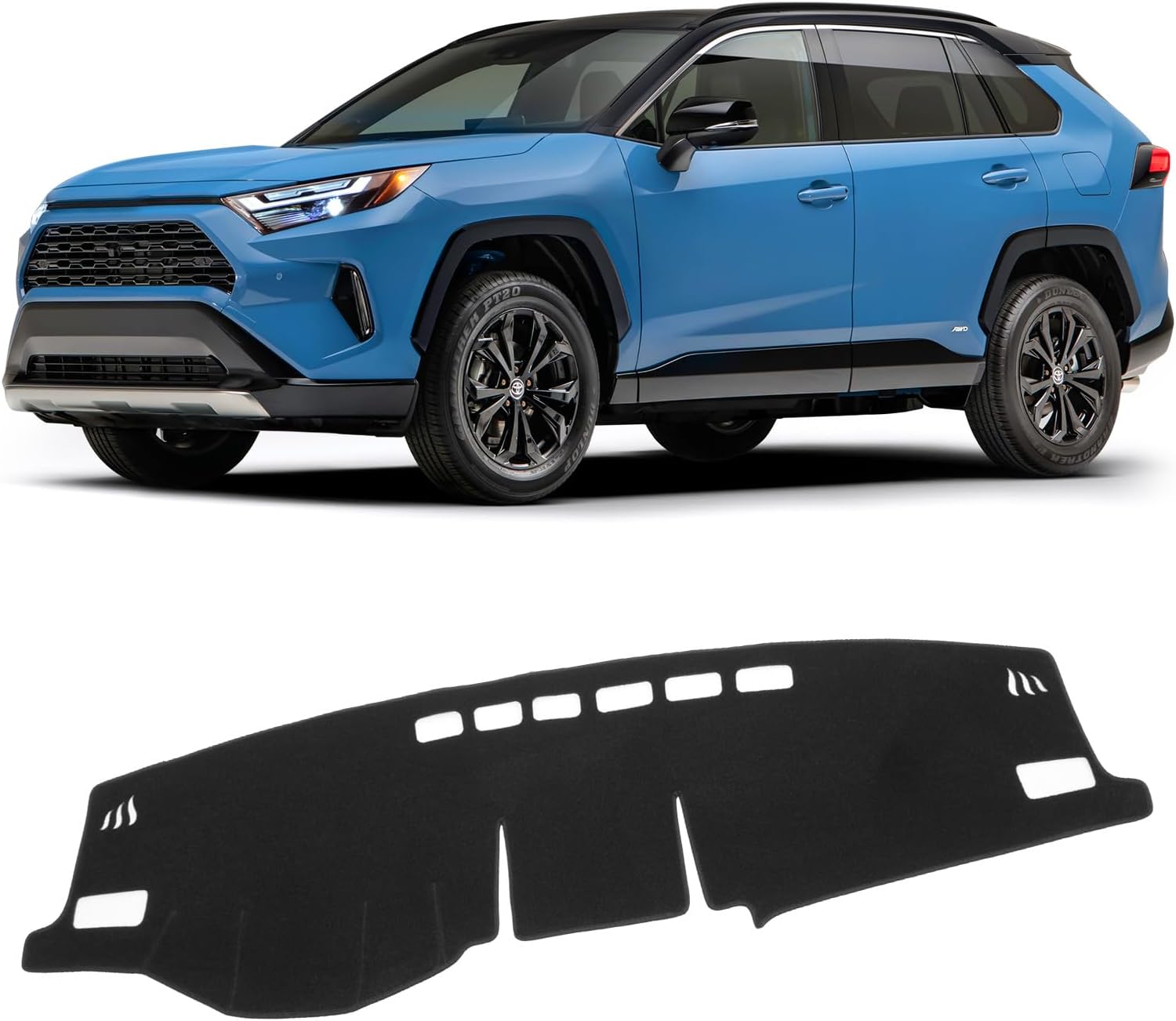
The KUST Black Dashboard Cover Mat offers a custom, eco‑friendly fit for Toyota RAV4 models from 2019 to 2025, protecting the dash from UV damage, scratches, and glare. Made from post‑consumer recycled polyester with a silicone anti‑slip underside, it stays soft, breathable, and odorless while securely adhering to the surface. Installation is quick and reversible, and the foldable design allows easy storage when not in use.
How EV Mode Works in the RAV4 Prime
In EV Mode, the RAV4 Prime tries to drive using electricity from the traction battery rather than gasoline. This is the mode that makes the vehicle feel most like a battery-electric SUV: quiet starts, smooth low-speed power, and no routine engine operation when conditions allow.
EV Mode works best when you drive smoothly. Easy throttle inputs, steady speeds, early braking, and smart use of regenerative braking help you stretch the available battery miles. Aggressive acceleration, high cruising speed, soft tires, roof cargo, hills, cold weather, and heavy HVAC use all reduce real-world range.
Note: EPA range is a test-cycle estimate, not a promise. FuelEconomy.gov notes that the 2025 RAV4 PHEV did not use gasoline for the first 42 miles in EPA testing, but it may use gasoline depending on how you drive.
[Products Worth Considering]

These silicone cup holder inserts provide a curved, anti‑shake design that securely grips water cups and bottles, preventing spills and rattling while driving. Made from high‑strength, waterproof silicone, they fit most vehicle cup holders and are easy to install with a self‑adhesive backing. The set includes six inserts, cleaning paper, and a manual for optimal placement and lasting stability.

These plush car seat belt cover pads provide a soft, friction‑reducing layer that eases shoulder pressure during long drives, making rides more comfortable for adults and kids. The cute purple flower pattern adds a stylish touch to any vehicle interior while the durable, wear‑resistant material ensures long‑term use. Easy Velcro straps secure the pads without tools, and the universal fit works with most seat belts.
When the Engine May Start Even in EV Mode
EV Mode does not mean the gasoline engine can never start. The system may start the engine if you request high power, run at sustained higher speeds, use heavy defrost or heat, have low battery state of charge, drive in very cold conditions, or operate outside the system’s limits. That behavior is normal. The car is protecting performance, emissions controls, battery health, and drivability.
Best Uses for EV Mode
- Daily commutes: Use EV when your round trip fits the available charge and you can plug in later.
- Errands and local loops: EV is excellent for stop-and-go trips where regenerative braking can recapture some energy.
- Neighborhood driving: EV keeps the vehicle quiet, but you should be extra alert because pedestrians may not hear the vehicle approaching.
- Low-speed city routes: Electric driving is often most useful where speeds are moderate and stops are frequent.
How HV Mode Works and When the Gasoline Engine Engages
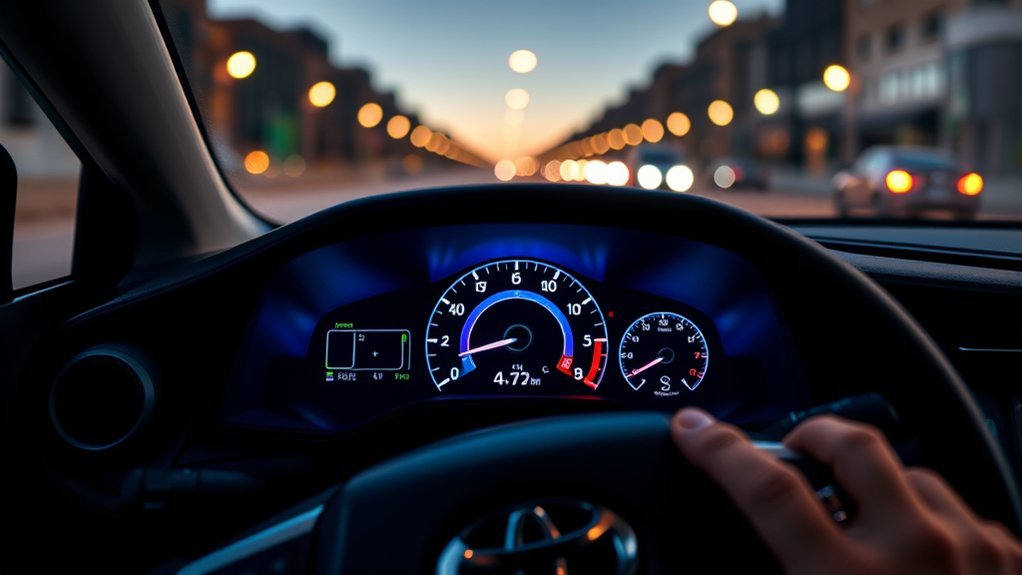
HV Mode stands for Hybrid Vehicle mode. Instead of trying to stay electric-only, the system blends the gasoline engine with electric-motor assist. That gives the RAV4 Prime steady power for freeways, hills, passing, long trips, and higher load situations.
Toyota describes the RAV4 Plug-in Hybrid as using a gas/electric powertrain that can run as an efficient hybrid on long drives and switch between EV, HV/EV Auto, HV, and Charge operation modes. In hybrid operation, the vehicle automatically combines engine drive force and electric-motor power from the hybrid battery.
Use HV when you want the engine to handle the hard, steady work. That can preserve battery range for later city driving and prevent the battery from dropping quickly during long uphill pulls or sustained freeway cruising.
Best Uses for HV Mode
- Highway trips: HV is the smart choice for long freeway stretches where EV miles can disappear quickly.
- Steep grades: HV lets the gasoline engine provide sustained power instead of draining the battery rapidly.
- Towing or heavy cargo: HV helps maintain consistent torque and thermal stability under load.
- Low battery: HV lets the vehicle operate like a normal hybrid after plug-in charge is depleted.
- Cold weather: HV can reduce the need to spend battery energy on heavy cabin heat or defrost demand.
Warning: Do not force EV Mode just because the battery has charge. If you are climbing a long grade, towing, merging hard, or running heavy defrost, HV or Auto EV/HV is usually safer and smoother.
Auto EV/HV and Charge Mode Explained
Auto EV/HV Mode is the easiest setting for mixed driving. The system can favor electric operation during easier portions of the trip and bring in the gasoline engine when power demand, speed, grade, or battery state makes hybrid operation more useful. For many drivers, Auto EV/HV is the best “set it and drive” option.
Charge Mode is different. It uses the gasoline engine to generate electricity and add charge to the battery while driving. That can be useful when you know you need EV range later, such as approaching a city center, campground, quiet neighborhood, or emissions-sensitive area. But it is not free energy. You are converting gasoline into stored battery charge, so fuel economy can suffer.
Pro Tip: If you can plug in soon, plug in instead of using Charge Mode. Grid charging is usually the cleaner, cheaper, and more efficient way to refill the traction battery.
When Auto EV/HV Is the Best Choice
- Mixed commuting: Let Auto handle city streets, freeway ramps, and faster sections without constant button presses.
- Unfamiliar routes: Auto is helpful when you do not know how many hills, traffic slowdowns, or high-speed sections are ahead.
- Changing weather: Auto can respond when heat, defrost, or traction demands make engine operation useful.
- Family driving: If multiple drivers use the same RAV4 Prime, Auto reduces confusion and keeps operation simple.
When Charge Mode Makes Sense
Charge Mode makes sense only when you have a clear reason to store EV range before you can plug in. Examples include saving quiet electric miles for a campsite, preserving battery for city driving after a highway run, or approaching a neighborhood where you prefer low-noise operation. It is usually not the best daily efficiency strategy.
Trip Length, Speed, Hills, and Towing: Which Mode to Pick
Short Trips and Commutes
Use EV Mode for short trips if you have enough charge to complete the route comfortably. This is where a plug-in hybrid shines: you can cover many daily drives on electricity, then keep gasoline backup for longer trips. If your commute is close to the full battery range, leave a buffer for weather, traffic, elevation, and HVAC use.
Highway and Road Trips
Use HV Mode for long highway stretches. At sustained freeway speeds, aerodynamic drag rises quickly and EV miles disappear faster. Saving the battery for slower city sections at the end of the trip often gives better real-world efficiency and more control.
Hills and Mountain Driving
Use HV Mode before long climbs. A short hill is fine in EV, but a sustained mountain grade is a different load. HV allows the engine and electric motors to share the job. On the downhill side, regenerative braking can recover some energy, but it will not recover everything you spent climbing.
Towing and Heavy Cargo
Use HV Mode when towing, carrying heavy cargo, or driving with a fully loaded cabin. More weight demands more sustained power. EV Mode can move the vehicle, but HV is the better choice when you need continuous torque and predictable performance.
Cold Weather, Heating, and Battery Tips
Cold weather changes the decision. Battery performance can drop, tires create more rolling resistance, and cabin heating or defrost can draw meaningful energy. FuelEconomy.gov’s cold-weather guidance recommends that plug-in hybrid and EV drivers preheat the cabin while plugged in and use seat warmers instead of the cabin heater when practical to extend range.
In winter, use EV for short, easy trips when the cabin is already preconditioned or the heat load is modest. Use HV for longer trips, highway speeds, hard defrost, mountain routes, or when you need consistent cabin heat without spending too much battery range.
Note: Preconditioning while plugged in is one of the easiest ways to protect EV range. Heat the cabin from wall power before departure, then use heated seats and a moderate cabin temperature while driving.
Best Battery Preservation Strategy
Treat the traction battery like a limited tool, not a trophy you must use immediately. The smartest strategy is to spend battery energy where gasoline engines are least efficient: low-speed city traffic, repeated stops, short errands, and quiet local driving. Save HV for sustained loads such as highways, climbs, and towing.
A strong day-to-day pattern looks like this:
- Start in EV for neighborhood and city driving.
- Switch to HV before long freeway sections or steep climbs.
- Return to EV for the final city or neighborhood miles.
- Plug in when parked instead of relying on Charge Mode.
Common Mistakes to Avoid
- Using EV for every highway mile: It works, but it can drain the battery quickly and leave no electric range for slower roads later.
- Waiting too long to switch to HV on climbs: Switch before the grade if you know a long climb is coming.
- Using Charge Mode as a daily habit: It burns gasoline to create battery charge and is usually less efficient than plugging in.
- Ignoring cold-weather heat demand: Heavy cabin heat and defrost can reduce electric range noticeably.
- Confusing drive modes with powertrain modes: Eco, Normal, Sport, and Trail affect response and traction behavior; EV, HV, Auto EV/HV, and Charge control the energy source.
Model-Year Note: RAV4 Prime vs RAV4 Plug-in Hybrid
For U.S. shoppers, “RAV4 Prime” refers mainly to the earlier plug-in hybrid model years. Toyota renamed the model RAV4 Plug-in Hybrid for 2025. Toyota’s 2025 announcement says the name change was intended to help consumers identify the powertrain choice more easily while keeping the same core powertrain idea.
For 2026, Toyota introduced a new-generation RAV4 Plug-in Hybrid. Toyota lists the 2026 version with a manufacturer-estimated 52-mile all-electric range, while the 2025 model is listed at 42 miles. If you own or are shopping for a specific model year, use the mode strategy in this guide, but verify the exact range, charging speed, towing rating, and control layout in that model year’s owner’s manual.
Frequently Asked Questions
Should I drive in EV Mode or HV Mode?
Use EV Mode for short city trips, errands, and commutes that fit within the available battery range. Use HV Mode for long highway drives, steep grades, towing, cold-weather heat demand, or anytime the battery is low. Auto EV/HV is a good default for mixed routes.
What is the difference between EV and HV Mode?
EV Mode prioritizes the plug-in battery and electric motors so the vehicle can drive without routine gasoline use when conditions allow. HV Mode blends the gasoline engine and electric motors like a hybrid, which is better for sustained speed, longer distance, and higher load.
Does the gasoline engine ever start in EV Mode?
Yes. The engine can start if you demand more power than EV operation can provide, if the battery is low, if conditions are very cold, if you use heavy defrost or heat, or if the system needs the engine for performance, emissions, or protection reasons.
Should I use HV Mode on the highway?
Usually, yes. HV Mode is often better for sustained freeway speeds because the gasoline engine can share the load and help preserve battery range for slower city driving later. EV Mode can work at highway speeds, but it uses battery energy faster.
Is Charge Mode worth using?
Charge Mode is worth using only when you need to save or create EV range for a specific later section and cannot plug in. For normal driving, plugging in is usually more efficient than burning gasoline to recharge the battery while driving.
Conclusion
The easiest rule is simple: use EV Mode where driving is short, slow, and local; use HV Mode where driving is long, fast, steep, cold, or heavy. Auto EV/HV is the best low-effort choice for mixed routes, and Charge Mode is a special-use tool rather than a daily efficiency trick. Watch your battery state of charge, plan your charging, and switch modes before the route demands it. That gives you the real benefit of the RAV4 Prime: electric calm for daily miles and hybrid confidence when the road stretches out.
Sources
- FuelEconomy.gov — 2025 Toyota RAV4 PHEV AWD — EPA fuel economy, electric range, gas-only MPG, charging time, and range notes.
- Toyota USA Newsroom — 2025 RAV4 Plug-in Hybrid name change — model name update, 42-mile manufacturer-estimated EV range, 38 MPG combined hybrid rating, and operating mode descriptions.
- Toyota USA Newsroom — 2025 RAV4 Plug-in Hybrid vehicle page — official overview of EV-only driving, hybrid long-drive use, horsepower, cargo, and AWD details.
- Toyota USA Newsroom — 2026 RAV4 Plug-in Hybrid — updated sixth-generation PHEV range and model-year context.
- FuelEconomy.gov — Fuel Economy in Cold Weather — cold-weather driving, preheating while plugged in, and seat-warmer range tips for plug-in vehicles.