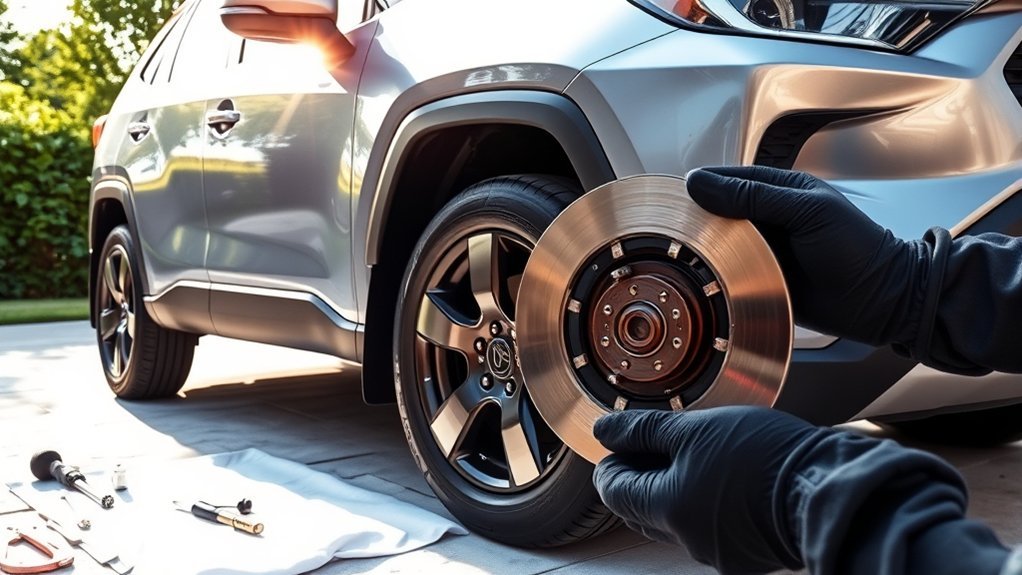
For most late-model U.S.-market Toyota RAV4s, rotate the tires every 5,000 miles or 6 months, whichever comes first, unless the maintenance guide for your exact model year says otherwise. Regular rotation helps keep tread wear even, and each visit is a good time to check cold tire pressure, tread depth, tire damage, and signs that may point to an alignment or balance problem.
Last updated: September 16, 2026. This guide was rechecked against current Toyota maintenance guidance, Toyota RAV4 owner-manual information, NHTSA tire-safety guidance, and current RAV4 service-price estimates.
Source scope: This is a documentation-based maintenance guide. Your exact model-year Warranty & Maintenance Guide and Owner’s Manual control the interval, rotation pattern, lift points, wheel-nut torque, tire-pressure specification, and TPMS/TPWS procedure for your vehicle.
Quick Answer
Use 5,000 miles or 6 months as the default Toyota RAV4 tire-rotation interval for most late-model U.S. vehicles, then confirm the schedule for your exact year. Follow the rotation pattern shown in your owner’s manual rather than assuming every FWD or AWD RAV4 uses the same cross pattern. Check tire pressure when cold, inspect tread across each tire, and follow the model-year-specific TPMS/TPWS procedure after rotation when Toyota calls for it.
Key Takeaways
- Rotate most late-model U.S. Toyota RAV4 tires every 5,000 miles or 6 months, whichever comes first.
- Use the rotation pattern in the owner’s manual for your exact model year, tire type, and wheel setup.
- Check cold tire pressure against the driver-door tire placard, not the maximum pressure molded into the tire sidewall.
- Uneven wear can point to a need for rotation, alignment, balancing, or tire/suspension inspection; tread at 2/32 inch is a replacement threshold, not an alignment trigger.
- If your RAV4 manual instructs you to initialize or relearn the tire-pressure warning system after rotation, complete that procedure before considering the service finished.
RAV4 Tire Rotation Schedule at a Glance
| Situation | Practical Interval | What to Do |
|---|---|---|
| Most late-model U.S. RAV4s | 5,000 miles or 6 months | Use this as the default, then confirm the exact model-year maintenance guide |
| 10,000-mile rotation | Not the default | Use only when the exact Toyota guide or applicable tire guidance supports it |
| Uneven wear develops early | Sooner than scheduled | Rotate if appropriate and diagnose pressure, alignment, balance, tire, wheel, or suspension causes |
| Tread at 2/32 inch or serious damage | Do not rely on rotation | Have the tire inspected and replaced when required |
Why Regular Tire Rotation Matters for Your RAV4
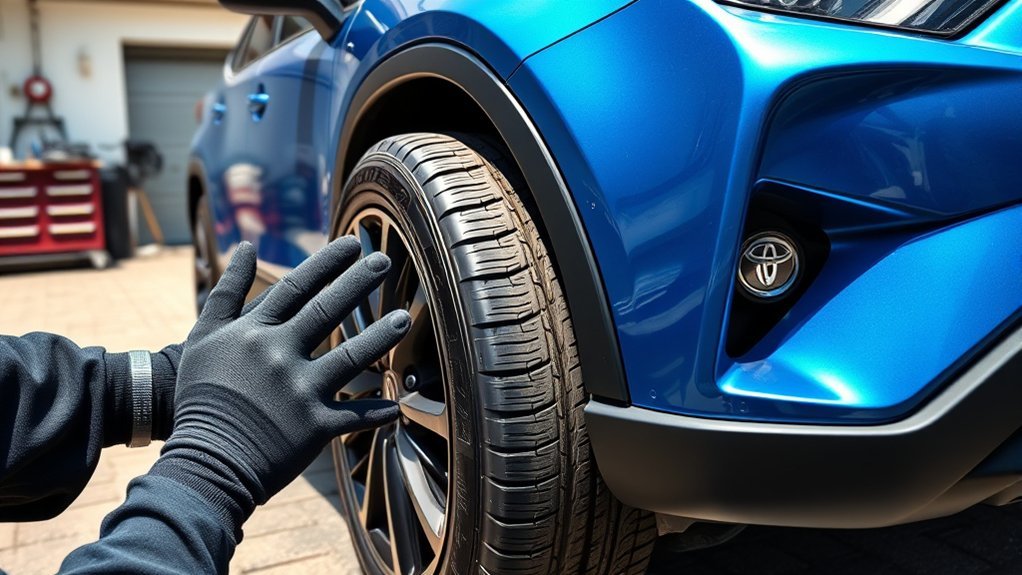
When you rotate your Toyota RAV4’s tires on schedule, you move each tire to a different working position so wear is shared more evenly. Front and rear tires do not carry identical steering, braking, and load demands, so leaving them in one position for too long can create uneven tread wear.
Even wear helps you get more useful life from the set and makes tire condition easier to judge. Toyota’s current maintenance guidance says many Toyota vehicles use a 5,000-mile or 6-month service rhythm that includes tire rotation and inspections. See the RAV4 maintenance schedule for the broader service timeline.
How Often Should You Rotate RAV4 Tires?
For most late-model U.S.-market RAV4s, rotate the tires every 5,000 miles or 6 months, whichever comes first. Toyota’s current maintenance page describes that interval as a common factory-service rhythm, and recent RAV4 maintenance schedules include tire rotation at those visits.
Do not automatically stretch the interval to 7,500 or 10,000 miles just because the tires still look good. Your exact Toyota warranty and maintenance guide, owner’s manual, and tire warranty remain the controlling references because model year, market, tire construction, and service conditions can change the instructions.
Rotate sooner when you see developing uneven wear or when a tire professional recommends a shorter interval based on your tire warranty or operating conditions. A rotation is not a repair for a damaged, badly worn, or structurally unsafe tire.
Note: The 2026 RAV4 begins Toyota’s sixth generation, so do not carry a pre-2026 lifting, TPMS, tire-pressure, or service procedure forward without checking the manual for the exact vehicle.
How to Identify Tire Wear Patterns in Your RAV4
Check tread depth across the inner, center, and outer parts of all four tires. Record the readings so you can compare them at the next rotation instead of relying only on appearance.
NHTSA says uneven tread wear can indicate that the tires need rotation and/or the wheels need alignment. It also says tires should be replaced when tread reaches 2/32 of an inch. That 2/32-inch figure is a wear-out threshold; it is not a rule that a 2/32-inch difference between tires automatically means the RAV4 needs an alignment.
Watch for one-sided wear, feathering, cupping, bald areas, bulges, cuts, punctures, or exposed cords. Uneven wear needs diagnosis, while visible structural damage or tread at the replacement limit may require tire replacement rather than rotation.
| What You Find | Best Next Step | Why |
|---|---|---|
| Even wear and rotation is due | Rotate on schedule | Keeps wear distributed across the set |
| Uneven edge wear or feathering | Rotate and request an alignment/tire inspection | Uneven wear can be linked to alignment or other tire/wheel conditions |
| Vibration at speed | Inspect tire/wheel condition and balance | Rotation alone may not correct vibration |
| Tread at 2/32 inch, bulge, exposed cords, or serious damage | Do not rely on rotation; have the tire inspected/replaced | These conditions can require removal from service |
[Products Worth Considering]
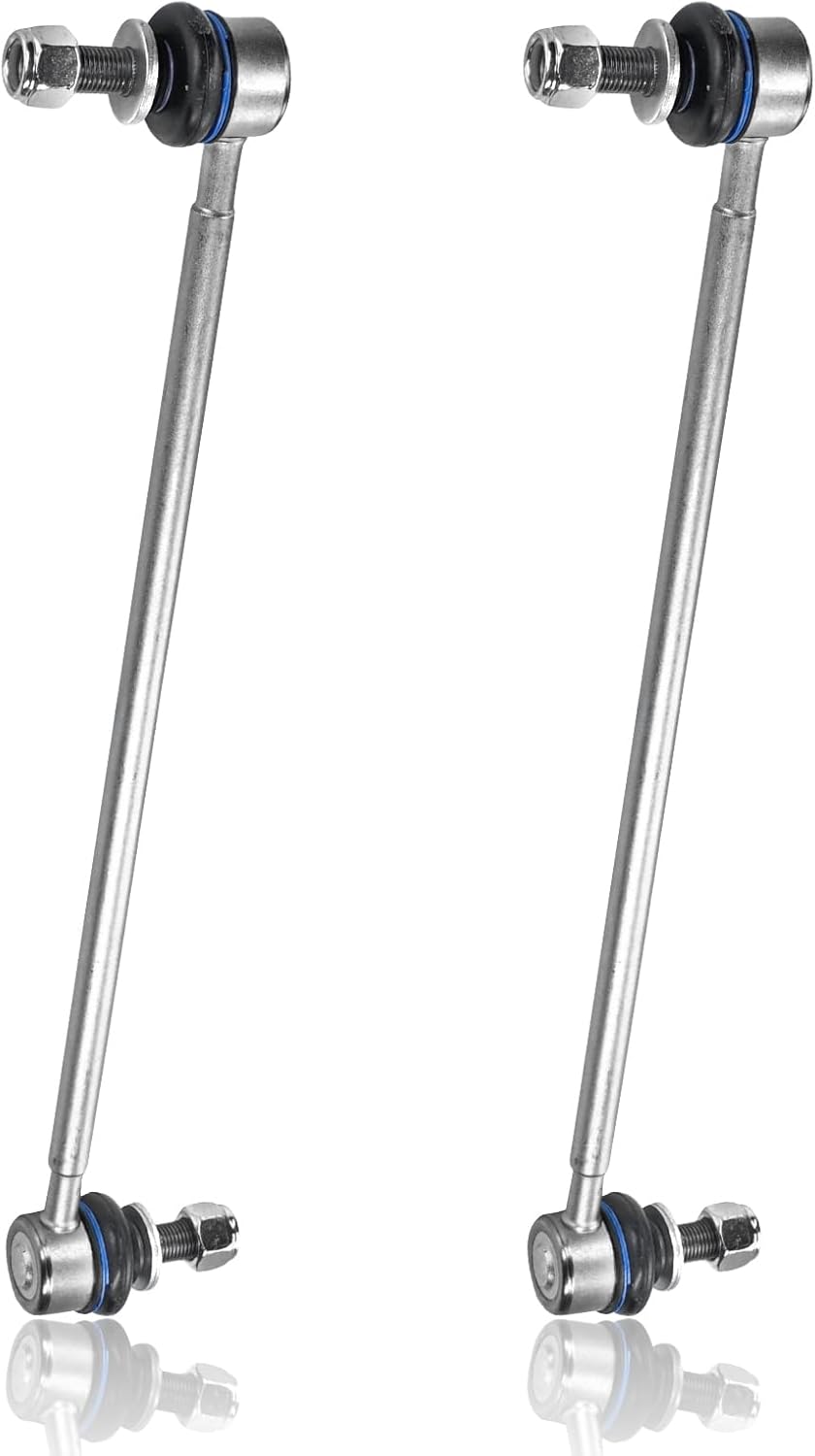
These front stabilizer sway bar end links are designed to restore smooth, stable handling and reduce noise and vibration during turns and over bumps. Compatible with select Toyota, Prius, and Scion models, they offer a reliable replacement built to meet manufacturing standards with corrosion-resistant coating and a strong, durable body.

This front stabilizer sway bar link set is designed to restore smooth, controlled handling and reduce clunking noises caused by worn suspension components. Built with a zinc-nickel alloy coating, carbon steel, and reinforced ball studs, it offers strong corrosion resistance and durable performance for a wide range of Toyota, Lexus, and Scion models. It is engineered for straightforward installation and reliable OE-style fitment.

This rear trunk lid weatherstrip is designed to fit select Toyota Camry and RAV4 models, helping restore a secure seal around the trunk area. It supports protection against dust, moisture, and road noise while offering a reliable replacement for worn or damaged factory seals. Made for straightforward installation, it provides a practical fit-and-finish upgrade for everyday driving.
How to Rotate Tires: Best Practices for RAV4 Owners

Before you lift the vehicle, confirm the correct rotation pattern, lift/support points, wheel-nut torque, tire-pressure specification, and TPMS/TPWS procedure for your exact RAV4. The RAV4 tire rotation pattern guide covers those model-specific checks in more detail.
[Products Worth Considering]

This wheel lock lug nut set adds an extra layer of theft protection for compatible Toyota and Lexus vehicles by securing wheels with a unique key pattern that resists common removal tools. Built to OEM-standard fitment with corrosion-resistant, triple-chrome finished construction, it is designed for direct replacement and long-lasting performance. The set includes locking nuts and a matching key for easy installation on compatible vehicles with the correct thread and cone seat specifications.
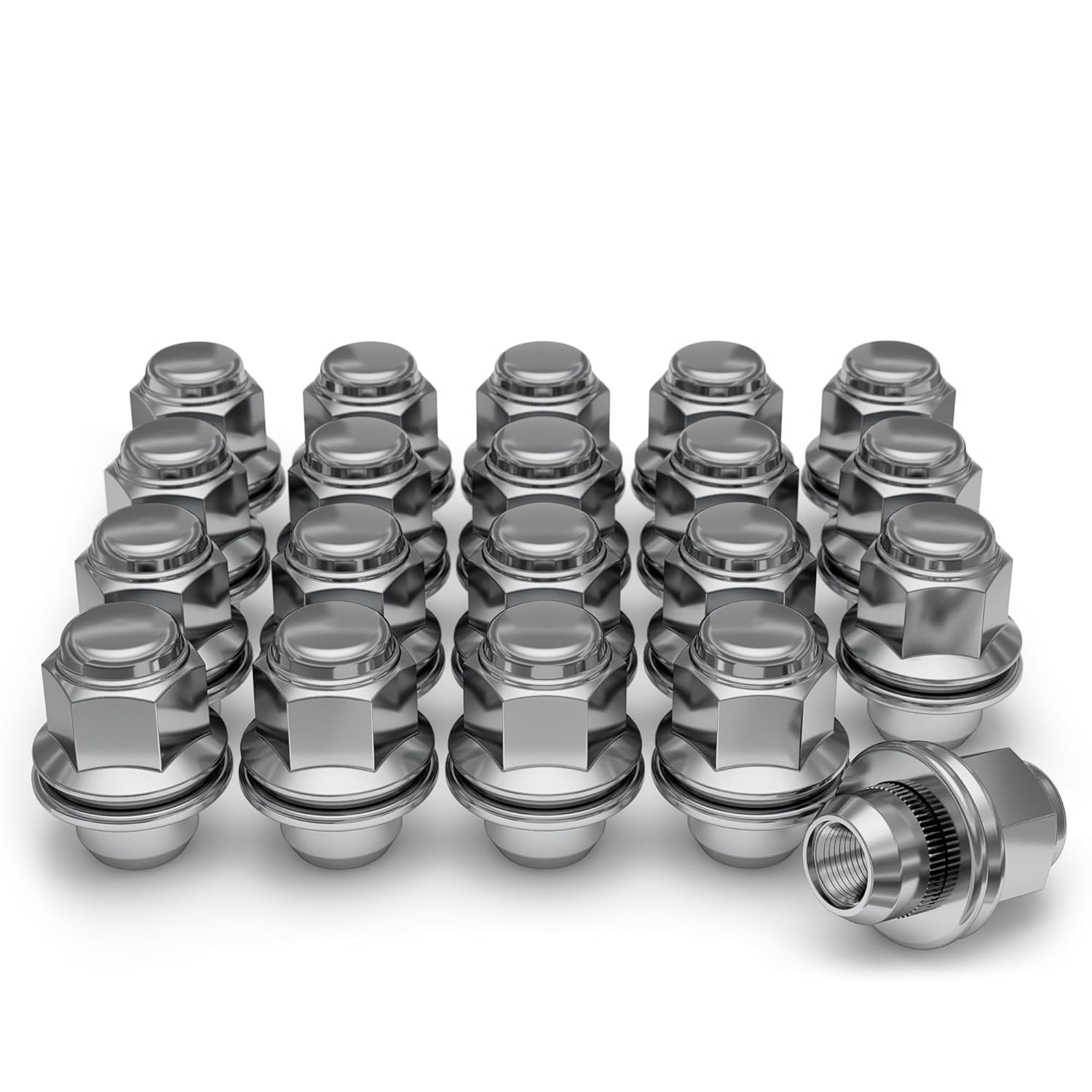
These White Knight mag-style lug nuts are designed for select Toyota, Lexus, Kia, and Genesis vehicles, delivering a secure fit and a clean factory-inspired look. Made from heat-treated cold forged carbon steel with a chrome finish, they offer durable strength, reliable corrosion resistance, and easy installation with a traditional hex-body, flat-seat design. Use them to replace worn or damaged lug nuts while maintaining proper wheel fitment and dependable performance.

[Pinch Weld Protection]: Includes 4 red magnetic jack pads designed specifically for pinch weld lifting points; the grooved structure helps securely position the vehicle support point and distribute lifting pressure evenly; the pinch weld jack pad helps reduce bending, crushing, deformation, or scratches to the pinch weld, frame rail, and rocker panel during lifting
Recommended Rotation Patterns
Use the pattern Toyota shows for your exact model year and tire setup. Do not choose a forward-cross pattern only because the vehicle is FWD or AWD; Toyota’s manual is the final authority for the installed wheel and tire configuration.
If the tires are directional, they normally stay on the same side and move front-to-rear so the tread continues to roll in its designed direction. If front and rear wheel or tire sizes differ, do not move them between axles unless the vehicle and tire documentation specifically permits it.
If your RAV4 has a spare, include it only when the owner’s manual shows a rotation pattern that uses that spare and the spare is the correct full-size type. Do not put a temporary compact spare into a normal rotation cycle.
DIY vs. Professional Service
You can rotate your tires at home if you have the correct equipment, a level work area, and the model-specific lifting information. At minimum, you need properly rated lifting/support equipment, a lug wrench, and a torque wrench.
A professional service can add value when the visit includes tread measurements, cold-pressure adjustment, balance checks, brake inspection, or an alignment check when wear patterns justify it.
If you rotate tires yourself, tighten the wheel nuts to the torque specification for your exact RAV4 and wheel setup. Do not copy a torque number from another model year or wheel package. Follow the manual’s TPMS/TPWS steps after rotation when applicable.
Warning: Never work under a vehicle supported only by a jack because the vehicle can shift or fall. Use the approved support method and lift points for your exact RAV4.
Importance of Regular Inspections
Use every rotation as a tire-safety inspection. NHTSA recommends checking tire pressure when the tires are cold and inspecting tires for damage and inadequate tread.
- Check cold tire pressure against the driver-door tire placard.
- Measure tread depth across the inner, center, and outer tread.
- Look for cracks, bulges, punctures, exposed cords, and unusual wear.
- Request an alignment check when uneven wear, pulling, or steering-position symptoms support it.
- Investigate vibration instead of assuming rotation alone will fix it.
These checks separate a routine rotation from problems that need balancing, alignment, repair, or tire replacement.
How Much Does Professional Tire Rotation Cost?
Prices vary by location and service package. RepairPal’s current RAV4 estimate lists a standalone tire rotation at about $49 to $72, excluding taxes, fees, and location-specific differences. Its rotate-and-balance estimate is higher because balancing adds another service step.
Do not compare only the sticker price. Ask whether the visit includes tread-depth readings, cold-pressure adjustment, wheel-nut torque verification, balance inspection, or a multi-point inspection. Eligible new Toyota vehicles may also have scheduled tire rotations covered under ToyotaCare during the plan term.
| Service Option | Current Price Signal | What to Confirm |
|---|---|---|
| RAV4 tire rotation | $49–$72 average estimate | Taxes, fees, location, and included inspections |
| Rotate and balance | $110–$161 average estimate | Whether balancing is actually needed and what diagnostics are included |
| Dealer/tire-plan included rotation | May be included | Eligibility, mileage/time limits, and plan terms |
DIY rotation can reduce labor cost if you already own safe, correctly rated equipment. If buying tools only for occasional rotations, compare that cost with a shop that includes inspections or plan-covered service.
[Products Worth Considering]

✿IMPORTANT NOTE: ❶ GM VEHICLES ONLY: ONLY for Chevrolet, GMC, Cadillac and Buick, Check Compability List before buying. NOT support Ford, Toyota, Nissan, Honda and other non-GM brands; ❷ SENSOR REQUIREMENTS: Optimized for OE/OEM sensors. Most aftermarket sensors can work BUT some may fail if their frequency or parameters do not match the OEM original. NOT for UNIVERSAL TPMS sensors.❸ Requires a 9V battery for operation BUT NOT included.❹NOTE: If one or some sensors can't be activated after multiple attempts (because they were dead, low power or damaged, not our tool's not work), please replace them with new sensors then try again.

🚗2023 UPDATED FOR WIDER COMPATIBILITY: Specifically designed to work with most GM vehicles 2006-2023 (Chevy / Buick / GMC / Opel /Cadillac and more) equipped with 315/433 MHz. Your vehicle deserves the best tire pressure sensor reset tool.(It is not suitable for heavy trucks with more than 4 tires or vehicles with an external TPMS system.)Tip:Based on factory and customer-tested models shown in A+, please refer to the car model list to confirm compatibility with the VXDAS TPMS tool.

STEEL-IRON TIRE SPOONS: Each tire lever is constructed of hardened steel-iron with curved tips that provides strong toughness and reliable durability.
Where Can You Get RAV4 Tire Rotation Service?
You can get tire rotation service at Toyota dealerships, independent repair shops, tire stores, and some mobile tire services. The best choice depends on price, convenience, the inspection included, and whether your vehicle has a service plan.
Available Local Shops
Independent repair shops and tire stores can rotate your RAV4 tires and inspect them for uneven wear. Many shops also bundle rotation with oil, brake, or wheel services.
Before you book, ask whether the service includes cold-pressure adjustment, tread-depth readings, wheel-nut torque verification, and a check for abnormal wear. If you have pulling or vibration, tell the shop before the rotation so it can diagnose the symptom instead of treating rotation as the only fix.
Mobile Tire Services
Mobile tire services can rotate tires at your home or workplace when they have the correct lifting and torque equipment. This can be convenient if you have limited access to a service center.
Confirm that the technician can safely support the vehicle, torque the wheel nuts to the correct specification, set tire pressure, and follow the model-year-specific TPMS/TPWS procedure if your RAV4 requires it.
Dealership Rotation Options
A Toyota dealership can use model-specific service information for your RAV4 and check whether scheduled maintenance or ToyotaCare applies. This is especially useful on the all-new 2026 generation because service procedures should be matched to the exact vehicle rather than copied from the prior generation.
Dealership service may cost more than an independent shop in some areas. Ask for the total price, included inspection items, and any plan coverage before you authorize the work.
When Should You Rotate RAV4 Tires Sooner?
Rotate sooner when you see developing uneven wear or when your tire warranty or a qualified technician specifies a shorter interval. If you notice pulling, an off-center steering wheel, or vibration, add the appropriate alignment, tire, wheel, or balance inspection instead of assuming rotation will solve the cause.
Check tires before long trips and after hard pothole or curb impacts. NHTSA recommends regular tire-pressure and tread inspections and says pressure should be checked when tires are cold.
If a tire has a bulge, exposed cords, serious sidewall damage, or tread at the 2/32-inch replacement limit, rotation is not the correct fix. Have the tire inspected and replaced when required.
Frequently Asked Questions
How often should I rotate tires on my RAV4?
For most late-model U.S.-market Toyota RAV4s, use 5,000 miles or 6 months, whichever comes first, as the default interval. Confirm the schedule in the warranty and maintenance guide for your exact model year.
Is it okay to rotate tires every 10,000 miles on a Toyota?
Do not use 10,000 miles as the default for a late-model RAV4. Toyota’s current maintenance guidance commonly uses a 5,000-mile or 6-month service rhythm that includes tire rotation. Follow your exact maintenance guide if it specifies something different.
What does Toyota recommend for tire rotation?
Toyota says many vehicles follow maintenance visits every 5,000 miles or 6 months, with tire rotation among the routine services. Toyota owner manuals also direct owners to use the specified rotation pattern and model-specific tire-pressure warning procedure.
Do AWD RAV4 models need tire rotation more often?
AWD does not automatically create a separate universal interval. Use the maintenance guide for your exact RAV4 and keep tread wear even across the set. If uneven wear develops, rotate and diagnose the cause rather than waiting for the next scheduled visit.
Can I rotate RAV4 tires myself?
Yes, if you have safe lifting/support equipment, a torque wrench, and the correct model-year procedure. Follow the owner’s manual for lift points, rotation pattern, wheel-nut torque, tire pressure, and TPMS/TPWS steps.
Do RAV4 tires need balancing at every rotation?
No. Rotation and balancing are separate services. A routine rotation does not automatically require rebalancing. Ask for a balance check when you have speed-related vibration, a tire has been installed or repaired, a balance weight may have been lost, or inspection points to an imbalance. NHTSA notes that properly balanced wheels should rotate without causing shake or vibration.
Does a RAV4 need an alignment after every tire rotation?
No. A routine rotation does not automatically require an alignment. Ask for an alignment check when you have uneven wear, pulling, an off-center steering wheel, or another symptom that points to an alignment problem.
Do I need to reset or initialize TPMS after rotating RAV4 tires?
It depends on the model year and system. Some Toyota RAV4 manuals instruct owners to initialize the tire-pressure warning system after rotation. Follow the exact procedure in your owner’s manual rather than using a generic reset sequence.
Conclusion
For most late-model U.S. Toyota RAV4s, make 5,000 miles or 6 months your default tire-rotation checkpoint, then confirm the exact maintenance guide for your year. Use Toyota’s specified rotation pattern and complete any required TPMS/TPWS initialization.
At each rotation, check cold pressure, tread depth, and visible damage. If you find uneven wear, vibration, pulling, serious damage, or tread at the replacement limit, treat that as a diagnostic or replacement issue rather than expecting rotation alone to solve it.
References
- Toyota Maintenance Schedule — Toyota
- Toyota Owner’s Manuals and Warranty Information — Toyota
- Tire Safety Ratings and Awareness — National Highway Traffic Safety Administration
- Five Things to Know About the All-New 2026 Toyota RAV4 — Toyota USA Newsroom
- Toyota RAV4 Tire Rotation Cost Estimate — RepairPal
- How Often to Rotate Tires? — Bridgestone