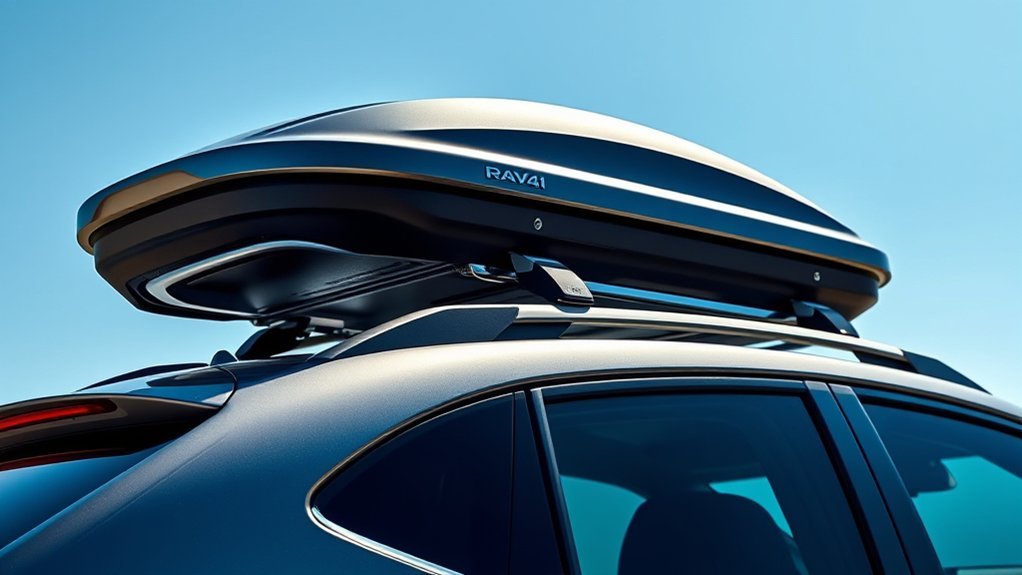
Roof racks on your RAV4 can greatly affect aerodynamics and fuel efficiency, leading to a 2% to 11% decrease in mileage. Increased cargo raises the vehicle’s center of gravity, potentially increasing rollover risks if the load isn’t properly distributed. You may also notice elevated wind noise, especially over 30 mph. For best safety and comfort, consider weight limits and cargo securing methods. Discover more effective strategies for managing these elements and enhancing your driving experience.
How Roof Racks Affect Aerodynamics and Fuel Efficiency
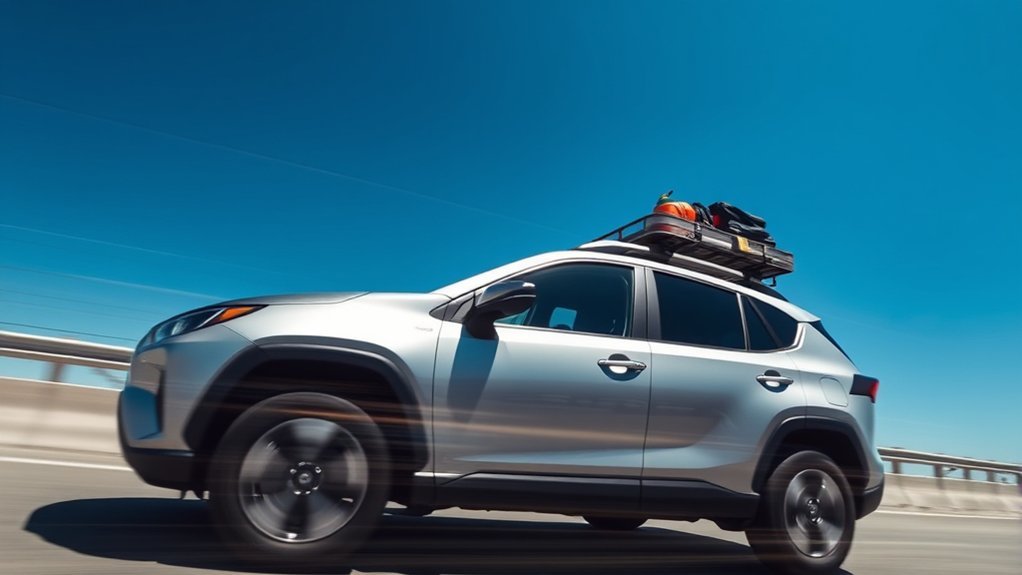
When you add a roof rack to your RAV4, you might not realize that it can greatly impact your vehicle’s aerodynamics and fuel efficiency. Roof racks disrupt the carefully designed airflow around your vehicle, increasing aerodynamic drag. This added resistance can lead to a fuel economy loss ranging from 2% to 11%. For instance, a study indicated a 2% drop in mileage for a 2019 RAV4, while other tests showed an 11% decrease for different vehicles. Even an empty roof rack can reduce your mileage by 1-3 mpg due to increased wind resistance. Manufacturers engineer RAV4s with peak aerodynamics in mind, so any accessory that catches air, like roof racks, compromises performance. Understanding this can empower you to make informed decisions, balancing your need for extra cargo space against the potential costs in fuel efficiency.
How Roof Load Impacts Vehicle Stability and Safety?
Adding a roof rack increases cargo capacity but also shifts the vehicle’s center of gravity, which can negatively impact stability. As you load the RAV4, be aware that improper load distribution can lead to a 25% higher chance of losing control, particularly in adverse weather. The elevated weight, especially on taller vehicles, raises the risk of rollover accidents, particularly during sharp turns or sudden maneuvers.
The RAV4’s boxy shape may further complicate vehicle handling when loaded, making it essential to secure and evenly distribute weight. Uneven loads can compromise not just handling but also braking performance, posing a danger to you and your passengers. To guarantee safety, always prioritize proper load placement and distribution. Understanding these dynamics is critical for maintaining vehicle stability, allowing you to enjoy your journey with confidence while making sure you’re well-prepared for any road conditions.
[Products Worth Considering]

Upgrade your vehicle's cargo capacity with these heavy‑duty aluminum roof crossbars that lock securely and reduce wind noise. The aerodynamic design and adjustable width provide a quiet, stable platform for luggage up to 260 lb, while the easy‑install kit and labeled front and rear bars simplify setup. Ideal for Toyota Grand Highlander and Lexus TX models from 2024‑2026 with flush side rails.

Upgrade your RAV4 roof rack with these heavy‑duty aluminum crossbars featuring an anti‑theft lock and tie‑down loops for secure cargo transport. The matte‑powder‑coated bars resist corrosion and reduce wind noise, while easy installation fits existing rails without drilling. Ideal for bike mounts, roof boxes, kayaks and more.
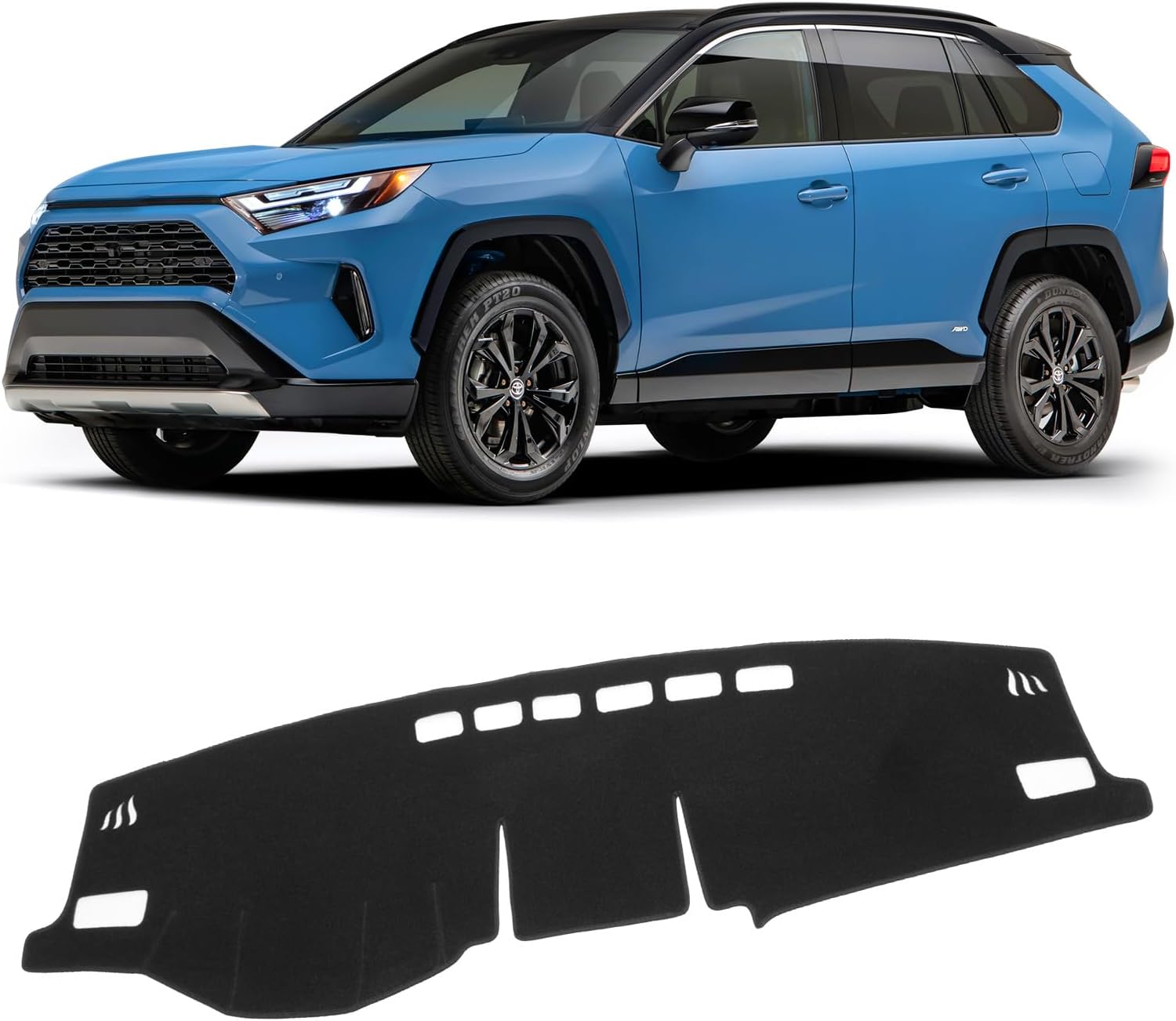
The KUST Black Dashboard Cover Mat offers a custom, eco‑friendly fit for Toyota RAV4 models from 2019 to 2025, protecting the dash from UV damage, scratches, and glare. Made from post‑consumer recycled polyester with a silicone anti‑slip underside, it stays soft, breathable, and odorless while securely adhering to the surface. Installation is quick and reversible, and the foldable design allows easy storage when not in use.
Managing Wind Noise: Tips for a Quieter Ride
To manage wind noise effectively, start by selecting aerodynamic cross bars tailored for your RAV4, such as the Yakima Jetstream, which reduce resistance and sound levels. Additionally, keep your sunroof closed to minimize noise; an open sunroof can greatly amplify disruptions during your drive. Regularly assess the noise experience at various speeds to guarantee peak comfort while traveling.
Optimal Cross Bar Selection
Selecting the right cross bars can greatly impact your driving experience, especially concerning wind noise. Aerodynamic designs, like those made from high-quality materials such as aluminum, considerably reduce wind resistance, resulting in a quieter ride. Users have reported a noticeable decrease in wind noise at speeds over 20 mph with streamlined options compared to traditional square bars. Additionally, understanding load capacity is essential; verify your selected cross bars can handle your intended cargo without compromising stability. Regularly assess your cross bar usage and remove them when not needed; this can enhance fuel economy by 1-3 mpg and minimize air drag. Keeping your sunroof closed while driving with installed cross bars further helps maintain a serene cabin environment.
Sunroof Usage Strategies
While enjoying the open air, you might not realize that leaving the sunroof open can markedly increase wind noise, especially at higher speeds. To fully appreciate the sunroof benefits, consider closing it when cruising over 30 mph. This simple adjustment greatly enhances noise reduction, creating a quieter cabin experience. Open sunroofs amplify wind turbulence, making conversations inside the vehicle difficult and uncomfortable. Reports indicate that closing the sunroof during highway driving effectively mitigates the howling wind sound, allowing for a more pleasant ride. Combining this strategy with mindful roof rack usage can further enhance your driving comfort. Embrace this liberation through informed choices, maximizing both enjoyment and tranquility on your journeys.
Choosing Cross Bars: Noise Levels and Performance
When choosing cross bars for your RAV4, consider both noise levels and performance impact. Aerodynamic options, like the Yakima Jetstream, can greatly reduce wind noise compared to traditional designs, enhancing your driving experience. Additionally, be aware that cross bars can decrease fuel economy by 1-3 mpg, so weigh their utility against potential trade-offs.
[Products Worth Considering]

This soft silicone protector frame snugly fits the rearview mirror, shielding it from scratches and minor impacts while adding a stylish pop of color. Easy to install without tools, it offers durable, practical, and decorative protection that enhances interior aesthetics and maintains clear visibility.
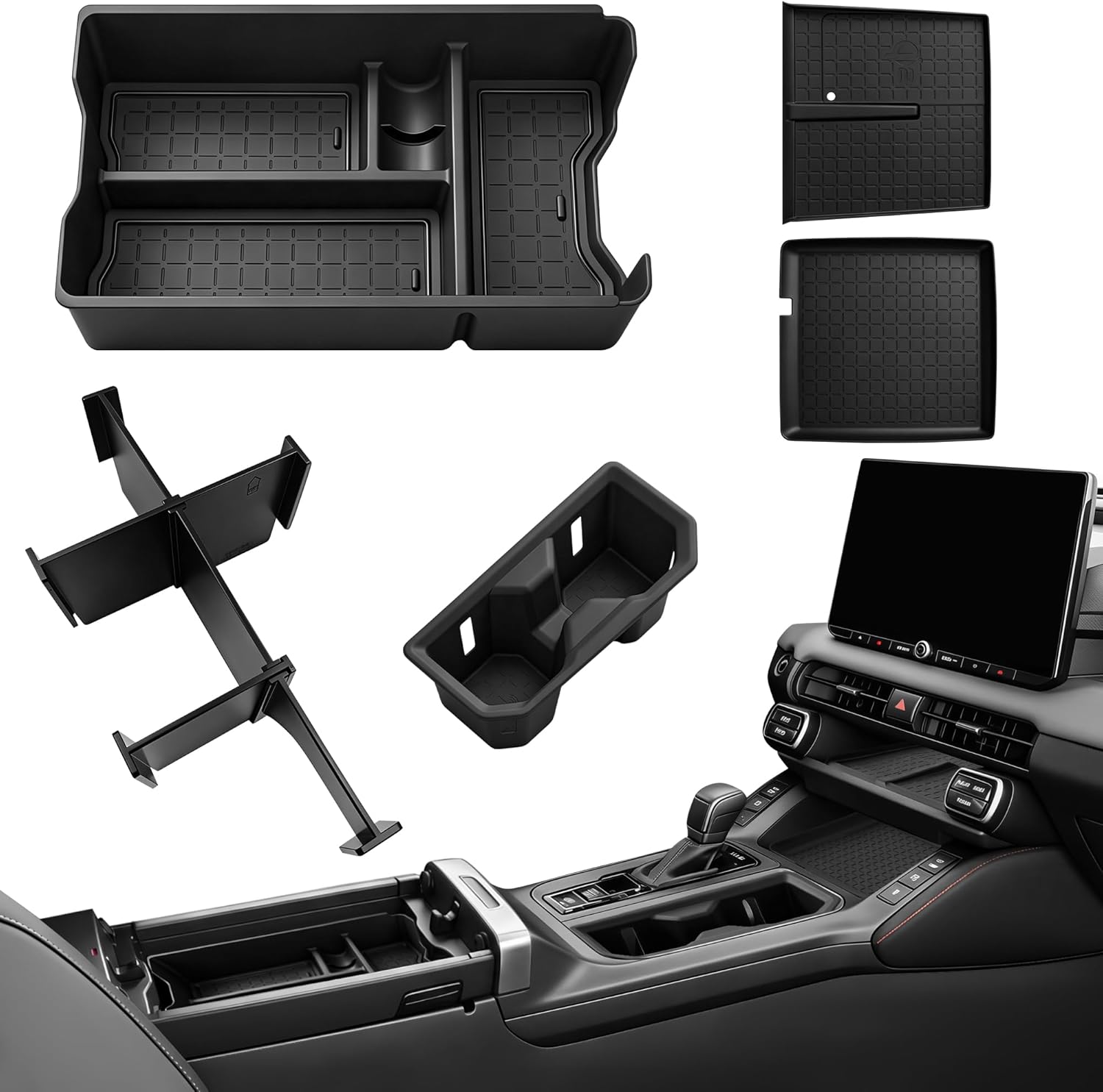
The QINQINTU center console organizer tray is custom‑engineered for the 2026 Toyota RAV4, delivering a seamless OEM‑fit that maximizes storage and adds a discreet hidden compartment. Its double‑layer silicone liner absorbs vibrations for a quiet ride, while the included cup‑holder liner keeps the interior tidy and easy to clean.
Noise Level Comparison
As you consider cross bars for your RAV4, understanding noise levels and performance is essential for a comfortable driving experience. Wind resistance factors play a significant role; square cross bars often generate substantial noise at speeds over 20 mph, escalating at 40-50 mph. In contrast, aerodynamic cross bar materials, like those in Yakima Jetstream bars, minimize wind noise, making them a preferred choice for quieter journeys. Users may notice a fuel economy decrease of 1-3 mpg due to these wind resistance factors, potentially reducing efficiency by up to 25%. To further reduce noise, keep your sunroof closed; an open sunroof can amplify sound. Regularly removing and installing cross bars can help you balance aesthetics with noise and fuel efficiency.
Performance Impact Assessment
Choosing the right cross bars for your RAV4 greatly impacts both performance and noise levels. Aerodynamic options like the Yakima Jetstream can minimize wind noise, while square cross bars typically generate more. Here’s a quick overview of cross bar benefits and performance effects:
| Cross Bar Type | Noise Level | Fuel Efficiency Impact |
|---|---|---|
| Aerodynamic | Low | Minimal drop (1-3 mpg) |
| Square | High | Up to 11% decrease |
| Removable | Variable | Improved when removed |
| Installed | Increased noise | Potential mpg loss |
| Quick Install Tips | 5-10 minutes | Adjust as needed |
Best Ways to Secure Cargo on Your RAV4
Securing cargo on your RAV4 is essential for safe travel and ideal vehicle performance. Proper cargo organization and effective tie-down techniques guarantee stability and prevent accidents during your journey. Follow these best practices:
Securing cargo on your RAV4 ensures safe travel and optimal performance, preventing accidents and enhancing stability on your journey.
- Even Distribution: Spread your cargo evenly across the roof rack to maintain balance and minimize shifting.
- Tie-Down Straps: Use high-quality tie-down straps or cargo nets to secure items tightly, reducing movement and enhancing safety.
- Aerodynamic Cross Bars: Opt for aerodynamic cross bars designed to lower wind resistance and noise, improving fuel efficiency and driving comfort.
Always check the RAV4’s roof load limit, typically around 150 lbs, to avoid overloading. Before hitting the road, inspect the roof rack and cargo for secure attachment, especially after long distances or rough terrain. By adhering to these guidelines, you can enjoy a safer, more liberated driving experience.
User Experiences: Insights on Roof Rack Performance

User feedback on roof rack performance for the RAV4 reveals a range of insights that can help inform your decisions. Many users report a 2% drop in fuel mileage with an empty roof rack, impacting overall efficiency. Removing cross bars often leads to noticeable improvements, sometimes recovering 1-3 mpg. Additionally, wind noise becomes a significant issue; many drivers experience howling at speeds over 30 mph, particularly between 40-50 mph.
| User Experience | Feedback |
|---|---|
| Fuel Efficiency | 2% drop with empty rack; 1-3 mpg gain if cross bars removed |
| Wind Noise | Significant increase over 30 mph; howling reported at 40-50 mph |
| Aesthetic Appeal | Often doesn’t outweigh fuel efficiency losses |
Personal experiences vary; while some find noise levels acceptable for daily use, especially with cargo, others prioritize a quieter, more efficient ride.
Frequently Asked Questions
How Much Weight Can a RAV4 Roof Handle?
Your RAV4 can handle a roof load of 165 pounds, provided you distribute the weight evenly. Proper weight distribution enhances stability and safety, ensuring a smoother, more efficient driving experience without compromising vehicle performance.
What Is the Weakness of the Toyota RAV4?
The Toyota RAV4, while sturdy, has a chink in its armor: reliability issues can arise, leading to higher maintenance costs. This can feel like a weight, dampening your driving experience and freedom on the road.
Does a Roof Rack Cause Wind Resistance on a Car?
Yes, a roof rack causes wind resistance on your car. Its materials and aerodynamic design disrupt airflow, increasing drag and potentially lowering fuel efficiency, especially at speeds over 30 mph where noise becomes noticeable.
What Year of RAV4 to Stay Away From?
If you’re seeking freedom on the road, steer clear of early 2000s RAV4 models. They’ve got reliability concerns and poor aerodynamics. Prioritize newer models, and follow RAV4 maintenance tips for peak performance and efficiency.
Conclusion
In conclusion, understanding the dynamics of roof loads on your RAV4 is essential for safety and efficiency. Think of your vehicle as a finely tuned instrument; even slight adjustments can greatly impact performance. By choosing the right roof rack, securing your cargo properly, and being mindful of wind effects, you’re not just enhancing your ride—you’re ensuring a smoother, quieter journey. Prioritize these factors to enjoy the open road while maintaining stability and safety.