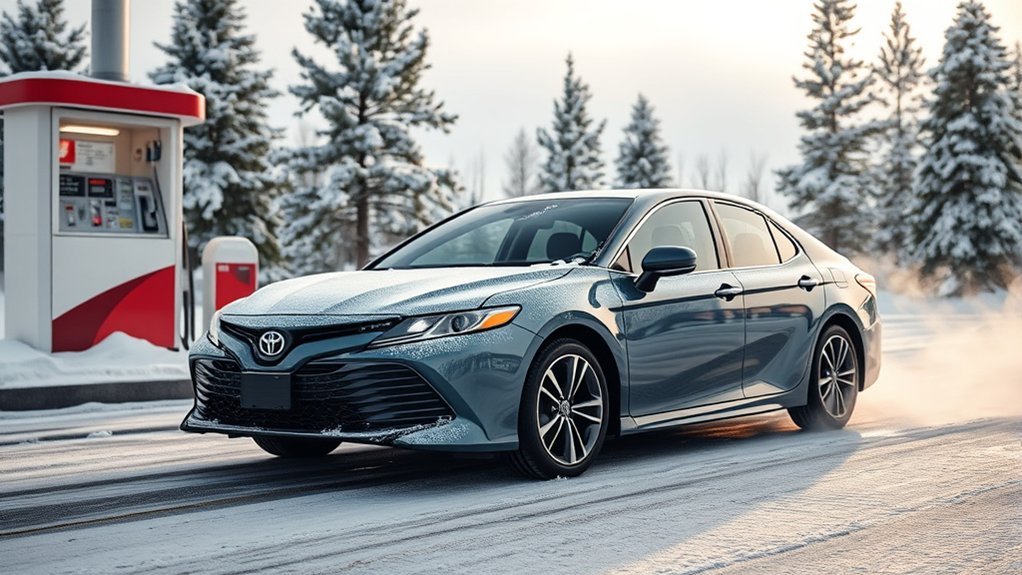
Your Toyota Camry’s MPG drops in winter due to several factors. Cold weather forces the engine to use a richer fuel mixture, leading to higher consumption. Tire pressure decreases as temperatures fall, increasing rolling resistance. Additionally, using electrical systems like cabin heaters and defrosters adds extra load on the engine, further reducing efficiency. Understanding these elements can help you mitigate the impact on your MPG during winter. You’ll find additional tips to enhance your car’s performance in colder months.
The Impact of Winter on Fuel Efficiency
When winter hits, you might notice your Toyota Camry isn’t as fuel-efficient as it is in warmer months. The cold weather makes your engine take longer to reach ideal temperatures, causing it to run on a richer fuel mixture during warm-up, which increases consumption. Idling to defrost your windows? That’s 0 miles per gallon, wasting precious fuel and further dragging down your efficiency.
Additionally, denser cold air increases aerodynamic drag, making it tougher for your car to glide smoothly at highway speeds. Tire pressure drops with the temperature, raising rolling resistance and negatively impacting MPG. Plus, using heated seats and defrosters pulls extra load on the battery, straining your engine and worsening fuel efficiency. Understanding these factors can empower you to adapt your winter driving habits, maximizing your Camry’s performance and saving you money at the pump.
How Cold Weather Reduces Toyota Camry MPG?
When winter hits, your Toyota Camry’s MPG can take a noticeable hit. The engine struggles to reach ideal temperatures, adjusting to a richer fuel mixture that increases consumption. Plus, the cold air creates more drag, and the added electrical load from heating accessories further compounds the issue, all leading to decreased fuel efficiency.
Fuel Mixture Adjustment
Cold weather greatly impacts your Toyota Camry’s fuel mixture adjustment, as the engine needs a richer blend to ignite efficiently in denser air. This shift in fuel mixture types leads to increased fuel consumption, especially during the longer warm-up periods. As your engine runs on this fuel-rich mixture, you’ll notice a dip in overall combustion efficiency, further lowering your MPG. Additionally, winter fuel blends often have reduced energy density, compounding the issue. With increased electrical demands for heating and defrosting, your engine works harder, drawing even more fuel. Don’t forget, colder temperatures can lower tire pressure, increasing rolling resistance and exacerbating fuel economy decline. Understanding these factors helps you prepare for winter driving challenges.
Increased Engine Drag
As winter sets in, your Toyota Camry faces yet another challenge: increased engine drag. This phenomenon affects engine efficiency and can greatly impact your MPG. Here’s what you should know:
- Denser Cold Air: The colder it gets, the thicker the air, increasing aerodynamic drag, especially at highway speeds.
- Fuel Mixture Needs: Your engine requires a richer fuel mixture in cold weather, leading to higher consumption during startup and warm-ups.
- Thicker Winter Lubrication: Cold temperatures cause lubricants to thicken, creating more drag on moving parts and requiring more energy.
- Tire Pressure Drops: Lower tire pressure increases rolling resistance, further hindering fuel economy.
Understanding these factors can help you mitigate the winter MPG drop and keep your Camry performing at its best.
Electrical Load Impact
While enjoying the comforts of your Toyota Camry in winter, you may not realize that the increased use of electrical features greatly impacts your MPG. Cold weather pushes you to rely more on electrical accessories like heated seats and defrosters, considerably raising the electrical load. This extra demand strains your Camry’s battery efficiency, making the alternator work harder to supply power. As a result, your engine compensates by consuming more fuel, which leads to a noticeable drop in fuel economy. Additionally, denser cold air increases aerodynamic drag, further straining your engine. Together, these factors create a perfect storm for reduced MPG during those chilly months, reminding you to be mindful of your electrical usage.
How Tire Pressure Affects Your Winter Mileage
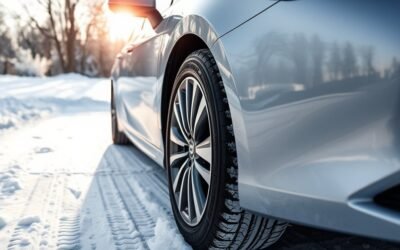
Maintaining proper tire pressure is essential for maximizing your Toyota Camry’s fuel efficiency during winter months. Cold temperatures can cause tire pressure to drop, increasing rolling resistance and fuel consumption. Regular pressure checks are crucial for peak performance. Here’s how tire maintenance can improve your winter mileage:
- Understand the Impact: Tire pressure decreases by about 0.2 psi for every degree Fahrenheit drop.
- Stay Proactive: Under-inflated tires require more energy to maintain speed, reducing fuel economy noticeably.
- Boost Efficiency: Increasing tire pressure by just 1 psi can enhance MPG by 1-3%.
- Prioritize Safety: Low tire pressure compromises vehicle handling, especially in winter conditions.
How Heating Systems Affect Your Toyota Camry’s MPG?
When winter hits, your Toyota Camry’s heating system can greatly impact your MPG. The extra electrical demand for cabin heat and defrosters, combined with the engine’s need for a richer fuel mixture during cold starts, leads to increased fuel consumption. Understanding these factors can help you make smarter driving choices and maintain better fuel efficiency in chilly conditions.
Increased Electrical Demand
As winter sets in and temperatures drop, you might notice a dip in your Toyota Camry’s MPG, largely due to the increased electrical demand from heating systems. This surge in energy consumption can lead to several factors affecting your fuel efficiency:
- Cabin Heaters: They require significant power, drawing energy from the engine.
- Defrosters: These systems also add to the electrical load, straining battery efficiency.
- Electric Accessories: Heated seats and steering wheels contribute to the overall demand.
- Cold Weather Impact: Lower temperatures can reduce battery performance, forcing the alternator to work harder.
Cabin Heat Consumption
Although you might love the cozy warmth of your Toyota Camry’s cabin during winter, that comfort comes with a price—lower fuel efficiency. The demand for cabin heat increases your engine’s workload, drawing energy that could otherwise enhance your MPG. When you crank up the heater, it requires more power, especially during long idling periods for defrosting. Additionally, cold weather forces the engine to run richer to cope with denser air, further increasing fuel consumption. Electrical accessories, like heated seats, add to this strain. Even with good cabin insulation, you could still see an average MPG drop of 2-3 due to heater efficiency and engine adjustments. Balancing comfort and efficiency is key this winter!
Engine Warm-Up Impact
While you appreciate the warmth of your Toyota Camry’s cabin in winter, the engine’s prolonged warm-up time significantly impacts fuel efficiency. Here’s how the heating systems affect your MPG:
- Extended Warm-Up Duration: Cold weather forces the engine to take longer to reach ideal temperatures, increasing fuel consumption.
- Rich Fuel Mixture: To maintain performance, the engine runs richer in cold, using more fuel until warmed up.
- Increased Electrical Load: Accessories like heated seats and defrosters draw power, straining the engine and reducing MPG.
- Maintenance Matters: Regular checks on tire pressure and heating systems can help improve engine efficiency and mitigate MPG drops.
Understanding these factors lets you take steps to enhance performance despite winter’s challenges.
How Winter Fuel Formulation Affects Your MPG?
Winter fuel formulations can greatly impact your Toyota Camry’s MPG, especially when temperatures drop. These winter blends contain fuel additives designed to improve combustion in cold weather, but they often come with a downside: a lower energy density compared to summer fuels. This means you might notice a drop in fuel economy.
In colder conditions, your engine requires a richer fuel mixture for ignition, leading to increased fuel consumption and reduced efficiency. The chemicals in winter gasoline, while preventing freezing, can also result in decreased power output, which further impacts your MPG.
Seasonal variations in fuel composition affect all vehicles, not just hybrids, and the MPG drop is often more pronounced in colder climates. By understanding how these winter formulations influence combustion efficiency, you can better manage your driving habits and expectations during the chilly months.
Maintenance Tips to Improve Winter Fuel Economy
As fuel formulations shift in colder months, maintaining your Toyota Camry becomes increasingly important for maximizing winter fuel economy. Here are some essential maintenance tips:
- Regular Oil Changes: Keep your engine running smoothly by changing the oil at recommended intervals. This reduces strain and enhances fuel efficiency.
- Replace the Air Filter: A clean air filter guarantees peak airflow, improving combustion and performance during winter’s chill.
- Monitor Tire Pressure: Cold weather can lower tire pressure, increasing rolling resistance. Check and maintain tires at recommended PSI to boost fuel economy.
- Combine Trips: Instead of multiple short journeys, combine trips to minimize the time your engine runs on a richer fuel mixture, which is more fuel-consuming.
Preparing Your Toyota for Optimal Winter Performance
To guarantee your Toyota Camry performs at its best during the cold months, it’s vital to prepare it for winter conditions. Start by enjoying the garage benefits; keeping your car sheltered helps maintain warmer temperatures, allowing your engine to reach ideal operating conditions faster. Next, prioritize tire maintenance—check your tire pressure regularly, as it drops about 0.2 psi per degree Fahrenheit. Low pressure increases rolling resistance, hurting your fuel efficiency.
Don’t overlook your battery; cold weather can hinder its performance, making reliable starts essential. Also, use a scraper and de-icing fluid to clear your windows instead of idling, which wastes fuel without moving you anywhere. Finally, consider switching to winter-grade oil; it enhances engine performance and efficiency in colder temperatures, helping to counteract those MPG drops. With these steps, you’ll guarantee a smoother, more efficient winter driving experience.
Frequently Asked Questions
Is Camry Good in the Winter Time?
Yes, the Camry performs well in winter, thanks to decent tire traction and stability. However, keep an eye on tire pressure and maintenance to guarantee peak winter performance, maximizing your driving experience during colder months.
Why Is My Camry Getting Low Gas Mileage?
Your Camry’s low gas mileage in cold weather could stem from richer fuel mixtures, reduced battery performance, lower tire pressure, and increased aerodynamic drag. These factors combine to decrease overall fuel efficiency during winter months.
Conclusion
In winter, your Toyota Camry’s MPG can plummet, much like how temperatures drop. While chilly air and heating systems strain fuel efficiency, maintaining tire pressure and using winter fuel formulations can help counteract these effects. Think of it as a balancing act: embracing the cozy warmth inside while ensuring your ride remains efficient outside. By taking proactive steps, you can keep your Camry performing well, even as the cold tries to pull your mileage down.