Camry transmission maintenance starts with one rule: confirm your exact model year, transmission type, and fluid specification before you touch the drain plug. Older Camrys, late-model automatics, hybrid transaxles, and rare manual-transmission models do not all use the same inspection method. Use the checks below to spot trouble early, avoid the common sealed-transmission mistakes, and know when a Toyota dealer or qualified transmission shop should take over.
Quick Answer
Maintain a Toyota Camry transmission by checking for leaks, shift delays, noises, warning lights, and fluid condition where the model allows it. Use the fluid listed for your VIN, commonly Toyota Genuine ATF WS on many automatics/transaxles, and follow Toyota’s normal or special-operating-condition schedule rather than a one-size-fits-all interval.
Key Takeaways
- Do not assume your Camry has a transmission dipstick. Many late-model units are sealed and need a temperature-based level check.
- Toyota maintenance guides separate normal service from special operating conditions such as towing, heavy loading, car-top carriers, dusty roads, and long low-speed/idling use.
- Use only the transmission fluid specified for your model year and VIN. Many Toyota automatic transmissions and transaxles call for Toyota Genuine ATF WS, but you should confirm before buying fluid.
- Slipping, delayed engagement, burnt smell, heavy leaks, grinding, warning lights, or a “Check Hybrid System” message should be diagnosed before more driving.
- Keep receipts, mileage, fluid type, and service notes. Good records help with troubleshooting, resale value, and warranty discussions.
At a Glance
| Time Required | 10–20 minutes for owner checks; 1–3 hours for a professional drain-and-fill or diagnosis |
| Difficulty | Easy for visual checks; moderate to advanced for sealed-transmission fluid service |
| Tools Needed | Flashlight, gloves, white paper towel, OBD-II scanner for codes, service records; scan tool and lift/stands for sealed-unit service |
| Cost | Owner inspection is free. Fluid service cost varies by model, fluid quantity, shop labor, and whether pan/filter work or diagnostics are needed. |
Warning: Transmission fluid can burn skin, and a raised vehicle can fall if it is supported incorrectly. On 2025 and newer hybrid Camrys, do not touch orange high-voltage wiring, connectors, the inverter, hybrid battery components, or the service plug. If you are unsure, stop and use a qualified technician.
Quick Checks: How to Assess Your Camry’s Transmission Now
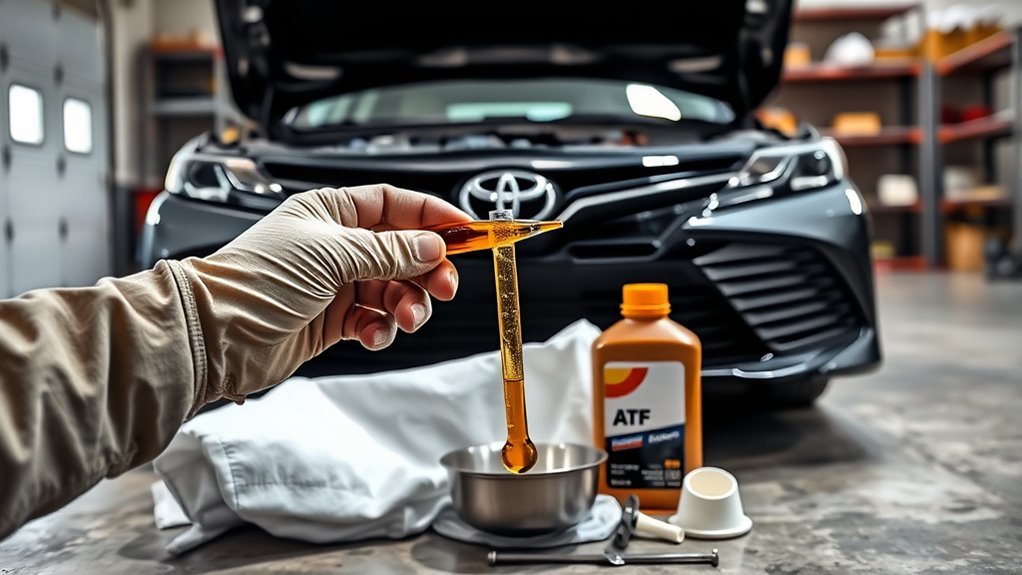
Anyone can do a quick transmission assessment on a Camry, but the exact fluid-level check depends on the transmission design. Start with these safe, non-invasive checks before planning a fluid service.
- Park on level ground and warm the vehicle normally. A short drive is better than long idling. Do not crawl under the car unless it is safely lifted and supported.
- Look for leaks. Check the driveway, lower splash shield, transmission pan area, axle seals, cooler lines, and the area between the engine and transmission. Red, pink, brown, or oily drips need attention.
- Check fluid only if your Camry has a dipstick. On models with a transmission dipstick, inspect fluid on a clean white towel. Healthy fluid is usually clean and not burnt-smelling. Dark fluid, a burnt odor, glitter-like metal, or gritty particles are warning signs.
- For sealed transmissions, do not guess the level. Many late-model Camrys require a fill plug, overflow plug, and fluid-temperature procedure. Overfilling or underfilling can cause shifting problems.
- Listen and feel during driving. Note delayed engagement from Park to Drive, flare-ups in RPM, slipping under load, harsh 2–3 or 3–4 shifts, whining, humming, clunks, shudder, or vibration.
- Scan for diagnostic trouble codes. A basic OBD-II scanner may reveal powertrain codes, but transmission-specific data often needs a better scan tool.
Note: A Camry can shift poorly because of low fluid, old fluid, a leak, a software calibration issue, a worn mount, an axle problem, engine misfire, or internal transmission wear. Do not assume every shift complaint means the transmission itself has failed.
Identify Your Camry’s Transmission Before You Buy Fluid
The safest service plan starts with your VIN, owner’s manual, and Toyota maintenance guide. Camrys have used different drivetrains over the years, including conventional automatics, hybrid transaxles, and older manual gearboxes in some markets. The wrong fluid can change clutch behavior, shift quality, lubrication, and long-term wear.
| Camry type | What to confirm | Best service approach |
|---|---|---|
| Late-model automatic or hybrid transaxle | Fluid specification, sealed-level procedure, and inspection/replacement interval | Professional drain-and-fill is safest unless you have the correct scan tool, fill procedure, and lifting setup. |
| Older automatic with dipstick | Dipstick fluid label, manual-specified ATF, and hot/cold check procedure | Owner inspection is reasonable; fluid replacement still requires the correct ATF and fill amount. |
| Older or non-U.S. manual transmission | Manual gear oil grade, drain/fill plug access, and service interval | Use the exact owner’s-manual fluid spec; do not substitute automatic-transmission fluid unless your manual specifically calls for it. |
When to Change Your Camry Transmission Fluid: Toyota-Approved Types
For reliable shift performance and long component life, follow the maintenance schedule for your specific Camry instead of using a universal mileage rule. Toyota’s 2025 Camry Warranty & Maintenance Guide says scheduled maintenance is organized around Toyota’s maintenance log and lists automatic transmission fluid as an item to inspect or replace at specified intervals. Toyota’s 2024 Camry guide also lists automatic transmission fluid cooler hoses, connections, and transmission leakage inspection at 60,000 miles or 72 months.
The biggest schedule difference is normal use vs. special operating conditions. In the 2024 guide, automatic transmission fluid replacement appears at 60,000 miles for special conditions such as towing, car-top carrier use, heavy vehicle loading, and extensive idling or low-speed driving. In the 2025 guide, the special-operating-condition chart lists automatic transmission fluid replacement at 60,000 miles and again at 120,000 miles. If your driving fits those conditions, use the severe-service line in the guide for your exact model year.
For fluid type, many Toyota automatic transmissions and transaxles use Toyota Genuine World Standard Automatic Transmission Fluid #00289-ATFWS, which Toyota describes as formulated for Toyota automatic transmissions and transaxles. Still, do not buy fluid by guesswork: confirm the spec by VIN, owner’s manual, dipstick label if equipped, or Toyota parts lookup.
- Use your model-year Toyota maintenance guide as the final interval source.
- Inspect sealed transmissions, transfer cases, and differentials for leaks rather than opening plugs casually.
- Move to the special-operating-condition schedule if you tow, use a car-top carrier, carry heavy loads, idle for long periods, drive low-speed routes, or regularly drive dusty/muddy roads.
- Use Toyota-approved fluid chemistry. “Compatible” aftermarket fluid should clearly list the required Toyota spec.
- Document date, mileage, fluid brand/spec, quantity, and who performed the work.
Pro Tip: If you bought a used Camry with no service history, start with a leak inspection, scan for codes, and ask a Toyota dealer or transmission specialist whether a drain-and-fill is appropriate. A high-pressure flush on a neglected high-mileage transmission can create problems if it is not recommended for that vehicle.
[Products Worth Considering]

This flexible oil funnel is designed to make fluid changes cleaner and easier by guiding oil around obstacles like skid plates and crossmembers. Its shape-retaining core and silicone body can be molded for custom positioning, while the heat-resistant, leak-proof design helps prevent spills during draining and filter removal. Reusable and easy to clean, it works well for cars, trucks, motorcycles, and other hard-to-reach fluid fill or drain applications.

This 12-pack oil filter and drain plug washer set is designed for a wide range of Toyota and Scion vehicles, helping support clean oil flow and dependable engine performance. It replaces several common OE part numbers and offers an easy-fit solution for routine maintenance. Built with corrosion-resistant materials and efficient filtration, it helps keep engine contaminants out and supports longer service life.

These genuine Toyota oil drain plug gaskets are designed to help maintain a reliable seal during oil changes, reducing the chance of leaks and supporting proper engine maintenance. With an OEM fit and trusted Toyota quality, they are a practical choice for routine service on compatible vehicles. The convenient quantity pack is ideal for keeping multiple maintenance intervals covered.
Transmission Maintenance Checklist: What to Do and When
Use this checklist as an owner-friendly routine. It does not replace your Toyota maintenance guide, but it helps you catch symptoms before they become expensive failures.
| Task | When to do it | What you are looking for |
|---|---|---|
| Shift-feel check | Every drive | Delayed Drive/Reverse engagement, slipping, flare, clunk, shudder, harsh shifts, or warning lights |
| Leak inspection | At every oil change or tire rotation | Wet pan edges, axle-seal leaks, cooler-line seepage, driveway drips, or stains on the splash shield |
| Fluid condition check if dipstick-equipped | During routine service | Burnt odor, very dark fluid, foam, metal glitter, grit, or low level |
| Automatic transmission fluid inspection | At Toyota-specified mileage/month intervals | Leaks, cooler-hose condition, service history gaps, and any diagnostic codes |
| Special-condition fluid replacement | Use the severe-service line in your Toyota guide | Towing, heavy loading, car-top carrier use, extensive idling, long low-speed driving, dust, mud, or repeated heat exposure |
| Dealer or specialist diagnosis | Immediately after repeated symptoms | Transmission codes, temperature data, solenoid behavior, valve-body issues, software campaigns, or internal wear |
Driving Habits and Seasonal Care to Extend Transmission Life
Good driving habits reduce heat, clutch load, and unnecessary shifting. You do not need to baby the car, but you should avoid habits that repeatedly shock the drivetrain.
- Use smooth throttle inputs. Hard launches and sudden kickdowns raise heat and load.
- Let the car warm through gentle driving. In cold weather, avoid heavy throttle until the engine and driveline are operating normally.
- Use the right drive mode on hills. If your Camry has manual shift control or a lower range, use it on steep grades to reduce gear hunting.
- Do not overload the vehicle. Extra cargo, roof loads, and towing stress the transmission and cooling system.
- Watch hot-weather symptoms. Shudder, delayed shifts, burnt odor, or warning messages after traffic, grades, or long idling need diagnosis.
- Maintain the cooling system. Transmission heat often depends on radiator, condenser, fans, airflow, and cooler-line condition.
The cheapest transmission repair is usually the one you prevent: fix leaks, heat problems, and bad fluid-service habits before they turn into slipping or internal wear.
Troubleshooting Symptoms: DIY Fixes vs. When to Visit a Toyota Dealer
Some symptoms can be checked at home, but repeated slipping, overheating, warning lights, or contaminated fluid needs professional diagnosis. Use this table to separate simple checks from problems that require Toyota-level scan data, service bulletins, calibration checks, or transmission teardown.
| Symptom | Safe DIY action | Dealer or specialist action |
|---|---|---|
| Low or degraded fluid on dipstick-equipped models | Confirm the correct check procedure and fluid spec; inspect for leaks. | Pressure/leak diagnosis, drain-and-fill, pan inspection, or internal inspection if metal is present |
| Delayed engagement from Park to Drive or Reverse | Check for leaks, confirm no floor-mat or pedal issue, scan basic codes. | Fluid-level temperature procedure, solenoid/valve-body diagnosis, mounts, calibration check |
| Slipping, RPM flare, or shudder | Stop aggressive driving and avoid towing or hills. | Scan live transmission data, inspect fluid, check torque converter behavior, clutch wear, or hybrid transaxle faults |
| Whining, humming, grinding, or clunks | Note speed, gear, temperature, and whether it happens while turning or braking. | Differentiate transmission, wheel bearing, axle, engine mount, differential, or hybrid transaxle noise |
| Transmission, check-engine, or hybrid-system warning | Record the message and avoid clearing codes before diagnosis. | Toyota scan-tool diagnosis, freeze-frame review, service campaign or TSB check, repair estimate |
Warning: Stop driving and arrange service if the Camry has a major fluid leak, burning smell, no movement in Drive or Reverse, severe slipping, grinding, smoke, or a warning message tied to the hybrid system or transmission. Continuing to drive can turn a small problem into internal damage.
[Products Worth Considering]

CHAPIN’s low-profile oil drain pan is designed to slide under low-clearance vehicles and equipment, making fluid changes easier in tight spaces. The large splash-free target area helps reduce mess while the molded carry handles support easier lifting, pouring, and storage. Built for draining oil, coolant, and other automotive fluids, it offers a practical high-capacity solution for routine maintenance.

This NewYall pack of two oil filters is designed for a wide range of Toyota, Lexus, and Scion vehicles from the 2005 to 2014 model years. Each filter includes a gasket seal O-ring element for a proper fit and reliable oil filtration, helping support clean engine oil flow and routine maintenance. It is a practical replacement choice for many popular sedans, SUVs, and hybrids.
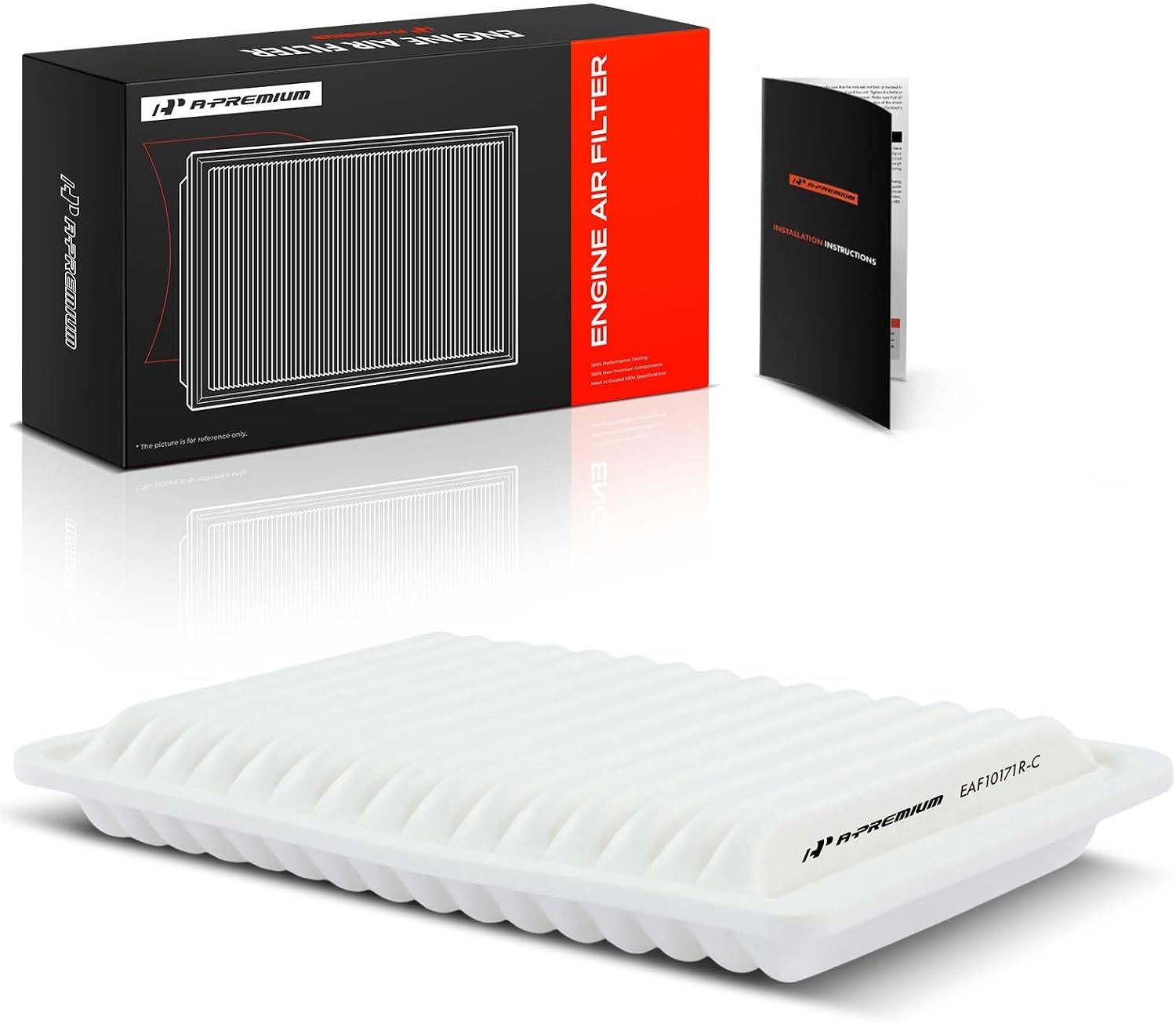
This A-Premium engine air filter is designed to help Toyota Camry and Venza models maintain cleaner airflow and stronger engine performance. Its fine filtration media captures debris while keeping air moving efficiently, and the rectangular, front-mounted design offers a direct replacement fit for select vehicles. Replace it regularly to support engine efficiency and cleaner intake air.
DIY Fluid Service: What to Do and What to Avoid
A careful owner can inspect a Camry, but sealed transmission service is not the same as an engine-oil change. The fluid level may need to be checked at a specific transmission-fluid temperature with the vehicle level. If you cannot confirm the fill procedure, do not open the system.
- Do confirm fluid before draining. Have the correct Toyota spec and enough fluid on hand before the drain plug comes out.
- Do measure what drains out. Measuring old fluid helps identify major underfill or overfill issues.
- Do replace crush washers/gaskets where required. Reusing sealing parts can create leaks.
- Do not mix random “universal” ATF. Use fluid that clearly meets the Toyota spec for your transmission.
- Do not guess the fill level. Underfill can cause slipping and overheating; overfill can cause foaming and pressure problems.
- Do not perform a high-pressure flush on a problem transmission unless the repair procedure calls for it. Diagnose symptoms first.
- Do not clear codes before saving them. Diagnostic history can help a technician find the real fault faster.
Note: A drain-and-fill replaces only part of the fluid in many automatic transmissions. That is normal. Multiple services, pan service, or cooler-line exchange procedures should be chosen only after checking the Toyota procedure and the condition of the existing fluid.
[Products Worth Considering]
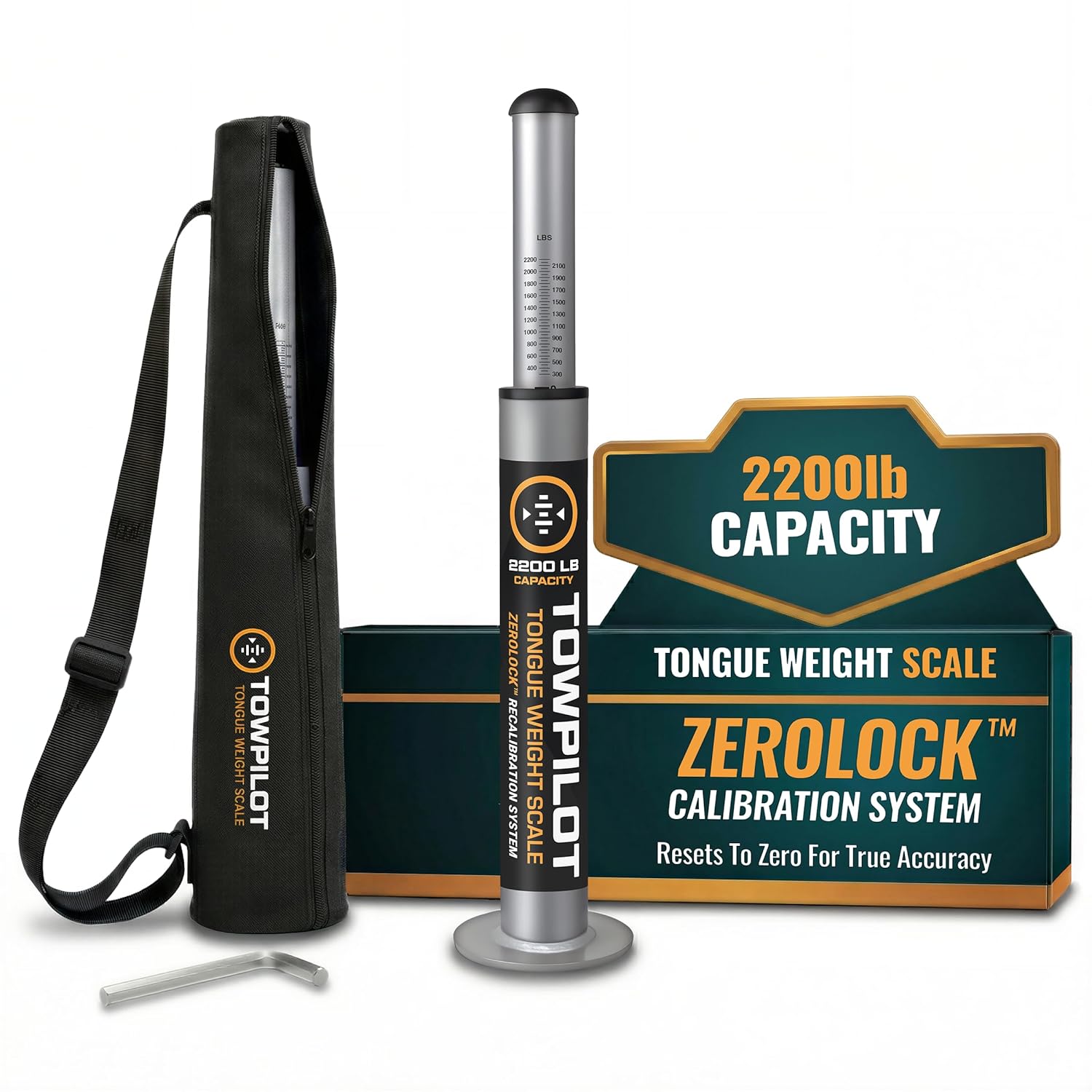
This trailer tongue weight scale helps you check hitch weight quickly and accurately before towing, reducing sway and improving overall safety. Built with durable steel and a spring mechanism, it works without batteries and includes a recalibration feature to maintain true-zero accuracy over time. It is designed for RVs, campers, and utility trailers, with a top plate that helps protect your coupler during use.

This EPAuto engine air filter is designed as an OEM replacement for select Toyota Camry and Venza models with 4-cylinder gas engines. It helps protect the engine by filtering dust, dirt, and debris from incoming air while supporting efficient performance and improved fuel mileage. Built for a precise fit, it is a practical replacement choice for routine maintenance.

KAX CA10171 premium engine air filter is designed as a direct replacement for select Toyota Camry and Venza models, helping maintain clean airflow to protect critical engine components. Its high-performance filter media delivers strong filtration efficiency and long service life for dependable everyday driving. With a precise rectangular fit and easy replacement design, it supports better acceleration, consistent performance, and improved fuel economy.
Warranty, Records, and When Dealer Diagnosis Is Worth It
Transmission work is expensive, so records matter. Toyota’s maintenance guides tell owners to keep detailed service records, including date, mileage, and a description of service performed. Toyota also states that damage or failure caused by improper maintenance or repairs is not covered under warranty. At the same time, the FTC explains that companies cannot deny warranty coverage solely because you used an independent shop or a third-party part, unless that part or service caused the problem.
For the cleanest paper trail, keep the receipt, the fluid specification, part numbers, service mileage, diagnostic codes, and the shop name. If your Camry is still under warranty, has hybrid-system warnings, has repeated shift complaints, or may have a software campaign or technical service bulletin, dealer diagnosis is worth the cost before you approve invasive repairs.
Frequently Asked Questions
Can aftermarket transmission coolers improve Camry longevity?
Sometimes, but they are not a universal upgrade. A cooler can help only when heat is the real problem, the unit is correctly sized, and the installation does not restrict flow or create leaks. Before adding one, confirm your Camry’s towing/load limits, cooling-system condition, warranty status, and whether the vehicle is actually approved for the load you plan to carry.
Do warranty repairs cover transmission failures after fluid changes?
They can, but coverage depends on the cause. A warranty claim should not be denied only because maintenance was done outside the dealer. However, failure caused by the wrong fluid, improper level, contamination, poor workmanship, neglect, abuse, or unapproved modifications may not be covered. Keep receipts and fluid-spec documentation.
Is it safe to tow heavy loads with an automatic Camry transmission?
Do not tow heavy loads unless your owner’s manual lists a towing capacity for your exact Camry and your trailer, passengers, cargo, hitch, and tongue weight all stay within that rating. Toyota maintenance guides also warn that not all vehicles are designed for towing. Towing or heavy loading may move you into special-operating-condition maintenance.
How often should the transmission filter be replaced on newer Camrys?
Many newer Camry transmissions use an internal strainer or filter that is not treated like a routine engine-oil filter. Replacement may require pan removal and should follow the repair manual for that transmission. Ask for filter or strainer service only when the Toyota procedure, fluid contamination, pan inspection, or a repair diagnosis supports it.
Are transmission software updates recommended by Toyota dealers?
Software updates are not a routine every-two-years maintenance item. A dealer may recommend an update when Toyota has a relevant service bulletin, campaign, calibration improvement, or diagnostic result for your symptoms. Ask the service advisor what code, bulletin, or symptom the update is meant to address.
Does every Toyota Camry have a transmission dipstick?
No. Some older Camrys have a dipstick, while many late-model transmissions are sealed and use a fill/overflow procedure. If you do not see a dipstick, do not add fluid through random plugs or vents. Use the owner’s manual, repair information, or a Toyota technician to confirm the correct method.
Is a drain-and-fill better than a transmission flush?
For many Camry owners, a drain-and-fill is the safer first service because it replaces part of the fluid without forcing fluid through the unit under high pressure. A flush or exchange may be appropriate only when the procedure and fluid condition support it. If the transmission already slips or has metal debris, diagnose it first.
What counts as special operating conditions for Camry transmission service?
Toyota maintenance guides list conditions such as towing, using a car-top carrier, heavy vehicle loading, extensive idling, long low-speed driving, and dirty or dusty road use. If those describe most of your driving, use the special-operating-condition schedule in your model-year guide.
Conclusion
A reliable Camry transmission is usually the result of boring, methodical maintenance: identify the transmission, use the correct fluid, watch for leaks, follow Toyota’s normal or special-service schedule, and diagnose symptoms before they become internal damage. Do the easy checks yourself, keep records, and escalate quickly when you see slipping, burnt fluid, warning lights, heavy leaks, or hybrid-system messages. That balanced approach protects drivability, warranty discussions, resale value, and drivetrain integrity.
Sources
- Toyota 2025 Camry Warranty & Maintenance Guide — scheduled maintenance rhythm, automatic transmission fluid inspection/replacement chart, special operating conditions, warranty responsibilities, and hybrid high-voltage safety precautions
- Toyota 2024 Camry Warranty & Maintenance Guide — 60,000-mile inspection items, automatic transmission leak/cooler-hose checks, and special operating condition fluid replacement
- Toyota Genuine World Standard Automatic Transmission Fluid #00289-ATFWS — Toyota WS ATF product purpose and compatibility description for Toyota automatic transmissions and transaxles
- Toyota Owners Manuals and Warranties — official owner manual and warranty resource for model-specific verification
- Federal Trade Commission: Warranty Restrictions — warranty guidance on third-party parts and non-dealer service