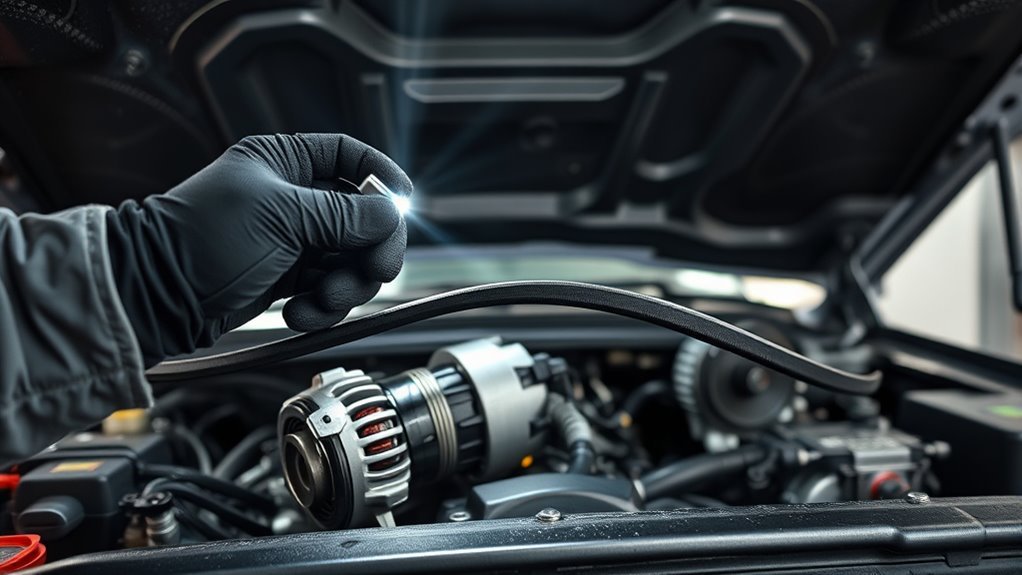
You should inspect your Toyota Tundra’s serpentine belt starting at about 60,000 miles, or sooner if the belt is over five years old, you tow heavy loads, or you drive in hot or dusty conditions. Check for longitudinal cracks, edge fraying, glazing, pulley contact wear, and proper tension; log findings and plan replacement around 75,000 miles or 5–6 years. Inspect more often for towing or extreme climates, and continue on for step-by-step checks and replacement guidance.
Who This Guide Helps : And What You’ll Learn
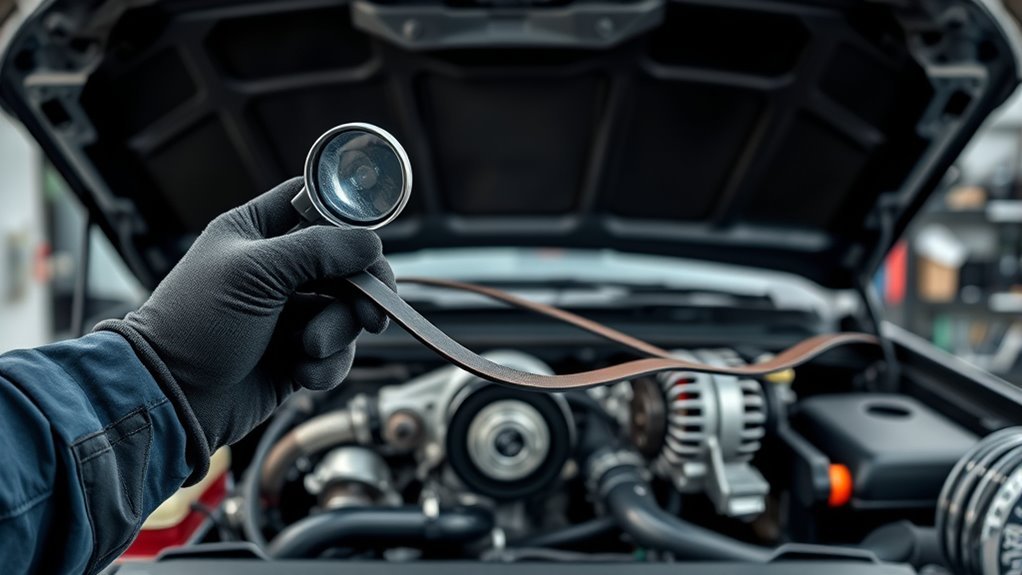
If you own or service a Toyota Tundra, this guide helps you know when and how to inspect the serpentine belt so you can prevent failures that affect the alternator, power steering, and other accessories. You’ll get targeted, actionable guidance that frees you from guesswork: what to look for during a visual inspection, how to assess tiny cracks and weather checking, and which signs demand an immediate spare belt on hand. You’ll learn simple maintenance tips to preserve belt longevity through routine checks and emergency readiness, without being drawn into generic advice. This guide favors measurable observations—crack patterns, glazing, and rubber hardness—over vague timelines, so you can decide based on condition as well as use. It equips you to act decisively: spot deterioration, evaluate risk to engine-driven systems, and plan replacement or carry a spare. You’ll leave confident, capable, and less dependent on surprises that compromise mobility.
When to Inspect Your Tundra Serpentine Belt (Mileage & Age Rules)
You should inspect your Tundra’s serpentine belt on a mileage schedule—start close checks at 60,000 miles and plan replacement around 75,000 miles depending on condition. Also factor in belt age: if the belt is over 5 years old, perform thorough inspections for hardening, cracks, or fraying and consider replacement at 5–6 years regardless of mileage. In hot climates move your inspection and replacement targets earlier (around 60,000–70,000 miles) to avoid premature failure.
Mileage-Based Checks
When should you inspect the Tundra’s serpentine belt? Check at key mileage milestones: around 60,000 miles you should perform a detailed visual and tactile inspection because noticeable wear often starts then. Track belt longevity by documenting findings—cracks, glazing, fraying, or uneven wear—and compare to expected life. If you see damage before 75,000 miles, plan replacement; typical replacement windows range 75,000–90,000 miles depending on condition. In hot climates, shift inspections earlier, around 60,000–70,000 miles, since heat accelerates degradation. Use a consistent checklist and log dates and miles to resist surprise failures and maintain operational freedom. Prioritize condition over strict mileage if your inspections reveal progressive deterioration.
Age-Based Inspections
Although mileage gives a baseline, age matters just as much—inspect your Tundra’s serpentine belt for tiny cracks, fraying, glazing, and edge wear once the belt reaches about 5 years old, even if miles are low. You’ll use focused inspection techniques: good lighting, a magnifier, and tension checks to detect micro-cracks, delamination, or glazing that aging causes. Age impact can accelerate degradation independent of mileage, especially in hot climates where inspect-and-replace windows narrow to 60,000–70,000 miles. Replace around 75,000 miles or at 5–6 years, whichever comes first, and keep a spare belt for liberation from roadside failures. Be systematic: document manufacture date, note environmental exposure, and act proactively rather than waiting for visible failure.
How to Inspect Safely: Tools, Access Points, and Step-by-Step Checks
Gather a basic toolkit—wrench, flashlight, gloves—and a spare belt so you can work safely and handle an emergency replacement. You’ll usually access the tensioner and belt from underneath the truck or the passenger-side wheel well, so lift and support the vehicle securely before starting. Follow a step-by-step check: release tension, inspect the inside track for tiny cracks and weather checking, confirm routing against the diagram, and reinstall or replace as needed.
Tools And Safety Gear
Start with a compact toolkit: a wrench set with a long-handled breaker or swivel sockets, a flashlight or inspection lamp, safety glasses, gloves, and a creeper or jack stands if you need to remove the skid plate for access. For tool selection, pick durable sockets, a breaker bar, and a tensioner-compatible wrench; keep a spare serpentine belt and a routing diagram under the hood. Follow safety precautions: park on level ground, chock wheels, disconnect the negative battery terminal if you’ll work near pulleys, and never inspect with the engine running. Use gloves and glasses to guard against debris. Pull the tensioner back with the wrench to relieve the belt before handling it. Stay deliberate and uncompromising—your freedom on the road depends on it.
Access Points And Steps
Accessing the Tundra’s serpentine belt is usually easiest from beneath the truck, so raise it securely on jack stands, remove the skid plate if fitted, and chock the wheels before you crawl under. Use a wrench to relieve tension at the tensioner so you can inspect without strain. Start with a visual sweep: check the inside track for tiny cracks, edges for fraying, and surface for weather checking. Follow routine inspection techniques at service intervals and give a thorough check at 60,000 miles or if the belt is over five years old. If you replace the belt, consult the routing diagram to avoid misrouting. These maintenance tips keep you independent and prevent roadside failure—be methodical, safe, and decisive.
How to Spot Belt Wear: Visual and Tactile Signs to Watch For
A worn serpentine belt shows telltale visual and tactile signs you can check quickly: inspect the inside track for tiny longitudinal cracks (replace if cracks are extensive or more than a few per twist), look for weather checking or edge fraying—especially on belts older than five years—feel for glazing or a slick, shiny surface, and note any significant material loss or irregular wear patterns that could soon cause failure. You’ll evaluate belt longevity by tracking these wear indicators over time; document condition and age each inspection. Run the belt between your fingers to detect rough spots, embedded debris, or soft areas that signal delamination. Hold a mirror or flashlight to view pulley contact zones for uneven wear or rib separation. A shiny, glazed face means heat or slippage has reduced grip and you should plan replacement. Edge fraying or frequent cracks per twist aren’t just cosmetic—they shorten service life and erode your vehicle’s dependability, so act before breakdown limits your freedom.
When to Replace the Belt : Vs. Replacing Tensioner or Pulleys
While you should generally plan to replace the serpentine belt around 75,000 miles (or sooner if it’s older than five years or shows cracks/glazing), you should also evaluate the tensioner and pulleys at each belt change because a worn tensioner or damaged pulley will shorten the life of any new belt; replace the tensioner every two belt cycles and swap any noisy, wobbling, or visibly worn pulleys at the same time to avoid premature belt failure and additional labor costs. You’ll inspect belt condition every 60k and replace immediately if cracking/glazing appears. Aim for tensioner replacement on a predictable schedule to free yourself from roadside failures; integrate pulley maintenance into the same job to save time and money. If pulleys hum, wobble, or show surface damage, replace them with the belt. Typical replacement costs vary, so DIY when capable; otherwise budget for professional service to secure reliable propulsion of accessory systems.
| Item | Interval | Action |
|---|---|---|
| Belt | ~75,000 mi | Replace/inspect |
| Tensioner | Every 2 belts | Replace |
| Pulleys | As needed | Replace if noisy |
| Inspection | 60,000 mi | Visual/tactile |
How Climate & Heavy Use (Towing, Dusty Roads) Shorten Belt Life
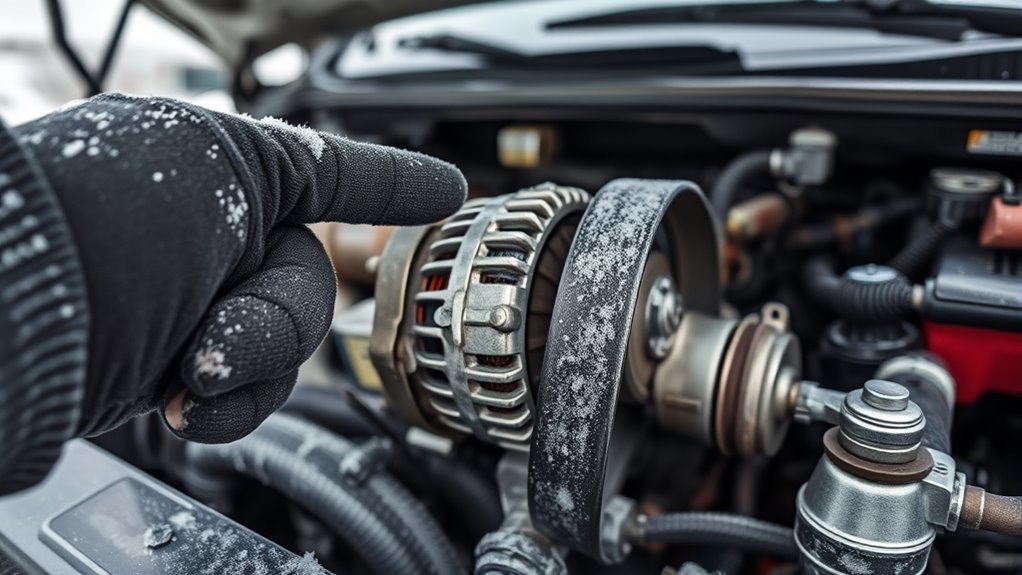
Those replacement intervals assume normal driving; harsh climates and heavy use force you to shorten them. You need to treat the serpentine belt as a consumable when climate impact or towing effects apply. Hot, arid environments harden rubber—expect life closer to 60,000–70,000 miles and inspect sooner. Towing or frequent heavy loads raises belt tension and heat, accelerating wear; inspect every 30,000 miles or less. Dusty roads add abrasive particles that increase friction and cause glazing, fraying, and rapid deterioration.
Treat the serpentine belt as a consumable—inspect sooner in heat, towing, or dusty conditions to avoid sudden failure.
- You’ll feel betrayed if a neglected belt fails mid-trip—inspect early.
- You’ll reclaim control by checking for cracks, glazing, and fray signs.
- You’ll avoid being stranded by following stricter intervals in severe use.
- You’ll choose freedom when proactive inspections replace reactive repairs.
Be disciplined: schedule visual checks more often in extreme conditions, document findings, and act immediately on glazing, fraying, or visible cracking to maintain reliability and liberation on the road.
Cost and Options: DIY Vs. Shop, Parts, Time, and Expected Prices
One clear choice you’ll make is whether to tackle the serpentine belt yourself or pay a shop, since parts run roughly $39–$58 for a belt while dealer labor can push total cost north of $300. You’ll weigh DIY Strategies against professional convenience: with basic tools and a jack or lift, you can replace the belt in about 20 minutes from underneath the truck once the skid plate is off. That hands-on route grants control and cost savings; parts are the main expense.
Cost Comparisons should include independent shops, which often undercut dealer quotes while providing trained techs and warranty coverage. Factor time, disposal, and risk—incorrect routing or tensioning costs more than money. Inspect belts regularly for cracks, especially if over five years old, to avoid roadside failure. Choose the path that maximizes your autonomy and minimizes downtime: do it yourself if you want liberation and low outlay, or use a reputable indie shop for reasonable speed and assurance.
Practical Maintenance Plan: Inspection Schedule & Spare-Parts Checklist
Now that you’ve weighed DIY versus shop options and understand costs and time, set up a simple, repeatable maintenance plan for the serpentine belt. Inspect every 10,000 miles, paying attention to cracks, glazing, and age—replace near 75,000 miles or sooner if wear appears. Check the tensioner and pulleys each inspection. Use inspection technologies like high-res inspection lights and torque tools to be precise, and log findings to dispel maintenance myths that procrastination is harmless.
Inspect your serpentine belt every 10,000 miles, log findings, and replace around 75,000 miles—or sooner if wear appears.
- Keep a quality spare belt onboard to reclaim control during roadside failures.
- Carry basic tools and a tensioner release tool to avoid being stranded.
- Record dates, miles, and component condition to build trust in your routine.
- Replace tensioner or pulleys if they show play or noise; don’t gamble.
You’ll gain freedom by standardizing checks, relying on objective data, and rejecting myths—this plan minimizes surprises and keeps your Tundra moving.
Frequently Asked Questions
How Often Should I Change the Serpentine Belt in Tundra?
You should change the serpentine belt around 75,000 miles or every 5–6 years; inspect at 60,000 miles for serpentine belt symptoms, follow maintenance tips, and carry a spare to avoid being stranded and stay independent.
How Long Does a Toyota Serpentine Belt Last?
Typically 60,000–90,000 miles; in hot conditions aim for 60,000–70,000. You’ll monitor serpentine belt lifespan by checking belt wear indicators like cracks, shininess, fraying, and age — replace proactively to stay free.
Can a Serpentine Belt Last 200,000 Miles?
Rarely — you might see a serpentine belt lifespan approach 200,000 miles, but you shouldn’t rely on it. Inspect for belt wear indicators like cracks, fraying, glazing; replace proactively to avoid sudden failures and stay liberated.
Conclusion
You’re not inspecting your Tundra’s serpentine belt because you enjoy early-morning breakdowns, so check it by mileage and age, look for cracks, glazing, frays, and play, and swap the belt—or tensioner and pulleys—when wear or noise appears. Harsh climates and towing speed decay; keep a spare belt, basic tools, and a tensioner kit. Do it yourself if you’re competent; otherwise pay the shop. Regular inspections save time, money, and dignity.