
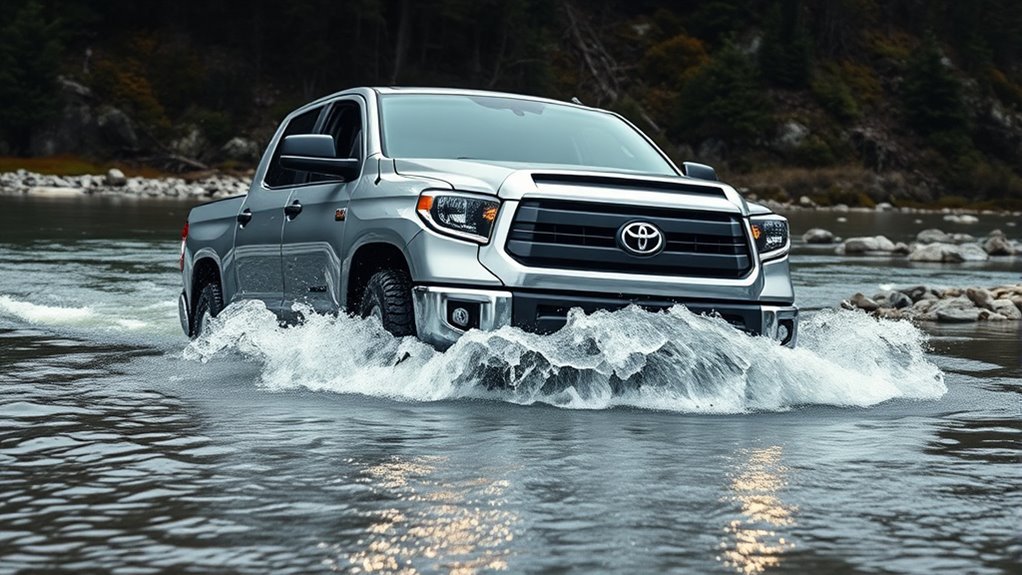
You can ford a Toyota Tundra only when the crossing is shallow, calm, legal, and fully scouted. Prepare the truck by checking the air intake, axle and differential breathers, electrical connectors, tires, recovery points, and underbody. Engage the correct 4WD mode before entering, keep a slow steady pace, avoid sudden throttle or braking, and inspect brakes, fluids, seals, and electronics immediately afterward.
Quick Answer
For a stock Toyota Tundra, treat water fording as a shallow, slow, carefully scouted trail maneuver—not something to attempt in floodwater. Stay well below the air intake and sensitive electrical components, avoid fast-moving water, keep steady momentum, and check brakes, driveline fluids, and connectors after every crossing.
Key Takeaways
- Never drive through flooded roads, fast-moving water, or water with an unknown bottom. Turn around instead.
- Before a planned trail crossing, scout the depth, bottom firmness, current, entry angle, and exit traction on foot only when it is safe.
- Keep water below vulnerable points such as the air intake, alternator, low connectors, axle hubs, and breather openings.
- Use the correct 4WD mode before entering and maintain a slow, steady pace without shifting, stopping, or splashing hard.
- Afterward, test the brakes, inspect the air box and connectors, and check differential, transfer case, transmission, and engine fluids for water contamination.
At a Glance
| Time Required | 10–20 minutes to scout and prepare; 15–30 minutes for basic post-crossing checks |
| Difficulty | Moderate; requires off-road judgment and mechanical awareness |
| Tools Needed | Flashlight, gloves, recovery strap, rated recovery points, tire gauge, basic hand tools, electrical cleaner, clean rags |
| Cost | $0 for inspection; more if fluids, breather extensions, or professional diagnostics are needed |
Warning: This guide is for planned off-road trail crossings, not flooded roads. The National Weather Service warns that moving floodwater can sweep away vehicles, including SUVs and trucks. If the water is moving fast, rising, muddy enough to hide the road, or blocked by barricades, do not enter it.
Prepare Your Tundra for Water Crossings
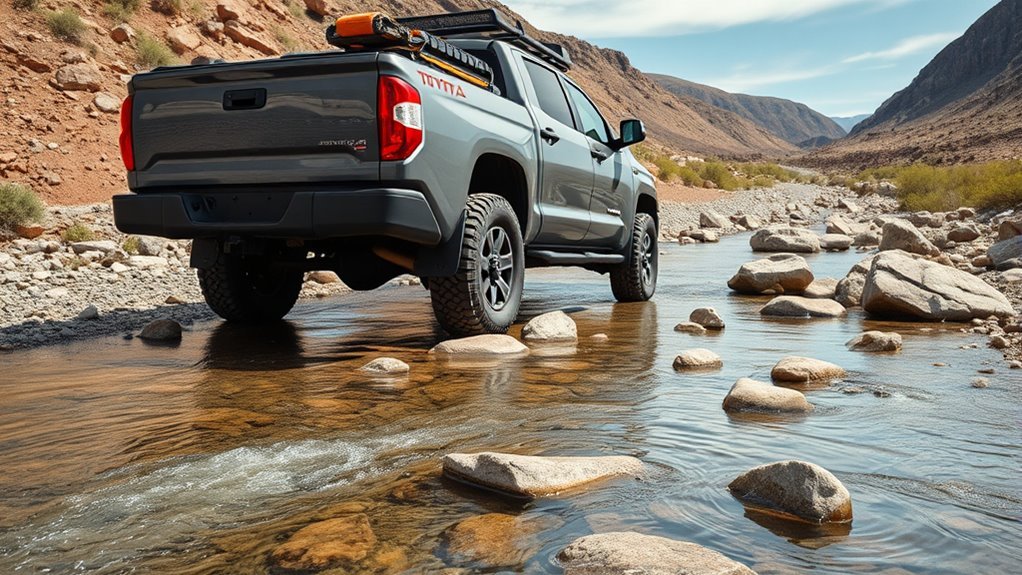
Before you put a Tundra into water, confirm that the crossing is legal, shallow, calm, and necessary. Check your model-year owner’s manual through Toyota’s official owner resources, because tire size, trim, suspension, load, lift height, and accessories all change real-world clearance.
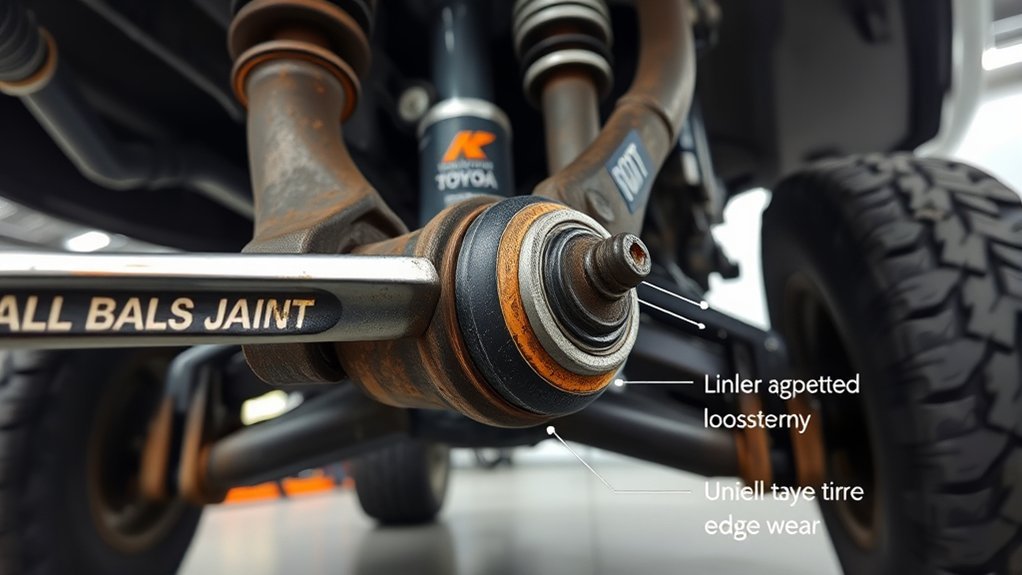
Start with the truck’s vulnerable points. Locate the air intake, alternator, axle breathers, front and rear differential breathers, transfer case breather, low wiring connectors, trailer wiring, parking sensors, and any aftermarket lights or winch wiring. If any breather hose is cracked, loose, clogged, or routed low, fix it before crossing.
- Check the intake path: Open the air box, confirm the filter is dry, and know where the intake draws air. Do not enter water that could reach that point.
- Inspect breathers: Make sure axle, differential, transmission, and transfer case vents are clean and routed as high as practical.
- Secure electricals: Look for low connectors, damaged seals, loose harnesses, exposed trailer plugs, and aftermarket wiring that could trap water.
- Plan recovery first: Identify rated recovery points, bring proper recovery gear, and never rely on a tow ball as a recovery point.
- Let hot components cool: A hot differential or axle housing plunged into cold water can pull moisture through seals or vents as it cools.
Note: A snorkel may raise the engine’s air-intake point, but it does not waterproof the alternator, ECUs, wheel bearings, differential breathers, transmission, transfer case, or interior. Treat a snorkel as one part of a water-prep system, not permission to drive deeper.
[Products Worth Considering]

This versatile automotive tool set combines five specialized pliers and separator tools to simplify removal of electrical connectors, trim clips, hose clamps, and fasteners during repairs and maintenance. Designed for tight spaces and delicate components, it helps reduce damage while improving speed and control for DIY and professional use. Its compact, universal design makes it a practical addition for working on cars, trucks, and SUVs.

This 4-piece automotive electrical disconnect pliers set helps safely remove stubborn push-tab connectors from mass air flow sensors, fuel injectors, and ignition coils without damaging delicate tabs. It includes straight and 60-degree angled pliers, a hose clamp plier, and a dual-ended terminal pin remover to handle a wide range of under-hood wiring tasks. Organized in a rugged storage case, it is built for mechanics and DIYers who need reliable access to tight engine bay spaces.

This automotive electrical connector separator set helps you quickly disconnect locking push-tab style plugs without damaging wiring or connectors. Built for tight spaces, the double-ended design and one-handed operation make it useful for common repair tasks on sensors, injectors, ignition coils, and other vehicle electrical connections.
How Deep and Fast Is Safe for a Tundra Water Crossing?
There is no single safe depth for every Toyota Tundra. A stock 4×4, lifted truck, heavily loaded overland build, TRD Pro, hybrid model, and air-suspension-equipped truck can all sit differently. The safest practical rule is to stay well below the air intake and major electrical components and avoid water that reaches the hubs unless you are prepared to inspect and possibly service driveline fluids afterward.
Do not treat “one to two feet” as a universal target. That range may be too deep if the water is moving, the bottom is soft, the truck is loaded, the approach is steep, or the crossing has holes. In moving floodwater, even a capable truck can lose traction or float.
Safe Water Depths
For a planned off-road crossing, the best depth is the shallowest one that gets you across without water reaching vulnerable parts. Walk or probe the crossing only when it is safe to do so. Check for current, holes, rocks, submerged logs, soft mud, and a damaged roadbed. If you cannot see or verify the bottom, do not cross.
| Condition | Decision | Why |
|---|---|---|
| Fast-moving or rising water | Do not enter | Current can push, float, or roll the truck. |
| Unknown bottom | Do not enter | Hidden holes, washouts, and debris can stop the truck. |
| Calm, shallow, scouted trail water | Proceed only if prepared | A controlled crossing reduces risk but still requires post-checks. |
| Water near hubs, intake, or low electricals | Turn back or service afterward | Water may contaminate fluids or electrical connectors. |
Speed and Momentum
Use a slow, steady pace. The goal is controlled movement, not a splash. Too much speed can force water into the engine bay, soak connectors, push water toward the intake, and damage the crossing. Too little momentum can let the truck bog down in mud or rocks.
Engage the correct 4WD mode before entering. Use one steady gear, avoid mid-crossing shifts, keep both hands on the wheel, and make small steering corrections. If the truck starts to float, slide sideways, dig in, or lose traction, the crossing is no longer safe.
Pro Tip: Watch the waterline at the front doors and bumper, not just the center of the crossing. Entry and exit dips can be deeper than the middle, and the bow wave can briefly raise water against the grille.
Protect Breathers, Air Intake, and Low Parts Before the Ford
Water damage usually comes from three paths: the engine breathes it in, drivetrain vents pull it in, or electrical connectors trap it. Protect those areas before you worry about driving technique.
- Breathers: Extend axle and differential breathers above the expected waterline using heat-safe routing, secure clamps, and high points that will not trap water.
- Air intake: Keep the intake opening above the waterline. A wet air filter is a warning sign; a soaked intake tract can lead to engine damage.
- Alternator and belts: Avoid heavy splash. Silt and mud can shorten alternator, pulley, and belt life.
- Connectors and sensors: Inspect low-mounted plugs, parking sensors, trailer wiring, wheel-speed sensors, and aftermarket wiring before and after the crossing.
- Undercarriage: Remove loose debris, check skid plates, and make sure nothing hangs low enough to snag underwater.
For frequent water crossings, consider breather extensions, sealed electrical repairs, proper skid protection, recovery gear, and professional inspection. Avoid temporary shortcuts such as plastic bags over hot parts or untested sealants around connectors.
[Products Worth Considering]

This A-Premium engine air filter is designed to help maintain clean airflow for compatible Lexus and Toyota vehicles, supporting better engine performance and efficiency. It uses fine filtration media to capture debris while minimizing airflow restriction, making it a practical replacement for routine maintenance. With fitment for multiple popular models and a convenient boxed single-pack design, it offers a straightforward solution for keeping your engine protected.

This 12-piece automotive electrical disconnect pliers kit is designed to help you safely remove push-tab style connectors from sensors, ignition coils, fuel injectors, and wiring harnesses. Built from carbon steel with ergonomic red handles, it provides dependable grip, control, and durability for working in tight engine bay spaces without damaging clips or wires. The varied tool designs and angled tips make it a versatile choice for both DIY repairs and professional automotive electrical work.

This automotive electrical disconnect pliers set makes it easier to remove stubborn wire connectors, fuel injector plugs, ignition coil connectors, and other tight-fitting automotive terminals without damage. Built from high-carbon steel with comfortable anti-slip handles, the tools are designed for durability, control, and one-handed use in narrow spaces. The set includes multiple disconnect and separator tools plus hose clamp pliers to help with a wide range of vehicle repair tasks.
Positioning and Driving Technique for a Smooth Ford
Approach the crossing straight, slowly, and deliberately. Pick the firmest entry and exit, avoid deep ruts, and line up before your front tires touch the water. Once you enter, keep a gentle, steady throttle and do not stop unless stopping is safer than continuing.
| Task | Target | Action |
|---|---|---|
| Line selection | Firm entry and exit | Scout first and choose the straightest safe path |
| Traction | Predictable grip | Select 4WD before entering and avoid sudden throttle |
| Engine control | Steady load | Hold one gear and avoid shifting mid-crossing |
| Exit | Controlled climb-out | Do not spin tires; ease out and test brakes afterward |
If the engine stalls in water, do not immediately restart it. A stalled engine may have ingested water or soaked a critical electrical component. Winch or tow the truck out safely, inspect the air box and intake tract, and get professional help if there is any sign of water ingestion.
Warning: Restarting an engine after water reaches the intake can turn a recoverable situation into severe engine damage. If the filter, intake tube, or throttle body is wet, stop and inspect before cranking.
Electrical & Alternator Risks to Watch During a Ford
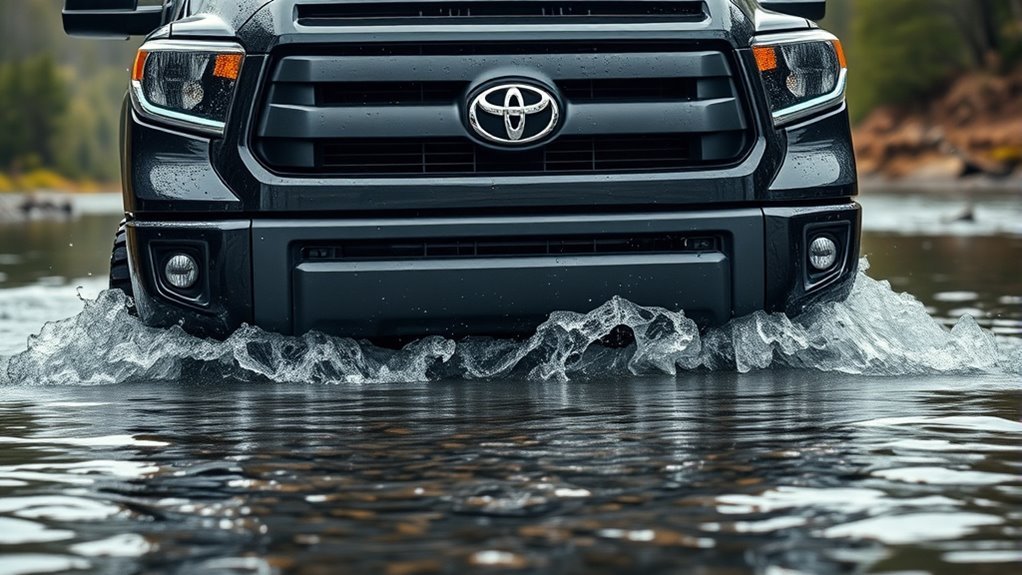
The alternator, belt drive, wheel-speed sensors, trailer wiring, parking sensors, and low connectors are vulnerable during water crossings. Clean freshwater is less damaging than mud or salt water, but any water can carry grit into connectors and moving parts. Mud and silt are especially hard on alternators because they can dry into abrasive residue.
[Products Worth Considering]

This Deutsch connector kit provides a complete solution for creating secure, weather-resistant wiring connections in automotive and other demanding environments. It includes multiple DT-series connector sizes, a closed-barrel crimp tool, and a pin removal tool for easy installation and maintenance. Built for reliable performance, it helps protect electrical connections from moisture, dust, vibration, and corrosion.

This complete Deutsch connector kit provides a versatile assortment of sealed DT-style connectors for reliable automotive and industrial wiring repairs. Built with waterproof, dustproof, and corrosion-resistant materials, it helps maintain secure electrical connections in harsh, high-vibration environments. The included pin removal tool, contacts, seal plugs, and storage case make installation, servicing, and organization simple and efficient.

This upgraded engine oil funnel kit makes oil changes cleaner and easier with a spill-proof design, flow control valve, and transparent body for precise filling. Built from durable polycarbonate and equipped with 12 adapters, two 45-degree elbows, and a debris filter, it fits a wide range of vehicles and works well in tight engine spaces. The secure, hands-free setup helps reduce mess while improving control during oil filling and fluid transfers.
Alternator Water Exposure
A brief splash is different from submersion. If water reaches the alternator or belts, inspect the area after the crossing. Listen for belt squeal, charging-system warnings, grinding, or a battery light. Rinse mud gently with clean low-pressure water only after the vehicle is safely out of the crossing and components have cooled.
- Inspect: Look for packed mud around the alternator, pulleys, belt, and brackets.
- Dry: Let connectors and belt-driven parts dry before extended driving when possible.
- Verify: Watch for battery or charging warnings and test alternator output if symptoms appear.
Electrical Connector Corrosion
After muddy or silty water, inspect low connectors and harness junctions. Look for trapped debris, broken seals, green or white corrosion, damaged loom, and loose clips. Use automotive electrical cleaner where appropriate, dry the connector fully, and reseal only after confirming it is clean.
Do not pack dirty connectors with dielectric grease. Grease helps protect clean, intact connections; it does not repair corrosion or remove water already trapped inside a plug.
Immediate Post-Ford Checks: Brakes, Fluids, and Electronics
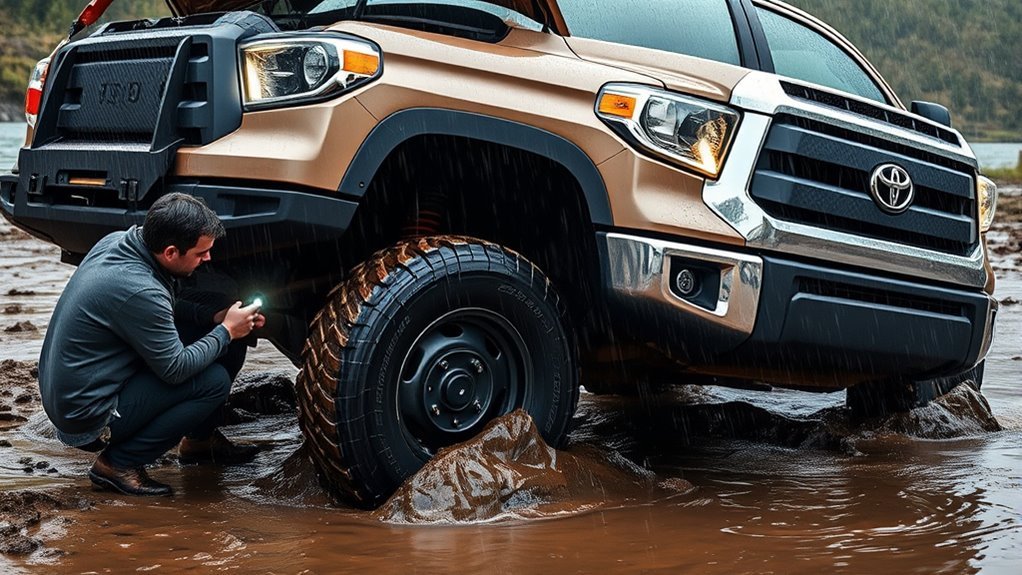
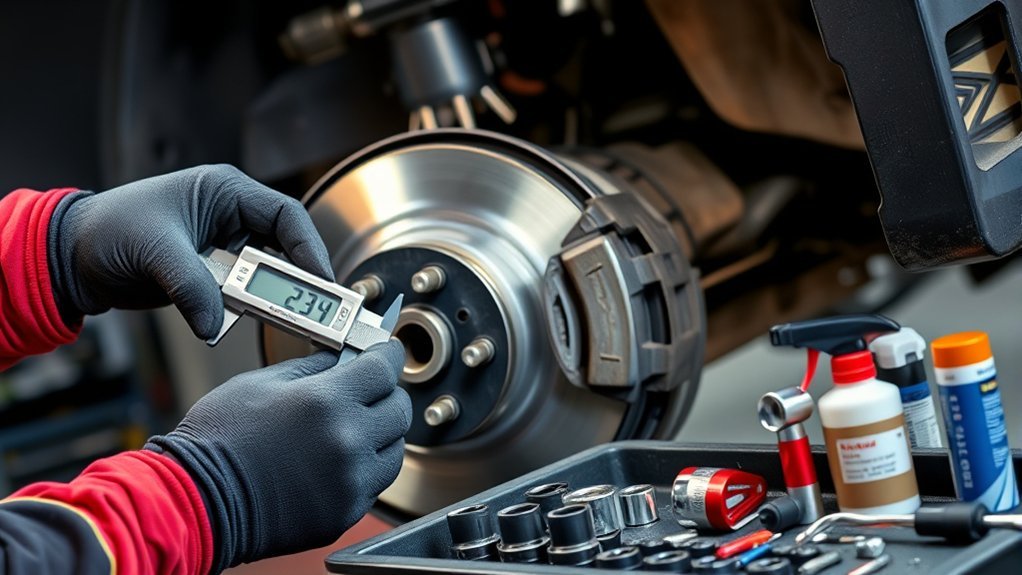
After exiting the water, stop on level ground where it is safe. Let the truck idle briefly, listen for abnormal noises, and test the brakes at very low speed. Wet brakes may feel weak for a short distance, while mud-packed brakes can grind, pull, or overheat.
- Brakes: Apply the pedal gently, confirm the truck stops straight, and check for grinding, pulling, vibration, or warning lights.
- Air intake: Open the air box. If the filter is wet or the intake tract shows water, do not continue driving until inspected.
- Fluids: Check engine oil, transmission fluid if serviceable, transfer case fluid, and differential fluid for a milky, foamy, or cloudy appearance.
- Undercarriage: Remove grass, branches, mud, plastic, or debris trapped around the exhaust, driveshafts, brakes, and skid plates.
- Electricals: Check lights, sensors, trailer wiring, charging warnings, 4WD indicators, and dash messages.
If the water reached the hubs, differentials, transfer case, or transmission breather height, inspect the fluids as soon as possible. Milky fluid means water contamination and should be replaced promptly.
Maintenance Schedule: Fluid Changes and Breather Inspections
Use a strict inspection routine after any water crossing deep enough to reach the hubs, axles, differentials, or lower electrical connectors. The deeper and muddier the water, the sooner the inspection should happen.
| Component | When to Check | Action |
|---|---|---|
| Brakes | Immediately | Test at low speed; clean mud from calipers, pads, and rotors |
| Air box and intake | Immediately | Inspect filter and intake tract; stop driving if wet |
| Differentials | Same day or within 24 hours | Check for milky fluid; replace if contaminated |
| Transfer case | Same day or within 24 hours | Inspect fluid and breather; service if water is suspected |
| Transmission | After deep or prolonged exposure | Have a shop inspect if shifting changes or contamination is suspected |
| Electrical connectors | Within 24–48 hours | Clean, dry, and inspect low connectors and aftermarket wiring |
Keep notes after each crossing: water depth, duration, whether the water reached the hubs, any warning lights, and which fluids were checked or changed. Records help you spot repeat issues and support better maintenance decisions.
Troubleshooting Common Problems and When to Get Professional Help
Water-related problems may show up immediately or days later. Do not ignore new noises, vibration, warning lights, weak brakes, rough idle, charging warnings, delayed shifts, or fluid that looks milky or foamy.
- Engine stalls or runs rough: Stop driving. Check the air filter, intake tube, and oil. Get professional diagnostics if any water is found.
- Brake pedal feels weak or noisy: Dry the brakes gently at low speed, then inspect for mud, grit, or damaged components.
- Battery or charging light appears: Inspect the alternator, belt, and related connectors. Mud-packed alternators can fail after the crossing.
- 4WD, ABS, traction, or sensor warnings appear: Check low connectors and wheel-speed sensors for water or debris.
- Fluid looks milky: Replace the contaminated fluid promptly and inspect seals and breathers.
- Truck was submerged: Contact a Toyota dealer, qualified mechanic, and your insurer before attempting further operation.
Note: Toyota’s basic warranty coverage is for covered defects under normal use, not every type of water or flood damage. Check your owner’s warranty guide and ask a Toyota dealer before assuming a water-related repair will be covered.
Frequently Asked Questions
How deep of water can a Toyota Tundra drive through?
There is no single safe depth for every Tundra. The real limit depends on model year, trim, tire size, suspension, load, current, bottom firmness, air-intake height, and breather routing. For safety, stay in shallow, calm, scouted water only, keep water below vulnerable components, and never enter moving floodwater.
Can a stock Toyota Tundra ford two feet of water?
Do not use two feet as a blanket rule. Two feet of moving water can be dangerous even for trucks. A stock Tundra may handle shallow trail water when conditions are calm and scouted, but fast current, hidden holes, soft mud, and low electrical or intake points can make much shallower water unsafe.
Do I need a snorkel for Tundra water crossings?
A snorkel can raise the air-intake point, but it does not waterproof the truck. You still need protected breathers, sealed wiring, careful speed, proper recovery gear, and post-crossing inspections. A snorkel is most useful for frequent off-road water exposure, not occasional shallow puddles.
Should I change differential fluid after a water crossing?
Check it if water reached the axle hubs, differential housing, or breather height. If the fluid looks milky, foamy, gray, or cloudy, replace it promptly. Also inspect the transfer case and transmission if the crossing was deep, muddy, or long.
What should I do if my Tundra stalls in water?
Do not keep cranking the engine. Recover the truck safely, inspect the air box and intake tract, check engine oil for contamination, and have the truck diagnosed before restarting if water may have entered the intake or electronics.
What is the most common Toyota Tundra issue after water fording?
After water exposure, the most urgent issues to check are wet brakes, contaminated differential or transfer case fluid, soaked air filters, alternator problems, and low electrical connector corrosion. These are water-crossing concerns, not general Tundra reliability rankings.
Conclusion
A Toyota Tundra can cross shallow trail water when the driver prepares carefully, scouts the route, avoids current, protects breathers and electronics, and performs post-crossing checks. The safest choice is always to turn around when the water is moving, rising, too deep to verify, or covering a public road. If water reaches the hubs, intake area, or low electrical components, inspect fluids and connectors quickly and get professional service if anything looks or feels wrong.
Sources
- Toyota Owners — 2026 Tundra Manuals & Warranties — model-year owner manual and warranty resources.
- Toyota — 2026 Tundra — current official Tundra model and capability information.
- Toyota USA Newsroom — 2026 Tundra — current powertrain and model information.
- National Weather Service — Turn Around Don’t Drown — floodwater vehicle-safety guidance.
- Ready.gov — Floods — public flood-safety guidance and warnings.
- Toyota Support — Warranty Coverage — basic warranty coverage overview.


[…] and more often after heavily salted roads. For a Tundra that tows, plows, parks outside, or sees off-road mud or water crossings, rinse as soon as practical after severe […]