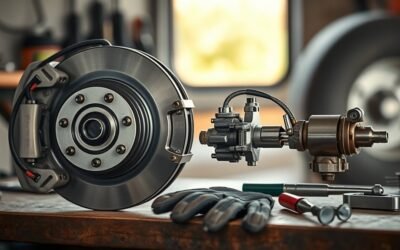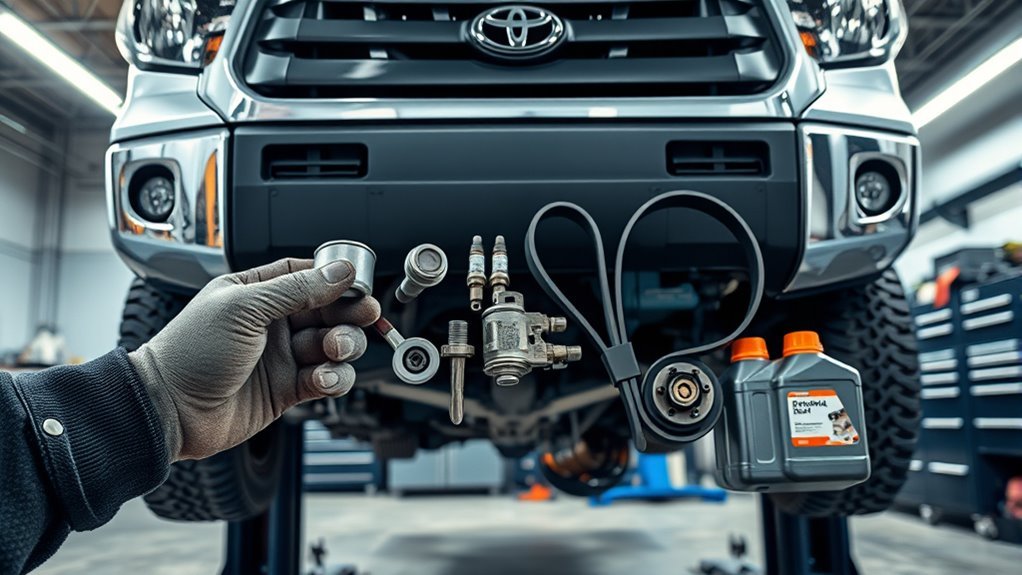
You should prioritize fluids, timing‑belt service, and corrosion checks to keep a high‑mileage Tundra reliable. Inspect oil, coolant, transmission, diff and power‑steering fluids immediately, probe for leaks at valve covers and the rear main, and check hoses and radiator. Replace the timing belt and water pump by 100k miles, change spark plugs, and service transmission and differentials. Inspect brakes, suspension, charging system, exhaust and frame for rust. Continue for detailed intervals, costs and red flags.
Quick 10‑Point Pre‑Purchase & Maintenance Checklist for High‑Mileage Tundras
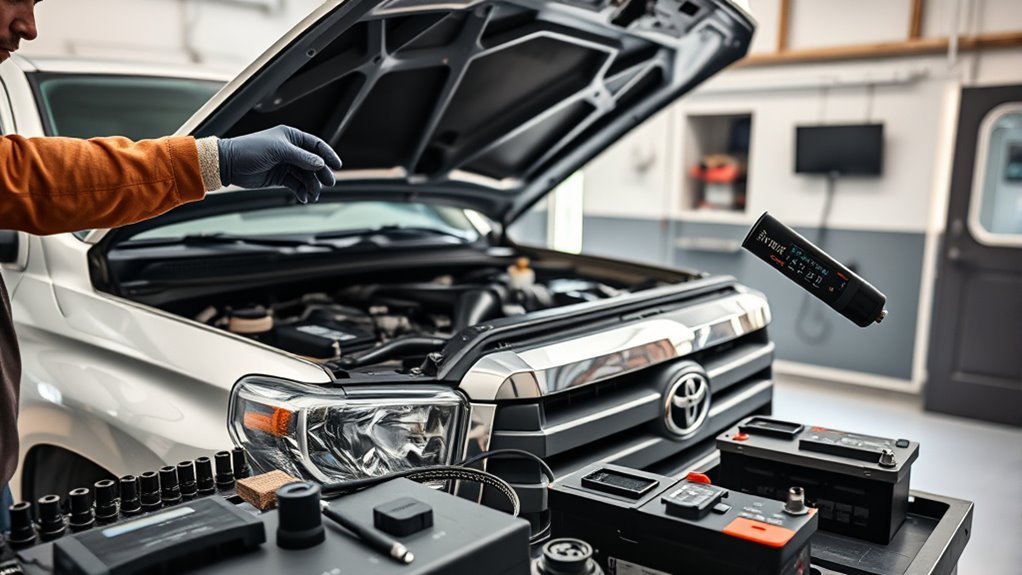
Whether you’re buying or maintaining a high‑mileage Tundra, start with a focused 10‑point check to avoid costly surprises: Inspect vehicle history and owner maintenance records first to confirm timing belt replacements near 100,000 miles and other scheduled service. Visually check for fluid leaks at the power steering, valve cover gaskets, and rear main seal. Verify timing belt condition and plan replacement if undocumented. Evaluate brakes: pad thickness, rotor wear, and fluid level; schedule a flush if overdue. Confirm suspension integrity—bushings, shocks, and ball joints—so handling stays predictable. Test electrical systems: lights, charging, and accessories. Assess tire tread, wear patterns, and pressure for safety and alignment clues. Review coolant condition and hose age to prevent overheating on long hauls. Road‑test for noises, vibration, and steering feel. Prioritize items that threaten drivability or cost; you’ll gain freedom from surprise repairs and control over maintenance costs.
Immediate Checks: Fluids, Leaks, Radiator & Hoses
Start by checking all fluid levels—engine oil, coolant, transmission, power steering and brake fluid—and top or note low levels before you drive. Inspect the radiator and coolant hoses for cracks, swelling, soft spots or weeping at clamps, since any compromise can cause rapid overheating. If you spot leaks around valve covers, the rear main seal, transmission/differential housings or AC lines, address them immediately to avoid bigger repairs.
Check All Fluid Levels
Before you drive, check all fluid levels—engine oil, transmission fluid, brake fluid, power steering fluid, and coolant—to verify they’re within the manufacturer’s range and to spot early problems. You’ll inspect dipsticks and reservoirs, note color and smell, and log levels. Low fluids accelerate wear; keeping them topped preserves freedom from breakdowns. Use approved fluid additives only when specified, and avoid quick fixes that mask issues. Perform focused leak detection around the power steering, valve cover gaskets, and rear main seal; any drip demands prompt attention to prevent costly repairs. Follow the recommended service intervals for fluid changes, especially with high mileage Tundras. Accurate records and timely action keep your truck reliable and your mobility uncompromised.
Inspect Radiator Hoses
When you inspect the radiator hoses, look closely for cracks, bulges, soft spots, and any signs of coolant seepage that could cause overheating in a high‑mileage Tundra. You’ll pair that with radiator maintenance tips: check coolant level and color, confirm clamps are tight and rust‑free, and scan the radiator for corrosion or external leaks. Palpate hoses when cool; hose replacement indicators include sponginess, visible splits, or collapsed sections. Replace hoses and corroded clamps proactively to prevent roadside failure and reclaim control over your vehicle’s reliability. Keep records of inspections and replacements so you can act decisively rather than reactively—freedom from breakdowns starts with disciplined, precise cooling‑system care.
Timing Belt, Water Pump & Top‑End Engine Tasks to Prioritize
At about 100,000 miles you’ll want to prioritize the timing belt, water pump, and top‑end services to avoid catastrophic engine damage and maintain performance. Replace the timing belt at or before this mark; pairing the water pump swap saves labor and protects engine efficiency. Expect $800–$900 for both parts and labor. Inspect hoses, radiator, and perform a coolant flush to prevent overheating and corrosion. Swap spark plugs at ~100,000 miles to reclaim power and responsiveness despite the 120k factory interval. Change fluids per maintenance intervals; include a transmission drain and fill now to prevent overheating.
| Task | Why it matters | Action |
|---|---|---|
| Timing belt | Prevents engine failure | Replace ≤100k |
| Water pump | Worn with belt | Replace with belt |
| Spark plugs | Restore efficiency | Replace ~100k |
| Coolant/fluids | Prevent overheating | Flush & inspect hoses |
You’ll secure mechanical freedom and preserve long‑term reliability by acting decisively at this service point.
Transmission, Differentials & Transfer Case: Service Schedule
The transmission, differentials, and transfer case are critical to drivetrain longevity, so plan a targeted service schedule around the 100,000‑mile mark: drain and fill transmission fluid, change rear differential fluid, and on 4WD models replace front differential and transfer case fluids at the same interval. Regularly inspect fluid levels and condition—dark, burnt or metallic‑tinged fluid demands immediate attention. Watch for slipping, unusual noises, or delayed shifting; these signs mean don’t wait.
Budget roughly $200–$300 for a thorough transmission service (fluid and filter) and $150–$250 for differential fluid changes. Confirm fluid compatibility before topping off or replacing: wrong spec fluid undermines seals and performance. Ignore maintenance myths that suggest “lifetime” fluids; they limit your vehicle’s freedom and cost you control later. Stay proactive: scheduled changes, prompt inspections, and addressing early wear preserve drivetrain reliability and keep your Tundra running on your terms.
Tundra Brakes, Lines & Suspension: Inspection Checklist
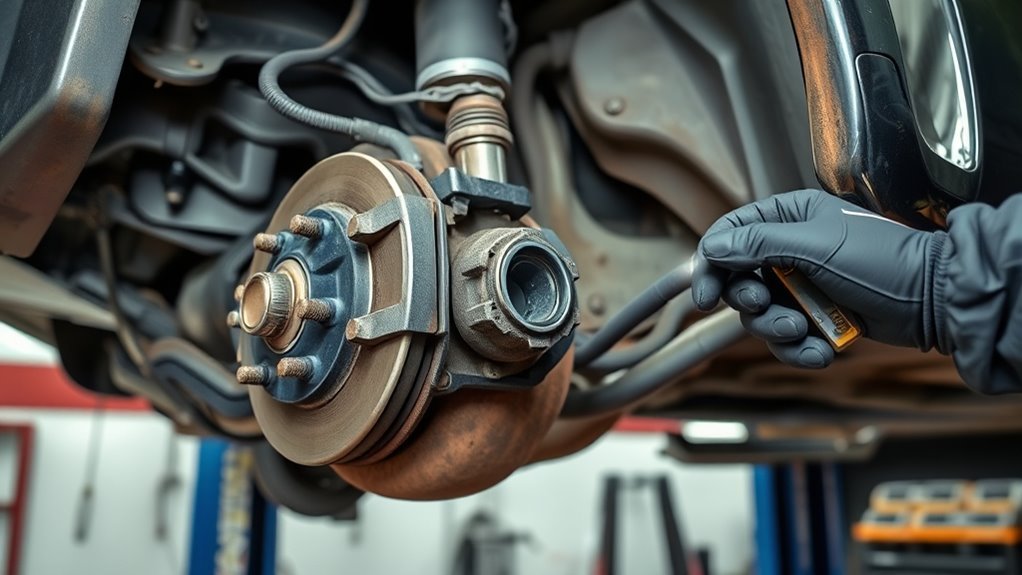
If you want reliable stopping power and predictable handling, inspect your Tundra’s brakes, lines, and suspension on a regular schedule: check pad thickness and rotor condition for scoring or warping, verify brake fluid level and clarity (flush if dark or contaminated), examine brake lines for corrosion or leaks, and assess shocks, struts, bushings, and mounts for wear or play that could cause uneven tire wear or poor control. You’ll prioritize brake performance by measuring pad remaining and rotor runout, replacing components before heat damage or squeal becomes danger. Check fluid for contamination and follow a flush interval to prevent internal corrosion. Scan steel and rubber brake lines, fittings, and calipers for leaks or rust that undermine stopping power. For suspension wear, lift the truck, push and pull wheel assemblies to detect play, inspect bushings and mounts for cracking, and verify shocks or struts aren’t leaking. Finish with tire tread, pressure, and alignment checks to preserve handling and free your driving from avoidable failures.
Battery, Starter & Charging System: Tests and Replacement Tips
Check battery health regularly with a voltmeter—expect about 12.6 V fully charged and 12.4 V for a healthy state of charge—and replace the battery every 3–5 years or sooner if readings fall. Inspect and clean terminals to prevent corrosion-related starting issues, and test the alternator output while the engine runs (13.7–14.7 V) to confirm proper charging. If you hear unusual noises or experience slow cranking, test and replace the starter to avoid unexpected failures in high-mileage Tundras.
Battery Health Testing
When you’re maintaining your Tundra, start battery health testing by measuring resting and running voltages with a multimeter—12.4–12.7 V at rest and roughly 13.7–14.7 V while running indicate a healthy battery and charging system. For clear battery maintenance, perform regular voltage testing and record readings; trends reveal decline before failure. Inspect terminals for corrosion, clean with a baking-soda solution, and torque clamps securely to prevent voltage drops and starting issues. Note battery age—replace proactively around 3–5 years to avoid being stranded. Listen for starter-related symptoms like clicking or sluggish cranking; they hint at battery weakness but don’t diagnose alternator or starter here. If the dashboard battery light appears, have the charging system professionally load-tested. Stay proactive and free from unexpected breakdowns.
Alternator And Starter
Although the battery gets most of the attention, you should treat the alternator and starter as a single, interdependent system and test them together to avoid misdiagnosis. You’ll verify battery voltage off-load (12.4–12.7V) and running (13.7–14.7V) first, then perform alternator diagnosis with a multimeter: target output 13.8–14.4V while the engine runs. Inspect terminals and cable connections for corrosion; clean or replace connectors to restore solid electrical flow. Listen for starter issues—clicking or slow cranking signals worn starter components or poor circuit continuity. Schedule routine inspections of charging and starting components so you control your truck’s reliability, replace failing parts promptly, and avoid being stranded. Test, clean, and act decisively.
Exhaust, Catalytic Converter & Emissions Checks
Because the exhaust system directly affects performance and emissions, you should inspect it regularly for rust, leaks, and unusual noises that can signal failing components. Use exhaust maintenance tips: scan visually for corrosion at joints, feel for leaks with the engine cold, and listen for rattles or hissing that point to loose hangers or holes. Don’t ignore catalytic converter issues — a clogged or damaged converter raises emissions, kills power, and can trigger a check-engine light.
When a dashboard warning appears, run diagnostics immediately and don’t postpone repairs that could compound damage. Follow local laws for routine emissions testing to keep your Tundra compliant and avoid fines. Address faults promptly to restore efficiency and free yourself from preventable failures. Maintain records of inspections and repairs so you can prove compliance and make informed decisions about replacement versus repair, preserving both performance and your right to drive responsibly.
Body, Frame & Rust Inspection: Spots to Focus On
If you want to keep your Tundra safe and structurally sound, focus your inspection on the undercarriage, wheel wells, frame rails, brake and fuel lines, and body seams where moisture and salt collect. You’ll lift the truck or use ramps to get clear access and scan for surface and penetrating rust—look for bubbling paint, discoloration, flaking metal, and seams that trap moisture. Inspect frame rails closely; structural integrity depends on them, especially on older models. Check brake and fuel lines for pitting or perforation that could cause leaks. Probe suspicious spots with a screwdriver to detect hidden corrosion without causing damage. Treat vulnerable areas proactively: remove loose rust, apply rust prevention coatings, and seal seams to block salt and water. Document findings and prioritize repairs that affect safety and load-bearing components. By acting deliberately and regularly, you’ll preserve freedom on the road and extend your Tundra’s life while safeguarding performance and safety.
Maintenance Intervals & Fluid‑Change Cheat Sheet to 500K Miles
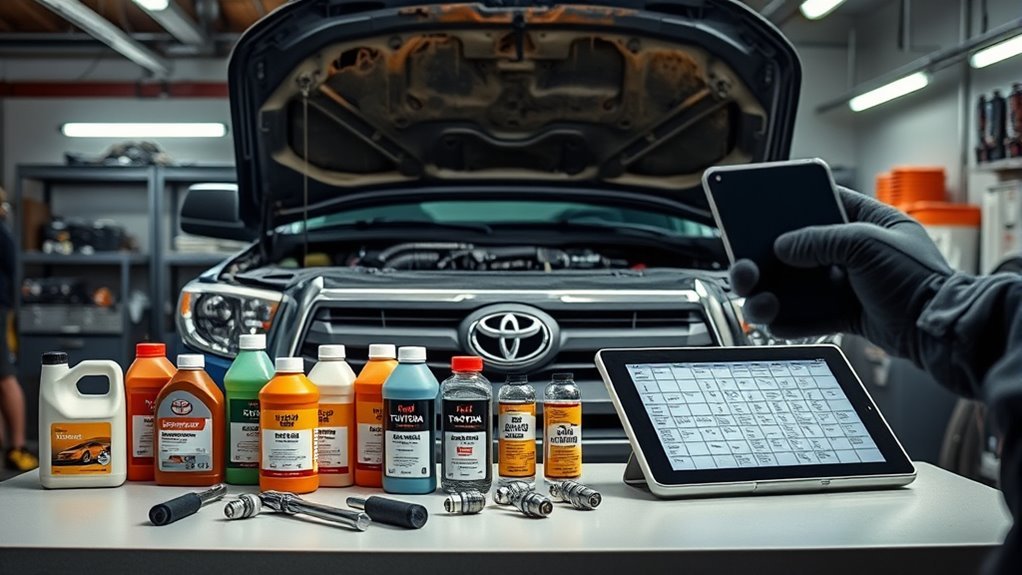
When you follow a clear, mileage‑based service rhythm, your Tundra can hit 500K miles with fewer surprises and lower repair costs. Track intervals and treat fluids as freedom tools: change engine oil every 5,000–10,000 miles with high‑mileage synthetic to control oil consumption and slow engine wear. Swap transmission fluid and filter near 100,000 miles to prevent slipping and overheating that chain into bigger failures. Do a coolant flush around 100,000 miles to keep temperatures steady and corrosion out of the cooling passages. Replace spark plugs at about 100,000 miles rather than waiting—better combustion, less stress, improved fuel economy. For 4WD and heavy users, inspect and replace differential fluids regularly; drivetrain neglect costs more than timely service. Keep a simple log: date, miles, fluid type, filter part numbers. This disciplined, mileage‑based habit gives you mechanical autonomy, reduces surprises, and stretches each mile toward that half‑million goal.
Red Flags, Cost Ranges, and When to Walk Away
Before you invest more time or money, check for clear red flags that usually mean big bills ahead: visible fluid leaks (power steering, valve covers, rear main), rust through the frame or undercarriage, corroded brake lines or leaking calipers, cooling system deterioration (radiator cracks, brittle hoses), and transmission slipping or strange noises. If you spot any, quantify cost implications immediately — minor hose or gasket fixes run low hundreds, brake line or caliper work climbs into high hundreds or low thousands, and frame rust or transmission failure often exceeds several thousand dollars. Set repair priorities: safety systems (brakes, steering), cooling and engine seals, then drivetrain and structural concerns. For long term ownership, accept only repairs that fit a rational budget and future value; walk away when estimated repair costs approach or exceed fair market value. You want freedom, not a money pit — choose vehicles where red flags are addressable, not existential.
Frequently Asked Questions
What Maintenance Does a Tundra Need at 100K Miles?
At 100k miles, you’ll replace the timing belt, change spark plugs and filters, perform a transmission fluid drain and fill, flush coolant, do a thorough brake inspection, and inspect tires, suspension and electrical systems for freedom on the road.
What Are the Most Important Things to Fix if You Have High Mileage?
Hit the ground running: you should prioritize engine performance fixes, transmission service, brake and suspension repairs, and timely fluid changes to keep control, avoid breakdowns, and reclaim freedom on the road.
What Is the Maintenance Schedule for a Toyota Tundra?
You should follow interval-based care: change oil every 5,000–10,000 miles, inspect timing components and spark plugs at 100k, rotate tires regularly, flush fluids, check brakes and cooling to preserve engine performance and freedom on the road.
Conclusion
You’ve got the checklist—now act. Treat a high‑mileage Tundra like a seasoned partner: inspect fluids and seals like a surgeon, prioritize timing and transmission service like a cardiologist, and hunt rust as if it’s cancer. Address red flags fast; deferred repairs compound costs. If maintenance history’s solid and repairs are economical, keep it. If not, walk away—because when structural or drivetrain failures loom, saving now costs you later. Stay decisive, stay thorough.